
Choosing the right adjustable dumbbells depends on how you balance training speed against long-term durability. Dial-adjust dumbbells use an internal gear system controlled by a rotating dial to lock in specific weight plates from a custom tray. In contrast, plate-loaded dumbbells rely on a manual sleeve where you slide individual plates on and off, securing them with spin-lock collars.
If your priority is rapid weight transitions during fast-paced circuits and you have limited floor space in a compact home, dial-adjust models offer unmatched convenience. However, if you require high drop-tolerance, plan to lift heavy, or want a budget-friendly option that can be expanded gradually, plate-loaded dumbbells remain the more practical choice.
Speed and Convenience: Changing Weights Mid-Workout
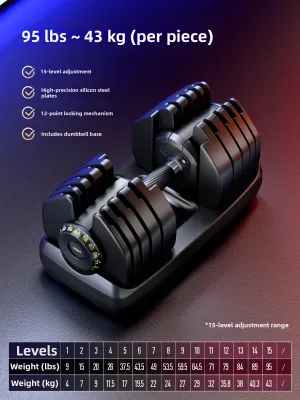
The speed of adjusting your weights directly impacts the flow and intensity of your home workouts. Dial-adjust dumbbells excel in this category by allowing you to change resistance in a matter of seconds. By placing the handle into the storage cradle and turning the dial, the internal mechanism automatically selects the correct plates, leaving the rest behind. This rapid transition is highly beneficial for training styles like supersets, drop sets, or fast-paced circuit training where rest intervals are strictly timed.
Products mentioned in this guide
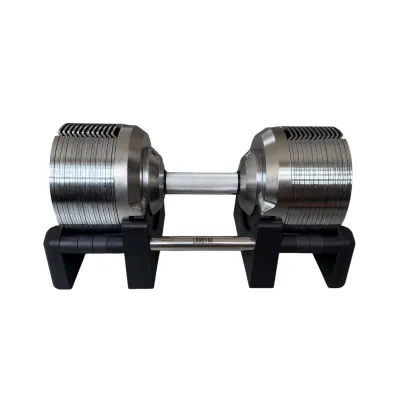
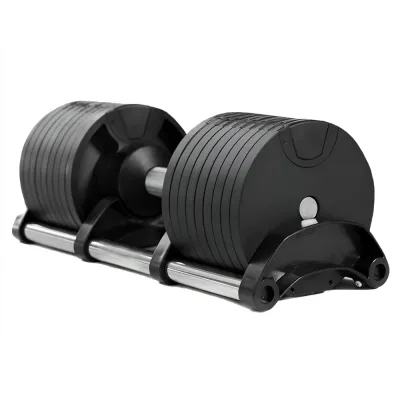
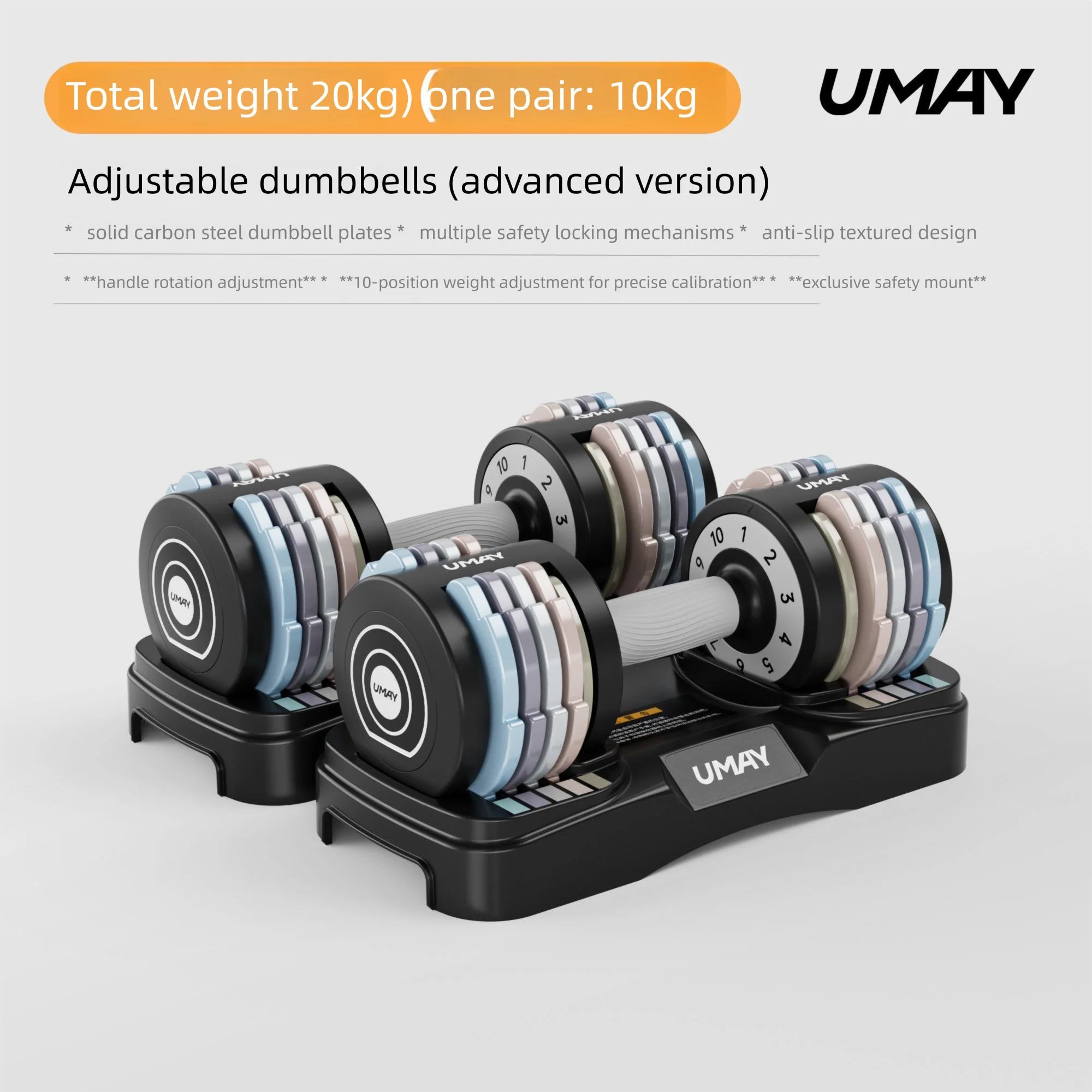
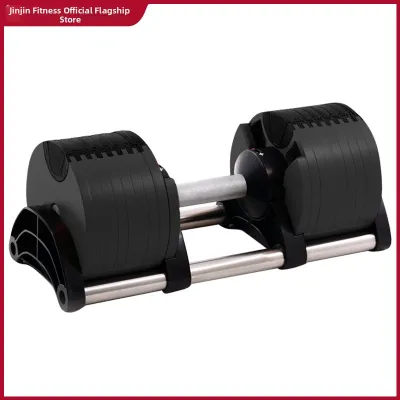
![(FITNET) [Bulky] Adjustable Chrome Dumbbell Sets 15kg / 20kg / 30kg / 50kg Dumbbells / Weights / Gym / Fitness / Barbells / Strength Training / Body Building / sd](https://img.lazcdn.com/g/p/c0e4fda432031e980da16816b4622902.jpg_400x400q80.jpg_.webp)
![[Local Stock] Adjustable Dumbbell Set Weight Dumbbell Stand Perfect for Home Gym Workouts Dumbbell](https://img.lazcdn.com/g/p/db075fa0e5f600fdb0e1fc6699552d91.png_400x400q80.png_.webp)
Prices are valid at publication and may change. Please refer to the product page for the latest price.
Plate-loaded dumbbells, on the other hand, require a multi-step manual process that can interrupt your momentum. To change weights, you must unscrew the spin-lock collars, slide off the current plates, retrieve the new plates from your storage area, slide them onto the sleeves, and screw the collars back on tightly. Repeating this process for both dumbbells can easily take a minute or more, which can lower your heart rate and prolong your overall workout time.
For traditional strength training where you rest for two to three minutes between sets, the slower transition of plate-loaded dumbbells is rarely a major drawback. However, if your routine relies on keeping your heart rate elevated or performing rapid drop sets, the manual adjustment process can quickly become tedious.
Space and Storage: Managing Your Home Gym Footprint
Managing your workout footprint is a critical consideration, especially when setting up a fitness routine in compact living environments like Singapore’s HDB flats. Dial-adjust dumbbells are highly space-efficient because they consolidate an entire rack of traditional dumbbells into a single pair. The physical footprint is strictly limited to the size of the two storage trays, making them exceptionally easy to tuck away under a bed, inside a closet, or in the corner of a living room.

Plate-loaded dumbbells present a different storage challenge because the weight plates must be stored separately when not in use. As your strength increases and you acquire more plates, you will need a dedicated storage tree, a sturdy shelf, or floor space to keep the plates organized. Loose plates scattered on the floor can quickly become a tripping hazard and clutter a small living area.
Additionally, dial-adjust dumbbells must always be returned to their specific cradles to change weights or store them safely. If a proprietary tray cracks or is misplaced, the entire system becomes difficult to use. Plate-loaded systems do not rely on specialized trays, allowing you to store the handles and plates in any standard storage bin or rack.
Durability and Cost: Upfront Price vs Long-Term Value
The mechanical design of each dumbbell type directly influences its upfront cost and long-term durability. Dial-adjust models represent a significant initial financial investment, often costing several hundred dollars (S$) for a quality pair. Because they rely on intricate internal gears, selector pins, and plastic alignment tabs, they are highly sensitive to impact. Dropping them, even from a short height, can misalign the mechanism or crack the internal components, rendering the entire dumbbell unusable.
Plate-loaded dumbbells offer a much lower entry cost, making them highly accessible for beginners. You can start with a basic set of handles and a few plates, then purchase additional plates as your strength develops over time. Constructed primarily of solid steel or cast iron, plate-loaded dumbbells are incredibly durable and can withstand being dropped on protective flooring without risking mechanical failure.
While the cost of expanding a plate-loaded set can add up, it remains a modular and manageable expense. With dial-adjust sets, you are locked into the maximum weight capacity of the system you purchase. If you outgrow the maximum weight, you cannot simply buy more plates; you must invest in an entirely new, heavier adjustable system.
Workout Feel: Grip Clearance, Balance, and Exercise Limits
The physical shape and weight distribution of your dumbbells can significantly affect your exercise form and movement comfort. Dial-adjust dumbbells often have a fixed overall length, regardless of how light the selected weight is, to accommodate the full stack of plates. This means even at a light setting, you are handling a relatively long dumbbell. This bulkiness can interfere with certain exercises, such as close-grip chest presses, bicep curls, or overhead tricep extensions, where the ends of the dumbbells might collide.
Plate-loaded dumbbells offer a more traditional feel because their physical length scales with the amount of weight you load. At lighter weights, the dumbbell remains short and highly maneuverable, mimicking the balance of commercial gym equipment. However, the threaded ends of the sleeves can sometimes protrude, which might scrape your legs during exercises like dumbbell deadlifts or lunges if you are not careful.
Furthermore, plate-loaded systems excel at micro-loading. If you have small fractional plates, you can make very gradual weight increments to progress safely. Dial-adjust systems are limited to the pre-set increments built into the mechanism, which are typically larger jumps, making progressive overload slightly more challenging for smaller muscle groups like the shoulders.
Final Decision Framework: Choose Dial-Adjust or Plate-Loaded?
To finalize your decision, evaluate your training style, budget, and home environment against the following criteria:
Choose Dial-Adjust if:
- You prioritize workout speed and want to perform fast-paced circuits, supersets, or drop sets without long interruptions.
- You have very limited storage space and need a system that packs away neatly into a single corner.
- You are comfortable handling your equipment with care and can guarantee you will not drop the dumbbells during heavy sets.
Choose Plate-Loaded if:
- You are working with a tighter upfront budget and prefer to expand your weight collection gradually over time.
- Your training style involves heavy lifting where dropping the weights occasionally is necessary for safety.
- You prefer the traditional, balanced feel of standard dumbbells and want the flexibility of micro-loading with fractional plates.
Verify first if:
- Before purchasing, verify the maximum weight capacity of the system to ensure it aligns with your long-term strength goals.
- Check the dimensions of the handles and the overall length of the dumbbells to ensure they fit your body frame and do not restrict your range of motion.
- Assess your home workout space to ensure you have a flat, stable surface for the storage trays or a dedicated area with protective flooring to safeguard your home's tiles or floorboards.
Frequently Asked Questions (FAQ)
Can you drop dial-adjust dumbbells on the floor?
No, you should avoid dropping dial-adjust dumbbells under any circumstances. Unlike traditional solid iron weights, dial-adjust models contain complex internal gears, selector dials, and alignment pins made of plastic or precision-milled metal. Dropping them can easily crack these internal parts, bend the selector shaft, or misalign the plates, making it impossible to change weights or safely lock the plates in place. Always lower them to the floor in a controlled manner, and use high-density rubber gym mats to absorb minor impacts during placement.
How do you maintain and clean adjustable dumbbells?
Regular maintenance is essential to keep both types of dumbbells functioning smoothly. For dial-adjust models, regularly wipe down the handles and plates with a dry or slightly damp microfiber cloth to remove sweat, dust, and skin oils; avoid spraying liquid cleaners directly into the dial mechanism as this can wash away internal lubricants. For plate-loaded models, periodically check the threads on the sleeves and spin-lock collars for debris, and wipe them down to prevent rust. Always verify that the locking collars are tightly secured before lifting, and check that dial-adjust plates are fully engaged in their slots before removing the dumbbell from its tray.
Community discussion
Share your experience or ask a question. Comments are reviewed before publication.