
The right adjustable dumbbell mechanism depends entirely on your workout style, budget, and maintenance preferences. There is no single winner; dial systems offer rapid changes for fast-paced routines, selector pins provide a traditional gym feel with secure increments, and spinlock sets deliver budget-friendly durability at the cost of adjustment speed. Use the conditional framework below to match the mechanism to your specific training needs and space constraints.
Choosing the right adjustable dumbbell requires looking past the brand name and focusing on how the weight plates connect to the handle. In a home gym, where space is limited and workouts must remain efficient, the physical mechanism dictates how quickly you can transition between exercises, how much abuse the equipment can handle, and how much you need to spend upfront. By understanding the mechanical differences between dial, selector pin, and spinlock designs, you can select a system that supports your fitness goals without introducing unnecessary safety risks.
Understanding the Three Main Adjustment Mechanisms
Every adjustable dumbbell aims to replace a full rack of traditional weights, but they achieve this through vastly different engineering methods. When inspecting these systems, you must look at the physical connection points, the materials used in the locking parts, and the overall footprint of the equipment. Some designs rely on complex internal gears, while others use external pins or manual threads to secure the weight plates.
Products mentioned in this guide
![[Local Stock] Adjustable Dumbbell Set Weight Dumbbell Stand Perfect for Home Gym Workouts Dumbbell](https://img.lazcdn.com/g/p/7b9bbce661be082b0361e0b3855415a5.jpg_400x400q80.jpg_.webp)
Prices are valid at publication and may change. Please refer to the product page for the latest price.
Understanding these mechanical actions helps you evaluate their long-term reliability and ease of use. Beyond the locking mechanism itself, you must consider the physical requirements of each system, such as the necessity of a base station or the thickness of the handle. Always follow the manufacturer’s instructions regarding plate alignment and safe handling to ensure the plates remain locked during dynamic movements.
Dial Mechanism
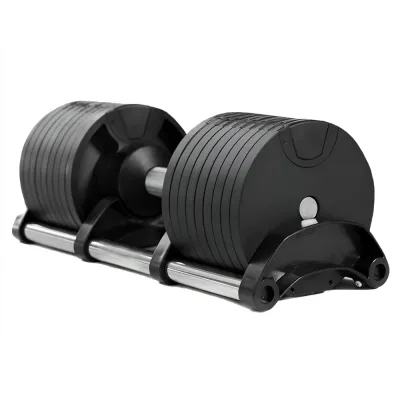
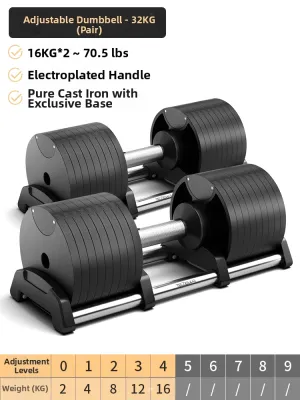
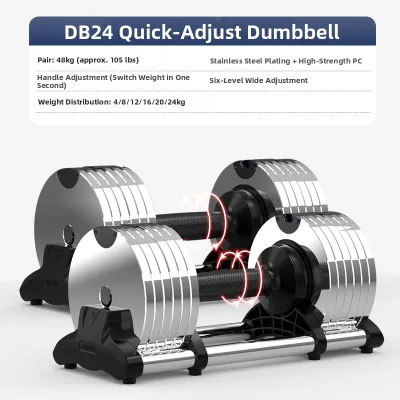
The dial mechanism is designed for speed and convenience, utilizing an internal gear system to select weights. To operate this style of dumbbell, you place the handle into a custom-molded base tray, turn a dial on one or both ends of the handle to your desired weight, and lift. As you turn the dial, internal selector discs rotate, engaging the corresponding weight plates while leaving the remaining plates resting securely in the tray.
This system relies entirely on the base tray to keep the plates aligned; without the tray, the mechanism cannot engage or disengage the plates properly. When inspecting a dial system, look for clear, audible clicks that indicate the locking teeth have fully engaged with the plates. Because the internal gears are often hidden from view, you must rely on these tactile and auditory cues to verify that the plates are locked before lifting the dumbbell.
Selector Pin Mechanism
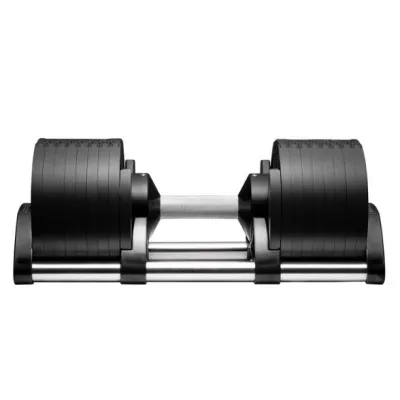
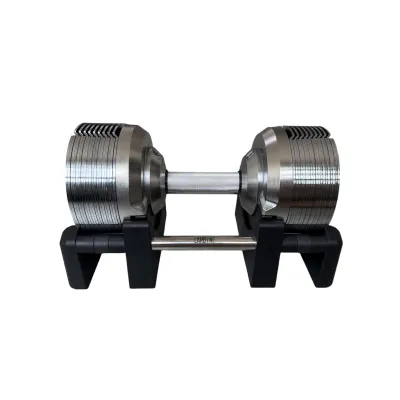
The selector pin mechanism mimics the weight stack machines found in commercial gyms, offering a familiar and highly secure adjustment method. This design typically features a U-shaped pin or a sliding selector key that inserts horizontally into the side of the weight stack. The handle sits inside a cradle, and you slide the pin into the slot corresponding to your target weight, which locks the selected plates to the central handle.
Like dial systems, selector pin dumbbells require a dedicated cradle or tray to keep the plates aligned and spaced correctly. The structural footprint of these systems is often blockier or more rectangular than traditional dumbbells, which can affect how they feel during certain exercises. When using a selector pin system, you must visually and physically verify that the pin is fully seated and locked into the correct slot to prevent plates from slipping out during your workout.
Spinlock Mechanism
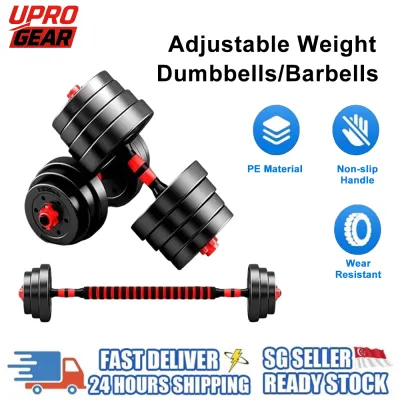
The spinlock mechanism is the most traditional and mechanically simple option, relying on manual threading rather than gears or pins. A spinlock dumbbell consists of a threaded steel bar, loose weight plates, and threaded collars that screw onto the ends of the bar. To adjust the weight, you manually unscrew the collars, slide the desired plates onto the bar, and screw the collars back on tightly against the plates.
This manual process requires no base station, tray, or cradle, allowing you to store the plates and bars in any convenient spot. The simplicity of the design means there are no internal gears to jam or plastic parts to crack. However, you must check the tightness of the collars and the condition of the threads before every single set, as the vibrations from lifting can cause the collars to back off slightly over time.
Comparing Speed, Durability, and Maintenance
When choosing between these three mechanisms, the practical trade-offs become apparent during your actual workouts and over months of regular use. Speed is the most obvious differentiator, especially if your training routine relies on fast transitions. A dial system allows you to change weights in under five seconds, making it ideal for supersets, drop sets, and fast-paced circuit training where resting too long defeats the purpose of the workout. Selector pins are slightly slower but still highly efficient, usually taking around five to ten seconds to adjust. Spinlock systems are by far the slowest, often requiring thirty seconds to a minute to change weights on both dumbbells, which can disrupt your momentum and extend your total workout time.

Durability is another critical factor where these mechanisms diverge significantly. Dial systems contain numerous moving parts, internal plastic gears, and selector discs that can wear out or break if the dumbbell is dropped or handled roughly. Selector pin systems are generally more robust, but they are still vulnerable to bent pins, cracked cradles, or misaligned plates if they experience sudden impacts. Spinlock systems are virtually indestructible by comparison, as they consist of solid steel bars and cast-iron plates with no delicate internal components. The primary wear points on a spinlock set are the rubber O-rings inside the collars and the threads on the bar, both of which are easily inspected and inexpensive to replace.
Maintenance requirements also vary based on the complexity of the adjustment mechanism. Dial and selector pin systems must be kept free of dust, chalk, and debris, which can find their way into the internal tracks and cause the gears to jam or the pins to stick. You should never drop these complex systems, and you must periodically inspect the alignment of the plates in the tray to ensure smooth operation. Spinlock systems require minimal maintenance, but you must regularly clean the threads to remove metal shavings or dust and check that the collars still tighten smoothly. Following the manufacturer’s specific guidelines for cleaning and lubrication is essential for preserving the lifespan of any adjustable dumbbell.
Budget and Value Considerations
The upfront cost of adjustable dumbbells is closely tied to the complexity of their adjustment mechanisms. Dial and selector pin systems generally command a higher price point, often ranging from S$300 to over S$800 for a complete set, depending on the maximum weight capacity and build materials. This higher cost reflects the engineering, precision manufacturing, and additional components like custom base trays and specialized storage stands. While the initial investment is significant, these systems offer high value by replacing up to fifteen individual pairs of dumbbells, saving both money and valuable floor space in a home gym.
In contrast, spinlock dumbbell sets are highly budget-friendly, often available for under S$100 to S$200. Because they use simple threaded bars and standard weight plates, manufacturing costs are low, and there are no proprietary mechanisms to drive up the price. Spinlock sets also offer excellent long-term value because they are highly customizable; you can purchase additional standard plates separately to increase the weight as you get stronger, whereas dial and selector pin systems are typically limited to their maximum out-of-the-box capacity.
When evaluating the overall value of a premium adjustable dumbbell, you must look beyond the purchase price and check the warranty terms and the availability of replacement parts. A complex dial or selector pin system with a short warranty can become a costly liability if an internal gear breaks after the coverage expires. Some manufacturers offer replacement parts, such as individual plates, dials, or pins, which can extend the life of your investment. For spinlock sets, replacement collars and standard plates are widely available from various brands and online marketplaces, making them the easiest and cheapest to maintain over a lifetime of training.
Decision Framework: Which Mechanism Fits Your Workout?
To finalize your decision, you must align the mechanical characteristics of each dumbbell with your specific training style, space constraints, and budget.
Choose a dial mechanism if you prioritize rapid weight changes and have the budget for a premium, space-saving system. This type is ideal for home trainees who perform high-intensity interval training (HIIT), supersets, or follow fast-paced workout videos where transition times are minimal. The compact design of a dial system consolidated into a single pair of trays is highly suitable for small apartments or shared living spaces where equipment must be tucked away quickly after a workout.
Choose a selector pin mechanism if you prefer a traditional gym feel, require highly secure incremental weight jumps, and have dedicated space for a cradle. This system is well-suited for progressive overload strength training, where you need to make precise, reliable weight adjustments without worrying about mechanical failure. The blockier shape of selector pin dumbbells provides a stable base for exercises like push-ups or renegade rows, provided the manufacturer approves this use.
Choose a spinlock mechanism if you are on a strict budget, want maximum durability with fewer moving parts, and do not mind manual adjustments. This is a highly practical option for classic strength training routines, such as 5×5 programs, where rest periods between sets are long enough to accommodate manual plate changes. Spinlock sets are also ideal for garage gyms or outdoor training areas where the equipment may be exposed to dust, moisture, or rough handling that would damage more delicate electronic or mechanical systems.
Before making your final purchase, verify several physical factors that can impact your comfort and safety. Check the grip thickness of the handle, as some adjustable dumbbells have thicker grips than standard commercial weights, which can fatigue your forearms quickly. Measure your available floor or shelf space to ensure the base trays or cradles will fit comfortably in your workout area. Finally, if you plan to perform dynamic movements like cleans, snatches, or kettlebell-style swings, verify that the locking mechanism is rated for these exercises, as rapid directional changes can put extra stress on the locking components.
Frequently Asked Questions (FAQ)
Can I drop adjustable dumbbells on the floor?
No, you should never drop adjustable dumbbells, especially those with dial or selector pin mechanisms. Dropping these complex systems can crack the internal plastic gears, bend the selector pins, or misalign the locking plates, rendering the entire dumbbell unusable and unsafe. Even spinlock dumbbells, which are highly durable, should not be dropped, as the impact can strip the threads on the bar, crack the cast-iron plates, or cause the collars to loosen suddenly. Always use protective rubber flooring or gym mats, and practice controlled lowering at the end of every set to protect both your equipment and your floor.
Do adjustable dumbbells require a specific stand or rack?
Dial and selector pin dumbbells require their dedicated base trays or cradles to function, as these trays keep the plates aligned for the adjustment mechanism to engage. While you can place these trays directly on the floor, using a dedicated stand or rack is highly recommended to improve ergonomics and prevent back strain when lifting heavy weights. Spinlock sets do not require a specific stand and can be stored on any sturdy shelf, in a storage bin, or stacked neatly in a corner. Storing complex mechanisms improperly, such as leaving them out of their trays or stacking them under other heavy items, can damage the adjustment system and may void the manufacturer’s warranty.
Community discussion
Share your experience or ask a question. Comments are reviewed before publication.