
Choosing the right dive regulator is one of the most critical gear decisions you will make as a diver. For Singapore-based divers, the nearby waters of Bintan and Batam in Indonesia offer convenient weekend getaways, but these destinations present specific environmental conditions that should dictate your equipment choices. Rather than searching for a single “best” brand, finding the ideal regulator involves matching the equipment’s technical specifications to warm-water environments, ensuring local serviceability in Singapore, and verifying personal breathing comfort through physical testing.
This guide outlines the essential factors to consider when selecting a regulator for regional tropical trips, how to evaluate the major brands available in Singapore’s retail market, and how to maintain your gear to ensure long-term safety and performance.
Quick Selection Principles for Tropical Dive Regulators
When selecting a regulator specifically for short trips from Singapore to Bintan or Batam, your priorities should differ from those of divers heading to cold-water destinations. Warm-water environments do not require heavy, complex, environmentally sealed first stages designed to prevent freezing. Instead, prioritize lightweight materials and unsealed or simpler balanced designs that reduce travel weight and are easier to maintain.
Products mentioned in this guide
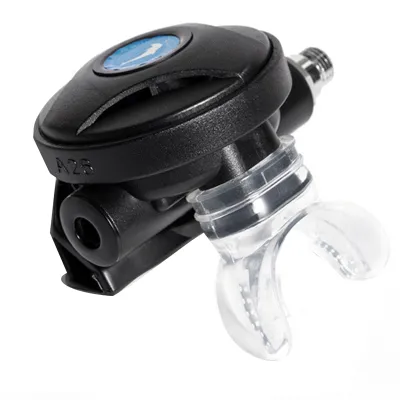
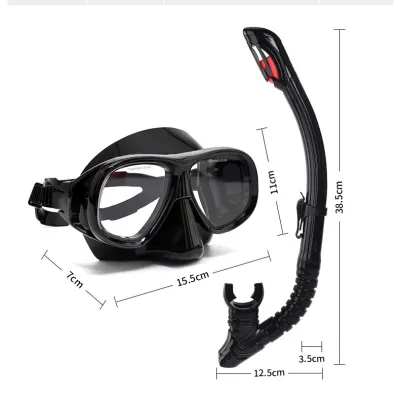
Prices are valid at publication and may change. Please refer to the product page for the latest price.
Local support is the most critical factor when choosing a brand. A regulator is life-support equipment that requires regular professional servicing. Before purchasing, verify that the brand has authorized service centers and readily available parts kits within Singapore. Buying a niche brand online might save money initially, but it can lead to long delays and high shipping costs when the unit requires its annual service.
Finally, never purchase a regulator based solely on online reviews or specifications. Physical testing is essential. Visit a local dive shop to assess how the second stage mouthpiece fits your jaw, how heavy the unit feels in your mouth, and, if possible, test the breathing resistance in a pool. A regulator that feels uncomfortable during a dry fit will only become more distracting during a drift dive.
Understanding the Dive Environment in Bintan and Batam
Bintan and Batam are located in the Riau Archipelago, characterized by tropical waters with temperatures typically ranging from 28°C to 30°C year-round. Because there is zero risk of water temperatures dropping near freezing, you do not need an environmentally sealed first stage to prevent internal icing. Standard unsealed first stages are perfectly suited for these temperatures, offering lighter weights and simpler internal mechanics.

However, the underwater terrain and conditions in these areas demand specific performance characteristics. Dive sites around Bintan and Batam often feature shallow coral reefs, sandy slopes, and occasional wreck sites. These environments can introduce suspended silt, sand, and organic particles into the water column, especially during periods of stronger tidal currents. Your regulator must be robust enough to handle potential particulate intrusion without free-flowing or experiencing premature wear on internal seals.
Travel logistics also play a major role in your gear selection. Most trips from Singapore to Bintan or Batam rely on ferry transits from Tanah Merah or HarbourFront ferry terminals. Ferries enforce strict baggage weight limits, typically capping checked luggage at 20 kilograms. A heavy, brass-heavy regulator set can easily consume a large portion of your weight allowance. Selecting a lightweight travel regulator or a compact model helps keep your total gear bag weight manageable for quick weekend crossings.
Key Regulator Features for Warm Water Diving
To make an informed purchase, you must understand the primary design variations in modern regulators and how they perform in tropical environments.
First Stage Designs: Piston vs. Diaphragm
First stages generally fall into two categories: piston and diaphragm designs. Balanced diaphragm first stages are highly recommended for the silty or sandy conditions occasionally found in Batam and Bintan. Because the internal spring mechanism is completely protected from the surrounding water by a flexible diaphragm, sand and salt cannot easily enter the main spring chamber. Balanced piston designs offer excellent gas flow rates and are highly reliable, but they expose more internal moving parts to the water, requiring meticulous rinsing after diving in sandy environments.
Second Stage Adjustments
When diving in varying currents, adjustable second stages provide significant advantages. Look for models equipped with a Venturi switch (often labeled Pre-Dive/Dive). This switch alters the airflow path inside the second stage casing, preventing free-flows when you are on the surface or swimming against a current. An inhalation effort adjustment knob is also highly useful, allowing you to manually increase or decrease the breathing resistance as depth and current conditions change.
Material Selection and Weight
Manufacturers use several materials to balance durability, weight, and cost:
- Chrome-Plated Brass: The industry standard. It is highly durable and cost-effective but heavy.
- Titanium: Exceptionally light and completely corrosion-resistant, making it ideal for travel. However, titanium regulators carry a premium price tag and are generally incompatible with high-oxygen breathing gas mixes (nitrox) exceeding 40% without specialized servicing.
- Carbon Fiber and Composites: These materials offer a middle ground, significantly reducing the weight of the second stage to minimize jaw fatigue while maintaining high impact resistance.
Hose Configurations and Swivels
Standard rubber hoses are durable but stiff, which can pull on the mouthpiece and cause jaw fatigue during a dive. Many modern travel regulators come equipped with flexible braided hoses (such as Miflex), which are lighter and more pliable. Adding a swivel joint to the connection between the hose and the second stage allows the regulator to move naturally with your head, greatly improving comfort during longer dives.
How to Evaluate Regulator Brands in Singapore
Singapore has a mature diving community supported by several well-established retail shops and distributors. When evaluating brands, focus on the local infrastructure supporting the product rather than global marketing claims.
First, verify the authorized dealership status of any brand you consider. Major international brands—such as Scubapro, Apeks, Aqualung, Mares, and Atomic Aquatics—have official distributors in Singapore. Purchasing from an authorized dealer ensures that your regulator is covered by a valid local and international warranty. It also guarantees that the shop has direct access to genuine manufacturer parts kits, which are essential for safe servicing.
Consider how the regulator fits into your broader gear ecosystem. If you plan to use a wireless air-integrated dive computer, ensure the first stage has enough high-pressure (HP) ports and that their positioning allows the transmitter to mount cleanly without blocking your low-pressure (LP) hoses. Some brands design their regulators and buoyancy compensator (BCD) inflators to work as integrated systems, which can streamline your overall gear profile.
Assess the availability of spare parts and technician expertise. Ask local dive shops about their typical turnaround times for servicing specific brands. Brands with regional distribution hubs or large inventories in Singapore can usually be serviced within a week, whereas niche brands may require importing parts, leading to weeks of downtime. Choose a brand that local technicians are highly familiar with, as their hands-on experience translates directly to more reliable servicing.
Finally, utilize local resources to test the gear. Many Singapore dive centers host gear demonstration days or allow customers to try rental units of the brands they sell. Testing a regulator in a controlled pool environment is the most reliable way to evaluate its real-world breathing characteristics, bubble clearance paths, and overall comfort before committing to a purchase.
Buying and Servicing Your Regulator in Singapore
Once you have narrowed down your choices, navigating the purchase and maintenance process correctly will protect your investment and ensure your safety underwater.
When shopping in Singapore, look for reputable dive centers that display clear manufacturer service certifications. A certified technician must undergo specific brand training to handle the precise tolerances of your regulator. Do not hesitate to ask to see the technician’s credentials before handing over your equipment for maintenance.
Understand the ongoing costs associated with regulator ownership. Most manufacturers recommend servicing your regulator every one to two years, or after a specific number of dives (typically 100). A standard service package in Singapore generally ranges from S$120 to S$250, excluding the cost of replacement parts kits. Some brands offer lifetime parts programs if you adhere strictly to their annual service schedule, which can significantly lower your long-term maintenance costs.
To get the best value, look for complete regulator packages. Buying the first stage, primary second stage, backup second stage (octopus), and analog pressure gauge (SPG) as a bundle is almost always more cost-effective than purchasing each component individually. Dealers often run promotional bundles during regional dive exhibitions or travel seasons.
After making your purchase, keep your physical receipt in a safe place and register the product online with the manufacturer immediately. Maintain a dedicated gear logbook to record every service interval, including the date, the name of the technician, and the specific parts replaced. This documentation is invaluable for maintaining warranty coverage and ensuring the resale value of your gear.
Pre-Trip Checks and Tropical Maintenance Routines
Before departing on a ferry to Bintan or Batam, perform a thorough pre-trip inspection of your regulator to prevent equipment failures at the dive site.
Begin with a visual inspection of all hoses, looking for any signs of cracking, bulging, or fraying, especially near the hose protectors. Check the mouthpiece for bite-tab wear or tears that could allow water to seep in. Inspect the first stage fitting—whether DIN or Yoke—for any debris or damage, and ensure the rubber O-ring is supple, clean, and free of cracks. Connect the regulator to a full scuba cylinder to verify that the pressure gauge reads accurately and listen closely for any subtle hissing sounds that indicate a leak.
After diving in the warm, salty, and sometimes silty waters of Indonesia, proper rinsing is critical to prevent salt crystallization and sand buildup. Always rinse your regulator in clean, fresh water as soon as possible after a dive. If rinsing the regulator while it is not pressurized, ensure the first stage dust cap is firmly secured in place to prevent water from entering the high-pressure inlet. Never press the second stage purge button while soaking or rinsing an unpressurized regulator, as this opens the internal valve and allows water to flow directly into the hose and first stage.
Store your regulator in a cool, dry place away from direct sunlight and extreme heat. Avoid bending the hoses tightly when packing; instead, coil them in loose, natural loops. During surface intervals on dive boats or ferries, keep the regulator shaded to protect the delicate rubber and silicone components from UV degradation.
Stop Conditions
Cease using your regulator immediately and seek professional servicing if you observe any of the following signs:
- A persistent hiss or bubbling sound from any connection point.
- Water entering the second stage mouthpiece during inhalation (wet breathing).
- The second stage free-flows continuously and cannot be stopped by adjusting the Venturi switch.
- The inhalation resistance feels unusually high or inconsistent.
- Visible green corrosion or salt crusting inside the first stage inlet or around the second stage exhaust valve.
Frequently Asked Questions (FAQ)
Do I need an environmentally sealed first stage for Bintan and Batam?
No, you do not need an environmentally sealed first stage for the warm waters of Bintan and Batam, where temperatures remain well above 28°C. Environmental sealing is designed primarily to prevent internal water from freezing in cold environments. However, many divers still choose sealed diaphragm regulators because the seal also prevents fine sand, silt, and salt from entering the internal spring chamber, which can reduce wear and simplify the cleaning process in tropical environments.
Can I rent a regulator locally instead of bringing my own from Singapore?
While most dive resorts and operators in Bintan and Batam offer rental regulators, bringing your own gear from Singapore is highly recommended. Personal regulators ensure consistent performance, familiar control layouts, and known service histories. Rental gear may suffer from heavy use, worn mouthpieces, or inconsistent maintenance. Having your own regulator guarantees hygiene and eliminates the adjustment period required to get comfortable with unfamiliar rental equipment.
How should I pack my regulator for a ferry trip to Indonesia?
Always pack your regulator in a dedicated, padded regulator bag to protect it from impacts during transit. Carry the regulator bag as part of your hand luggage on the ferry rather than checking it with heavy dive bags, as baggage handling at ferry terminals can be rough. Ensure the first stage dust cap is tightly secured, and avoid placing heavy items on top of the bag to prevent crimping or damaging the hoses.
Community discussion
Share your experience or ask a question. Comments are reviewed before publication.