
Deciding whether to add a tennis shock absorber to your racket often comes down to a simple question of feel and sound. This small accessory, typically made of silicone or rubber, is not a mandatory piece of equipment, nor does it alter the power or spin of your shots. Instead, it serves as a highly customizable tool to adjust how your racket communicates with your hand and ears upon ball contact.
Whether you actually need one depends on your personal sensitivity to vibration, your current string setup, and your playing style. While some players cannot stand the raw feedback of an undampened racket, others find that a dampener mutes the essential sensory information they need to play their best. By understanding what these devices can and cannot do, you can make an informed decision for your game.
What a Tennis Shock Absorber Actually Does (and Doesn't Do)
To make an accurate decision, you must first understand the mechanical limits of a tennis shock absorber. When a tennis ball strikes your racket, it creates two distinct types of vibrations: high-frequency vibrations from the strings and low-frequency vibrations from the racket frame. A shock absorber is designed solely to dampen the high-frequency vibrations occurring within the string bed itself.
Products mentioned in this guide
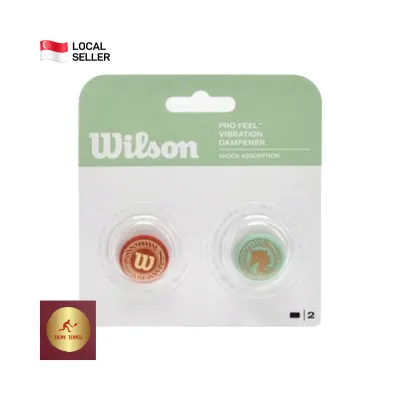
![[SG STOCK] SUPER A SPORTS Yonex Vibration Dampener (2 Pcs/Pack) Silicon Tennis Racket Shock Absorber Reduce Vibration](https://img.lazcdn.com/g/p/23c47bddccc4817a5fa8afe9bdeb7751.jpg_400x400q80.jpg_.webp)

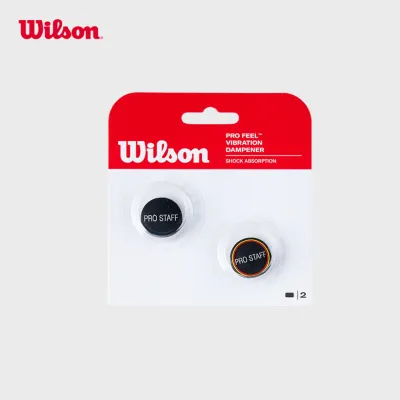



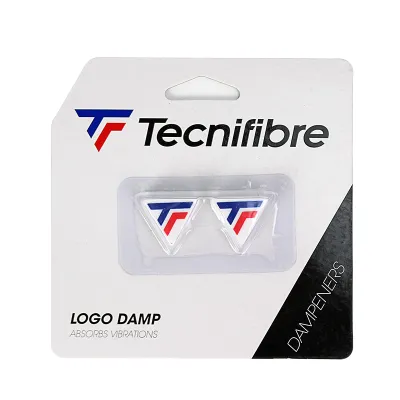
Prices are valid at publication and may change. Please refer to the product page for the latest price.
By resting against the strings, the dampener absorbs the rapid, microscopic oscillations that occur immediately after impact. This action dramatically alters the acoustic feedback of the racket, transforming a sharp, metallic “ping” sound into a dull, solid “thud.” For many players, this change in sound is the most noticeable effect, creating a psychological perception of a softer, more controlled hit.
However, it is critical to recognize what a shock absorber cannot do. It does not significantly reduce the low-frequency shock that travels through the frame and up your arm. This frame shock is the primary force responsible for joint strain and muscle fatigue. Consequently, adding a dampener will not cure or prevent medical conditions such as lateral epicondylitis, commonly known as tennis elbow. The perceived “feel” is entirely subjective, and a dampener simply reshapes the sensory feedback rather than reducing the physical impact on your joints.
Signs You Might Benefit from Using One
If you are on the fence about using a dampener, your body and mind will often send clear signals during a match. The most common indicator is auditory discomfort. If you find yourself consistently distracted or annoyed by the high-pitched “ping” sound that echoes across the court after every shot, a shock absorber is a simple, low-cost solution, often costing less than S$10. This acoustic irritation can break your concentration, especially during long rallies where rhythm is essential.

Another sign is tactile discomfort in your hands and fingers. When you hit the ball slightly off-center, the strings vibrate intensely, sending a buzzing or stinging sensation through your grip. If this residual buzz makes your hands feel fatigued or overly sensitive after a session, a dampener can help mute those high-frequency vibrations, making off-center hits feel less harsh.
Finally, mental distraction is a significant factor. If the raw, loud feedback of your racket makes you hesitate during your swings or lose confidence in your shots, your performance will suffer. A dampener can provide a quieter, more consistent sensory experience, allowing you to focus entirely on your stroke mechanics and footwork rather than the harshness of the impact.
When You Probably Don't Need a Shock Absorber
Despite their popularity, shock absorbers are far from universal, and many players perform better without them. If you prefer crisp, detailed feedback from your racket, you should skip the dampener. Advanced players often rely on the distinct sound and feel of the string bed to gauge the quality of their contact, the depth of their shots, and even the remaining tension in their strings. Muting these signals can make it difficult to adjust your technique mid-match.
You also likely do not need a dampener if you already use a soft racket setup. If your racket is strung with multifilament or natural gut strings at a moderate or low tension, these materials naturally absorb a massive amount of vibration. Adding a plastic or rubber dampener to an already plush setup can make the racket feel completely dead, stripping away the lively pocketing sensation that soft strings provide.
Furthermore, if you are in the beginner stage of your tennis journey, a shock absorber is rarely the answer to your discomfort. Beginners are still developing fundamental stroke mechanics, such as hitting the ball in the sweet spot and maintaining a relaxed grip. If your arm hurts or the racket feels uncomfortable, it is almost always due to late preparation, off-center hits, or improper technique. Relying on equipment tweaks can mask these underlying flaws, delaying your development as a player.
How to Evaluate Your Current Racket Setup
Before purchasing a shock absorber, it is highly beneficial to evaluate your overall racket configuration, as your strings and frame have a much larger impact on comfort than any accessory. Start by looking at your string type. Stiff polyester monofilament strings, which are highly popular for spin and durability, naturally produce intense high-frequency vibrations and a harsh feel. If you are using polyester without a dampener, the feedback can feel incredibly jarring compared to a soft nylon or multifilament string.
Next, assess your string tension levels. High string tensions stiffen the string bed, reducing its ability to pocket the ball and increasing the vibration transmitted to your hand. If you play in warm, humid environments like Singapore, string tension can drop over time, but starting with an excessively high tension on a stiff frame will always result in a harsher response. Lowering your tension by just a few pounds can dramatically improve comfort without needing a dampener.
Finally, consider your racket’s frame stiffness and grip size. A highly stiff frame designed for maximum power will naturally transmit more low-frequency shock to your arm, regardless of what you put on the strings. Additionally, playing with an incorrectly sized grip can cause you to squeeze the handle too tightly to keep the racket from twisting. This constant muscle tension prevents your arm from naturally absorbing shock, leading to rapid fatigue and discomfort that a simple string dampener cannot fix.
Next Steps: Testing, Adjusting, or Seeking Professional Advice
If you want to explore how a dampener affects your game without spending money, you can easily perform the classic rubber band test. Simply take a standard household rubber band and tie it securely around the two middle main strings, just below the lowest cross string. This DIY solution dampens string vibrations in the exact same manner as a commercial shock absorber, allowing you to experience the muted sound and feel before committing to a purchase.
If the rubber band test does not resolve your discomfort, your next step should be consulting a professional racket stringer. A qualified stringer can analyze your swing style and recommend adjustments to your setup, such as switching to a softer multifilament string, trying a hybrid string setup, or lowering your tension to match your physical capabilities. These structural changes address the root cause of harsh feedback far better than a clip-on accessory.
Most importantly, you must recognize the medical boundaries of equipment adjustments. If you experience sharp pain, persistent joint aches, or numbness in your wrist, elbow, or shoulder, you must stop playing immediately and consult a healthcare professional. No shock absorber, string change, or racket adjustment can replace proper medical advice, physical therapy, or targeted strength training to protect your joints from injury.
Frequently Asked Questions (FAQ)
Can a shock absorber prevent or cure tennis elbow?
No, a tennis shock absorber cannot prevent or cure tennis elbow. Tennis elbow is typically caused by repetitive strain, improper stroke mechanics, an excessively heavy or stiff racket, or an incorrect grip size, all of which transmit low-frequency shock to the tendons in your elbow. Because a shock absorber only dampens high-frequency string vibrations (the sound and minor buzz), it has no measurable impact on the heavy physical shock that causes joint and tendon inflammation. To address tennis elbow, focus on technique coaching, physical conditioning, and consulting a medical professional.
Where exactly should I place it on the strings?
According to the official rules of tennis, a shock absorber must be placed outside the pattern of the crossed strings. This means you should install it below the very bottom cross string, centered between the middle main strings. Placing the dampener higher up on the active string bed is not only against regulation play, but it can also cause unpredictable ball deflections and interfere with your shots. Always refer to the manufacturer’s specific instructions if your dampener uses a unique multi-string locking design.
Community discussion
Share your experience or ask a question. Comments are reviewed before publication.