
Choosing between a dustproof bike cover and a regular cover depends entirely on where you park your bicycle. While a standard cover offers basic protection against light scratches and settling dust in a sealed room, semi-outdoor and shared spaces demand a more specialized barrier. In Singapore, where many cyclists store their bikes in HDB corridors, open balconies, or void decks, environmental factors like fine construction dust, vehicle exhaust, and high humidity play a critical role in your decision.
To keep your bike ready for your next ride along the Park Connector Network (PCN), you must evaluate whether your storage spot exposes your frame to airborne particles. A dedicated dustproof bike cover utilizes a tighter weave to block microscopic particles, whereas a regular cover is often a loose-weave fabric designed primarily to keep off larger debris. Matching the cover to your specific storage environment prevents premature wear and keeps your maintenance routine manageable.
Assessing Your Bike Storage Environment
Before purchasing any protective gear, evaluate the exact spot where your bicycle spends most of its time. Shared residential spaces like HDB corridors and void decks present unique environmental challenges. Even if these areas are sheltered from direct downpours, they are constantly exposed to ambient outdoor air. This air carries fine dust, soot from nearby roads, and vehicle exhaust that can settle on your chain and cassette, turning clean lubricant into an abrasive paste. Additionally, sudden tropical squalls can blow rain splash across open corridors, leaving damp spots on an unprotected frame.
Products mentioned in this guide
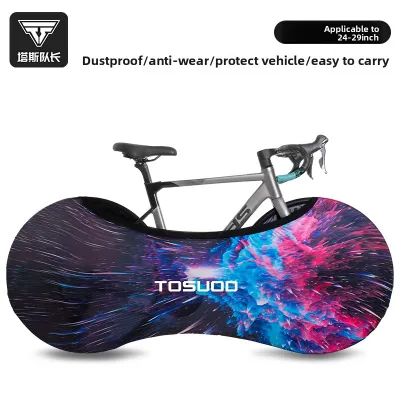
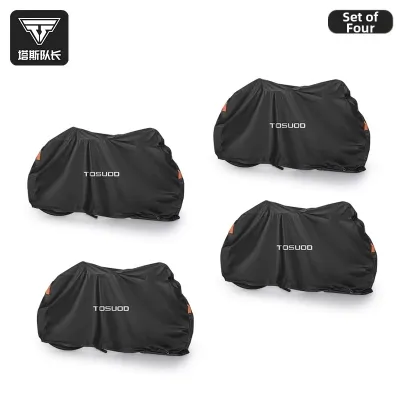
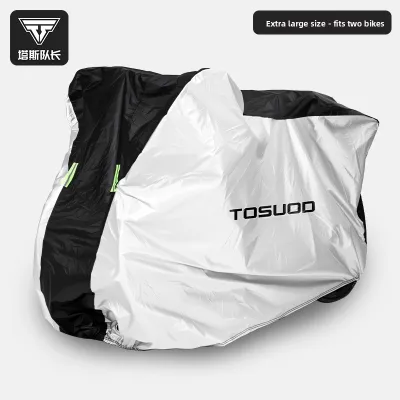
![🇸🇬 [New Product Sale] Bicycle Motorcycle Cover Waterproof Dust-proof UV-Coated Outdoor/Indoor](https://img.lazcdn.com/g/p/ec682043b248ae7542cf9b8f7f198e74.jpg_400x400q80.jpg_.webp)

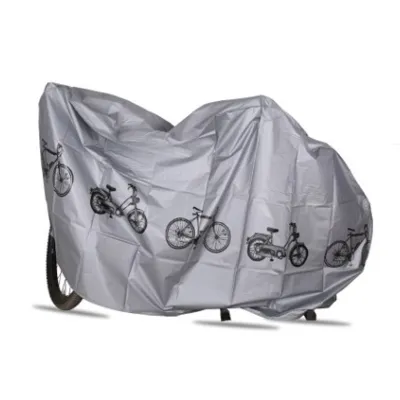
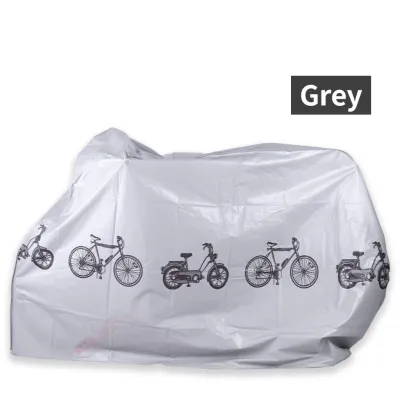
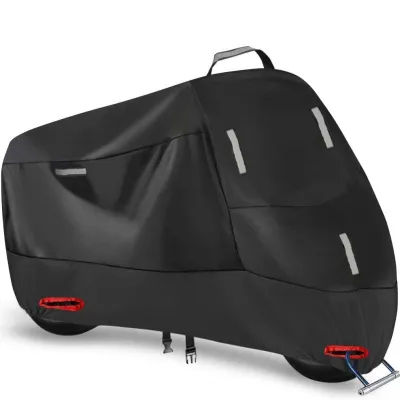
Prices are valid at publication and may change. Please refer to the product page for the latest price.
Balconies and semi-outdoor areas offer more space but introduce higher levels of environmental exposure. Here, your bicycle faces wind-blown debris, fluctuating humidity, and varying degrees of direct sunlight. UV rays can degrade plastic components, fade paint, and dry out rubber tires over time. Wind-blown dust acts like fine sandpaper when trapped under a loose cover that shifts in the breeze. If your balcony faces an active construction site or a busy expressway, the volume of airborne particulates increases significantly, making standard covers less effective.
Indoor rooms, such as a dedicated storeroom or a corner of your living room, represent the lowest-risk environment. Settling household dust, pet hair, and fibers from air conditioning units can still accumulate on your bike’s moving parts. However, because these spaces are shielded from wind, rain, and extreme temperature shifts, the primary goal is simply preventing accidental scratches and keeping the frame clean. Understanding these distinct environmental baselines is the first step in choosing the right level of protection.
Dustproof vs. Regular Bike Covers: What to Look For
When comparing options, the physical construction of the fabric is the most critical factor to verify. A true dustproof bike cover features a high-density weave, often measured by denier or thread count, which creates a physical barrier against microscopic particles. You can check this by holding the fabric up to a light source; a standard cover often reveals visible gaps between the threads, whereas a dustproof material blocks light more uniformly. This tight weave prevents fine dust from sifting through the fabric and settling onto your lubricated chain.

The inner lining of the cover is another essential feature to inspect before buying. Standard covers are often single-layered utility sheets that can feel rough against your bike’s finish. If fine dust does manage to get under a loose cover, any movement caused by wind or handling can rub those particles against your frame, causing micro-scratches in the clear coat. High-quality dustproof covers frequently incorporate a soft, non-abrasive inner lining, such as brushed polyester or microfiber, which cushions the frame and minimizes friction.
However, a tighter fabric weave introduces a significant trade-off regarding breathability. If a cover completely seals the bicycle without allowing air to circulate, it can trap ambient moisture underneath. In humid climates, this trapped condensation creates a greenhouse effect that accelerates rust on steel bolts, chain links, and brake rotors. To counter this, look for dustproof covers that feature built-in ventilation flaps or breathable side panels. These design elements allow warm, moist air to escape while keeping the top and sides shielded from falling dust.
Matching the Right Cover to Your Storage Situation
To make an informed decision, align the protective capabilities of the cover with the specific risks of your storage location. A standard, lightweight cover is highly suitable for clean indoor spaces, private garages, or short-term parking situations. If your bike is stored inside an air-conditioned room or a clean hallway where the only threat is light household dust, a basic cover provides excellent scratch protection without the risk of trapping moisture. It is also easier to fold and store when you are heading out for a quick ride.
A dedicated dustproof bike cover is justified when your bicycle is stored in semi-outdoor environments like HDB corridors, sheltered balconies, or near active construction zones. These areas experience constant airflow that carries fine, abrasive particles. Investing in a dustproof cover ensures that your drivetrain remains clean, reducing the frequency of deep degreasing sessions. It is particularly valuable for commuters who park their bikes in communal void decks or sheltered outdoor racks where dust accumulation is high but direct rain is blocked.
If your storage situation involves full exposure to the elements, such as an unsheltered balcony or an open-air parking lot, you must look beyond standard dustproof options. In these scenarios, you require a heavy-duty, fully weatherproof cover. These covers combine dust protection with waterproof coatings, taped seams, and robust UV-resistant treatments. While they are heavier and less breathable, they provide the necessary defense against heavy tropical downpours and intense afternoon sun that a standard dustproof cover cannot withstand.
Maintaining Your Cover to Protect Your Bike
Proper handling is essential to prevent transferring trapped dirt back onto your bicycle. When removing the cover, avoid dragging it across the frame, handlebars, or saddle. Instead, lift the cover straight up from the center and fold it inward, keeping the dusty outer surface on the outside and the clean inner lining protected. This technique ensures that any grit accumulated on the exterior does not make contact with your clean paintwork or lubricated components.
Regularly cleaning the cover itself is necessary to maintain its dust-blocking properties. Over time, the fabric’s pores can become clogged with fine dust, reducing its breathability and effectiveness. Check the manufacturer’s care label for specific washing instructions, as some materials require hand washing with mild soap to preserve their protective coatings. Avoid using harsh detergents or fabric softeners, which can degrade the water-resistant or dustproof treatments applied to the fibers.
Finally, always perform a quick moisture check before covering your bicycle, especially after a humid ride or a sudden rain shower. Placing a cover over a damp bike traps moisture against the metal components, creating an ideal environment for corrosion. Ensure both the bicycle and the inner lining of the cover are completely dry before securing it. Taking these few extra minutes protects your investment and ensures your bike is always in peak condition.
Frequently Asked Questions (FAQ)
Can I use a regular tarp instead of a dedicated bike cover?
While a generic plastic tarp is inexpensive, it is generally unsuitable for long-term bicycle storage. Tarps lack a soft inner lining, meaning their stiff, abrasive material can easily scratch your bike’s paint when shifted by the wind. They are also difficult to secure tightly, making them prone to catching the wind like a sail, which can tip your bike over. Furthermore, tarps do not offer the breathability of dedicated bike covers, significantly increasing the risk of trapped moisture and rust.
How often should I clean my dustproof bike cover?
The cleaning frequency depends on your storage environment and visible dirt accumulation. For bikes stored in dusty HDB corridors or near construction sites, a monthly visual inspection is recommended. If you notice a layer of fine grey dust settling on the exterior, gently wipe it down with a damp cloth. For a deeper clean, check the manufacturer’s care label; most covers benefit from a gentle hand wash every three to six months to clear clogged fabric pores.
Will a dustproof cover prevent rust in a humid climate?
A dustproof cover alone cannot prevent rust and can actually contribute to it if used incorrectly. While it blocks external dust, it can trap ambient humidity if the fabric lacks ventilation. To prevent rust in humid environments, ensure your bike is completely dry before covering it, and choose a cover equipped with breathable panels or ventilation flaps. Regularly removing the cover to let the bike air out also helps minimize moisture buildup.
Community discussion
Share your experience or ask a question. Comments are reviewed before publication.