
You do not always need a hydropack for your runs, but it transitions from a luxury to a necessity when your time on feet exceeds 60 to 90 minutes, particularly in high-heat environments or on trails where clean drinking water is unavailable. For short, urban recovery runs, carrying a full pack is often cumbersome and unnecessary. Deciding whether to invest in one depends on your weekly running duration, local weather conditions, and personal gear storage needs.
The Short Answer: When a Hydropack Makes Sense
A hydropack is designed to keep you hydrated and self-sufficient over long distances. It becomes highly practical during marathon training, trail running, or long weekend runs where stopping for water is inconvenient or impossible. In contrast, short weekday runs through well-serviced urban neighborhoods rarely require carrying extra water, as your body can rely on pre-run hydration.
Ultimately, the choice to wear a pack is not dictated by a single rule but by a combination of run duration, environmental climate, and what you need to carry. By evaluating these factors, you can determine if a hydration vest is a worthy investment for your running routine or if a simpler alternative will serve you better.
Products mentioned in this guide

![[HOT SALE]TOP Running Hydration Backpack Water Bladder Waterbag Water Bag Container Pack Backpacks Outdoors Camping Hiking Marathon Sports Vest Pack for Men Women-152c4c8b](https://img.lazcdn.com/g/p/ccf045df442ed03edfc9a7f46113e81a.jpg_webp_400x400q80.jpg_.webp)
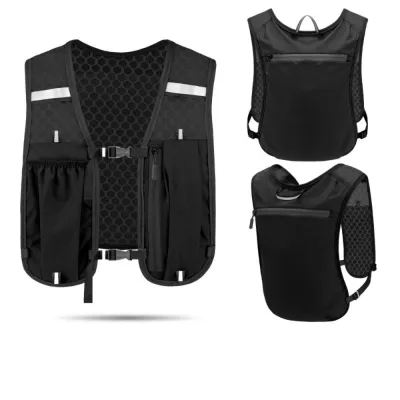
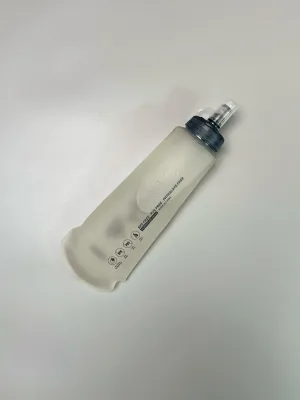
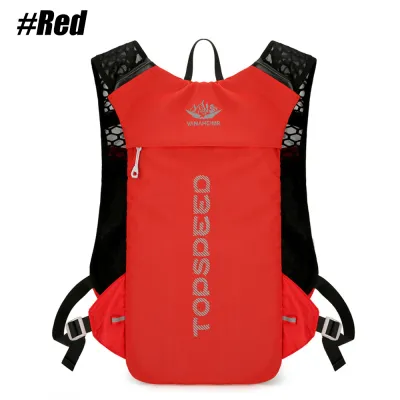
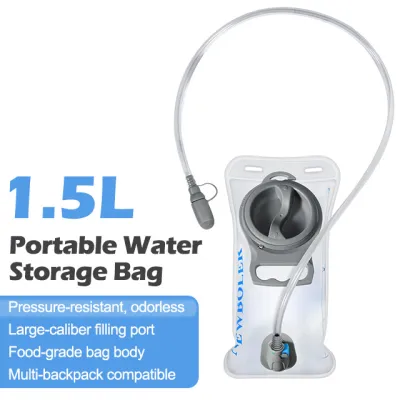
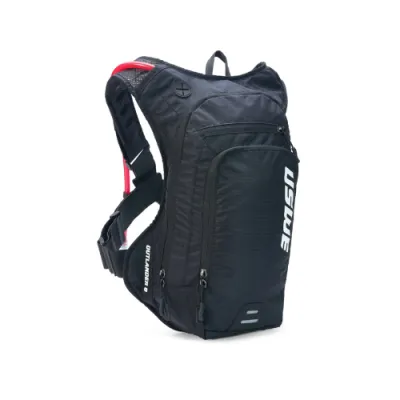
Prices are valid at publication and may change. Please refer to the product page for the latest price.
Assess Your Run: Duration, Distance, and Terrain
When choosing running gear, time spent on your feet is a far more accurate metric than pure distance. A 10-kilometer road run in cool weather might take 50 minutes, whereas a technical 10-kilometer trail run in hot, humid conditions could easily stretch past 90 minutes. Because your body’s sweat rate and hydration demands accumulate over time, focusing on your expected duration allows you to plan your fluid intake more safely.

The terrain you choose also dictates your hydration strategy. Road runners often have the luxury of passing public water fountains, convenience stores, or petrol stations where they can quickly buy a drink or refill a bottle. Trail runners, however, must be entirely self-sufficient. Nature reserves and forested trails do not have water coolers, and getting lost or experiencing a sudden muscle cramp in an isolated area can quickly turn a routine run into a dehydration emergency.
To evaluate your needs, categorize your weekly training schedule. Most runners maintain a mix of short, high-intensity weekday runs and a single, long endurance session on the weekend. While you can easily skip carrying water for a 45-minute recovery run, your weekend long runs of 90 minutes or more require a reliable hydration source to maintain cardiovascular efficiency and muscle function.
As a general self-check framework, if your runs consistently exceed 60 to 90 minutes without guaranteed access to clean drinking water, a hydropack is highly recommended. For runs under an hour, your body can typically cope without mid-run fluids, provided you hydrate thoroughly before stepping out the door.
Factor in the Climate: Heat, Humidity, and Sweat Rate
Environmental conditions play a massive role in how quickly your body loses fluids. In tropical climates like Singapore, high heat combined with extreme humidity severely impairs the body’s natural cooling mechanism. Sweat cannot evaporate efficiently off your skin in humid air, causing your core body temperature to rise faster and forcing your sweat glands to work overtime. This rapid loss of water and essential electrolytes makes consistent fluid replacement crucial.
You can monitor your hydration status using stable, low-risk observation methods. Pay close attention to your body’s thirst cues during exercise, check your urine color after your run—aiming for a pale straw color—and note any unusual post-run fatigue, muscle cramps, or mild headaches. For a more precise assessment, weigh yourself immediately before and after a hard run; any weight loss is primarily water weight, indicating how much fluid you need to replenish.
One of the greatest benefits of a hydropack is its continuous sipping mechanism. Using a flexible drinking tube and a bite valve allows you to take small, frequent sips of water without breaking your running stride or slowing down. This is highly advantageous in hot weather, as drinking small amounts regularly is much easier on the stomach than gulping down large volumes of water from a bottle, which can cause sloshing and gastrointestinal discomfort.
Because of these climate factors, runners in tropical zones should lower their threshold for carrying water. While a runner in a temperate climate might comfortably complete a 90-minute run without fluids, the high heat index in a tropical environment means you may need to carry hydration for runs lasting as short as 45 to 60 minutes to remain safe and perform at your best.
Evaluate Your Storage Needs: Beyond Just Water
Hydration is only one part of the equation; a hydropack also serves as a highly efficient utility vest. Before choosing your gear, take a quick inventory of what you carry on your long runs. Modern runners often need to transport a large smartphone, house keys, energy gels, electrolyte tablets, a lightweight windbreaker for sudden tropical downpours, and anti-chafe balm.
Trying to stuff these essentials into standard running shorts pockets or a basic waist belt often leads to bouncing, sagging fabric, and skin irritation. A dedicated running hydropack is designed to distribute this weight evenly across your shoulders, upper back, and chest. This vest-like fit keeps the load flush against your body, minimizing movement and reducing the rotational forces on your spine as you swing your arms.
If your current storage setup causes chafing, forces you to carry your phone in your hand, or limits the amount of nutrition you can bring along, upgrading to a hydropack is highly practical. It eliminates the distraction of bouncing gear and ensures you have all your safety and nutrition essentials within easy reach, allowing you to focus entirely on your running form.
Hydropack vs. Alternatives: What Else Can You Use?
You do not have to purchase a full hydration vest immediately. Depending on your typical running distance, budget, and comfort preferences, several alternative methods can keep you hydrated without the bulk of a full pack.
Handheld Bottles
Handheld bottles are the simplest and most cost-effective entry point for carrying fluids. Many running-specific handhelds feature an integrated fabric strap that wraps securely around your hand, meaning you do not have to grip the bottle constantly. While they are lightweight and very easy to clean, they have limited fluid capacity (typically 250ml to 500ml) and can cause an asymmetrical arm swing, which may lead to shoulder tightness or altered running mechanics over long distances.
Best suited for: Runs under an hour, structured track workouts, or runners who prefer a minimalist setup and do not mind carrying weight in their hands.
Hydration Waist Belts
A hydration waist belt is a balanced middle-ground option that keeps your hands completely free and retains less upper-body heat than a full vest—a major benefit in warm climates. However, waist belts can bounce or ride up your torso if they are overloaded or poorly fitted, and their total fluid capacity is still relatively small, usually limited to one or two flasks totaling 300ml to 600ml.
Best suited for: Medium-distance road runs where you need more fluid than a handheld bottle can provide, but a full back-mounted pack feels too warm or restrictive.
Strategic Route Planning
The “no-gear” approach relies entirely on public infrastructure instead of carrying your own water. This involves planning loop routes that pass public water fountains in parks, public restrooms, or convenience stores where you can purchase cold drinks. While this keeps you completely unencumbered, it carries inherent risks: public fountains may be out of order, stores might be closed, and relying on external water sources is highly risky on remote trails or during extreme midday heat.
Best suited for: Urban runners who train on familiar, well-developed park connectors and prefer running without any extra gear.
Making the Final Call: Your Hydration Self-Check
To help you finalize your decision, use this quick diagnostic checklist to determine if you should purchase a hydropack or stick to simpler alternatives.
Buy a hydropack if:
- Your long runs regularly exceed 75 to 90 minutes.
- You train on nature trails or remote routes without reliable public water access.
- You need to carry multiple personal items, such as keys, a phone, nutrition, and a lightweight jacket.
- You find handheld bottles or waist belts uncomfortable, or they cause uneven weight distribution.
Skip or delay if:
- Your runs are almost always under 60 minutes.
- You run urban loops with guaranteed, functional water fountains along the path.
- You prefer absolute minimalism and do not mind carrying a single handheld bottle.
- You want to test your commitment to longer distances before investing in specialized gear.
Premium running hydropacks in Singapore typically range from S$100 to over S$250, while entry-level waist belts can be found for under S$40. If you are still on the fence, consider borrowing a vest from a running partner or starting with a budget-friendly waist belt to see how your body handles carrying extra weight before committing to a high-end running vest.
Frequently Asked Questions (FAQ)
How tight should a running hydropack be to prevent chafing?
A running hydropack should fit snugly against your torso to prevent bouncing, yet remain loose enough to allow full lung expansion when breathing heavily. To achieve the correct fit, adjust the sternum straps and side cinches while standing in your natural running posture. If the pack is too loose, the constant friction against your shoulders and back will cause painful chafing; if it is too tight, it will restrict your breathing. Applying a high-quality anti-chafe balm to high-friction areas like the collarbones and lower ribs before your run is an excellent preventive measure.
Can I use a standard hiking hydration pack for running?
It is generally not recommended to use a standard hiking pack for running. Hiking packs are designed for walking speeds and are typically constructed from heavier, less breathable materials. They lack the bounce-prevention designs, elastic chest straps, and vest-style fit required to stabilize a shifting water load during high-impact running movements. Running-specific hydropacks feature lightweight, moisture-wicking mesh and a body-hugging cut that keeps the water bladder flush against your spine to minimize movement.
How do I properly clean and dry the hydration bladder?
To ensure hygiene and extend the lifespan of your hydration bladder, always check the manufacturer’s specific care instructions first. As a general maintenance routine, rinse the bladder and tube with warm water immediately after every run. For a deeper clean, use mild dish soap or specialized cleaning tablets, scrubbing the inside with a reservoir brush. The most critical step is drying: hang the bladder upside down with a dryer hanger or insert paper towels to keep the walls apart, ensuring it air-dries completely before storage to prevent mold and bacteria growth.
Community discussion
Share your experience or ask a question. Comments are reviewed before publication.