
If you are experiencing localized, sharp pain on just one side of your knee joint—often due to single-compartment osteoarthritis—a standard compression sleeve will likely fall short, and you may need a specialized knee unloader brace. Conversely, if your discomfort is a general, diffuse ache, mild swelling, or fatigue after a long run or climbing stairs, a regular knee support is usually sufficient. Choosing the right gear depends on whether you need to physically shift weight off a damaged joint compartment or simply require warmth, compression, and mild stability.
Understanding the Core Difference Between Unloader and Regular Braces
A knee unloader brace is a highly engineered mechanical device designed to alter the load distribution within your joint. It features a rigid frame, adjustable hinges, and a system of straps that apply a corrective force. This mechanical action physically pushes or pulls the knee joint, shifting your body weight away from the damaged, bone-on-bone compartment (either the inner medial or outer lateral side) and transferring it to the healthier side.
In contrast, a regular knee support—such as an elastic, neoprene, or knit compression sleeve—provides uniform pressure around the entire joint. It does not change the alignment of your bones or reduce the physical load on a specific compartment. Instead, it works by retaining heat to improve blood flow, reducing minor swelling, and enhancing proprioception, which is your brain’s awareness of the joint’s position during movement.
Products mentioned in this guide
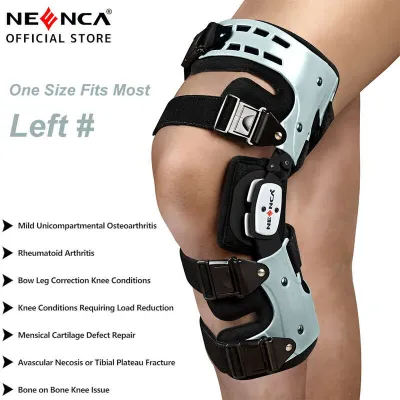
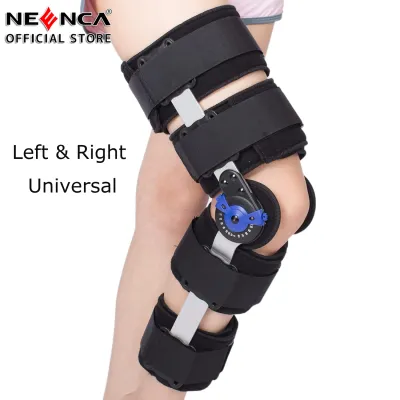
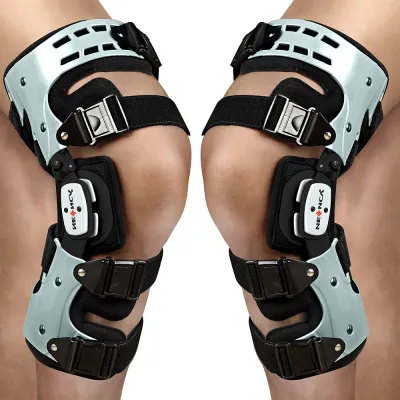
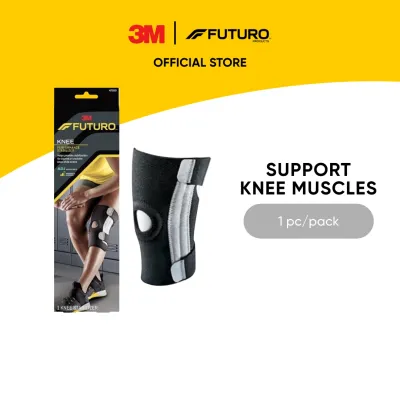
Prices are valid at publication and may change. Please refer to the product page for the latest price.
While regular sleeves rely on flexible fabrics to offer mild, non-restrictive support, unloader braces are structured orthopedic tools. They are specifically built for structural issues like unicompartmental osteoarthritis or localized meniscus degradation, whereas standard sleeves are meant for general muscle fatigue, minor sprains, and mild joint stiffness.
Signs Your Knee Condition May Require an Unloader Brace
Identifying whether your knee pain warrants a specialized unloader brace involves looking closely at the location of your discomfort and your medical history. If your pain is strictly localized to one side of the knee—such as a sharp, grinding sensation on the inner side when walking to the MRT station or climbing HDB stairs—this is a classic sign of single-compartment wear.

Your clinical history is another critical indicator. If an orthopedic specialist or physiotherapist has diagnosed you with single-compartment osteoarthritis, cartilage loss, or a localized meniscus tear, your joint space has likely narrowed. When the protective cartilage wears down in just one area, the bones rub together under your body weight, making mechanical offloading necessary.
You might also notice that standard compression sleeves or flexible braces no longer provide relief. If you have been wearing a regular support during daily activities but still experience persistent, sharp pain that limits your mobility, the joint likely requires structural unloading rather than simple compression.
Ultimately, a professional recommendation is the most reliable sign. If a healthcare provider suggests offloading the joint to delay surgery or manage chronic pain, transitioning to a structured unloader brace is the logical next step.
When a Regular Knee Support Is Sufficient
For many active individuals, a standard knee support is more than adequate to manage daily discomfort and support recovery. If you experience a general, diffuse ache across the entire knee rather than a sharp pain concentrated on one specific side, a regular sleeve is typically the appropriate choice.
These flexible supports are excellent for managing mild swelling, morning stiffness, or general muscle fatigue after sports, running, or long periods of standing. They provide a comfortable level of compression that helps keep joint fluid moving and reduces minor inflammation without restricting your natural range of motion.
Preventive use is another scenario where a regular sleeve shines. If you want extra warmth to keep your joints lubricated during outdoor workouts in humid weather, or if you seek a psychological sense of stability during low-impact exercises, a simple knit or neoprene sleeve is ideal. It offers the right balance of comfort and light support without the bulk of a rigid frame.
How to Verify Your Needs Before Making a Change
Before investing in new gear, it is essential to track your symptoms systematically. Note exactly when, where, and during which movements your pain occurs. If the pain consistently flares up on one side of the joint during weight-bearing activities, write this down to share with your healthcare provider.
Next, evaluate your current equipment. Ensure your regular knee sleeve is not simply worn out, stretched, or improperly sized. A loose sleeve cannot provide effective compression, while an overly tight one can restrict circulation and worsen discomfort during active use.
Keep in mind that self-assessment has clear limits. You cannot self-diagnose joint space narrowing or structural alignment issues; this requires clinical evaluation, physical tests, or imaging like X-rays. Always consult a qualified professional to confirm whether your joint mechanics actually require an unloader.
Finally, consider your lifestyle and the physical demands of your activities. Unloader braces are significantly bulkier than sleeves, require precise fitting according to manufacturer sizing charts, and can feel warm under clothing. They are designed for controlled, linear movements like walking, rather than high-agility sports that involve rapid twisting or contact.
Next Steps Based on Your Self-Assessment
If your self-assessment suggests that a regular knee support is sufficient, focus on optimizing its use. Ensure you select the correct size by measuring your thigh and calf circumferences according to the manufacturer’s guide. Wash the sleeve regularly to maintain its elasticity, and pair its use with targeted strengthening exercises for your quadriceps and hamstrings.
If you suspect you need an unloader brace, your immediate next step should be booking an appointment with a physiotherapist or orthopedic specialist in Singapore. They can perform a clinical assessment to verify if your joint space is compromised and recommend the exact type of offloading required.
When transitioning to an unloader brace under professional guidance, look for models with adjustable hinges, breathable materials suitable for warm climates, and clear return policies. Always follow the manufacturer’s wearing schedule, starting with short periods of wear to allow your skin and muscles to adapt to the corrective forces before using it for extended activities.
Frequently Asked Questions (FAQ)
Can I wear a knee unloader brace all day?
You should not wear an unloader brace all day unless specifically instructed by a medical professional. Check the product labels and manufacturer guidelines for recommended wear-time limits. Monitor your skin regularly for signs of irritation, chafing, or restricted circulation, and follow a gradual break-in period to let your body adjust to the brace’s mechanical pressure.
Will a regular knee sleeve fix severe bone-on-bone pain?
No, a regular knee sleeve cannot fix or relieve severe bone-on-bone pain caused by advanced joint degeneration. Sleeves provide compression and warmth but do not alter joint mechanics or create physical space between bones. For severe structural pain, you must consult a healthcare professional for targeted treatment options, which may include an unloader brace or other clinical interventions.
Do I need a professional fitting for an unloader brace?
While some consumer-grade unloader braces are available directly from online marketplaces, a professional fitting is highly recommended. Medical-grade unloaders require precise alignment of the hinges with your knee’s natural axis of rotation. An incorrect fit can apply improper pressure, reduce the brace’s effectiveness, or potentially cause secondary joint strain.
Community discussion
Share your experience or ask a question. Comments are reviewed before publication.