
Whether you are stepping onto a public court for a casual weekend hit or preparing for a competitive league match, you have likely noticed small pieces of rubber wedged into the strings of many players’ rackets. These small accessories, known as tennis dampeners, are incredibly common, yet they remain one of the most misunderstood pieces of tennis gear. Many beginners purchase them hoping to cure arm pain or boost their power, while others skip them entirely, assuming they are only for advanced players.
The truth is that a tennis dampener is not a mandatory piece of equipment, nor is it a medical solution for physical discomfort. It is a simple, low-cost accessory designed to customize the sensory feedback of your racket. If you are distracted by the high-pitched “ping” of bare strings or dislike the residual vibration felt in your hand after off-center hits, a dampener can make your playing experience significantly more comfortable. However, before you buy one, it is essential to understand what a dampener actually does, when it can help, and when you should address the root causes of your racket’s feel through other adjustments.
What a Tennis Dampener Actually Does (and Doesn't Do)
A tennis dampener is a small piece of rubber, silicone, or gel inserted into the string bed of a racket. Despite its popularity, its physical effects are frequently misunderstood by players of all skill levels.
Products mentioned in this guide


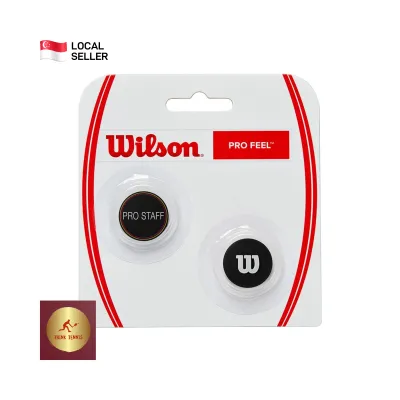
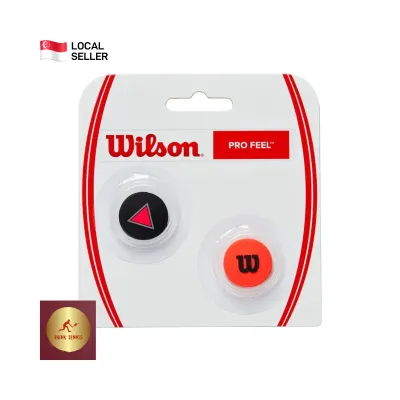
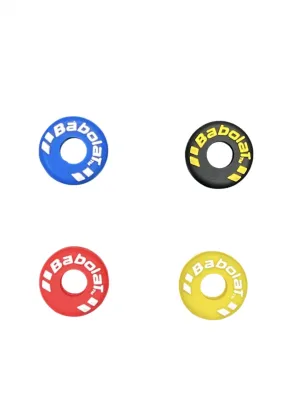


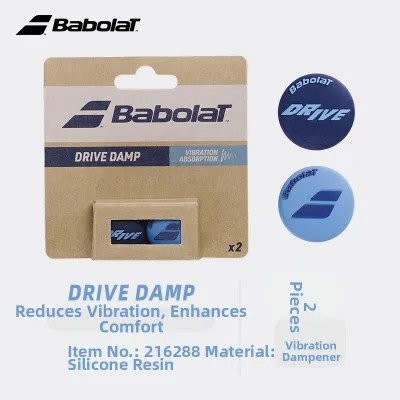
Prices are valid at publication and may change. Please refer to the product page for the latest price.
The primary function of a dampener is acoustic. When a tennis ball strikes an undampened string bed, the strings vibrate rapidly, producing a high-pitched, metallic “ping” sound. This sound is transmitted through the air and up the racket frame to the player’s hand. By placing a dampener on the strings, you interrupt these high-frequency vibrations, transforming the sharp “ping” into a solid, muted “thud.” For many players, this quiet, solid sound is the single most satisfying reason to use one.
However, it is vital to distinguish between string vibration and frame shock. String vibration refers to the high-frequency oscillation of the strings themselves. Frame shock is the low-frequency, high-energy impact force that occurs when the racket frame bends and recoils as it collides with the ball. This frame shock is what travels deep into your wrist, elbow, and shoulder joints.
A common medical myth is that using a tennis dampener can prevent, treat, or cure tennis elbow (lateral epicondylitis). Mechanically, a tiny piece of rubber weighing only a few grams lacks the mass to absorb the massive low-frequency forces of frame shock. If you are experiencing joint pain, relying on a dampener is ineffective and potentially risky, as it masks the acoustic feedback of a harsh impact without reducing physical strain.
Additionally, a dampener alters the tactile feel of ball impact without changing actual power, spin potential, or string bed stiffness. The ball leaves the strings at the exact same speed and angle whether a dampener is installed or not. What changes is your perception of the contact, making the racket feel more solid simply because the high-frequency “buzz” has been filtered out.
Signs You Should Consider Adding a Tennis Dampener
If you are trying to decide whether to purchase a dampener, pay close attention to your sensory experiences during your next hitting session. There are several clear indicators that your playing style and comfort preferences align with the benefits of a dampened string bed.

The first sign is auditory distraction. The high-pitched “ping” of bare strings can be highly distracting, especially during quiet, focused rallies. Some players find that this sound makes their racket feel hollow or lacking in power. If you find yourself constantly focusing on the noise of your strings rather than your footwork or ball placement, a dampener is an incredibly cheap and effective way to quiet your mind on the court.
Another sign is high tactile sensitivity to off-center hits. When you strike the ball away from the sweet spot, the strings vibrate more violently, sending a “buzzy” sensation through your fingers and palm. While this residual vibration is not inherently damaging to your joints, it can be highly unpleasant and fatiguing over a long match. If you want to eliminate this superficial hand buzz and enjoy a smoother, more uniform feel across the entire string bed, adding a dampener will filter out those irritating high-frequency waves.
Psychological comfort and confidence also play a massive role in tennis performance. Many players associate a muted, solid “thud” with a clean, controlled shot. When the racket feels deadened and stable, it can create a powerful psychological placebo effect, making you feel as though you have a larger sweet spot and more control over your depth.
Finally, consider your equipment history and transition habits. If you grew up playing with a heavily dampened racket setup—such as an entry-level frame pre-strung with thick, soft synthetic strings—you may have become deeply accustomed to a quiet, deadened impact. Transitioning to a stiffer, modern performance racket strung with high-performance polyester can be a jarring sensory shock. Installing a dampener on your new frame can help bridge this gap, replicating the familiar acoustic profile of your old racket so you can maintain your timing and focus.
When to Skip the Dampener and Fix the Root Cause
While a tennis dampener is a helpful tool for sensory customization, it is frequently used as a band-aid for deeper equipment or technique issues. In many cases, adding a dampener is the wrong move, and you should instead focus on fixing the root cause of your discomfort.
If you are experiencing persistent wrist, elbow, or shoulder pain, you should skip the dampener entirely and address the physical setup of your equipment. Because a dampener does not reduce low-frequency frame shock, continuing to play through pain with a dampener installed can lead to severe tendon damage. First, check your racket’s weight and frame stiffness. Rackets that are too light can transmit excessive shock to your arm because they lack the mass to plow through the ball, while frames that are too stiff do not flex enough to absorb impact energy. You should also verify that your grip size is correct; an incorrect size forces you to squeeze the handle too tightly, leading to rapid forearm fatigue. If instructions conflict or your pain persists, stop playing and consult a qualified medical professional or physiotherapist.
Another reason to avoid a dampener is if you rely on raw, unfiltered feedback to guide your play. Many advanced players prefer the crisp, resonant feel of bare strings because it provides immediate information about the quality of their contact. By listening to the pitch of the sound and feeling the exact location of the vibration, these players can instantly tell if they hit the ball slightly late, off-center, or with insufficient spin. If you are actively working on refining your stroke mechanics, playing without a dampener is highly beneficial.
It is also important to recognize that a dampener cannot fix structural string bed issues. If your strings are fraying, losing tension, or failing to snap back into place, a dampener will only mask the symptoms of a dead string bed. In hot and humid climates, strings can lose their tension and elasticity rapidly, resulting in a mushy, unresponsive feel. If your shots are flying long or feeling dead, the solution is to re-string your racket, not to add a dampener.
Fortunately, there are highly effective, actionable alternatives for genuine shock absorption. If your goal is to protect your arm from impact forces, consider lowering your string tension by 2 to 4 pounds. Lower tension allows the string bed to deflect more, acting like a softer trampoline and absorbing more impact energy. You can also switch to a softer string material, such as a high-quality multifilament or natural gut, which offers significantly better shock absorption than stiff polyester strings. Finally, transitioning to a slightly heavier, more flexible racket frame can dramatically reduce the amount of vibration transmitted to your arm.
How to Choose and Install the Right Tennis Dampener
If you have analyzed your needs and decided that a tennis dampener is right for you, the next step is selecting the correct style and installing it legally. Dampeners come in several distinct designs, each offering a different level of vibration reduction and security.
The most common option is the button or coin dampener. These are small, circular pieces of silicone or rubber that slot tightly between the two central main strings. They are incredibly easy to install and remove, making them ideal for players who want to quickly test the difference between a dampened and undampened feel. However, because they only contact two strings, they provide a moderate level of dampening and are prone to flying off the racket during off-center hits.
For players who want a more heavily muted feel, worm or tube dampeners are an excellent choice. These are long, sleeve-like strips of rubber or gel that weave through several main strings and typically hook onto the outer mains. Because they contact four to six strings, they absorb a significantly larger amount of vibration, completely deadening the acoustic feedback of the racket. They are also highly secure and almost never fly off during play.
If you want a highly adjustable, cost-effective alternative, you can use the classic rubber band trick. By tying a standard thick household rubber band tightly around the bottom of the main strings, you can create a highly effective custom dampener. This method is favored by many competitive players because you can adjust the tightness of the knot to fine-tune the exact level of dampening you prefer.
Regardless of the style you choose, you must comply with standard tennis rules regarding placement. According to the International Tennis Federation (ITF), a vibration dampener must be placed outside the pattern of the crossed strings. This means you can install it below the bottom cross string or above the top cross string, but never within the active hitting zone. Placing a dampener incorrectly can lead to unpredictable ball deflections and is illegal in sanctioned tournament play.
When starting out, the best approach is to buy a cheap multi-pack containing different styles or simply experiment with a household rubber band. This low-cost testing method allows you to experience both light and heavy dampening effects on your specific racket and string setup before committing to premium, branded options.
Frequently Asked Questions (FAQ)
Does a tennis dampener change my string tension?
No, a tennis dampener does not alter the actual physical tension of your strings. The tension is determined solely by the stringing machine when your racket is strung. However, because a dampener filters out high-frequency vibrations and mutes the sound of impact, it can change your perceived feel of the string bed. A dampened racket often feels slightly softer or more solid, which some players mistakenly interpret as a drop in tension.
Can I use a rubber band as a tennis dampener?
Yes, a standard thick household rubber band is an incredibly effective and legal alternative to commercial dampeners. To install it, simply weave the rubber band around the two central main strings just below the bottom cross string, pull it tight, and tie a secure double knot. This method provides excellent vibration dampening, is highly customizable, and costs virtually nothing.
Do professional tennis players use dampeners?
Yes, many professional tennis players use dampeners, but it is entirely a matter of personal preference. Some of the greatest players in tennis history use simple button dampeners or tied rubber bands to achieve a muted, focused sound. At the same time, many other top professionals choose to play with bare strings because they prefer the raw, crisp tactile feedback and acoustic resonance of an undampened string bed.
Community discussion
Share your experience or ask a question. Comments are reviewed before publication.