
Deciding whether to add a weight lifting belt to your home gym setup depends on the specific demands of your training routine rather than where you train. Whether you are working out in a spacious garage or a compact corner of a high-rise apartment, a belt is not a mandatory piece of equipment for every lifter. Instead, its necessity is determined by your exercise selection, the intensity of your loads, and your current level of core stability.
This guide provides a practical framework to help you evaluate your home workouts and determine if a belt is a valuable addition or an unnecessary distraction. By understanding the mechanics of spinal support, you can make a safer, more effective decision for your strength journey.
How a Weight Lifting Belt Actually Works
To make an informed decision, you must first understand the mechanical purpose of a lifting belt. A common misconception is that a belt acts as a passive corset that physically holds your spine in place or replaces the work of your core muscles. In reality, a lifting belt serves as a rigid wall for your abdominal muscles to push against.
Products mentioned in this guide
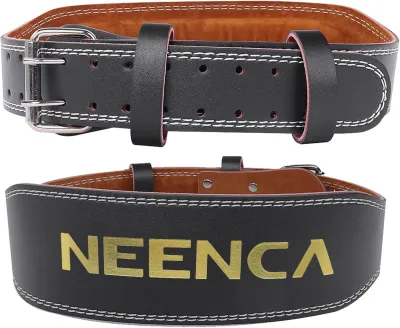
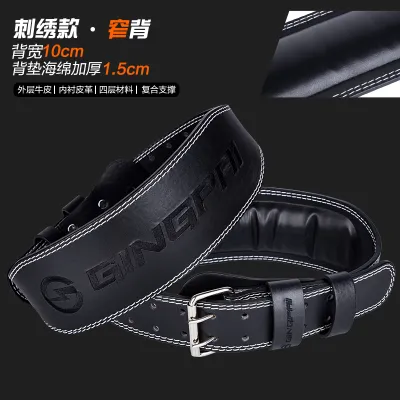
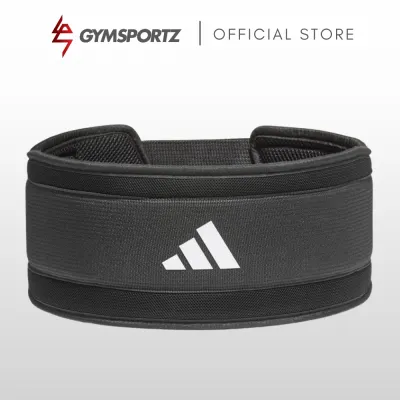
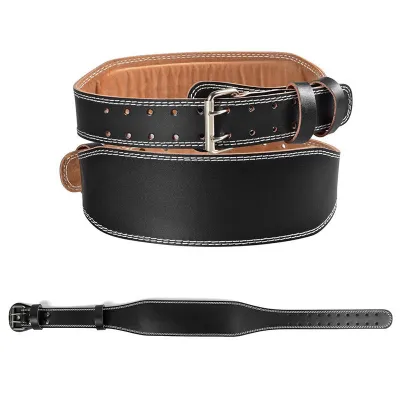
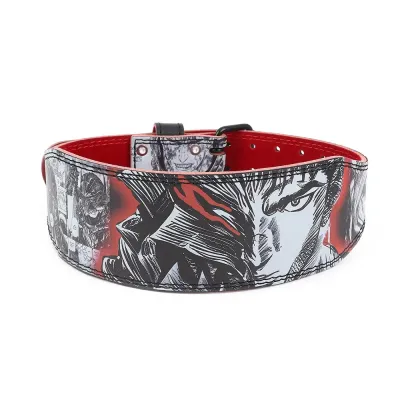
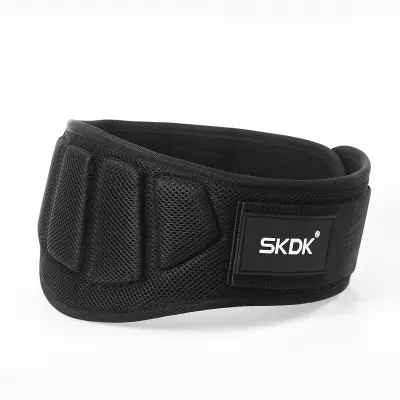
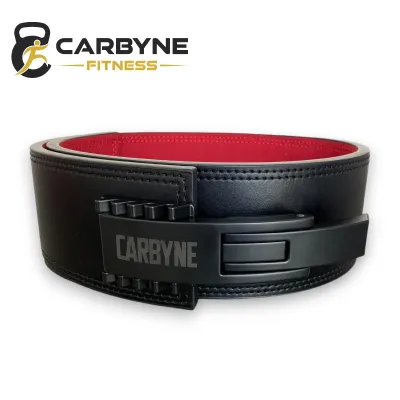
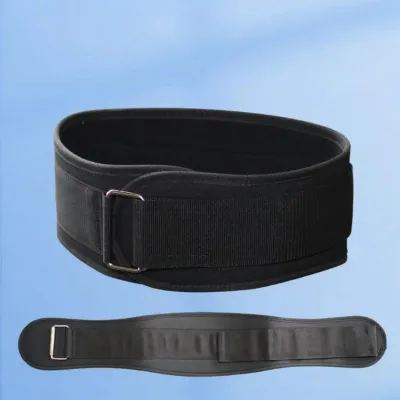
Prices are valid at publication and may change. Please refer to the product page for the latest price.
When you take a deep breath and brace your midsection, the belt resists this expansion, which significantly increases intra-abdominal pressure. This internal pressure acts like an inflatable balloon inside your abdominal cavity, stabilizing your spine from the inside out. Because the belt requires active muscle engagement to function, it actually encourages your core to contract harder rather than allowing it to relax.
Signs Your Home Routine Requires a Belt
Not every home workout setup or routine demands this level of external stabilization. If your training primarily consists of bodyweight movements, dumbbell exercises, or light resistance band work, a belt offers virtually no benefit. However, if you have invested in a barbell setup or heavy adjustable dumbbells and regularly perform heavy compound lifts like squats, deadlifts, and overhead presses, a belt becomes highly relevant.

As you progress to lifting heavier loads—typically around 80% or more of your one-rep maximum—the demand on your spinal stabilizers increases exponentially. If you find that your target muscles, such as your legs during a squat, have more strength to give but your set ends because your lower back feels fatigued or unstable, this core stabilization plateau is a clear indicator that a belt could help you safely progress.
Using a belt during these heavy sets can help you maintain proper positioning under load. However, equipment cannot replace training or sound lifting mechanics. If your technique breaks down under heavy weight, a belt will not prevent injury, and you should reduce the load immediately.
When You Should Train Without a Belt
Conversely, there are many scenarios where training without a belt is highly beneficial for your long-term athletic development. For beginners who are still mastering basic movement patterns and building baseline strength, relying on a belt too early can hinder the development of natural bracing habits. You must learn to engage your core independently before introducing external support.
Even for experienced lifters, light to moderate loads and high-repetition hypertrophy sets are best performed unbelted. This ensures your deep core stabilizers continue to adapt and grow stronger alongside your primary lifting muscles. Training unbelted during these phases builds a more resilient foundation.
Isolation exercises, such as bicep curls, tricep extensions, or lateral raises, do not place significant axial loading on the spine, making a belt completely redundant. Keeping the belt off during these movements ensures you do not develop an unnecessary psychological dependency on external support. Reserve the belt for when the structural integrity of your midline is the primary limiting factor.
Choosing the Right Belt for a Home Gym Setup
When selecting a belt for a home environment, you must balance performance needs with practical constraints like storage, climate, and maintenance. Traditional leather belts with prong or lever closures offer maximum rigidity and support, making them excellent for dedicated powerlifting style training. However, thick leather belts can be bulky to store in compact living spaces, such as typical Singapore apartments.
Furthermore, leather requires regular cleaning and proper ventilation to prevent mold growth in humid climates. If you choose a leather belt, ensure you have a dry, well-ventilated spot to hang it after sweaty workouts. Lever belts offer quick tension release but require a screwdriver to adjust if your waist size changes slightly due to seasonal training phases.
Nylon belts with velcro closures are much more flexible, lightweight, and easy to roll up and tuck into a small drawer. While nylon does not provide the same extreme rigidity as a thick leather belt, it offers sufficient support for general strength training, functional fitness, and high-rep workouts. Nylon is also highly adjustable, making it a versatile choice if multiple household members share the same home gym equipment.
Safe Usage and Avoiding Over-Reliance
Using a lifting belt safely requires proper positioning and a clear understanding of its limits. The belt should generally sit across your lower back and wrap around your abdominal wall, resting just above your hip bones. You may need to adjust the height slightly depending on your body proportions and the specific exercise you are performing.
It should be tight enough to provide resistance when you brace, but not so tight that you cannot take a full, deep diaphragmatic breath. A belt that is too tight restricts your ability to generate optimal intra-abdominal pressure, defeating its primary purpose. You should be able to slip two fingers flat between the belt and your abdomen before bracing.
To maintain balanced core strength, consider performing your warm-up sets and lighter working sets without the belt, reserving its use only for your heaviest efforts. Always inspect the belt’s buckle, lever, or velcro before lifting to ensure it is secure. If you experience any unusual back pain or discomfort while using a belt, stop training immediately and consult a qualified professional.
Frequently Asked Questions (FAQ)
Will a weight lifting belt help me lift heavier immediately?
A belt does not add raw muscle power or automatically increase your strength. However, by significantly increasing intra-abdominal pressure and spinal stability, it can help you transfer force more efficiently through your body. This improved stability often allows lifters to handle heavier loads with greater confidence and control, provided they already know how to brace properly.
Can I use a weight lifting belt for cardio or high-intensity interval training at home?
No, lifting belts are not designed for cardiovascular or high-intensity interval training (HIIT). These workouts require rapid, deep breathing and a high degree of mobility, both of which are severely restricted by a rigid lifting belt. Wearing a belt during dynamic cardio movements can restrict your lung capacity, cause unnecessary discomfort, and interfere with your natural movement mechanics.
Community discussion
Share your experience or ask a question. Comments are reviewed before publication.