
Whether you need a separate yoga knee protector or simply a thicker yoga mat depends on the specific nature of your joint discomfort and the style of your practice. For general, mild pressure across your entire body during floor poses, upgrading to a denser, slightly thicker mat often provides the comprehensive cushioning you need. However, if you experience sharp, localized pain directly under your kneecaps during kneeling postures, or if you are recovering from a specific joint injury, a dedicated yoga knee protector is usually necessary to isolate and cushion those high-pressure contact points. Balancing stability and comfort is key, as an overly thick mat can compromise your balance during standing poses, while a targeted protector allows you to maintain a firm connection to the floor.
Finding the right balance between joint protection and stability is a common challenge for practitioners of all levels. When your knees ache during a session, it can distract you from your breath and alignment, turning a mindful practice into a test of endurance. Fortunately, understanding how different gear options interact with your body weight and the floor can help you make an informed decision. By evaluating your physical needs and the demands of your favorite yoga styles, you can select a support system that keeps your practice safe, comfortable, and sustainable over the long term.
Assess Your Current Knee Discomfort and Practice Style
To determine the right support system for your practice, start by identifying the exact location and sensation of your knee discomfort. Localized, sharp pressure directly beneath the patella (kneecap) when it contacts the floor suggests a need for targeted cushioning that redistributes weight away from the bone. Conversely, a dull, generalized ache around the entire knee joint during or after practice often points to overall joint fatigue, which may be better addressed by a more supportive foundation. Paying close attention to when and where the discomfort occurs during your sequence will help you pinpoint whether the issue is a localized pressure point or a general lack of shock absorption.
Products mentioned in this guide
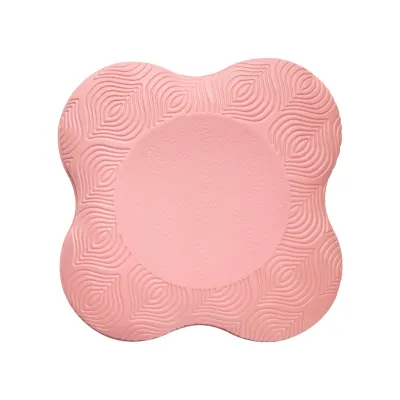
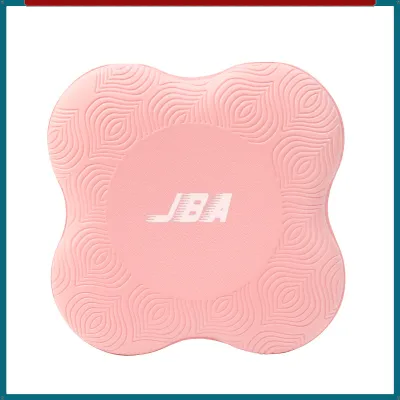
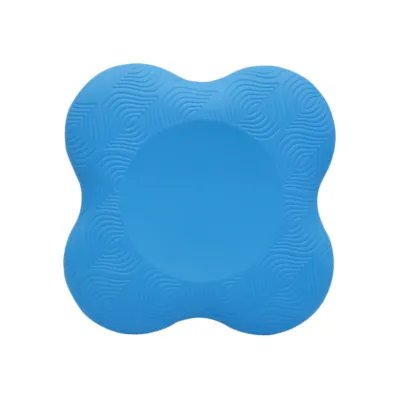
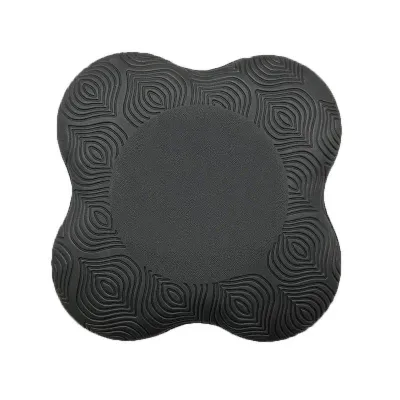
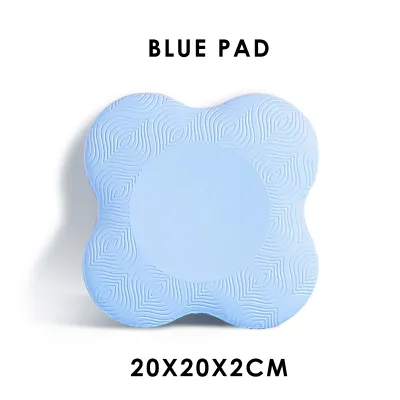
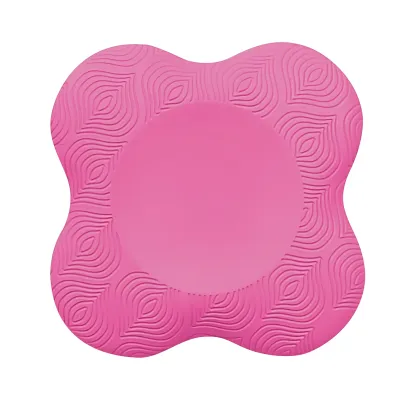
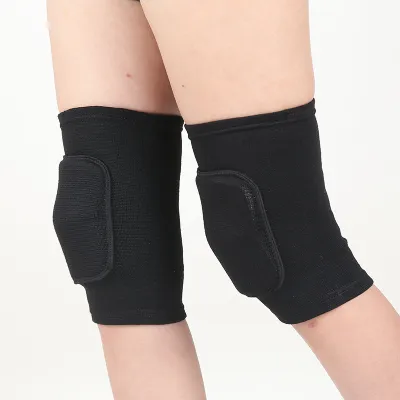
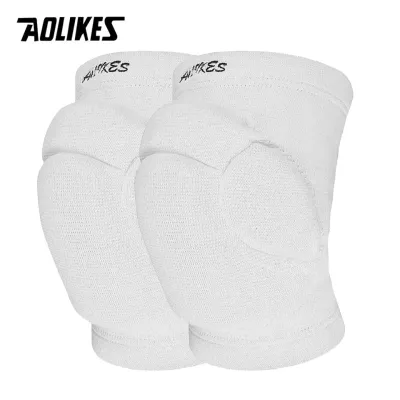
Prices are valid at publication and may change. Please refer to the product page for the latest price.
Next, analyze the specific movements and poses that dominate your practice style. If your routine features frequent kneeling postures, quadruped positions like Tabletop, or deep lunges where one knee remains on the floor for extended periods, your knees endure sustained, concentrated loads. Dynamic transitions in active vinyasa flows can also subject your joints to sudden impacts as you step or jump forward. If you primarily practice restorative or Yin yoga, you may spend several minutes in passive floor shapes that require gentle but continuous support. Each style places distinct physical demands on your lower body, influencing whether you need localized padding or a broader cushioned surface.
Finally, inspect your current yoga mat to see if it is still performing as intended. Over time, standard mats can compress, wear thin, or lose their structural resilience, especially in high-use areas under the hands, feet, and knees. Check the thickness of your mat; standard mats are often around 3 mm to 4 mm thick, which may not offer sufficient protection on hard studio floors. Press your thumb firmly into the mat’s surface to evaluate its density; if you can easily feel the hard floor underneath with minimal pressure, the material has likely degraded or lacks the density required to support your body weight. Additionally, practicing in a warm, humid climate means sweat can accumulate quickly, making a worn-out, slippery mat even more unstable for your joints.
When a Thicker Yoga Mat Is the Better Solution
Upgrading to a thicker, high-quality yoga mat is often the most efficient solution when you require comprehensive joint cushioning across your entire body. A thicker mat benefits not only your knees but also your wrists, elbows, hips, and ankles during floor-based transitions. This overall support is particularly valuable in restorative, Yin, or gentle hatha practices where you remain in contact with the floor for long durations. Additionally, a single, well-cushioned mat simplifies your setup, eliminating the need to carry, position, and adjust multiple loose props during a flowing sequence.

When selecting a supportive mat, it is crucial to understand the difference between thickness and material density. While a thicker mat (typically 6 mm or more) offers more physical separation from the floor, a soft, squishy foam mat can actually compromise your stability during standing balances like Tree Pose or Warrior III. Your feet sink too deeply into soft foam, making it difficult to maintain ankle alignment and balance. To avoid this, look for high-density materials such as natural rubber or dense polyurethane, which provide firm, resilient cushioning that supports your joints without bottoming out or wobbling during standing postures.
However, even a premium, high-density thick mat has its limitations when it comes to extreme pressure points. During poses that place your entire body weight onto a very small contact area, such as Camel Pose (Ustrasana) or Hero Pose (Virasana), a standard thick mat may still fail to disperse the concentrated force away from your patella. If you find that you still experience discomfort in these specific shapes despite using a high-quality, dense mat, relying solely on mat thickness may not be sufficient. In these instances, attempting to solve the problem by choosing an even thicker, softer mat will only degrade your standing balance further.
When a Dedicated Yoga Knee Protector Is Necessary
A dedicated yoga knee protector becomes essential when you have highly sensitive patellae, are navigating injury recovery, or regularly practice poses that place intense, direct pressure on the kneecaps. For individuals with minimal natural cushioning around the joint or those recovering from minor strains, direct contact with a hard floor can make certain poses entirely inaccessible. A specialized protector provides a concentrated barrier that absorbs impact and redistributes pressure away from the sensitive bony areas of the knee. This targeted support allows you to continue practicing safely without aggravating existing joint issues.
Yoga knee protectors generally fall into two categories: wearable knee sleeves and independent cushioning pads. Wearable knee sleeves slide over the leg to provide mild compression, warmth, and joint stabilization, which can help manage general joint tracking and blood flow during movement. However, they offer very little physical cushioning against hard floors. In contrast, pad-style protectors—such as small, circular silicone gel pads or rectangular foam cushions—are placed directly on top of your mat to provide localized thickness and impact absorption exactly where your knee meets the ground.
Using a localized knee protector in combination with a standard-thickness mat (around 4 mm to 5 mm) often offers an excellent balance of stability and comfort. This combination strategy allows you to enjoy a firm, stable foundation across the rest of your mat for standing balances, while providing plush, targeted relief for your knees only when you need it. You can easily slide the pad under your knees during low lunges or kneeling postures, and then set it aside when transitioning to standing sequences. This approach prevents you from having to compromise your entire practice on an overly thick, unstable mat.
How to Decide: Your Joint Support Action Plan
To choose the right equipment path, follow a simple decision framework based on your practice habits and physical needs. If you experience mild, general joint discomfort across multiple areas (like wrists and knees) and enjoy a flowing, dynamic practice, upgrading to a high-density 5 mm or 6 mm mat is typically the most practical first step. If your discomfort is strictly localized to the kneecaps during specific kneeling poses, keeping your current mat and adding a pair of portable silicone or foam knee pads is the most effective solution. For those with severe joint sensitivity or those practicing slow, floor-heavy styles on exceptionally hard floors, combining a dense 5 mm mat with targeted knee pads provides the ultimate level of protection.
Practical factors such as cost, portability, and storage should also guide your decision. A premium, high-density yoga mat is a significant investment and can be heavy and bulky to transport to and from a studio, especially if you commute. In compact apartments, storing a heavy, thick mat can also be less convenient than tucking away a pair of small pads. In contrast, small knee pads or foam blocks are highly portable, lightweight, and can easily fit into a standard gym bag, making them an affordable and convenient add-on if you are satisfied with your current mat’s performance otherwise.
While adjusting your gear can significantly improve comfort, it is vital to recognize when joint discomfort requires professional attention rather than equipment changes. If you experience visible swelling around the joint, sharp or shooting pain, clicking or popping sensations accompanied by sudden instability, or pain that persists long after your practice has ended, stop the activity immediately. These red flags indicate potential structural issues that cannot be resolved by a thicker mat or a knee pad. In such cases, consult a qualified physical therapist or medical professional to receive a proper diagnosis and tailored recovery plan.
Frequently Asked Questions (FAQ)
Can I just fold my current yoga mat for extra knee support?
Folding your current yoga mat is a common, cost-free way to get temporary cushioning, but it comes with distinct safety trade-offs. When you fold a standard mat, you create an uneven, multi-layered surface that can easily slip, bunch up, or slide against itself during dynamic transitions. This instability increases the risk of losing your balance or twisting an ankle if you step onto the folded section. While folding your mat is generally acceptable for brief, static poses where you remain completely still, using a dedicated, non-slip knee pad or a denser mat is much safer for active sequences that involve frequent movement.
Are wearing-style knee sleeves better than pad-style protectors for yoga?
Wearable knee sleeves and pad-style protectors serve entirely different purposes, and choosing between them depends on what your joint requires. Knee sleeves provide compression, warmth, and mild structural support, making them suitable if you experience general joint instability or minor tracking issues during standing movements. However, because they are thin, they do not offer the physical impact absorption needed to protect your kneecaps from a hard floor. For yoga, where the primary source of discomfort is direct pressure against the ground, pad-style protectors are generally much more effective because they provide the localized cushioning and depth required to absorb impact.
Community discussion
Share your experience or ask a question. Comments are reviewed before publication.