
Deciding whether to add an ergokneel mat to your fitness routine comes down to analyzing your specific workout habits, your home environment, and the physical feedback your joints provide. You do not automatically need a specialized kneeling pad simply because you perform floor exercises. If your current yoga mat offers sufficient cushioning, or if your workouts rarely involve direct knee-to-ground contact, an extra accessory might only clutter your workout space. However, if you consistently experience localized pressure pain during floor-based movements, understanding how to evaluate your setup can help you make an informed decision.
In Singapore, many home workouts take place on hard surfaces such as ceramic tiles or thin vinyl flooring common in HDB flats. These unforgiving surfaces offer zero natural shock absorption, meaning any lack of padding in your fitness gear is felt directly by your joints. Before purchasing new equipment, it is highly beneficial to assess your current setup, understand the functional limits of specialized padding, and explore alternative adjustments to ensure your training remains both comfortable and safe.
Signs Your Current Floor Setup Is Falling Short
Identifying whether your existing exercise surface is inadequate starts with paying close attention to how your body feels during and after your workout. Localized discomfort, sharp pressure points, or minor bruising on the kneecaps after performing lunges, kneeling core exercises, or deep stretches are clear indicators that your current padding is insufficient. When you place your body weight onto a single knee during a movement like a half-kneeling shoulder press, the force is concentrated over a very small surface area, making adequate protection essential.
Products mentioned in this guide
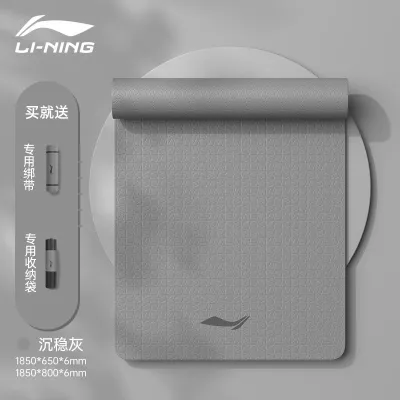
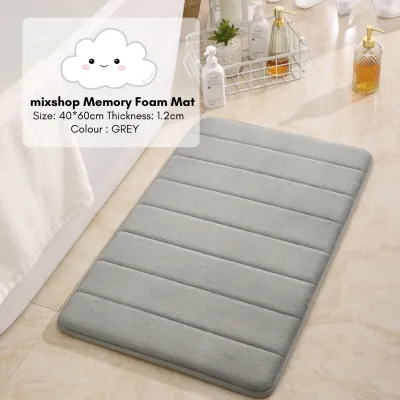
Prices are valid at publication and may change. Please refer to the product page for the latest price.
Another common issue is the bottoming-out effect, which occurs when an exercise mat is too soft or too thin to support your weight. You can test this by pressing your knee firmly into your current mat; if you can feel the hard floor underneath, the material is fully compressing and failing to distribute the load. Over time, cheap or heavily used yoga mats and interlocking puzzle mats lose their structural integrity, showing visible wear patterns, permanent indentations, or a loss of elasticity that compromises their protective qualities.
Inadequate padding does not just cause discomfort; it can also introduce instability into your movements. When a mat is excessively thick but lacks density, your foot or knee sinks too deeply, causing your ankles and joints to wobble as they struggle to find a stable base. This instability can compromise your balance during complex movements, leading to poor form and potential joint strain. A proper floor setup must balance cushioning with firmness to keep your joints aligned and stable.
What an Ergonomic Kneeling Mat Can and Cannot Do
An ergonomic kneeling mat, often made from high-density foam, is specifically engineered to address the limitations of standard exercise mats by distributing concentrated pressure away from sensitive joint areas. Unlike standard mats that prioritize a large surface area for standing or lying down, a dedicated kneeling pad focuses entirely on localized load-bearing support. The high-density composition resists complete compression, ensuring that even under significant body weight, a protective barrier remains between your joint and the hard floor.

When shopping for a kneeling pad, it is crucial to verify the material density and thickness specifications on the manufacturer’s label rather than relying on vague marketing claims of ultimate comfort. High-quality pads typically utilize closed-cell foam, such as ethylene-vinyl acetate (EVA) or nitrile butadiene rubber (NBR), which provides excellent resilience and does not absorb moisture. Checking these specifications ensures you select a product that can withstand repeated use without flattening out over time.
However, it is equally important to recognize what an ergokneel mat cannot do. A kneeling pad is a comfort accessory, not a medical device or a cure for underlying joint issues. It cannot correct poor biomechanics, compensate for weak stabilizing muscles, or prevent injuries that result from improper exercise technique. If your knee pain is caused by joint inflammation, ligament strain, or patellar tracking issues, adding a foam pad will not resolve the root cause of the discomfort.
Scenarios Where You Can Skip the Ergokneel Mat
Before investing in a dedicated kneeling pad, consider whether your current routine actually justifies the purchase. If you already own a high-quality, thick yoga mat, you may find that simply folding the mat over once or twice provides more than enough cushioning for occasional kneeling movements. For many fitness enthusiasts, a strategically placed bath towel or a small household cushion can serve as an excellent, cost-free alternative for the few minutes of kneeling required in a typical stretching routine.
You can also skip the specialized mat if your knee discomfort is not actually caused by direct ground impact. If you experience aching or sharp pain during standing squats, lunges, or jumping exercises, the issue is likely related to joint tracking, muscle imbalances, or training volume rather than floor hardness. In these cases, placing a soft pad under your feet during standing movements can actually increase instability and worsen your symptoms, making a kneeling mat entirely counterproductive.
Additionally, evaluate the actual composition of your weekly workouts. If your training program consists primarily of standing strength work, seated machine exercises, or cardiovascular activities like running and cycling, your floor contact time is likely minimal. Purchasing a specialized accessory that only gets used for a few seconds of a workout is rarely practical, especially if you prefer to keep your gym bag light and your home workout area free of unnecessary clutter.
Key Checks for Choosing the Right Kneeling Pad
If you have evaluated your routine and decided that a dedicated kneeling pad is a worthwhile addition, performing a few key checks will ensure you choose a practical and durable model. First, match the mat’s physical dimensions and weight to your specific storage and portability needs. If you frequently travel to local commercial gyms, community fitness corners, or outdoor parks, a compact pad with an integrated carrying handle or a lightweight design is essential for easy transport in a standard backpack.
Next, examine the manufacturer’s product label for material composition and weight capacity limits. Opt for closed-cell foam materials, which are highly durable and resistant to water absorption—a critical factor in warm and humid climates where sweat can quickly degrade low-quality open-cell foams. Ensure the product instructions specify that the foam can support your body weight without bottoming out during high-impact or heavy-load exercises.
Finally, evaluate the surface texture of both sides of the pad to ensure adequate grip and safety. The bottom surface should feature a non-slip pattern that holds firmly on smooth studio floors, polished tiles, or laminate wood without sliding during dynamic movements. Simultaneously, the top surface should provide enough traction to prevent your knees or hands from slipping when you sweat, ensuring you can maintain proper alignment and focus entirely on your exercise form.
Alternative Adjustments for Knee Comfort During Workouts
If you decide against purchasing a kneeling mat, or while you are waiting to acquire one, there are several highly effective routine modifications you can implement immediately. For instance, you can modify exercises to eliminate kneeling altogether. Instead of performing traditional kneeling lunges, try standing reverse lunges where your back knee remains elevated off the ground, or utilize a sturdy bench for step-ups to target the same muscle groups without any direct joint pressure.
You can also utilize temporary, household padding solutions to test your comfort levels and determine exactly how much cushioning your joints require. A folded microfibre towel, a small gardening pad, or even a thick foam block can help you identify whether your discomfort is purely pressure-related. If these temporary solutions completely resolve your discomfort, a high-density kneeling pad is likely to be a highly effective long-term investment for your home gym.
However, it is vital to recognize the red flags that indicate your discomfort requires professional attention rather than a gear upgrade. If you experience sharp, shooting pain, localized swelling, joint clicking, or a feeling of instability that persists even when using heavy padding, you must stop the exercise immediately. These symptoms often point to underlying structural issues or joint inflammation that require a comprehensive assessment from a qualified physiotherapist or medical professional.
Frequently Asked Questions (FAQ)
Will an ergokneel mat stop my knees from hurting during squats?
No, a kneeling mat will not prevent knee pain during standing squats. Kneeling mats are specifically designed to cushion direct knee-to-floor contact during floor exercises, not to support your feet during standing movements. Standing on a thick, compressible foam pad while performing squats can compromise your ankle stability, alter your natural biomechanics, and actually increase the risk of joint strain. For standing exercises, focus on maintaining proper form, wearing supportive footwear, and training on a firm, level surface.
How should I clean a high-density foam kneeling mat?
To clean a high-density foam kneeling mat, always begin by checking the manufacturer’s care label for specific instructions and chemical restrictions. For general maintenance, wipe the surface down after each workout using a soft cloth dampened with a mixture of mild dish soap and warm water. Avoid using harsh chemical cleaners, bleach, or abrasive scrubbing pads, as these can degrade the foam’s structure and ruin the non-slip texture. Allow the mat to air dry completely in a well-ventilated indoor area away from direct sunlight and high heat to prevent warping or material breakdown.
Community discussion
Share your experience or ask a question. Comments are reviewed before publication.