
You do not strictly need workout gloves for a resistance band set, but they can significantly improve comfort and grip security depending on your training style, band material, and skin sensitivity. For many fitness enthusiasts, training with bare hands offers the most direct tactile feedback, allowing you to monitor the tension of the band and adjust your grip dynamically. However, as you progress to higher resistance levels or perform high-repetition workouts, the friction between rubber and skin can lead to discomfort, making hand protection a valuable addition to your home gym setup.
In warm and humid climates, sweat can quickly accumulate on your palms during a home workout in an apartment or a local outdoor park. This moisture can make rubber or latex bands slippery, which compromises your control and safety. Deciding whether to wear gloves involves balancing the natural feel of bare-hand training against the protective benefits of a physical barrier. By evaluating your specific workout routine, you can make an informed choice that keeps your training consistent and pain-free.
Signs You Can Train Without Gloves
Many fitness enthusiasts find that they can comfortably complete their entire resistance band routine without ever reaching for a pair of gloves. If your resistance band set features fabric-covered bands rather than raw latex or rubber, the soft outer sleeve naturally acts as a protective barrier. Fabric bands slide smoothly against your skin, eliminating the sharp pinching and pulling sensations that often occur when rubber stretches directly across your palms. High-quality, smooth latex bands can also be used bare-handed if they are kept clean and free of sticky residues.
Products mentioned in this guide
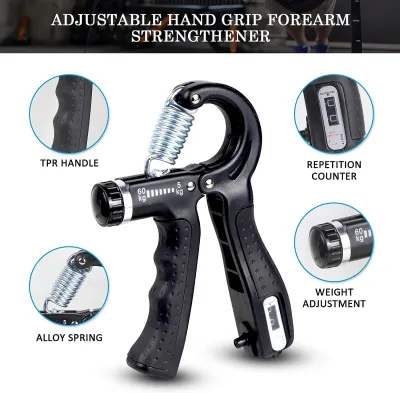

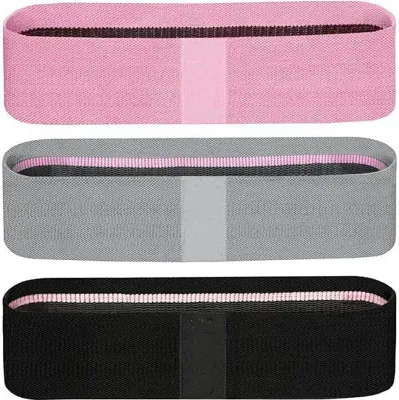
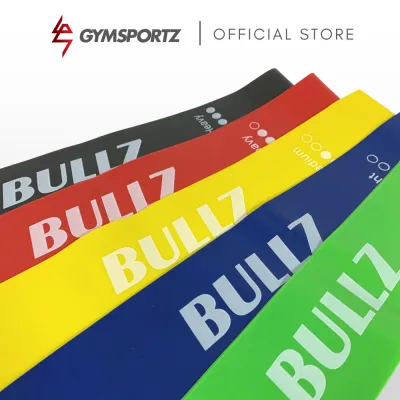
![[FAST DISPATCH] Resistance Band / Mini Band / Yoga Band / Exercise Band / Resistance Band Set](https://img.lazcdn.com/g/p/6a15b95a59e51bb49b2d0b5f23e8e2ec.jpg_400x400q80.jpg_.webp)
![[SG] Long Resistance Power Band Sports Fitness Recovery Warm-Up Muscle Strength Pull Up Gym Set Yoga](https://img.lazcdn.com/g/p/0d51247c5837d76f804c1a8bd49f0ce4.png_400x400q80.png_.webp)
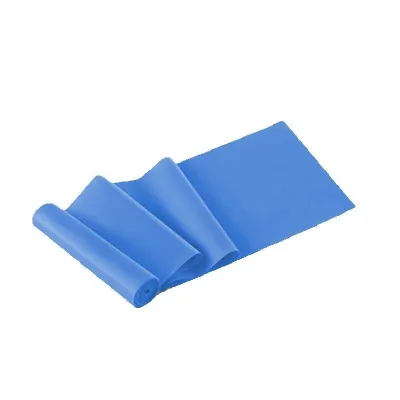
Prices are valid at publication and may change. Please refer to the product page for the latest price.
Your training intensity and resistance levels also play a major role in determining whether gloves are unnecessary. When you are performing low-to-moderate resistance exercises, such as high-repetition endurance movements or mobility drills, the tension on your hands remains relatively low. Under these conditions, your grip strength is rarely the limiting factor, and the friction generated is not intense enough to cause skin irritation. This allows you to maintain a relaxed grip and focus entirely on the mind-muscle connection.
The current condition of your hands is another clear indicator that you can safely skip the gloves. If your palms are healthy, free of existing blisters, hot spots, or torn calluses, your skin can easily handle the mild friction of standard band exercises. In fact, exposing your hands to moderate friction can help build a natural tolerance over time, making your skin more resilient for future workouts.
Additionally, the specific exercises in your routine dictate your need for hand protection. Many resistance band movements do not require a tight, closed-fist grip on the band itself. For example, exercises that rely on open-hand pushes, such as chest presses where the band rests across the back of your shoulders and palms, generate minimal friction. Similarly, routines that involve looping the bands around your wrists, ankles, or thighs for lower-body work bypass the hands entirely, making workout gloves completely redundant.
When Workout Gloves Become Necessary
While bare-hand training is excellent for lighter workouts, certain conditions and exercises make workout gloves highly beneficial, if not essential. High-tension pulling exercises are the primary catalyst for hand discomfort. When you perform heavy simulated deadlifts, bent-over rows, or lat pulldowns, the band must be gripped tightly to prevent it from snapping back. Under heavy loads, the rubber folds and pinches the skin of your palms and fingers, creating intense pressure points that can quickly become painful and disrupt your form.

Environmental factors, particularly humidity and sweat, further complicate grip security. During dynamic or explosive movements like band thrusters or woodchops, even a small amount of moisture on your hands can cause the band to slip. This slippage not only ruins your exercise rhythm but also poses a safety risk if the band slips out of your hands mid-repetition. Wearing gloves with a textured palm provides the necessary friction to keep the band securely in place, even during intense, sweat-inducing sessions in a non-air-conditioned room.
If you train consistently throughout the week, the repetitive friction can take a toll on your skin. The development of painful blisters, friction burns, or torn calluses is a clear signal from your body that your hands need a protective barrier. Continuing to train through these minor injuries can lead to deeper tears, which can force you to take unplanned rest days and stall your fitness progress. Gloves allow you to continue training consistently while your skin heals underneath.
The age and condition of your resistance band set also influence skin comfort. Over time, exposure to air, sweat, and sunlight can cause rubber and latex bands to degrade. This degradation often manifests as a sticky, tacky texture or a rough, chalky surface. When these degraded bands rub against your bare skin, they generate significantly more friction than new, smooth bands, increasing the likelihood of skin irritation and allergic reactions to the rubber compounds.
How to Choose the Right Gloves for Resistance Band Training
Selecting the right gloves for resistance band training requires a different approach than choosing gloves for heavy weightlifting. The most critical factor is balancing palm padding thickness with tactile feedback. While thick, heavily padded gloves are excellent for cushioning your hands against iron barbells, they can make it difficult to feel the thin, elastic bands. For resistance training, look for gloves with moderate or minimalist padding. This ensures your skin is protected from pinching while allowing you to maintain a precise feel for the band’s tension and alignment.
Material choice is equally important, especially if you train in warm, humid conditions. Prioritize gloves made from breathable, moisture-wicking fabrics like mesh or lightweight synthetic blends. These materials help channel sweat away from your palms, preventing the inside of the gloves from becoming slick and unstable. A breathable glove also dries quickly between workouts, reducing the buildup of odor-causing bacteria.
You should also evaluate the glove’s closure system to match your personal comfort and training style. Minimalist slip-on designs offer a lightweight, low-profile feel that is easy to put on and take off, making them ideal for quick home workouts. On the other hand, gloves with secure hook-and-loop wrist straps provide additional wrist support and a locked-in fit, which can be beneficial if you are incorporating heavier band tensions or combining bands with dumbbells.
Finally, examine the grip texture on the palm of the gloves. The grip material should be versatile enough to adhere well to both smooth rubber and textured fabric band surfaces. Look for silicone patterns or textured synthetic leather on the palms and fingers. This specialized grip surface prevents the band from rolling or sliding across your hand, ensuring that the tension remains evenly distributed throughout each repetition.
Alternatives to Traditional Workout Gloves
If you prefer the freedom of bare-hand training but still need occasional protection, several practical alternatives can bridge the gap. Athletic tape is a highly customizable option for targeting specific friction points. By wrapping a small strip of tape around the base of your fingers or across a developing hot spot, you can protect vulnerable areas from friction burns while keeping the rest of your hand completely free. This method preserves your natural grip feel and finger mobility without the bulk of a full glove.
Another excellent alternative is the use of lifting grips or minimalist palm protectors. These accessories typically consist of a simple leather or synthetic flap that covers the palm, secured by a wrist strap. They are exceptionally easy to slip on for heavy pulling movements, such as band deadlifts, and can be quickly flipped out of the way for lighter exercises. This modular approach gives you protection exactly when you need it, without making your hands feel overly warm or restricted.
Some fitness enthusiasts consider using liquid chalk or grip-enhancing lotions to combat sweaty palms. While these products are highly effective for improving grip on metal barbells, you must check your resistance band manufacturer’s care labels before applying them. The chemical drying agents in liquid chalk, such as alcohol, can dry out natural latex and rubber, causing the bands to become brittle, crack, and eventually snap. If you choose to use chalk, ensure it is compatible with your equipment, or stick to dry, non-chemical grip alternatives to preserve the lifespan of your bands.
Frequently Asked Questions (FAQ)
Can resistance bands cause calluses on your hands?
Yes, resistance bands can cause calluses over time. Although rubber is softer than metal, the repetitive pinching, folding, and rubbing of raw latex against your palms creates localized friction. In response, your body thickens the skin to protect the underlying tissue, resulting in calluses. To prevent this, you can adjust your grip position to minimize skin folding, switch to fabric-covered bands, or use handles that clip onto the bands. Adjusting the band’s anchor point can also change the angle of tension, reducing direct friction on your palms.
Do I need wrist wraps when using a resistance band set?
Wrist wraps are not strictly necessary for most resistance band workouts, but they can be highly beneficial during heavy pressing or high-tension pulling movements. These wraps help stabilize the wrist joint, preventing hyperextension when the band’s angle of resistance pulls your hand backward. However, it is important to understand that wrist wraps are designed solely for joint support; they do not cover your palms or fingers. Therefore, wrist wraps cannot replace workout gloves when it comes to reducing skin friction, preventing blisters, or protecting your hands from pinching.
Community discussion
Share your experience or ask a question. Comments are reviewed before publication.