
A golf ball retriever is not a strict necessity for every beginner, but it becomes an invaluable tool if you frequently play on courses lined with water hazards, dense vegetation, or deep roughs where lost balls accumulate quickly. If you find yourself losing multiple balls per round and want to offset the ongoing cost of replacements without constantly bending down or risking safety near water edges, a retriever is a highly practical investment.
Signs You Actually Need a Golf Ball Retriever
Beginners naturally struggle with accuracy, which often leads to golf balls straying far from the fairway. If your typical round involves slicing or hooking balls into lateral water hazards, thick brush, or deep marshy areas, you are a prime candidate for a retriever. Instead of watching a S$4 to S$6 premium ball sink just out of arm’s reach, a telescopic tool allows you to salvage it safely.
The financial math of lost golf balls adds up rapidly for a novice player. If you lose four or five balls during an 18-hole round, you could easily spend more on replacements over a single month than the one-time cost of a durable retriever. Salvaging even a dozen high-quality balls can make the tool pay for itself, turning a recurring expense into a minor, one-time investment.
Products mentioned in this guide
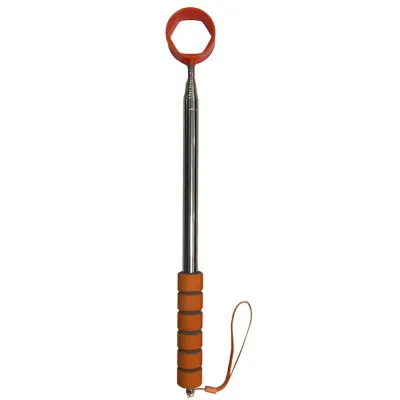
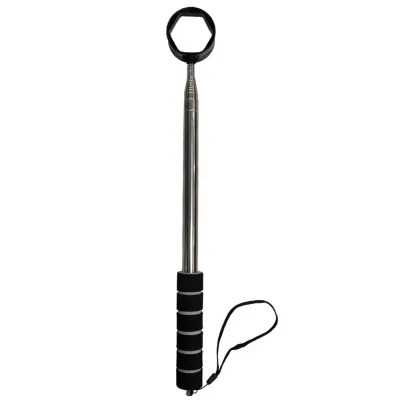
![[SG 🚚] Telescopic Golf Ball Retriever Stainless Extendable Telescopic Golf Ball Picker Claw Sucker Tool Non-Slip Handle Golf Ball Pick](https://img.lazcdn.com/g/p/398c9ac254a19a70a810e3430cfc27ff.jpg_400x400q80.jpg_.webp)
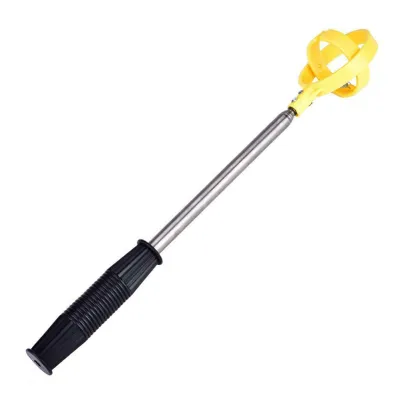
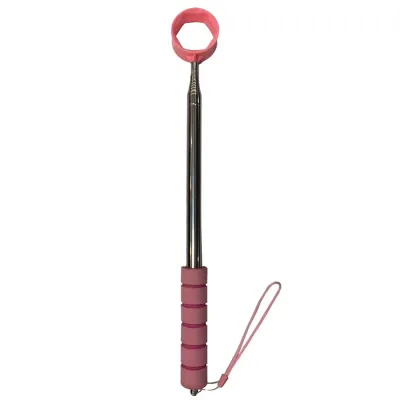
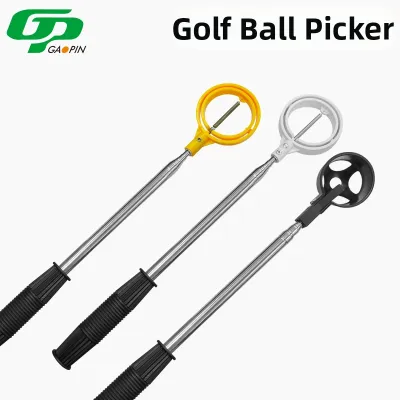
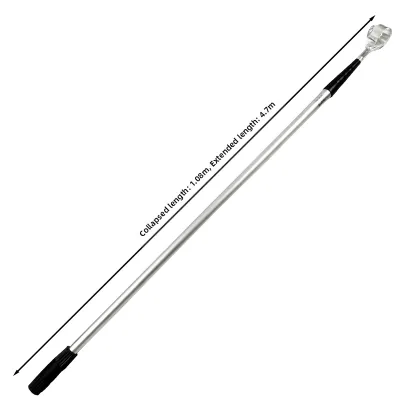
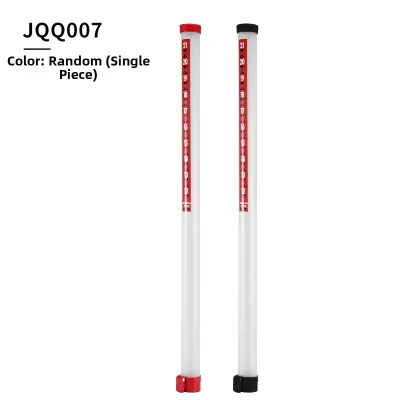
Prices are valid at publication and may change. Please refer to the product page for the latest price.
Physical comfort and safety are equally compelling reasons to carry a retriever. Bending over steep, muddy banks or reaching deep into thorny bushes places unnecessary strain on your lower back and knees. For golfers managing existing mobility issues, joint stiffness, or back pain, a long-reach tool eliminates the need for awkward stretching and bending, keeping the focus entirely on the game.
Scenarios Where You Can Skip the Purchase
Not every golfer’s routine justifies carrying extra hardware in their bag. If you spend the majority of your time practicing on driving ranges or playing on wide, open links-style courses with minimal water hazards and sparse rough, a retriever will simply sit idle. In these environments, balls are either collected automatically by range machinery or are easily retrieved by hand without any specialized equipment.

Your personal philosophy on golf balls also dictates whether this tool is useful. Some players prefer the consistent performance of brand-new balls and refuse to play with salvaged, waterlogged, or scuffed balls. Alternatively, if you buy cheap recycled balls in bulk and view them as highly disposable, the motivation to spend time fishing them out of hazards diminishes significantly.
Weight and space management in your golf bag are additional practical constraints. If you prefer to walk the course and carry your own stand bag, every extra gram matters. Adding a long, metallic telescopic pole contributes to bag clutter, makes it harder to pull clubs out quickly, and increases the physical toll of carrying your gear over 18 holes.
Assessing Your Typical Course Conditions in Singapore
Playing golf in Singapore presents unique environmental factors that directly influence your need for a retriever. Many local courses feature extensive water hazards, drainage canals, and ponds designed to manage heavy tropical rainfall. These water features are often bordered by steep, concrete-lined banks or thick mud, making manual retrieval highly precarious without a long-reach tool.
The tropical climate, characterized by high humidity and consistent warmth, drives incredibly rapid grass growth. Roughs can become exceptionally thick and dense within days, swallowing golf balls that land only a few feet off the fairway. A retriever with a sturdy head can help you gently part the heavy blades of grass or reach into dense undergrowth without having to step directly into potential insect or wildlife habitats.
Before deploying a retriever, you must verify the specific local rules of the club you are playing. Some courses designate certain water hazards as environmentally sensitive or protected zones where players are strictly prohibited from entering or retrieving balls. Additionally, using a long-handled tool near manicured greens or hazard margins must be done discreetly to avoid delaying the pace of play or damaging delicate turf.
Selection Criteria If You Decide to Buy
If you decide to purchase a golf ball retriever, the overall reach of the telescopic pole is your primary consideration. Standard models typically extend from 9 feet to over 18 feet. You should match this length to the typical width and depth of the hazards on your regular courses, keeping in mind that longer poles require more physical strength and control to keep steady when fully extended.
The collapsed length of the tool determines how easily it integrates into your existing setup. A retriever that collapses down to the size of a standard wedge can be slipped directly into a club slot or a side pocket of your golf bag. Look for secure twist-lock or push-button mechanisms that prevent the sections from sliding open unexpectedly while you are walking or riding in a golf cart.
The design of the retrieval head must match the terrain of the hazards you encounter. Simple plastic or rubber suction cups work exceptionally well for grabbing balls visible in clear, shallow water or on flat surfaces. For muddy, sandy, or silt-heavy bottoms, a spring-loaded claw or a stainless steel scoop mechanism is far more effective, as it can trap the ball securely even when you cannot see it clearly through murky water.
Safe Operation and Basic Maintenance
Safety must always come first when operating a long metal or fiberglass pole on the golf course. Because Singapore is prone to sudden, severe lightning storms, you must immediately collapse and store your retriever at the first sign of lightning or when the course siren sounds. Additionally, never attempt to reach for a ball in deep, fast-moving drainage channels or on unstable, slippery slopes where a loss of balance could result in a fall.
Proper post-round maintenance is essential to prevent your telescopic retriever from seizing up or rusting. After retrieving balls from muddy or brackish water, fully extend the pole at home and rinse it thoroughly with clean, fresh water. Wipe down each section with a dry cloth and allow it to air-dry completely before collapsing it, which protects the internal locking joints from corrosion.
Regularly inspect the structural integrity of your retriever to ensure it remains safe and functional. Check that the locking mechanisms on each telescopic section hold firmly under pressure so the pole does not collapse unexpectedly during use. Ensure the retrieval head attachment is tightly screwed or bonded to the tip of the pole, preventing the head from detaching and becoming lost in the depths of a hazard.
Frequently Asked Questions (FAQ)
Can a golf ball retriever damage the golf ball cover?
Most modern retrievers are designed with smooth plastic, rubber, or rounded stainless steel components to minimize the risk of surface damage. Suction cup designs and soft plastic scoops are highly gentle on the ball’s outer cover. However, sharp metal claws or spring-loaded wire traps can occasionally leave minor scuffs or scratches if forced against the ball too aggressively. Always inspect a retrieved ball for deep gouges or cover damage before putting it back into play, as surface imperfections can alter its aerodynamic flight.
Are golf ball retrievers allowed during official tournaments?
Under the official Rules of Golf, carrying a golf ball retriever in your bag is entirely legal, and it does not count toward your 14-club limit. However, using the retriever during a round to search for or recover a ball must not unreasonably delay play, which is a punishable infraction under Rule 5.6. Furthermore, specific tournament committees or local club rules may restrict their use in designated environmental zones, so it is always wise to check the local competition guidelines before teeing off in a sanctioned event.
Community discussion
Share your experience or ask a question. Comments are reviewed before publication.