
Whether you need a paddle guard for your kayak or stand-up paddleboard (SUP) depends on three factors: where you paddle, your paddle’s material, and your skill level. If you frequently navigate shallow, rocky shorelines, coral reefs, or tidal zones where your blade constantly scrapes the bottom, a paddle guard is a highly effective way to prevent costly structural damage. Conversely, if you stick to deep, open waters or use a durable, inexpensive plastic paddle, the added weight and drag of an edge guard may actually hinder your performance without providing any meaningful benefit.
A paddle guard serves as a sacrificial barrier, absorbing the brunt of impacts that would otherwise chip, crack, or delaminate your blade. Before purchasing one, it is essential to weigh the protective benefits against the slight changes in weight and stroke efficiency. By evaluating your equipment and typical paddling environment, you can make an informed decision on whether this accessory is a necessary safeguard or an unnecessary encumbrance.
Understanding Paddle Guards and Their Purpose
A paddle guard is a protective strip applied directly to the outer edge and tip of a kayak or stand-up paddleboard (SUP) blade. Typically constructed from flexible rubber, thermoplastic polyurethane (TPU), or specialized heavy-duty adhesive tape, it shields the most vulnerable part of the paddle from accidental strikes against hard surfaces.
Products mentioned in this guide
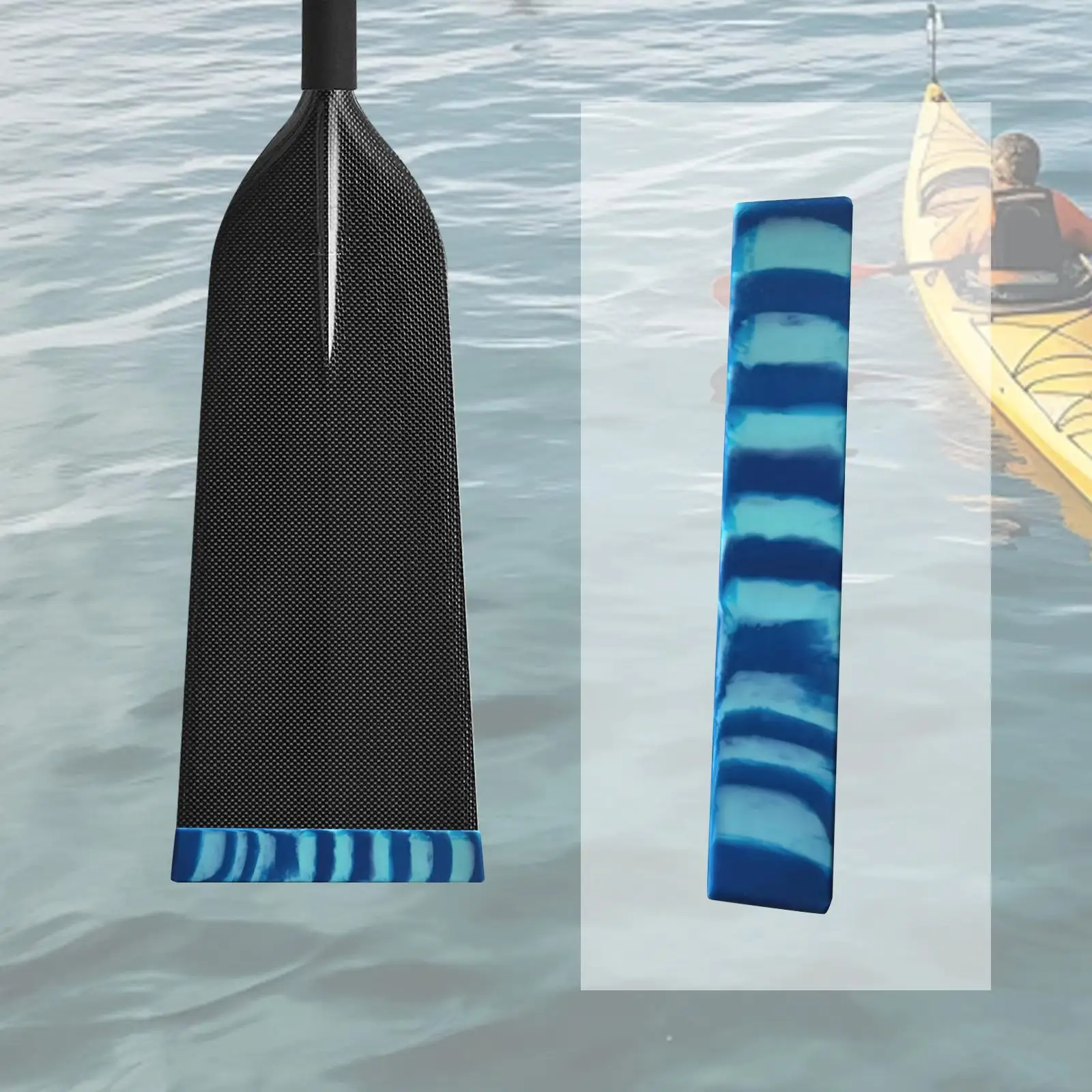
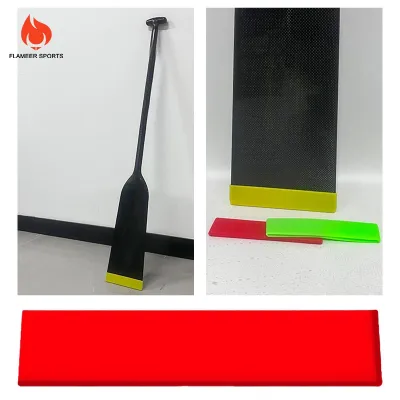
Prices are valid at publication and may change. Please refer to the product page for the latest price.
The primary function of this guard is to absorb impact energy and resist abrasion. When you paddle near concrete boat ramps, rocky shores, or shallow sandbars, your blade is highly susceptible to scraping. Over time, this friction wears down the blade’s profile, leading to micro-cracks or water infiltration. A guard takes the brunt of this wear, preserving the structural integrity of the underlying blade material.
It is important not to confuse a paddle guard with a paddle leash. A paddle leash is a safety strap that anchors your paddle shaft to your kayak or wrist, ensuring you do not lose your equipment if you capsize. A paddle guard, on the other hand, is purely a physical shield for the blade edge itself and does not assist in equipment retention.
Signs You Actually Need a Paddle Guard
Determining whether you need an edge guard requires evaluating your typical environment, paddling style, and equipment condition.

Water Conditions and Environment Your paddling routes are the strongest indicator of your need for blade protection. Shallow coastal waters, rocky riverbeds, or tidal zones with submerged debris introduce constant hazards. For instance, launching from rocky shorelines or paddling near shallow coral reefs—such as those around Singapore’s Southern Islands—presents a high risk of sudden blade strikes. Tidal shifts can quickly turn a deep channel into a shallow sandbar where your blade grinds against abrasive sediment. If your local waterways have these unpredictable depths and hard obstacles, a guard is highly recommended.
Paddling Style and Skill Level Experience level and paddling style also dictate how much abuse your blade takes. Beginners still mastering stroke mechanics often struggle with blade placement, frequently striking the kayak’s plastic hull or pushing off the seabed to regain balance. Whitewater kayakers and active surf-paddlers also operate in high-energy environments where quick, reactive strokes are required. In these fast-moving scenarios, avoiding submerged rocks is difficult, making a durable bumper essential for absorbing high-velocity impacts. However, remember that protective equipment cannot replace proper training, water safety awareness, and sound paddling judgment.
Equipment Type and Blade Material Blade material dictates vulnerability to impact. Premium carbon fiber, aramid, or lightweight fiberglass composite paddles are engineered for stiffness and minimal weight, but they are relatively brittle. A single hard strike against a concrete dock or submerged rock can cause carbon layers to delaminate or chip, allowing water to seep into the core. Because replacing a high-end paddle can cost upwards of S$400 to S$700, a modest investment in a guard is a smart way to safeguard your gear.
Observable Damage A physical inspection of your paddle will tell you if action is needed. Examine the outer perimeter under direct light, running your fingers along the edges to feel for rough spots, deep scratches, micro-cracks, or small chips. If the outer gel coat or resin layer has worn away, exposing raw fibers beneath, your blade is already compromised. Applying a guard after repairing minor damage can halt further deterioration and extend the paddle’s lifespan.
When You Can Safely Skip the Paddle Guard
While paddle guards offer excellent protection, they are not a universal necessity. In many scenarios, adding a guard can introduce unnecessary weight and degrade your paddling experience without offering any practical benefit.
Deep, Open Water If your paddling activities are confined to deep lakes, open bays, or deep-water ocean routes, the risk of striking a hard object is virtually zero. When you are paddling in water that is several meters deep, your blade will only ever make contact with water. In these environments, there are no shallow rocks, reef flats, or concrete walls to scrape against, making an edge guard completely redundant.
Recreational and Casual Use For casual paddlers enjoying flatwater recreation, the likelihood of damaging a paddle is minimal. If your typical outing is a leisurely paddle around a sheltered reservoir or calm lagoon, your equipment is under very little stress. The natural durability of your paddle is more than sufficient to handle the occasional gentle touch against a sandy bottom.
Durable or Inexpensive Blades Not all paddle materials require delicate handling. Entry-level blades made from heavy-duty molded plastic, nylon, or fiberglass-reinforced nylon are highly resilient and flexible. While they get scuffed over time, they do not suffer from the catastrophic delamination risks of carbon fiber. These rugged blades withstand years of scraping against gravel and concrete without losing structural integrity. Because these paddles are inexpensive to replace, buying a guard is rarely cost-effective.
Performance Priorities For competitive racers, fitness paddlers, and touring enthusiasts, stroke efficiency is paramount. Every gram added to the tip increases swing weight—the perceived weight as you swing the paddle through the air. Over thousands of strokes, even a tiny increase can lead to shoulder and wrist fatigue. Additionally, a bulky guard alters the blade’s hydrodynamic profile, causing micro-turbulence or fluttering. If your goal is maximum speed and efficiency, avoid bulky guards unless conditions strictly demand them.
How to Choose the Right Paddle Guard for Your Setup
If you have determined that your paddling environment and equipment require extra protection, selecting the right guard involves evaluating material properties, compatibility, and installation methods. A poorly chosen guard can slip off mid-stroke or permanently ruin the finish of your paddle.
Material Durability Paddle guards are generally made from thermoplastic polyurethane (TPU), silicone rubber, or reinforced plastics. TPU is favored for its abrasion resistance and flexibility, conforming easily to curved edges while absorbing impacts. Silicone rubber is softer and cushions direct impacts well, but wears down faster when dragged across concrete or coarse sand. Choose softer rubber for high-impact protection against rocks, and harder TPU or plastic for continuous abrasion resistance against sand and gravel.
Blade Compatibility and Fit Paddles come in various shapes, including teardrop, rectangular, and asymmetrical dihedral profiles. Before buying, verify compatibility with your blade shape and thickness. A guard designed for a thick plastic kayak paddle will not fit a razor-thin carbon SUP blade. Check the manufacturer’s specifications for the edge thickness the guard can accommodate. A loose guard traps water and grit, which acts like sandpaper and erodes your blade edge over time.
Installation Method The attachment method is critical for performance and preservation. Most guards use marine-grade adhesive, while others rely on friction fit or mechanical clamping. Adhesive-backed guards require meticulous surface preparation: clean the edge with isopropyl alcohol to remove dirt, salt, and oils before application. Note that some adhesives degrade under extreme heat or UV radiation, leaving sticky residue upon removal. Before applying any adhesive-backed guard, first check the guard product’s label and your paddle manufacturer’s instructions. If instructions conflict, the paddle’s material is unidentified, or this modification is not covered by the warranty, stop and consult the manufacturer or a qualified professional.
Weight and Profile Impact Consider the guard’s weight and physical dimensions. A lightweight, low-profile guard that tapers smoothly into the blade minimizes water resistance. If a guard is too thick, it will create a noticeable splash and drag upon water entry, disrupting your rhythm and straining your joints during long-distance excursions.
Effective Alternatives to Traditional Paddle Guards
If you want to protect your investment but are hesitant to commit to a bulky, permanent rubber guard, there are several highly effective alternatives that offer a middle ground between protection and performance.
Paddle Edge Tape One of the most popular alternatives among experienced paddlers is specialized paddle edge tape, often referred to as helicopter tape or marine-grade polyurethane tape. This thin, transparent, and incredibly tough tape adheres tightly to the blade edge. Because it is extremely thin, it adds virtually zero weight and does not alter the blade’s hydrodynamic profile, preserving your stroke efficiency. While it does not offer the heavy impact cushioning of a thick rubber bumper, it provides outstanding protection against scratches and minor chips.
Technique Adjustment Often, the best way to protect your gear is to refine your paddling technique. Many blade strikes occur due to improper stroke mechanics or careless launching habits. Focus on keeping your blade fully submerged during the power phase of your stroke, and avoid shallow, sweeping motions near the riverbed or shoreline. When launching or landing, resist the temptation to use your paddle as a crutch to push off from rocks or concrete ramps. Instead, step out of your kayak or off your SUP into shallow water to float the craft before boarding.
Upgrading to a Beater Paddle If you own a premium carbon fiber paddle that you love using in deep water, but you occasionally find yourself exploring shallow, rocky creeks, consider purchasing a secondary “beater” paddle. A cheap, rugged aluminum or plastic-bladed paddle can be used for high-risk outings where damage is likely. This allows you to keep your high-performance paddle in pristine condition for open-water excursions without compromising your safety or enjoyment in challenging environments.
Frequently Asked Questions (FAQ)
Will a paddle guard affect my paddling speed or stroke efficiency?
Yes, a paddle guard can have a minor impact on your speed and stroke efficiency, though the extent depends on your paddling style. Because a guard adds physical bulk to the edge of the blade, it alters the blade’s hydrodynamic profile, which can cause slight turbulence, dragging, or fluttering during water entry and exit. Additionally, the added weight at the end of the shaft increases the swing weight of the paddle. While recreational paddlers are unlikely to notice a significant difference, competitive racers and long-distance touring paddlers will find the increased physical effort and reduced efficiency noticeable over long distances.
Can I install a paddle guard on a wooden kayak paddle?
Before installing a paddle guard on a wooden paddle, you must consult the paddle manufacturer’s care guidelines. Standard adhesive-backed guards can trap moisture underneath the rubber strip if the adhesive seal fails. On a wooden paddle, trapped moisture can penetrate the wood grain, leading to rot, discoloration, and structural soft spots. Furthermore, removing a strong adhesive guard can tear away the protective varnish or epoxy finish of the wood. For wooden paddles, it is generally safer to apply a marine-grade epoxy coating or a fiberglass tip reinforcement rather than using a stick-on rubber guard. If instructions conflict or are unavailable, stop and consult a professional woodworker or the paddle manufacturer.
Community discussion
Share your experience or ask a question. Comments are reviewed before publication.