
Evaluating how a Dodge water bottle compares to other sports bottles in insulation performance comes down to verifying construction standards, lid designs, and material quality rather than relying solely on marketing claims. In Singapore’s hot and humid climate, keeping drinks cold during outdoor runs or gym sessions is a priority. To determine which bottle offers the best thermal retention for your specific routine, you must look at physical indicators like double-wall vacuum structures, copper linings, and lid seals. While many brands promise extended cold retention, real-world performance depends heavily on how you use, pre-condition, and maintain the bottle.
How to Verify Insulation Claims on Sports Bottles
When shopping for a sports water bottle, manufacturers often display bold claims about keeping beverages cold for 24 hours or hot for 12 hours. To look past the marketing, you need to understand the physical mechanics of thermal retention. High-performing sports bottles rely on double-wall vacuum insulation. This construction features an inner and outer wall, usually made of food-grade 18/8 stainless steel, with the air evacuated from the space between them. Because a vacuum contains no air molecules, it prevents heat transfer via conduction and convection, keeping the temperature inside stable.
However, the stainless steel body is only part of the equation. The lid is often the weakest link in thermal retention. While the metal body prevents heat from entering through the sides, a poorly insulated plastic lid allows heat to transfer through the top. When evaluating different brands, look closely at the lid’s sealing mechanism. High-quality bottles use thick silicone gaskets to create an airtight seal, and some premium lids feature insulated cores to further block heat transfer.
Products mentioned in this guide
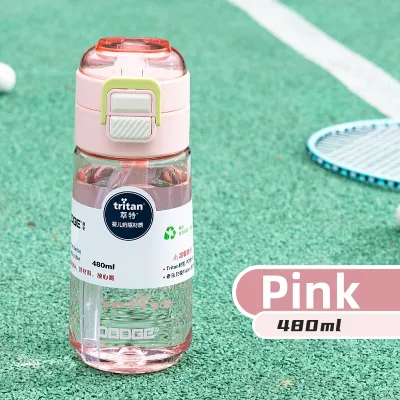
![[SO] DODGE TRITAN BPA FREE Children Kids Water Bottle Leak Proof Impact Resistance with Straw Handle Strap (700ML)](https://img.lazcdn.com/g/p/02520cc4ce47b7d8c15cab7cd840970f.jpg_400x400q80.jpg_.webp)
Prices are valid at publication and may change. Please refer to the product page for the latest price.
To interpret manufacturer specifications accurately, check the testing parameters if they are provided. Standard industry tests often measure temperature retention in a controlled 20°C environment. In Singapore, where outdoor temperatures regularly exceed 30°C with high humidity, actual performance will vary. A bottle rated for 24 hours of cold retention under standard test conditions may only keep your water ice-cold for 12 to 16 hours when exposed to direct tropical sunlight.
What to Check on Your Dodge Water Bottle
If you own or are considering a Dodge water bottle, you can perform a few quick physical checks to evaluate its potential insulation performance. First, inspect the product packaging, base, or user manual to confirm the exact construction type. Ensure it is explicitly labeled as double-wall vacuum insulated. Some entry-level sports bottles feature single-wall stainless steel construction, which is lightweight but offers zero insulation and will cause heavy condensation to form on the outside when filled with cold water.

Next, examine the lid design of your Dodge bottle. These bottles are often paired with different lid styles depending on the model, such as straw lids, flip-top sports caps, or classic screw-on lids. A straw lid offers excellent convenience during high-intensity workouts because you do not have to tilt the bottle to drink. However, the internal straw mechanism and air vents required for suction introduce minor pathways for heat exchange. If your primary goal is maximum thermal retention for a long day outdoors, swapping to a solid, insulated screw cap will yield better results.
Finally, verify the manufacturer’s temperature guidelines and recommended pre-conditioning steps. To get the best possible performance from your bottle, do not simply fill it with tap water and ice. Instead, pre-chill the bottle by filling it with ice water for about five minutes, discarding that water, and then refilling it with your cold beverage. This cools down the inner stainless steel wall, preventing it from immediately absorbing heat from your fresh drink.
Comparing Dodge to Other Brands: What Actually Matters
When comparing a Dodge water bottle to other popular sports bottle brands on the market, focus on verifiable physical attributes rather than brand prestige. One of the most critical trade-offs to consider is wall thickness versus overall weight. Thicker stainless steel walls generally offer better structural durability and can protect the vacuum seal from failing if the bottle is dropped. However, this extra material makes the bottle heavier. If you plan to carry your bottle in a backpack during a hike at MacRitchie Reservoir, compare the empty weight of the bottles to find a comfortable balance between durability and portability.
Another key indicator of insulation quality is condensation resistance, often marketed as a sweat-proof exterior. A properly functioning vacuum-insulated bottle should never develop sweat on its outer surface, regardless of how cold the liquid is inside or how humid the Singapore air gets. If you notice condensation forming on the outside of your bottle, it indicates that heat is transferring through the walls, meaning the vacuum seal has been compromised. This not only ruins the insulation performance but can also wet the contents of your gym bag.
Additionally, evaluate the durability of the exterior finish. Sports bottles are subjected to rough handling, drops on concrete, and friction inside bicycle bottle cages. Brands that use high-quality, textured powder coatings offer a dual advantage: the finish resists scratches and chips, and the textured surface provides a secure grip when your hands are sweaty. Compare the exterior coating of the Dodge bottle with competitors to ensure it can withstand daily wear without peeling.
Choosing the Right Bottle for Singapore's Climate and Activities
Selecting the ideal sports water bottle requires matching its design features to your specific activities and the local tropical climate. In Singapore, high humidity and warm temperatures mean your hydration needs are elevated, but different scenarios call for different bottle configurations.
For high-intensity outdoor activities like running along East Coast Park or participating in outdoor boot camps, prioritize lightweight portability and rapid access. In these scenarios, a massive, heavily insulated bottle might be too cumbersome. A medium-sized bottle (around 500ml to 700ml) with a sweat-proof exterior and a quick-access straw lid is ideal. Even if the straw lid allows slightly more heat transfer over several hours, you will likely finish the water long before it has a chance to warm up.
For long-duration outdoor exposure, such as a day trip to Pulau Ubin or a long hike through Bukit Timah Nature Reserve, maximum cold retention is the top priority. You will need a high-capacity bottle (900ml or larger) to ensure you have enough water. Look for a bottle with robust double-wall insulation and a solid, insulated screw cap. This setup minimizes heat entry, keeping your water refreshingly cold even after hours of exposure to the midday sun.
For indoor gym sessions in air-conditioned fitness centers, your requirements change again. Because the ambient temperature is controlled, extreme thermal insulation is less critical. Instead, focus on practical features like a leak-proof guarantee to protect your phone and keys in your gym bag, and a design that is easy to clean. Bottles with wide mouths are much easier to scrub and allow you to easily add large ice cubes from your freezer.
Frequently Asked Questions (FAQ)
Does putting an insulated bottle in the freezer damage it?
Yes, placing a vacuum-insulated bottle in the freezer can permanently damage it. When water freezes, it expands with immense force. Because the double-wall construction of an insulated bottle is rigid, the expanding ice can warp the inner stainless steel wall, break the vacuum seal, or deform the bottom of the bottle. To get cold water, it is much safer to add ice cubes directly to the bottle or pre-chill your water in a separate pitcher before pouring it in.
How can I test my bottle's insulation performance at home?
To test your bottle’s insulation, fill it to the top with cold water and a handful of ice cubes, then seal the lid tightly. Let the bottle sit on a counter at room temperature for 12 to 24 hours. After the waiting period, open the bottle and check the temperature. If the ice has not fully melted, or if the water remains ice-cold to the touch, the vacuum seal is intact and functioning properly. If the outer wall of the bottle feels cold or sweats during the test, the vacuum seal is broken.
Are insulated sports bottles safe for hot beverages during outdoor hikes?
While vacuum-insulated bottles are highly effective at keeping liquids hot, using them with sports-style lids can be dangerous. Lids with straws or flip-tops are not designed for hot liquids; steam pressure can build up inside the bottle, causing hot liquid to spray out when you open it. Additionally, drinking hot liquids through a straw can easily burn your mouth. If you plan to carry hot tea or coffee on a hike, always use a standard, non-straw screw cap and pour the beverage into a cup before drinking.
Community discussion
Share your experience or ask a question. Comments are reviewed before publication.