
The decision between Domyos and premium yoga brands does not have a single universal winner; it depends entirely on your practice intensity, fabric preferences, and budget. While premium brands often invest heavily in proprietary fabric technologies and specialized construction, Domyos provides highly functional, accessible athletic wear that meets the core requirements for many practitioners. This guide shifts the focus from unverified marketing claims to actionable inspection methods, helping you evaluate fabric blends, construction quality, and practice-specific needs to determine if the premium price tag justifies the upgrade for your personal routine.
Understanding the Baseline: Domyos vs Premium Yoga Apparel
Domyos, primarily available through major sports retailers like Decathlon, positions itself as an accessible, mass-market brand focusing on functional athletic basics. In contrast, premium yoga brands often emphasize proprietary fabric technology, specialized fits, and brand prestige. This distinction shapes how garments are designed, manufactured, and priced.
Domyos benefits from a massive global supply chain and vertically integrated business model, which allows the brand to keep production costs low and pass those savings directly to consumers. Premium brands, on the other hand, often operate on a traditional retail model with higher overhead costs, extensive marketing campaigns, and premium retail spaces, which are reflected in the final retail price. This means a significant portion of the price difference is driven by business operations and brand positioning rather than the raw cost of materials alone.
Products mentioned in this guide
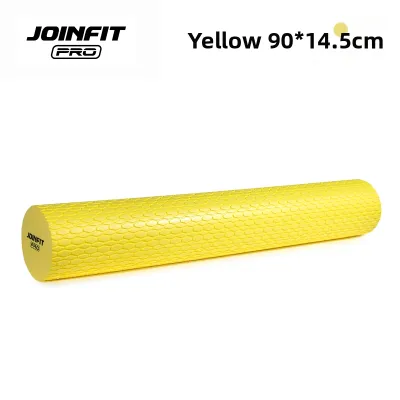
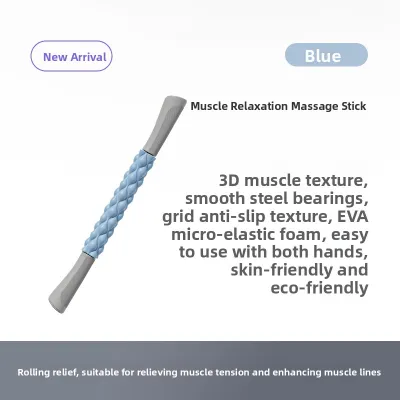
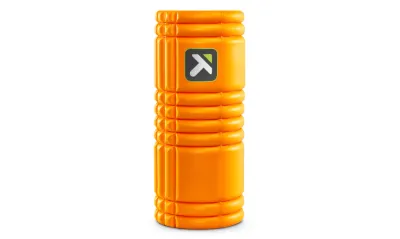
Prices are valid at publication and may change. Please refer to the product page for the latest price.
A higher price point does not automatically translate to better performance for every user or every style of yoga. For instance, a highly technical, high-compression legging designed for intense hot yoga might feel restrictive and uncomfortable during a gentle, restorative Yin session. Understanding this helps reframe the purchasing decision around your specific physical needs rather than marketing narratives.
The core trade-off when choosing between these tiers lies in what you are paying for. With premium brands, a significant portion of the cost covers advanced material engineering, aesthetic details, and brand positioning. With Domyos, you are paying for reliable, standard athletic functionality that delivers the essential support needed for physical movement without the added cost of proprietary fabric branding.
How to Inspect and Compare Yoga Apparel Quality
Evaluating yoga apparel requires looking past brand names and examining the physical characteristics of the garments. By learning how to inspect fabric compositions, seams, and fit, you can make an objective decision based on observable quality rather than marketing claims.

Checking Fabric Blends and Moisture Management
To understand how a garment will perform under sweat and movement, start by checking the physical care label for the fiber composition. Most yoga apparel relies on a blend of synthetic fibers, such as polyester or nylon, combined with elastane (often referred to as spandex) for stretch. Nylon blends generally offer a softer hand-feel and higher durability, while polyester is highly effective at managing moisture but can retain odors more easily if not treated.
A standard yoga legging typically contains between 10% and 25% elastane. Higher percentages of elastane provide greater stretch and recovery, which is essential for maintaining shape over time. If a care label shows less than 10% elastane, the garment may lose its shape after a few washes and stretch out permanently at the knees and waistband. On the other hand, too much elastane can make a garment feel heavy and restrictive, so finding a balance that matches your comfort preference is key.
Moisture-wicking potential can be assessed by examining the fabric weight, weave density, and finish. Hold the fabric up to the light; a dense, tightly woven fabric will manage moisture and maintain its structure better than a loose, thin weave. Additionally, feel the surface of the fabric to identify the finish. Brushed or peached finishes offer a soft, cotton-like feel ideal for low-sweat practices, whereas smooth, slick finishes are typically designed to shed moisture quickly in high-sweat environments.
Be mindful of natural fiber blends, such as cotton or bamboo, which are sometimes mixed into yoga apparel. While these materials feel exceptionally soft and breathable against the skin, they retain moisture rather than wicking it away. If your practice involves significant sweating, high percentages of natural fibers can leave the garment feeling heavy and damp.
Inspecting Seams, Stitching, and Construction
The construction of the seams directly impacts both comfort and the lifespan of your yoga wear. When inspecting a garment, look for flatlock seams, which are created by joining two pieces of fabric flat against each other without an overlapping flap. This construction minimizes friction and chafing against the skin during repetitive movements and deep stretches.
You can evaluate stitch density by gently pulling the fabric on either side of a seam. If the stitches pull apart easily and reveal gaps or loose threads, the garment is more likely to unravel under stress. High-quality construction features tight, uniform stitches with no loose ends or skipped loops. Additionally, check the inside of the garment to ensure the seams are finished cleanly without rough edges that could irritate your skin during movement.
Next, examine the high-stress zones of the garment, such as the waistband, underarms, and knees. Check for the presence of a gusset—a triangular or diamond-shaped piece of fabric sewn into the crotch area of leggings. A gusset redistributes stress along the seams, allowing for a wider range of motion and preventing the fabric from pulling or tearing during deep lunges or splits.
Finally, test the elasticity recovery of the waistband. Gently stretch the waistband to its limit and release it; it should immediately snap back to its original shape without leaving any loose ripples. A weak waistband that lacks resilient elastane recovery is highly likely to roll down or slip during inversions, requiring constant adjustment during your practice.
Testing Fit, Compression, and Opacity
Before committing to keeping any yoga garment, perform a physical movement test in well-lit conditions. The “squat test” is a reliable method to verify fabric opacity. In natural light or bright indoor lighting, perform a deep squat in front of a mirror to ensure the fabric does not become sheer or reveal undergarments when fully stretched over the glutes.
Evaluate the level of compression by paying attention to how the fabric holds your muscles. Light support is ideal for restorative practices where unrestricted breathing and comfort are paramount. Firm compression, which feels snug and supportive, is better suited for dynamic, high-intensity flows where you want the apparel to stay firmly in place without shifting.
A high-quality waistband often features a wide, double-layered fabric construction without a thin, digging elastic band at the very top. This design distributes pressure evenly across your midsection, preventing the waistband from digging in or creating discomfort during deep twists and forward folds. If you feel a sharp, narrow band of elastic at the top of the waistband, it is more likely to dig in and roll over during your practice.
Check for any excess fabric pooling around the knees, ankles, or underarms. Excess fabric indicates that the garment’s cut does not align with your body proportions, which can lead to chafing or bunching during movement. A proper fit should lie smooth against the skin without digging in at the seams or gaping at the openings.
Matching Your Gear to Your Specific Yoga Practice
Your choice between Domyos and premium brands should align directly with the style of yoga you practice. Different routines place distinct demands on apparel, making certain fabric characteristics more critical than others.
For low-impact, restorative, or Yin yoga, comfort and freedom of movement are the primary requirements. In these practices, poses are held for extended periods, and the body temperature can drop. Softer, cotton-blend fabrics or lightly compressed Domyos options are often highly suitable here, providing a cozy, non-restrictive feel that supports relaxation without the need for high-tech moisture management.
Conversely, dynamic styles like Vinyasa, Ashtanga, or hot yoga demand advanced performance features. In a humid Singapore studio environment, rapid sweat evaporation and secure garment placement are essential. Premium options with high-performance synthetic blends, advanced moisture-wicking finishes, and high-compression waistbands help ensure the garments remain dry and secure throughout intense sequences.
Environmental factors also play a significant role in your selection. If you practice in air-conditioned studios, slightly thicker, brushed fabrics can help keep your muscles warm during the initial and final stages of class. For outdoor practices or non-air-conditioned spaces, lightweight, highly breathable open-weave fabrics are necessary to prevent overheating.
Evaluating Price and Value: What the Premium Tag Covers
Deciding whether to pay a premium price requires evaluating what that extra cost actually delivers. Premium brands often invest in proprietary fabric developments that offer a specific hand-feel or lightweight strength that mass-market brands may not replicate exactly. If these specific tactile qualities significantly enhance your practice experience, the investment may be justified.
However, you must also consider the cost per wear. If you practice once a week, a few durable, mid-range sets from Domyos can easily meet your needs for years. If you practice daily, you will cycle through laundry rapidly, making a mix of affordable basics and a few premium pieces a highly practical way to manage your wardrobe budget without sacrificing performance.
If a budget-friendly garment lasts for many washes before showing signs of wear, and a premium garment lasts even longer, the premium option may seem like a better long-term investment. However, if the budget option costs a fraction of the premium price, you could purchase multiple sets for the same total investment, allowing you to rotate your gear and extend the lifespan of each individual piece. This mathematical approach to value helps you decide based on your actual usage frequency and budget flexibility.
Regardless of the brand you choose, proper care is the ultimate determinant of garment longevity. Both budget and premium activewear can degrade quickly if subjected to high heat, fabric softeners, or rough agitation. Checking and following the care instructions—such as washing in cold water, avoiding fabric softeners which clog moisture-wicking pores, and air-drying—will protect your investment far more than a brand label.
Final Decision Framework: Which Option Fits Your Needs?
To finalize your decision, evaluate your practice habits, physical preferences, and budget against these specific conditions:
Choose Domyos if:
- You primarily practice low-to-medium intensity yoga, such as Hatha or Yin.
- You prefer softer, natural-blend fabrics for casual wear and restorative sessions.
- You are building your initial activewear wardrobe and want to maximize the number of sets within a modest budget.
- Standard athletic functionality meets all your comfort and movement requirements.
Choose Premium Brands if:
- You practice high-intensity, dynamic, or hot yoga where advanced moisture-wicking and quick-drying capabilities are critical.
- You require firm, high-compression support that remains secure during complex inversions.
- You have a specific preference for proprietary fabric textures and specialized aesthetic cuts.
- Your budget comfortably accommodates investing in specialized, high-end gear.
Verify first if:
- You have specific skin sensitivities to synthetic dyes, chemical finishes, or recycled polyester blends, which may require checking detailed material certifications.
- You require specialized sizing, such as maternity cuts or extended adaptive sizing, which may only be available in select product lines from specific brands.
Frequently Asked Questions (FAQ)
Can I mix Domyos and premium brands in the same outfit?
Yes, mixing brands is an excellent way to balance performance and budget. For example, you can pair a high-compression premium sports bra that offers specialized support with a pair of comfortable, budget-friendly Domyos leggings for a balanced outfit. This allows you to allocate your budget to the specific garments where you require the highest performance.
When mixing brands, ensure that both items have compatible care requirements. Washing a delicate, air-dry-only premium top with heavy-duty synthetic leggings in a hot dryer can lead to premature wear or pilling. Additionally, test new, brightly colored garments separately for colorfastness before washing them together to prevent dye transfer.
How do I know if my yoga leggings are too thin for studio use?
To determine if your leggings are too thin, perform a squat test in a brightly lit room, preferably under natural light or direct overhead lighting. Stand with your back to a mirror, bend deeply into a squat, and look over your shoulder to check if your skin or the pattern of your undergarments is visible through the fabric.
You can also check the fabric weight, often measured in grams per square meter (GSM), if listed on the product specifications. Leggings with a GSM below 200 are generally lightweight and may become sheer when stretched, while a GSM between 220 and 300 typically offers a reliable balance of opacity, support, and breathability. Wearing nude, seamless undergarments during your practice is also a practical way to minimize visibility regardless of fabric thickness.
Community discussion
Share your experience or ask a question. Comments are reviewed before publication.