
Are Donut Rings Safe for Children and Non-Swimmers?
In Singapore’s year-round tropical climate, spending an afternoon at a condominium pool, an ActiveSG swimming complex, or the beaches of Sentosa is a common way to cool down. Among the most popular pool accessories you will see are bright, circular inflatable rings, commonly known as donut rings. While these colorful inflatables are synonymous with leisure and water play, they are not designed to keep vulnerable swimmers out of danger.
To understand their limitations, you must first recognize how these products are classified. Donut rings are legally categorized as aquatic toys, not personal flotation devices (PFDs) or life-saving equipment. Unlike certified life jackets or buoyancy aids, which are engineered to keep a wearer’s head above water even if they are unconscious, a pool toy is designed solely for recreational play in shallow water where the user can easily stand.
Because of this classification, donut rings are not inherently safe for unsupervised children or non-swimmers. They do not offer reliable, self-righting buoyancy, nor do they secure the user in a stable position. A child or non-swimmer relying on an inflatable ring can easily lose their grip, slip through the center, or capsize in a matter of seconds.
Products mentioned in this guide
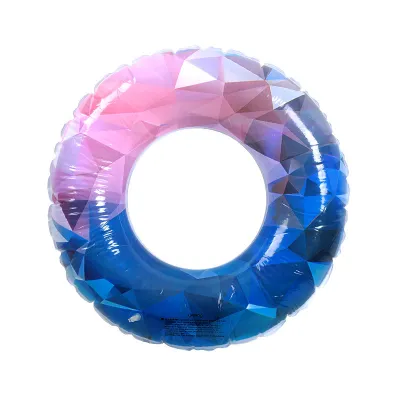
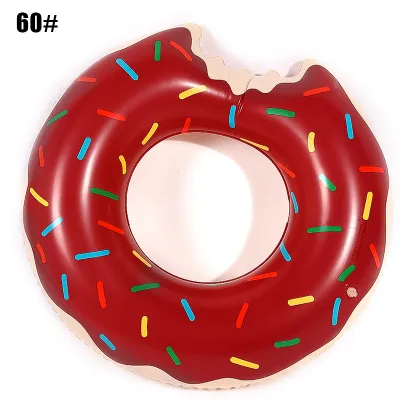
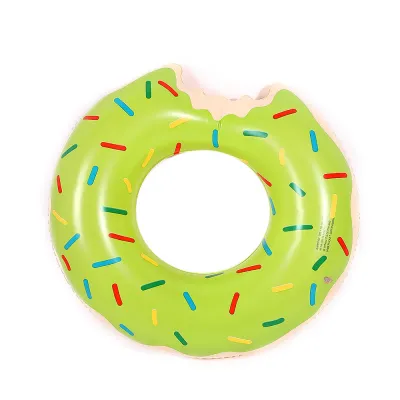
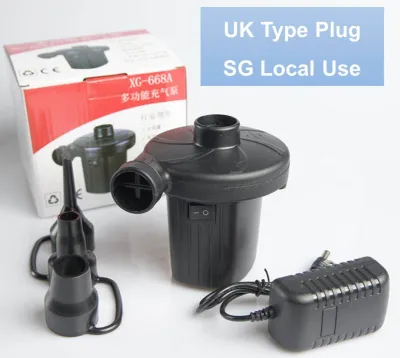
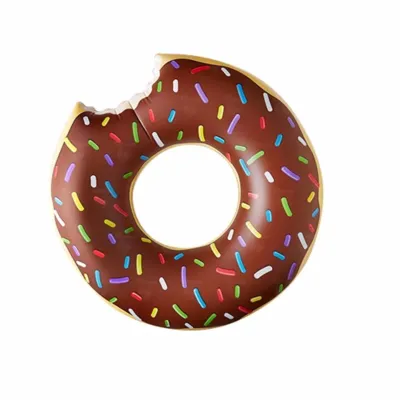
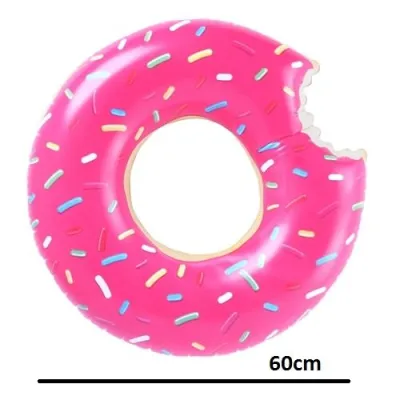
Prices are valid at publication and may change. Please refer to the product page for the latest price.
Ultimately, the safety of a donut ring does not come from the plastic itself, but from the level of adult supervision accompanying its use. When used under constant, active supervision in a controlled environment, these rings can be a fun accessory for water familiarisation. However, treating them as a safety guarantee or a substitute for swimming ability is a dangerous mistake that puts vulnerable users at serious risk.
Key Risks Associated with Donut Rings in Water
The physical design of a standard donut ring introduces several mechanical hazards that can quickly turn a fun swim session into an emergency. The most significant hazard is the risk of flipping or capsizing. Because these rings are lightweight and filled with air, their center of gravity is highly unstable. If a child leans too far forward, backward, or to one side, the ring can easily flip over, trapping the swimmer upside down underwater with their legs potentially caught in the opening.

Another common danger is slipping through the center hole. Donut rings are rarely one-size-fits-all, yet they are often shared among children of different ages and sizes. If the inner diameter of the ring is too large for the user’s torso, a small child can easily slip straight through the bottom into deep water. This can happen silently and instantly, especially if the child raises their arms or gets startled by a splash.
Environmental factors also play a massive role in the safety of these lightweight inflatables. In outdoor settings like East Coast Park or open resort pools, wind and water currents can rapidly carry an inflatable ring away from the safety of the pool edge or shoreline. Because non-swimmers cannot swim back on their own, a sudden gust of wind can push them into deep water faster than an adult on land can react.
Finally, inflatable toys are highly vulnerable to sudden deflation. A hidden puncture from a rough pool tile, a sharp fingernail, or a faulty air valve can cause the ring to lose buoyancy rapidly. Unlike professional safety gear made of heavy-duty composite materials, the thin vinyl or PVC used in standard pool toys can fail without warning, leaving a non-swimmer without any support in deep water.
Essential Safety Features to Look For
When choosing a donut ring for family pool sessions, you should never pick a model based solely on its color, pattern, or low price on an online marketplace. Instead, you must carefully inspect the product’s physical specifications, construction quality, and safety labels. While no design feature can replace active adult supervision, selecting a well-engineered ring significantly reduces the likelihood of mechanical failure.
To make an informed choice, look for specific structural reinforcements that address the common failure points of inflatable toys. High-quality manufacturers design their products with redundant safety systems and durable materials to withstand the stresses of active play and sun exposure. Prioritizing these features ensures that if a minor issue occurs, the ring does not immediately fail and sink.
Dual Air Chambers and Secure Valves
One of the most critical safety features to verify is the presence of dual or multiple independent air chambers. A high-quality donut ring is divided into separate airtight compartments, each with its own inflation valve. If a sharp object punctures the outer ring, the inner chamber remains fully inflated, providing enough residual buoyancy to keep the user afloat while you pull them to safety. Single-chamber rings, by contrast, will deflate entirely and sink almost instantly upon being punctured.
In addition to multiple chambers, inspect the design of the inflation valves. Look for recessed, leak-proof valves that push flat into the body of the ring once inflated. These flush-fitting valves prevent children from accidentally pulling them open with their teeth or fingers during play. They also minimize the risk of the valve snagging on swimwear, pool ladders, or other swimmers, which could cause a sudden release of air.
Sturdy Handles and Grab Lines
A safe donut ring should feature heavy-duty, molded plastic handles welded securely to the top or sides of the inflatable. These handles give children and non-swimmers a solid anchor point to hold onto, which helps them maintain a stable, upright position and prevents them from slipping through the center hole. Handles also make it much easier for a child to climb onto or stay positioned on the float without tipping over.
Beyond user stability, sturdy handles and external grab lines serve as vital safety points for supervising adults. If a sudden current or wind begins to drift the float away, or if another swimmer splashes too close, an adult can easily grab the handles to pull the ring back to safety. Ensure these handles are double-welded to the vinyl body, as cheaply glued handles can easily tear off under tension.
High-Visibility Colors and Material Quality
Visibility is a fundamental aspect of water safety that is often overlooked. When purchasing a pool float, avoid clear, blue, or green rings that blend into the water or the pool lining. Instead, opt for bright, high-visibility neon colors such as bright orange, hot pink, or fluorescent yellow. These vibrant shades make it incredibly easy to spot a child in a crowded public pool or track their position from a distance, even through splashing water and glare.
Material quality is equally vital for longevity and puncture resistance. Check the product packaging or online specifications for the thickness of the PVC or vinyl, which is typically measured in millimeters (mm) or gauge. Look for heavy-duty materials (ideally 0.25mm or thicker) that can withstand rough concrete pool coping and hot decking. Additionally, verify that the material is certified as non-toxic, phthalate-free, and BPA-free, ensuring it will not irritate sensitive skin during long hours of wet play in the hot sun.
Safe Usage Guidelines and Supervision Rules
To prevent accidents, you must establish and enforce strict rules whenever a donut ring is in use. The absolute gold standard of pool safety for young children and non-swimmers is “touch supervision.” This means that a responsible adult must be in the water, within arm’s reach of the child, and focused entirely on them at all times. Distractions like checking your phone, reading a book, or chatting with others at a poolside BBQ can lead to a tragedy in the few seconds it takes for a child to slip under the surface silently.
The environment where you use the donut ring is just as important as how you supervise. Restrict the use of inflatable toys to calm, shallow swimming pools where the water level does not exceed the chest height of the supervising adult. Never allow non-swimmers to use donut rings in open water, such as the sea, reservoirs, or tidal areas. Strong currents, waves, and offshore winds can easily sweep an inflatable far out into deep water, making rescue extremely difficult.
Before letting anyone enter the pool with an inflatable, perform a quick sweep of the surrounding environment. Check the pool edges, steps, and decking for sharp edges, protruding screws, or rough concrete that could slash the vinyl. In Singapore’s intense afternoon heat, outdoor pool tiles and decking can become hot enough to weaken the seams of an inflatable or cause the air inside to expand rapidly, so keep the ring away from hot surfaces when not in use.
Proper inflation is another key factor in maintaining structural integrity. Always inflate the ring according to the manufacturer’s guidelines, filling it until it is firm but still has a slight amount of give when pressed. Over-inflating a donut ring puts immense pressure on the welded seams, especially when exposed to direct sunlight, which causes the air inside to expand. An over-pressurized ring is highly susceptible to bursting unexpectedly when a child climbs onto it.
Signs It Is Time to Replace Your Donut Ring
Inflatable pool toys do not last forever, and using a degraded donut ring poses a severe safety risk to children and non-swimmers. Over time, constant exposure to chlorine, saltwater, ultraviolet (UV) rays from the sun, and physical stretching will break down the plastic polymers, causing the material to become brittle and weak. You should inspect the ring thoroughly before every swim session to identify any warning signs of wear and tear.
Look closely for physical indicators of degradation, such as slow leaks that require you to top up the air every few hours. Examine the welded seams for any signs of stretching, fraying, or separation, as these are the most common points of sudden failure. Faded colors are another clear sign of UV damage; if a once-vibrant neon ring has turned dull and pale, the plastic has likely become brittle and is much more prone to cracking or tearing under pressure.
Do not forget to inspect the inflation valves. Check if the plastic valve stem has developed micro-cracks or if the stopper plug has become loose and slips out of the valve easily. If a donut ring fails any of these visual or physical checks, do not attempt to repair it with temporary tape or patches for a non-swimmer’s use. Discard the damaged ring immediately and replace it with a new, certified model to ensure your family’s safety in the water.
Frequently Asked Questions (FAQ)
Can a donut ring be used instead of a life jacket?
No, a donut ring can never be used as a substitute for a certified life jacket or personal flotation device (PFD). Donut rings are classified as recreational pool toys and lack the safety certifications, secure straps, and balanced buoyancy distribution required to keep a person’s head above water. In an emergency, a struggling or unconscious user can easily slip out of or flip over a donut ring, whereas a proper life jacket is designed to keep them floating safely upright.
What is the recommended age or weight limit for using a donut ring?
There is no universal age or weight limit for donut rings, as these specifications vary widely depending on the manufacturer and the physical dimensions of the float. You must always check the product packaging, label, or manufacturer’s instruction manual for the exact weight capacity and recommended age group before purchase. Additionally, ensure the inner diameter fits the user securely; if a child’s hips and torso can easily slide through the center opening while standing on dry land, the ring is too large and unsafe for them to use in the water.
Community discussion
Share your experience or ask a question. Comments are reviewed before publication.