
Finding the right indoor pull up bar for a Singapore Housing & Development Board (HDB) flat requires balancing your fitness goals with the unique structural realities of local public housing. Unlike spacious landed properties, HDB apartments feature specific wall compositions, standardized door frame dimensions, and compact room layouts that dictate what equipment you can safely install. Choosing the wrong mounting style can lead to cracked door frames, damaged drywall, or dangerous falls during dynamic movements.
To make an informed decision, you must evaluate your home’s structural limits before purchasing any equipment. The three primary options—doorway, wall-mounted, and free-standing pull up bars—each demand different spatial and structural conditions. By matching your specific flat layout to the correct equipment type, you can build a safe, effective home workout space without risking your security deposit or structural integrity.
Assessing Your HDB Space and Structural Limits
Before browsing online marketplaces for fitness gear, you must identify the structural materials inside your flat. HDB walls generally fall into two categories: solid concrete load-bearing walls (including precast household shelters or structural columns) and lightweight internal partition walls. Load-bearing concrete walls can easily support heavy, drilled fixtures, whereas lightweight concrete inserts or drywall partitions will crumble under concentrated shear stress.
Products mentioned in this guide
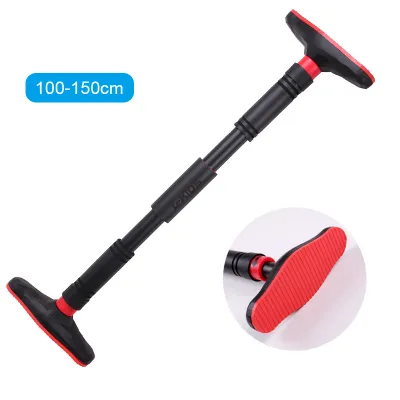
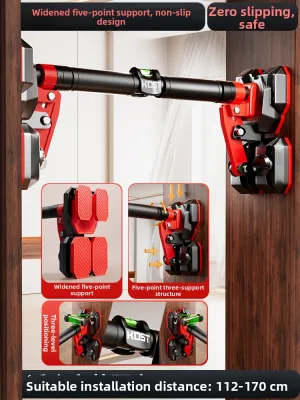

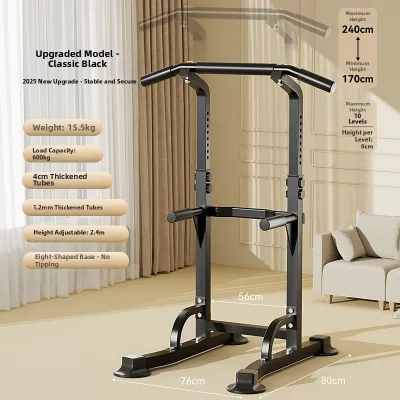
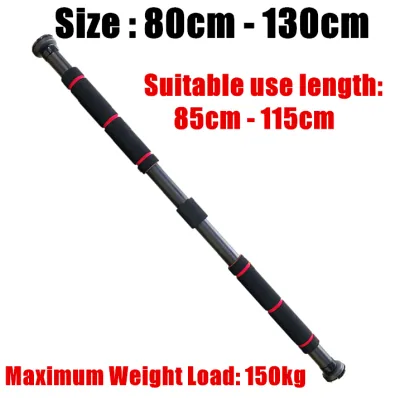
![[SG Ready Stock]Chin Up Fitness Equipment Pull Up/Portable Home Pull Up Bars/No Drilling /Load Bearing 400KG](https://img.lazcdn.com/g/p/795e054120ffb0d1ecbd7f39e6b32dd2.png_400x400q80.png_.webp)
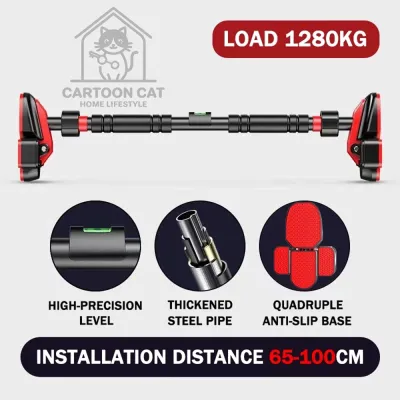
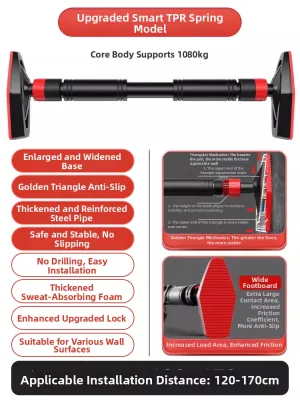
Prices are valid at publication and may change. Please refer to the product page for the latest price.
Next, examine your door frames. Standard HDB door frames are typically made of metal or timber, but their depth, width, and surrounding trim vary significantly between older estates and newer Build-To-Order (BTO) flats. Measure the frame width and the depth of the wall protrusion, checking for decorative wooden architraves or uneven plastering that could prevent a flush fit.
Finally, calculate your available floor space and vertical clearance. Standard HDB ceiling heights hover around 2.6 meters, but false ceilings, structural beams, and ceiling fans can drastically reduce your usable overhead space. You need enough vertical clearance to clear the bar with your head without colliding with light fixtures or spinning fan blades.
Doorway Pull Up Bars: Fit and Safety Checks
Doorway pull up bars are highly popular due to their accessibility, but they require careful verification of your door frame’s structural integrity. These bars generally function via two distinct mechanisms: telescopic tension-mounted bars that expand outward against the frame, and leverage-based bars that hook over the top architrave. Each mechanism places unique physical stress on the door frame and surrounding wall.

Tension-mounted bars rely entirely on friction and outward pressure. If your HDB flat features hollow aluminum or thin timber door frames, the intense outward force of a tension bar can warp the frame or crack the surrounding plaster. Leverage-based bars, on the other hand, require a sturdy, protruding top ledge to hook onto safely. If your door frame is flush with the wall or lacks a robust top trim, a leverage bar cannot secure itself and will slip during use.
Safety also depends on physical clearance. When using a doorway bar, verify that your knuckles will not scrape against the wall or door header during a pull-up. Additionally, ensure your head has enough clearance to pass the top frame without hitting the ceiling of the doorway.
Always check the manufacturer’s weight limits and verify that your frame can support both your body weight and the dynamic force of your movement. Because wood and metal expand and contract with Singapore’s humid climate, you must perform a manual tightness check before every single workout session to prevent sudden slips.
Wall-Mounted Pull Up Bars: Structural and Installation Realities
For those seeking a permanent, highly stable workout setup, a wall-mounted indoor pull up bar offers the most rigid platform. However, installing one in an HDB flat requires strict adherence to structural safety guidelines. You must only mount these heavy-duty steel bars into solid concrete walls, such as structural columns or the thick concrete walls of your household shelter.
Attempting to install a wall-mounted bar on lightweight concrete partition walls or gypsum board partitions is highly dangerous. Standard expansion bolts rely on the compression of solid concrete to hold load; in hollow or soft materials, these bolts will pull loose under dynamic load, leading to catastrophic wall failure and severe injury. If you are unsure of your wall’s composition, use a stud finder or consult a qualified contractor before drilling.
If space is tight, consider foldable or retractable wall-mounted designs. These models allow you to swing the pull-up handles flat against the wall when not in use, preserving precious floor space in compact study rooms or bedrooms.
Keep in mind that drilling into concrete is a permanent modification. If you live in a rented HDB flat or plan to sell your unit in the near future, you will need to patch the drill holes and repaint the wall to restore it to its original condition. This process requires heavy-duty filler, sanding tools, and matching paint, which adds to the long-term maintenance effort.
Free-Standing Pull Up Bars: Space and Stability Trade-offs
If drilling is not an option and your door frames are unsuitable, a free-standing pull up bar or power tower is the most viable alternative. These units require zero installation, eliminating the risk of structural damage to your walls or door frames. However, they demand a significant amount of dedicated floor space, which can be a luxury in smaller BTO flats.
Begin by measuring the base footprint of the tower against your room’s layout. A typical power tower requires a clear floor area of at least one square meter, and you must ensure it does not block essential walkways, wardrobe doors, or air conditioning airflow.
Ceiling height is another critical factor for free-standing units. Because these towers stand relatively tall, you must verify that your head will not strike the ceiling or ceiling fan at the peak of your pull-up. Ensure there is at least 30 to 40 centimeters of clearance between the top of the tower and your ceiling.
To ensure stability, look for models with wide, flared bases and heavy steel construction. Dynamic movements can cause a lightweight tower to rock or slide, so placing a high-density rubber gym mat underneath the base is highly recommended. This mat distributes the weight evenly, prevents the steel frame from scratching your HDB ceramic or vinyl tiles, and dampens vibration noise for your downstairs neighbors. While free-standing towers carry a higher upfront cost and take up substantial space, they offer unmatched versatility and portability.
Decision Matrix: Matching Your HDB Profile to the Right Bar
To help you finalize your choice, compare your specific HDB flat constraints against the primary characteristics of each pull up bar type. The table below outlines which option aligns best with your living situation.
| HDB Constraint | Doorway Bar | Wall-Mounted Bar | Free-Standing Tower |
|---|---|---|---|
| Rented Unit / No Drilling | Highly Suitable (Tension) | Not Suitable | Highly Suitable |
| Hollow Partition Walls | Suitable (Verify Frame) | Not Suitable | Highly Suitable |
| Solid Concrete Walls | Suitable | Highly Suitable | Suitable |
| Limited Floor Space | Highly Suitable | Suitable (Foldable) | Not Suitable |
| Low Ceilings / Fans | Check Clearance | Check Clearance | Not Suitable |
Before making a purchase, complete a final physical check. Measure your door frame width, verify your wall material using a simple tap test or stud finder, and read the product specification labels carefully to ensure your weight and space requirements are fully met.
Frequently Asked Questions (FAQ)
Can I install a wall-mounted pull up bar on HDB hollow block or partition walls?
No, you should never install a wall-mounted pull up bar on HDB hollow block or lightweight partition walls. Standard expansion bolts require solid concrete to grip securely; in hollow blocks, they cannot expand properly and will pull out under dynamic load. This can cause the wall to crack or collapse, leading to severe injury. If your flat only has partition walls available, opt for a free-standing power tower or a verified doorway pull up bar instead.
Will a doorway pull up bar damage my HDB door frame paint or trim?
Yes, doorway pull up bars can cause cosmetic or structural damage if not installed carefully. Tension bars exert high lateral pressure that can crack wooden frames or leave dark rubber scuff marks on paint. Leverage bars can dent or pull away decorative wooden trims if the frame is not solid. To minimize damage, choose bars with soft, non-marking silicone pads, or place thick microfiber cloths between the contact points and your door frame.
Community discussion
Share your experience or ask a question. Comments are reviewed before publication.