
Selecting the right knee support band is a highly individualized decision that depends on your specific movement patterns, joint condition, and comfort preferences. While some athletes require rigid stabilization for heavy lifting, others seek flexible compression to manage mild discomfort during dynamic sports. The Dr. Piten Knee Kick Power Up has gained attention as a specialized option, but comparing it against alternative knee support bands is essential to find the correct fit for your physical needs. By evaluating structural designs, material properties, and activity requirements, you can determine whether this specific model or a different style of knee band will best support your active lifestyle.
Knee joints are complex structures that endure significant stress during daily activities and athletic pursuits. A well-designed knee band works by providing targeted compression, which can enhance proprioception—the body’s natural ability to sense joint position and movement. This sensory feedback helps improve stability and coordination, reducing the risk of awkward movements. However, because no two knees are identical, a band that works exceptionally well for one person might cause discomfort or restriction for another, making a thorough comparison crucial before making a purchase.
Understanding the Dr. Piten Knee Kick Power Up Design
To evaluate the Dr. Piten Knee Kick Power Up, start by examining the manufacturer’s stated purpose on the product packaging or official documentation. This helps confirm whether the band is engineered primarily for high-intensity dynamic sports, heavy resistance training, or general joint stabilization during daily activities. Different knee supports target distinct movement profiles, and aligning the product’s intended use with your personal fitness routine is the first step toward a successful purchase.
Products mentioned in this guide
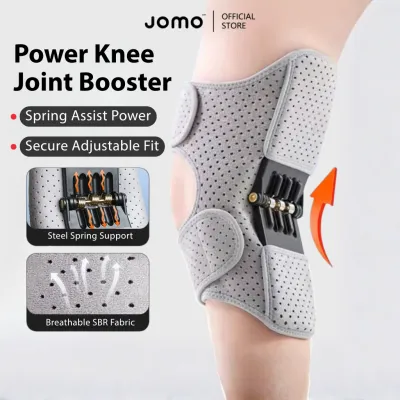
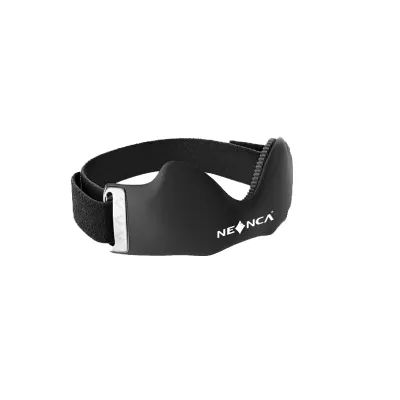
Prices are valid at publication and may change. Please refer to the product page for the latest price.
Next, review the specific structural elements of the Dr. Piten model as listed in its official specifications. Many advanced support bands incorporate features like integrated patella gel pads to cushion the kneecap, side spring stays to assist with lateral stability, or targeted compression zones knitted directly into the fabric. Verifying these components allows you to assess how much mechanical support the band offers compared to a basic elastic sleeve.
Finally, pay close attention to the intended user profile and the recommended sizing chart provided by the brand. Because knee anatomy varies widely, a support band must match your leg dimensions to function correctly. Check the official application instructions to understand how the band should be positioned on the leg, ensuring that any built-in stabilizers or pads align precisely with your joint anatomy. Proper alignment is critical, as a misplaced gel pad or stabilizer can cause uneven pressure and diminish the effectiveness of the support.
Key Comparison Dimensions for Knee Support Bands
When comparing the Dr. Piten Knee Kick Power Up to alternative products, the compression mechanism is a primary differentiator. Adjustable wrap-around straps allow you to customize the tension and modify the support level throughout the day, which is highly beneficial if you experience fluctuating joint swelling. In contrast, pull-on compression sleeves offer uniform, consistent pressure across the entire joint but lack the on-the-fly adjustability of strap-based systems.

Material breathability and moisture-wicking properties are critical factors, particularly when exercising in warm, humid climates. A knee band made from heavy, non-breathable fabric can trap sweat, leading to skin irritation, itching, and discomfort during long workouts. Look for advanced synthetic blends, nylon-spandex mixes, or perforated neoprene that facilitate airflow and pull moisture away from the skin, keeping the joint comfortable during extended wear.
Anti-slip mechanisms are equally vital for maintaining the band’s position during repetitive movements. Many high-quality knee supports feature interior silicone grips, wavy gel strips, or specialized ergonomic knitting along the upper and lower hems. These elements prevent the band from rolling down or sliding during activities like running, jumping, or squatting, saving you from the distraction of constant manual adjustments.
Additionally, consider the ease of application and removal based on your daily routine. If you need to transition quickly between workout sets or apply the support over clothing, a wrap-around design with hook-and-loop fasteners may be more convenient. For those who prefer a streamlined, low-profile fit under athletic wear, a seamless pull-on sleeve is often the more practical choice, offering a smooth silhouette that does not catch on fabric.
Matching Knee Bands to Your Activity and Condition
For high-impact and dynamic sports such as basketball, tennis, or trail running, your choice of knee support should prioritize shock absorption and patellar tracking. These activities subject the joint to rapid lateral movements and sudden deceleration, making a band with a supportive patella ring or flexible side stabilizers highly advantageous. The goal is to guide the kneecap’s movement and reduce joint stress without restricting your natural range of motion or slowing down your footwork.
For heavy load-bearing activities like weightlifting, powerlifting, or intensive gym workouts, the demands on the knee joint shift toward managing extreme axial loads. In these scenarios, rigid support structures, thick neoprene sleeves, or heavy-duty wrap-around bands are typically preferred. These designs focus on maximum joint stabilization and heat retention, helping to keep the joint lubricated and secure under heavy barbells.
If you are dealing with mild joint discomfort, recovering from minor fatigue, or seeking support for daily walking, a lightweight, low-profile compression sleeve is often the most appropriate option. These sleeves provide gentle compression and warmth, which can help improve proprioception—your body’s awareness of joint positioning—without adding unnecessary bulk or stiffness to your everyday attire.
It is crucial to acknowledge that knee bands and braces are supplementary tools designed to assist your joints, not replace proper physical conditioning. They cannot compensate for poor movement mechanics, weak supporting muscles, or inadequate training form. Furthermore, a knee band should never be used as a substitute for a professional medical diagnosis or a structured rehabilitation plan prescribed by a qualified physiotherapist.
How to Verify Fit, Care, and Safety Before Use
To ensure safety and effectiveness, you must measure your knee circumference accurately before purchasing any support band. Use a flexible measuring tape and measure around the center of your kneecap, as well as a few inches above and below the joint, depending on the specific brand’s sizing instructions. Avoid relying on your standard apparel size, as sizing standards for athletic supports vary significantly between manufacturers.
Once you begin wearing the band, monitor your leg closely for any signs of an improper fit. If you experience numbness, tingling, skin discoloration, coldness in your foot, or restricted blood flow, the band is likely too tight or poorly positioned. If any of these symptoms occur, remove the band immediately to prevent circulatory issues or nerve compression, and re-evaluate your sizing choice.
Proper maintenance is essential to preserve the elasticity, compression level, and structural integrity of the materials over time. Always review and follow the manufacturer’s washing instructions, which typically recommend hand washing in cool water with a mild detergent and air drying away from direct heat. Avoid using fabric softeners or putting the band in a clothes dryer, as high heat and harsh chemicals can degrade elastic fibers and silicone grips.
Lastly, establish clear boundaries for safe usage. If your knee pain worsens, swelling increases, or you develop new symptoms while wearing the support, stop using the product immediately. Consult a qualified healthcare professional or physiotherapist to assess your joint health, as continuing to exercise on an injured or improperly supported knee can lead to more severe long-term damage.
Decision Framework: Which Knee Band Should You Buy?
Your final decision should align with your specific physical requirements, activity levels, and comfort preferences. Consider the Dr. Piten Knee Kick Power Up if its documented structural features, such as targeted compression zones or integrated stabilizers, match the demands of your primary sport and fit your anatomical measurements perfectly. This model is suitable for those who require a balance of structured support and dynamic flexibility during active movement.
Opt for alternative wrap-around knee bands if you require highly customizable compression levels that you can adjust throughout the day. This style is particularly beneficial if you experience fluctuating joint swelling, need to wear the support over leggings or trousers, or find pull-on sleeves difficult to slide over your foot and calf.
Choose alternative pull-on compression sleeves if your primary goal is a seamless, low-profile fit that slides easily under everyday clothing. These sleeves are excellent for mild, continuous support during daily errands, light walks, or recovery periods where maximum freedom of movement and minimal bulk are your top priorities.
Before finalizing your purchase, visit the official store page or authorized retailer to verify current stock availability, exact product specifications, pricing in S$, and the applicable return policy. Ensuring that you can exchange the product if the fit is incorrect provides peace of mind and guarantees you end up with a supportive tool that safely enhances your active lifestyle.
Frequently Asked Questions (FAQ)
Can I wear a knee support band all day?
Wearing a knee support band all day is generally not recommended unless specifically advised by a healthcare professional. Prolonged wear can lead to skin irritation, moisture buildup, and chafing, especially in warm climates. Additionally, relying on a compression band continuously can cause the surrounding muscles to become dependent on external support, potentially weakening the natural stabilizing structures of your knee. It is best to wear the band during active exercise or periods of physical stress, and remove it during rest to allow your skin to breathe and your muscles to engage naturally.
How tight should a knee support band be?
A knee support band should feel snug and secure, providing noticeable compression without causing discomfort or restricting your circulation. It should stay firmly in place during movement, but it should not pinch the skin, leave deep indentations, or cause numbness, tingling, or coldness in your lower leg or foot. If you feel a throbbing sensation or notice any skin discoloration, the band is too tight and should be loosened or resized immediately to ensure safe blood flow.
Community discussion
Share your experience or ask a question. Comments are reviewed before publication.