
Quick Answer: Dumbbell or Kettlebell for Your Home Gym?
Setting up a home fitness space requires balancing training efficacy, physical footprint, and financial investment. In Singapore, where residential space is often at a premium, choosing the right resistance equipment is crucial. Deciding whether to transition from a dumbbell to kettlebell routine—or determining which tool deserves your initial investment—depends heavily on your specific physical objectives, the layout of your living space, and your budget constraints.
Choose dumbbells if your primary goal is muscle building (hypertrophy), targeted isolation exercises, or straightforward strength progression. They are highly intuitive, offer balanced weight distribution, and are exceptionally beginner-friendly. If you prefer structured, controlled lifting patterns such as bodybuilding splits, dumbbells are the ideal starting point.
Choose kettlebells if your focus is on explosive power, cardiovascular conditioning, functional movement patterns, and dynamic full-body workouts. Their offset design challenges your core stability and grip strength, making them excellent for athletic, high-intensity training.
Products mentioned in this guide
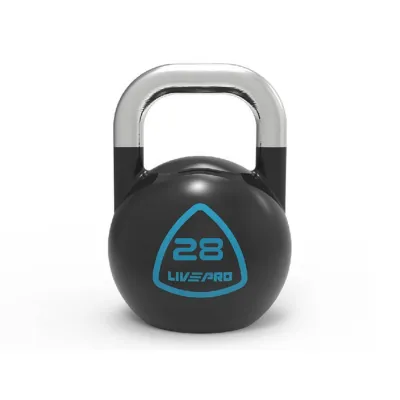
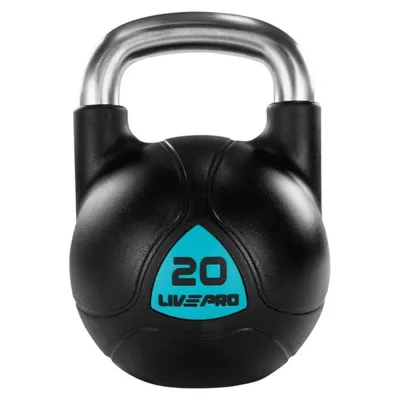
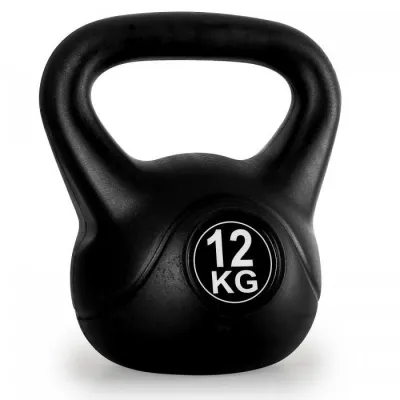
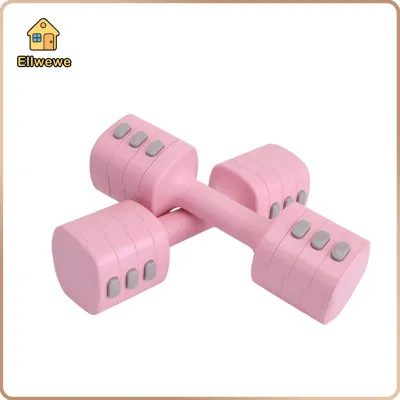
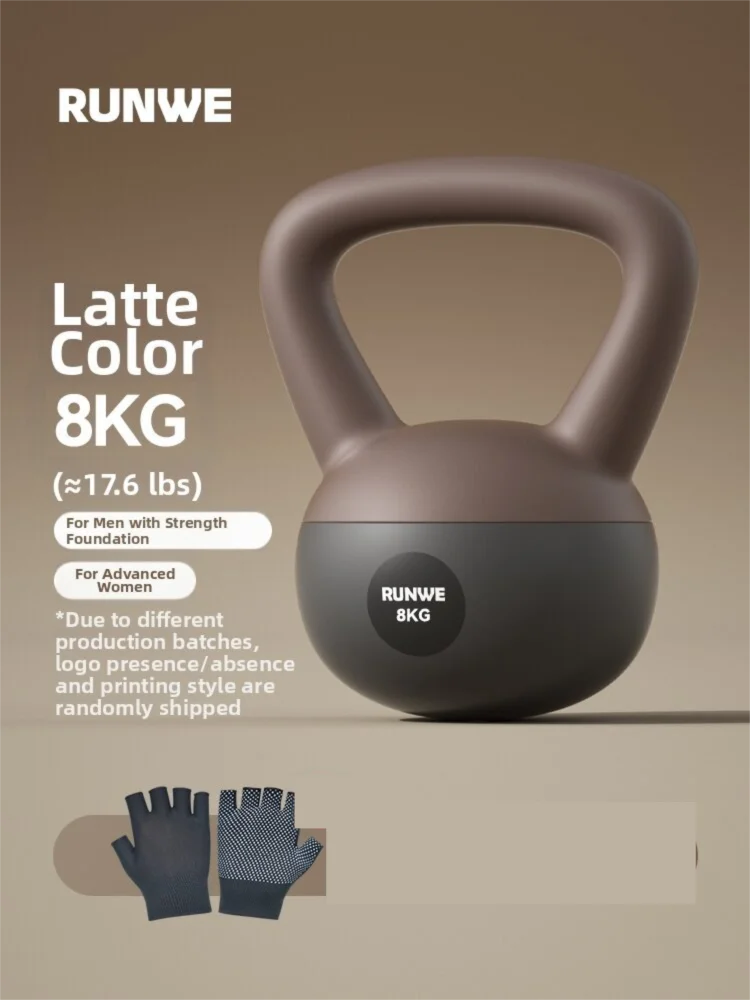
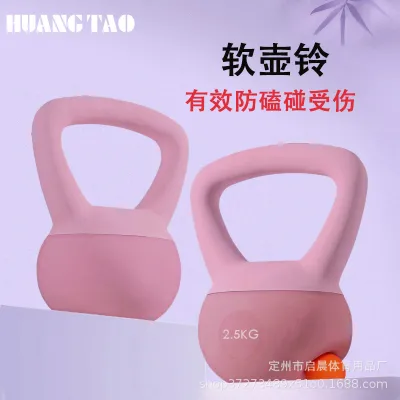
Prices are valid at publication and may change. Please refer to the product page for the latest price.
While many home gyms in Singapore eventually incorporate both tools, starting with one requires prioritizing your immediate fitness needs and living space limitations. By analyzing how each tool affects your body, your home environment, and your budget, you can make an informed decision that keeps you consistent and injury-free.
Training Goals: Muscle Isolation vs. Explosive Power
Dumbbells for Muscle Isolation and Hypertrophy
The defining physical characteristic of a dumbbell is its symmetrical design. With equal weight distributed on either side of a central handle, the center of mass rests directly within the palm of your hand. This balanced geometry minimizes rotational torque on the wrist, allowing you to focus purely on pushing or pulling the load along a precise plane of motion. This makes dumbbells the gold standard for hypertrophy (muscle growth) and isolation exercises.

When performing movements like bicep curls, lateral raises, or chest presses, the balanced nature of the dumbbell allows you to target specific muscle groups with minimal interference from secondary stabilizing muscles. This isolation is crucial for bodybuilding-style training splits, where the goal is to exhaust a specific muscle to stimulate growth. Additionally, dumbbells make it easy to identify and correct bilateral strength imbalances, as each arm must work independently to control its respective weight.
With dumbbells, progressive overload is highly structured and linear. Because you can find dumbbells in small increments—often as low as 1kg or 2.5kg jumps—you can systematically increase the load on isolated muscles without overwhelming your nervous system. This micro-loading capability is essential for overcoming plateaus in movements like the overhead press or lateral raise, where even a small increase in weight represents a significant percentage jump in total resistance.
Kettlebells for Explosive and Functional Fitness
A kettlebell features a distinct, ball-shaped profile with a loop-style handle attached to the top. This design places the center of mass several inches outside your palm, completely altering the physics of every lift. When you move a kettlebell, the offset weight creates a lever arm that exerts rotational force on your wrists, shoulders, and core. To control this displacement, your body must recruit a vast network of stabilizing muscles, particularly within the posterior chain and abdominal wall.
This offset design is what makes the kettlebell uniquely suited for ballistic, explosive movements such as swings, cleans, snatches, and jerks. Rather than moving slowly and under constant tension, kettlebell training often involves generating momentum from the hips and transferring that power through the core to the upper body. These functional movements mimic real-world physical demands, teaching your muscles to work as a cohesive unit rather than in isolation.
The physics of the kettlebell are rooted in torque and angular momentum. When swinging a kettlebell, the force exerted on your body is not just the static weight of the bell, but the dynamic kinetic energy generated at the bottom of the arc. This requires your core, glutes, and upper back to contract eccentrically to decelerate the weight, building exceptional decelerative power and core stiffness. This type of training is highly transferable to sports like running, martial arts, and swimming, where rapid force absorption and transfer are critical.
Cardiovascular and Endurance Benefits
Because kettlebell exercises are inherently dynamic and multi-joint, they demand a high level of metabolic output. Performing continuous kettlebell flows—where you transition seamlessly from a swing to a clean, then to a squat and press—keeps your heart rate elevated throughout the entire session. This blends cardiovascular conditioning with resistance training, offering a highly efficient workout format for those with limited time.
Dumbbell routines can certainly be structured for cardiovascular endurance using high-intensity interval formats, but the mechanical nature of traditional dumbbell lifts is less suited for continuous, rhythmic momentum. The fluid, swinging motions of kettlebell training allow for sustained, low-impact aerobic and anaerobic conditioning that is difficult to replicate with standard hand weights.
Space and Storage: Fitting Weights into Your Home
Footprint and Storage in Singapore Homes
For those living in Singapore’s HDB flats or condominiums, space optimization is a primary consideration when selecting gym equipment. A comprehensive set of fixed-weight dumbbells requires a significant amount of floor space, typically demanding a multi-tier A-frame or horizontal rack to keep them organized. This can quickly overwhelm a multi-purpose room or a dedicated workout corner.
Kettlebells, on the other hand, offer an incredibly compact storage footprint. Because of their flat-bottomed bases, a few kettlebells can be neatly tucked away in a closet, under a bed, or in the corner of a room without requiring specialized racks. For minimalist setups, a single, well-chosen kettlebell can provide a complete full-body workout while occupying less than a square foot of floor space.
Kettlebells come in two primary styles: cast iron and steel competition bells. Cast iron kettlebells increase in physical size as they get heavier, which can make storing lighter bells incredibly easy, but heavier ones slightly bulkier. Competition kettlebells, conversely, maintain the exact same external dimensions and handle diameter regardless of weight (the internal cavity is hollowed out to adjust the mass). While competition bells take up uniform space and offer consistency in technique, they are generally more expensive and may require a slightly larger initial storage footprint for lighter weights.
Floor Protection and Noise Control
The structural realities of residential living mean that floor protection and noise mitigation are essential. Most Singapore homes feature ceramic tiles, vinyl planks, or polished parquet flooring, all of which are susceptible to cracking, denting, or scratching under the impact of heavy weights. The dynamic nature of kettlebell exercises—particularly high-velocity swings and snatches—increases the risk of accidental drops or awkward landings if your grip fails or form breaks down.
To safeguard your living space and maintain good relations with downstairs neighbors, both dumbbell and kettlebell workouts should be performed over high-density rubber tiles or specialized gym mats. However, because dumbbells are typically used for slower, more controlled movements, they are generally easier to set down quietly. Kettlebell training requires a larger safety buffer zone to accommodate the swinging arc of the weight, meaning you must clear a wider physical radius of furniture and fragile items before beginning.
When selecting dumbbells for a residential setting, the physical shape of the weight heads is a minor detail with major safety implications. Hexagonal dumbbells (often coated in durable rubber) are highly recommended for home use because their flat edges prevent them from rolling across the floor. This is particularly important if your floor has a slight slope or if you are performing floor-based exercises like renegade rows or push-ups on the dumbbell handles. Round metal dumbbells, while classic, can easily roll away, potentially striking walls, furniture, or feet.
Ceiling Height and Vertical Clearance
Standard residential ceiling heights in Singapore generally hover around 2.6 meters. For taller individuals, performing overhead movements can present a physical hazard. Exercises like the kettlebell snatch, overhead press, or dumbbell thruster require pushing the weight fully lock-out above the head.
Before purchasing any weight, stand in your intended workout area and extend your arms fully upward to check your vertical clearance. Remember to account for the additional height of the dumbbell or kettlebell itself. Ensure your path is completely clear of ceiling fans, hanging light fixtures, and low-hanging air conditioning units to prevent dangerous impacts during explosive movements.
Budget and Progression: Scaling Your Home Gym
Initial Outlay vs. Long-Term Progression
When starting a home gym, the initial financial commitment is always a factor. Purchasing a single pair of moderate-weight dumbbells is relatively inexpensive, typically costing under S$100 depending on the material. However, as your strength improves, you will inevitably outgrow those weights. To continue progressing, you must purchase heavier pairs, which leads to a compounding cost and an expanding physical footprint over time.
Kettlebells scale differently due to the nature of ballistic training. Because kettlebell exercises rely on momentum, power, and high repetitions, users do not need to increase the weight as frequently or in such small increments as they do with dumbbells. A single kettlebell can often serve a trainee for months or even years, as progression can be achieved by increasing repetition volume, shortening rest periods, or moving to complex single-arm variations. This makes the long-term progression curve of kettlebells highly cost-effective, even if individual high-quality kettlebells carry a slightly higher initial price tag.
In the local market, price points vary widely based on materials. Basic cast iron weights are the most economical option, typically costing around S$3 to S$5 per kilogram. However, bare iron can rust quickly in Singapore’s high humidity if not regularly oiled or kept in an air-conditioned room. Urethane or rubber-coated weights are more expensive—often ranging from S$6 to S$10 per kilogram—but they offer superior rust resistance and floor protection. When calculating your budget, factor in the cost of these protective coatings, as they can save you from costly floor repairs or premature equipment replacement.
Adjustable Options and Mechanical Complexity
To solve the space and progression dilemma, many home gym owners turn to adjustable weights. Adjustable dumbbells utilize dial, pin, or plate-locking mechanisms to pack an entire rack of weights into a single pair. While highly space-efficient, these systems are mechanically complex and require a substantial upfront investment, often ranging from S$150 to over S$600 for premium models. They must also be handled with care, as dropping them can damage the internal selection mechanisms.
Adjustable kettlebells also exist, but they are less common and present distinct design challenges. Because a kettlebell’s performance relies heavily on its balance and smooth, spherical shape, some adjustable models can feel bulky, rattle during dynamic swings, or have uncomfortable contact points against the forearms. If you choose an adjustable kettlebell, look for designs that maintain a traditional shell shape and secure the internal weight plates tightly to prevent shifting mid-swing.
Value for Money
Ultimately, value for money is determined by how consistently you use the equipment. If your training style favors variety, muscle isolation, and gradual, precise strength increments, investing in an adjustable dumbbell set offers excellent long-term value. If you prefer high-intensity, time-efficient workouts that build conditioning and functional power with minimal gear, a small selection of two or three high-quality, fixed-weight kettlebells will provide exceptional utility for years to come.
Learning Curve and Safety: What Beginners Must Know
Ease of Use and Intuitive Mechanics
Dumbbells are highly approachable for beginners because their movements are intuitive and mimic natural, everyday physical actions. Pushing a weight away from your chest or pulling it toward your torso follows straightforward, linear paths. Because the weight is balanced in your hand, there is very little rotational force to manage, allowing you to focus on learning basic movement patterns and building foundational joint stability with a lower risk of technical error.
Dumbbells also allow for a highly customizable grip angle. Unlike a barbell, which locks your hands into a fixed pronated or supinated position, dumbbells allow your wrists to rotate naturally during a press or pull. This freedom of movement is highly beneficial for individuals with minor shoulder impingements or wrist stiffness, as you can adjust the angle of your grip (such as using a neutral grip with palms facing each other) to find a pain-free path of motion.
Technical Demands of Kettlebell Ballistics
Kettlebells carry a significantly steeper learning curve, particularly when transitioning to ballistic exercises. The foundational kettlebell movement—the swing—is not a squat, but a powerful hip hinge that requires precise coordination of the glutes, hamstrings, and core. Executing this movement with poor form, such as rounding the lower back or pulling the weight with the arms, can lead to acute lower back strain or spinal compression.
Furthermore, overhead movements like the clean and snatch require a sophisticated technique to transition the bell smoothly around the wrist. Beginners often suffer from “bell flop,” where the heavy body of the kettlebell slams hard against the back of the forearm, causing bruising and wrist discomfort. Mastering these transitions requires patience, practice, and often professional instruction.
For kettlebell training, safety is deeply tied to shoulder stability. The Turkish Get-Up, a classic kettlebell exercise, requires you to hold the weight locked out overhead while transitioning from lying down to standing up. This movement demands exceptional rotary stability in the shoulder girdle. If you lack this stability, the offset weight of the kettlebell can easily pull your arm out of alignment, risking acute shoulder subluxation or joint strain. Beginners must master the movement with a very light weight before attempting it with a heavy kettlebell.
Grip Fatigue and Sweat Management
The handle design of a kettlebell is typically thicker than that of a standard dumbbell, which places a much higher demand on your grip endurance. In Singapore’s hot and humid climate, sweat can quickly compromise your grip, making the weight difficult to control during high-velocity swings. This introduces a safety hazard, as a slipping kettlebell can easily damage property or cause severe injury.
To manage this, ensure you choose weights with appropriate handle finishes—powder-coated cast iron kettlebells generally offer a superior grip surface compared to smooth, painted, or vinyl-coated alternatives. Using gym chalk or keeping a towel nearby to dry your hands between sets is highly recommended to maintain positive control of the equipment.
Safety Checks and Stop Conditions
Before beginning any home workout routine, check the applied product’s label and the treated item’s manufacturer instructions. Inspect your equipment for signs of wear, such as loose bolts on adjustable weights or cracked casings. Always prioritize your physical safety over lifting heavier loads. Equipment cannot replace proper technique, physical preparation, and sound medical judgment.
If you experience joint pain, sharp discomfort, or unusual fatigue, stop the exercise immediately. For complex movements like kettlebell flows or heavy overhead dumbbell lifts, beginners should consult a certified personal trainer or refer to verified instructional guides before attempting them alone. If you have pre-existing physical conditions, always consult a medical professional before starting a new training program.
Final Verdict: How to Make Your Choice
To help you decide between a dumbbell or kettlebell investment, the table below outlines the core differences across key training and practical dimensions.
| Feature | Dumbbells | Kettlebells |
|---|---|---|
| Primary Use | Muscle isolation, hypertrophy, strength | Explosive power, conditioning, functional movement |
| Center of Mass | Centered (in the palm) | Offset (outside the handle) |
| Space Requirement | High (for full sets) or Low (for adjustables) | Very Low (requires minimal storage footprint) |
| Learning Curve | Low to Moderate | Moderate to High |
| Best For | Traditional lifting, targeted bodybuilding | High-intensity flows, ballistic training, cardio-strength |
Choose Dumbbells if:
- Your primary objective is building muscle size (hypertrophy) and working on specific aesthetic proportions.
- You prefer traditional, controlled strength training splits (e.g., chest/back/legs).
- You have the budget and space for an adjustable dumbbell set or a small rack of weights.
Choose Kettlebells if:
- You want a highly compact, minimalist setup that takes up virtually no floor space.
- Your goals center on functional fitness, explosive athletic power, and dynamic core stability.
- You want to combine cardiovascular conditioning and strength training into short, high-intensity workouts.
Verify First if:
- You have pre-existing wrist, shoulder, or lower back issues. If so, consult a physiotherapist or qualified healthcare professional before committing to either tool, as the offset center of mass in kettlebells and the heavy loads of dumbbells can exacerbate existing joint vulnerabilities.
Frequently Asked Questions (FAQ)
Can I use a dumbbell for kettlebell swings?
While it is physically possible to hold a dumbbell by one end and perform a swinging motion, it is not recommended for regular training. Holding a dumbbell by the head alters the center of mass and puts unnatural stress on your grip and wrists. The risk of the weight slipping out of your hands is significantly higher, which poses a safety hazard to your home environment. For ballistic movements, it is always safest to use the tool designed specifically for that purpose.
Should I transition from dumbbell to kettlebell training?
Transitioning from dumbbell to kettlebell training can be highly beneficial once you have established a solid foundation of baseline strength. The controlled nature of dumbbell lifting builds the necessary joint stability and muscular endurance required to handle the dynamic forces of kettlebell ballistics safely. If your goals are shifting toward athletic conditioning, grip strength, and explosive power, introducing kettlebells into your routine is a logical and highly effective progression.
Community discussion
Share your experience or ask a question. Comments are reviewed before publication.