
Choosing between elastic and traditional cotton boxing wraps comes down to how much stretch you need to secure your hand structure without restricting your circulation. Cotton wraps offer a rigid, unyielding barrier that excels at stabilizing the wrist, making them a reliable starting point for beginners who need a predictable fit. Elastic wraps, often referred to as Mexican-style wraps, blend cotton with synthetic elastic fibers to stretch and contour around the individual curves of your knuckles and fingers, providing a snug, customized fit favored by experienced strikers.
Before wrapping your hands, remember that no wrap can compensate for poor striking technique or inadequate conditioning. Hand wraps are designed to keep the bones and joints of your hand aligned, reducing the risk of minor strains and abrasions, but they cannot prevent injuries caused by improper fist alignment or striking surfaces beyond your current skill level. If you experience persistent pain, numbness, or tingling during or after training, stop immediately and consult a medical professional.
Core Material and Structural Differences
Traditional cotton wraps are woven from 100% cotton, resulting in a thick, durable fabric with virtually no stretch. When applied to the hand, cotton wraps act similarly to a soft cast, locking the wrist and knuckles into a fixed position. This lack of elasticity means the tension you apply while wrapping remains constant, which prevents the wrap from tightening further during your workout but also means it cannot adapt if the fabric shifts.
Products mentioned in this guide
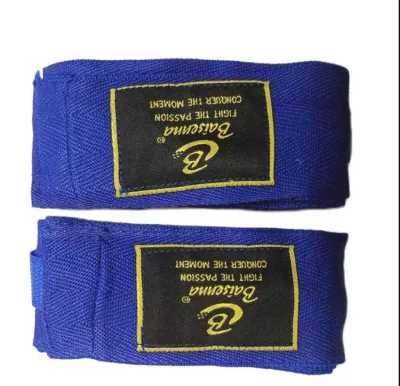
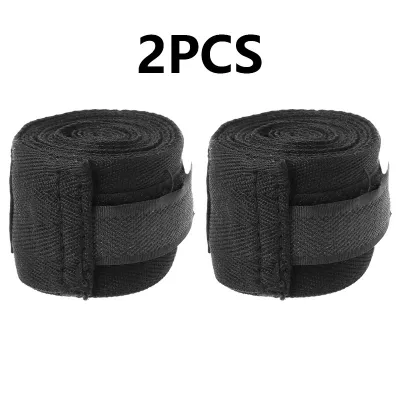
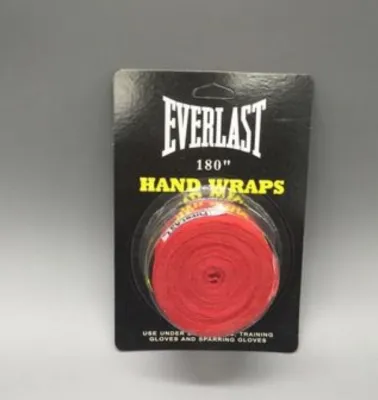
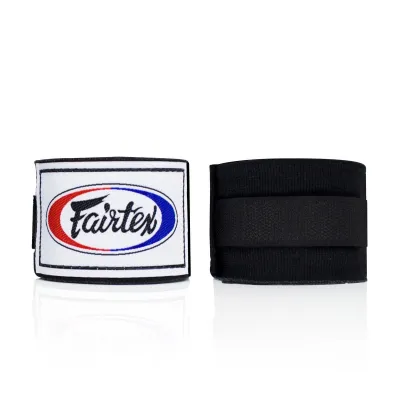
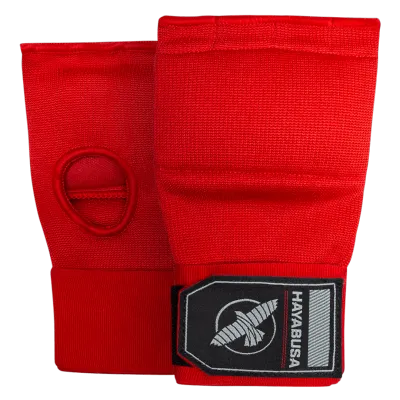
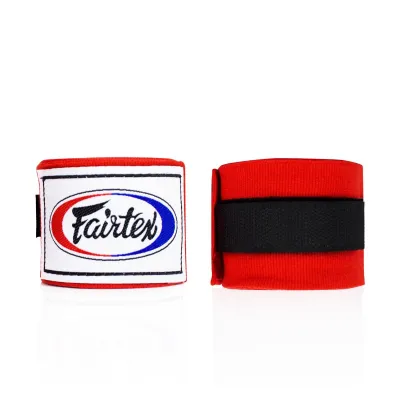
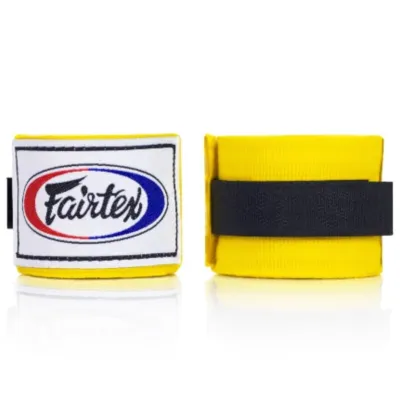
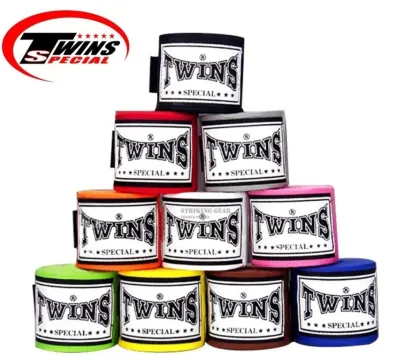
Prices are valid at publication and may change. Please refer to the product page for the latest price.
Elastic wraps are typically made from a blend of cotton and elastane or polyester. This synthetic integration allows the wrap to stretch along its length, giving you the ability to pull the fabric taut and achieve a highly customized level of compression. Because the material conforms closely to the hand, elastic wraps generally feel less bulky under a boxing glove than their pure cotton counterparts, though they require more care during application to avoid wrapping too tightly.
Hand wraps generally come in two standard lengths: 120 inches (approximately 3 meters) and 180 inches (approximately 4.5 meters). The 180-inch length is the standard choice for most adults, as it provides enough material to adequately cover the wrist, thumb, and individual knuckles. The shorter 120-inch wraps are typically reserved for children, individuals with exceptionally small hands, or speed bag workouts where minimal bulk is preferred.
Before purchasing any wrap, perform a quick hardware check on the closure system. Inspect the thumb loop stitching to ensure it is reinforced with cross-stitching, as this area experiences significant tension when you begin wrapping. Additionally, examine the hook-and-loop (Velcro) closure; a wider, high-quality adhesive strip ensures the wrap remains anchored to your wrist throughout high-impact training sessions.
Matching the Wrap to Your Training Style and Experience
For beginners, traditional cotton wraps are highly recommended because they offer a straightforward learning curve. When you are first learning how to wrap your hands, managing the tension of an elastic material can be difficult, often leading to wraps that are either too loose to provide support or so tight that they restrict blood flow. Cotton wraps provide immediate physical feedback; if you pull them too tight, you will feel the restriction instantly, helping you develop a consistent wrapping routine.

Advanced strikers and practitioners of multi-discipline martial arts, such as Muay Thai or Mixed Martial Arts (MMA), often prefer elastic wraps. Muay Thai involves active clinching, catching kicks, and parrying, all of which require a degree of hand flexibility that rigid cotton wraps can restrict. Similarly, MMA training requires transitioning from striking to grappling, where a contoured, elastic wrap allows the hand to open and close naturally without the fabric bunching up inside a smaller, open-finger glove.
Your choice of wrap should also align with your daily training focus. If your sessions consist primarily of heavy bag work, the repetitive, high-impact forces demand maximum wrist stabilization, making the rigid support of cotton highly beneficial. For sparring sessions, where you need a balance of protection, speed, and a streamlined fit inside standard 14-ounce or 16-ounce sparring gloves, the low-profile, conforming nature of elastic wraps is often more comfortable.
Fit, Comfort, and Daily Maintenance
In humid training environments, sweat management is a critical consideration for gear longevity. Cotton wraps are highly absorbent, acting like a sponge to soak up sweat and prevent moisture from damaging the inner lining of your boxing gloves. However, because they hold onto moisture, cotton wraps take significantly longer to dry. Elastic wraps, containing synthetic fibers, tend to dry faster but may feel slightly warmer on the hands during intense training sessions.
Over months of regular use, both materials will experience natural degradation. Cotton wraps are highly prone to shrinking, especially if washed in hot water or dried in a machine, which can cause the edges to curl and twist, making them difficult to lay flat during your next wrap. Elastic wraps do not shrink as easily, but they will gradually lose their elasticity over time, eventually stretching out permanently and failing to provide the necessary compression and support.
To preserve the integrity of your wraps, proper washing habits are essential. Always place your wraps inside a mesh laundry bag before throwing them into the washing machine; washing them loose will inevitably result in a tangled, knotted mess that can damage the fabric and the machine’s agitator. Secure the hook-and-loop fasteners before washing to prevent the rough Velcro from snagging the wrap fabric or other clothing, and wash on a cold, gentle cycle.
Air drying is the safest method to extend the lifespan of both wrap types. Hang them flat or drape them over a drying rack away from direct, intense heat or harsh sunlight, which can break down synthetic elastic fibers. Once dry, roll your wraps tightly starting from the Velcro end; this keeps them organized, prevents creasing, and ensures they are ready for quick application at your next training session.
Regularly inspect your wraps for observable signs of wear that indicate they need to be replaced. Look for fraying fabric along the edges, loose threads around the thumb loop, or a hook-and-loop fastener that no longer grips securely. If the fabric has become paper-thin or no longer provides a firm, supportive bind around your wrist and knuckles, replace them immediately to maintain proper hand protection.
Decision Framework: Which Boxing Wrap Should You Buy?
To finalize your decision, evaluate your training needs against the specific characteristics of each wrap type:
- Choose cotton wraps if: You are a beginner learning wrapping techniques, prefer a rigid, cast-like wrist lock for heavy bag training, or want a highly durable wrap that can withstand frequent washing without losing its structural properties.
- Choose elastic wraps if: You train in Muay Thai or MMA, prefer a contoured, high-compression fit that moves with your hand, or have larger hands that require the extra give of a stretchy material to fit comfortably inside your gloves.
Before making a purchase, verify your training environment’s requirements. Some traditional boxing gyms or competitive organizations have specific rules regarding wrap materials and lengths. Additionally, ensure your current boxing gloves have enough internal volume to accommodate the thickness of your chosen wrap; a thick, 180-inch cotton wrap may make tight-fitting gloves feel uncomfortably restrictive, whereas an elastic wrap of the same length offers a more streamlined profile. Always consult the manufacturer’s sizing recommendations to match the wrap length to your hand circumference.
Frequently Asked Questions (FAQ)
Can I use elastic wraps if I have small hands?
Yes, you can use elastic wraps if you have small hands, but you must manage the tension carefully. Because elastic wraps stretch, wrapping a small hand with a full 180-inch wrap can easily lead to excess bulk or excessive tightness if you pull too hard. Consider looking for shorter 120-inch or 140-inch elastic variants, and focus on keeping the tension snug but light to avoid restricting your circulation.
Do I need gel gloves instead of traditional wraps?
Gel quick-wraps offer convenience, slipping on in seconds, which is useful for light fitness boxing classes. However, they do not provide the customized, bone-binding support of a traditional hand wrap. For high-intensity training, heavy bag work, or sparring, traditional wraps are highly recommended to properly stabilize the wrist and individual hand bones.
How tight should my boxing wraps be?
Your wraps should feel like a secure, second skin—snug when your hand is open, and tight when you clench your fist. A good test is to wrap your hands, make a fist, and check if you feel any pinching or loss of sensation. If your fingers turn pale, feel cold, or begin to tingle, unwrap them immediately and reapply with less tension.
Community discussion
Share your experience or ask a question. Comments are reviewed before publication.