
Choosing the right elbow protection is often the difference between a quick recovery and a lingering injury. When your elbow aches during a workout or feels vulnerable during a sport, the instinct is to grab the first sleeve or pad you find. However, wearing the wrong type of gear can either fail to protect you from painful falls or leave an underlying tendon strain completely unaddressed.
The decision comes down to a simple distinction: do you need to stabilize the internal structures of your joint, or do you need to shield the outside of your arm from hard impacts? Finding the right elbow guard support or protective pad requires assessing your physical symptoms, the demands of your activity, and the environment in which you train.
Quick Diagnostic: Do You Need Joint Support or Impact Protection?
To make an informed decision, you must first distinguish between structural joint support and external physical protection. Support gear is engineered to manage internal forces. It utilizes compression, structural stays, or targeted straps to stabilize tendons, limit micro-movements, and promote blood circulation. This is crucial for managing chronic strains, tendonitis, or joint instability.
Products mentioned in this guide
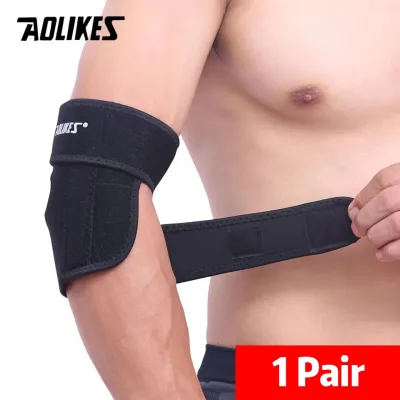
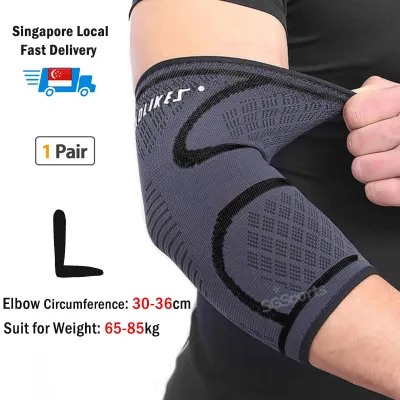
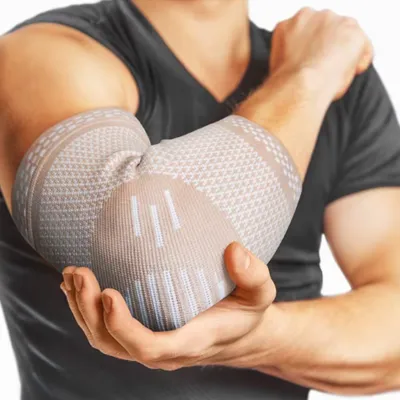
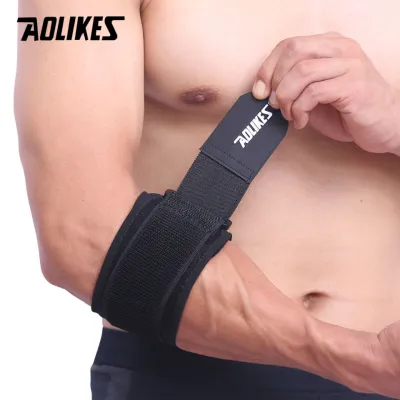
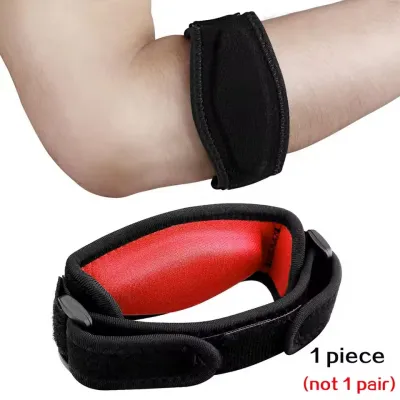
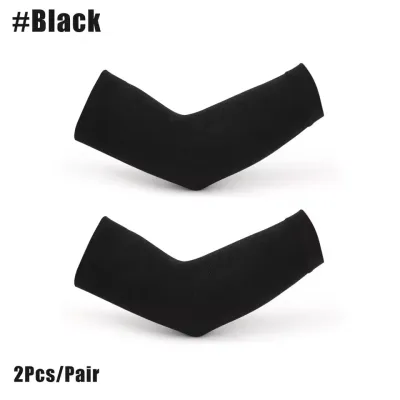
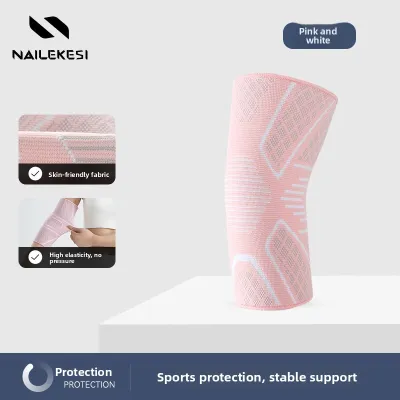
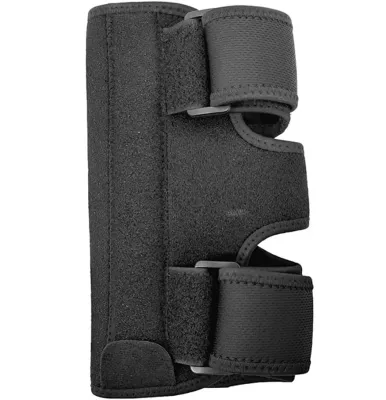
Prices are valid at publication and may change. Please refer to the product page for the latest price.
In contrast, protective padding is designed to absorb and disperse external forces. These guards feature shock-absorbing foams, gel inserts, or hard plastic shells that sit over the joint. Their primary job is to shield your skin and bones from abrasions, cuts, and blunt-force trauma caused by falls, collisions, or contact with hard surfaces.
To quickly identify your primary need, ask yourself these diagnostic questions:
- Where is the discomfort originating? If you feel a deep, dull ache inside the joint or sharp pain along the tendons when gripping or lifting, you need support. If your pain only occurs when you bump your elbow against a hard surface, you need padding.
- What is the main hazard of your activity? If your sport involves repetitive swinging, heavy lifting, or overhead throwing, joint strain is your main risk, requiring support. If your sport involves falling onto concrete, sliding on court floors, or colliding with other players, impact is your main risk, requiring padding.
- Does the joint feel weak or unstable? If you feel like your elbow might "give way" under load, or if you are recovering from a mild sprain, a supportive brace is necessary to assist your ligaments.
While self-assessment is incredibly helpful for choosing everyday athletic gear, it has clear boundaries. If you experience severe pain, rapid or visible swelling, joint deformity, an inability to bend your arm, or suspected ligament tears, do not rely on an over-the-counter elbow guard support. These are clear signs of a serious injury that requires immediate professional medical evaluation by a doctor or physiotherapist before you resume any physical activity.
Physical Signs That Require an Elbow Brace with Support
When your joint’s internal structures are compromised, your body sends clear signals that simple padding cannot address. One of the most common signs is a distinct feeling of weakness or instability when performing basic movements. If you feel hesitant when lifting heavy items, pushing open a heavy door, or bearing weight during a plank, your ligaments or tendons may be struggling to stabilize the joint, signaling a need for structured compression.

Another prominent indicator is localized tendon pain during repetitive motions. Tendon strain typically manifests in two distinct areas:
- Lateral Epicondylitis (Tennis Elbow): Pain and tenderness on the outer side of the elbow, which often intensifies when you grip objects, twist your wrist, or lift items with your palm facing down.
- Medial Epicondylitis (Golfer's Elbow): Discomfort concentrated on the inner side of the elbow, which typically worsens when flexing your wrist, squeezing a ball, or carrying heavy bags at your side.
For these conditions, an elbow guard support plays a vital role in recovery and pain management. The compression provided by a high-quality sleeve promotes blood flow to the area, which delivers oxygen and nutrients to damaged tissues while keeping the joint warm and flexible. Furthermore, targeted compression helps reduce micro-movements of the tendons, preventing further micro-tears during daily activities or light workouts.
To address these physical signs, support gear is generally categorized into three main types, each serving a specific level of instability:
- Compression Sleeves: These are lightweight, elastic garments that slide over the arm. They offer general warmth, mild compression, and proprioceptive feedback (an enhanced awareness of joint positioning). They are ideal for minor aches, mild stiffness, and post-workout recovery.
- Epicondylitis Straps and Clasps: These are narrow bands wrapped tightly around the forearm, just below the elbow joint. They feature a small foam or gel pad that applies targeted pressure to the extensor or flexor muscles. This pressure changes the angle at which the tendon pulls on the bone, significantly relieving pain during repetitive gripping tasks.
- Hinged Braces: These are heavy-duty supports featuring plastic or metal hinges along the sides of the joint. They are designed to restrict lateral movement entirely while allowing controlled bending and straightening. Because they are bulky and restrict natural mobility, they are typically reserved for post-operative rehabilitation or severe ligament instability under medical supervision.
Scenarios Where Basic Protective Padding is Sufficient
If your elbow joint is structurally sound and free of pain, but your sport exposes you to hard surfaces and high-speed falls, your priority shifts to impact protection. In these scenarios, compression and tendon straps offer little benefit. Instead, you need gear designed to absorb shock and prevent painful skin injuries.
High-risk outdoor activities on hard surfaces demand robust, impact-resistant gear. When skateboarding, rollerblading, cycling, or riding an electric scooter, a fall can force your elbow to impact asphalt or concrete directly. Without adequate protection, these high-velocity impacts can easily result in fractures, deep contusions, or severe abrasions (road rash).
Similarly, indoor court and mat sports present unique friction and impact hazards. In sports like volleyball, basketball, and various martial arts, players frequently dive for balls, slide across hardwood floors, or grapple on dense mats. Here, the primary risks are friction burns (floor burns) and blunt-force bruising from colliding with other players or the floor.
Basic protective gear focuses on dispersing these external forces across a wider surface area, protecting the bone and skin without restricting your natural range of motion. Unlike supportive braces, these guards do not apply tight, targeted pressure to the tendons. Instead, they rely on specialized defensive structures, which generally fall into two categories:
- Padded Elbow Sleeves: These feature a flexible fabric sleeve integrated with a layer of shock-absorbing foam or gel (such as EVA foam or reactive padding that hardens on impact). They offer excellent flexibility, low profiles under clothing, and protection against minor impacts and friction burns, making them a favorite for basketball and volleyball players.
- Hard-Shell Elbow Guards: These utilize a tough outer plastic cap backed by thick foam padding. The hard shell is designed to deflect impact and slide along rough surfaces like concrete, while the inner foam cushions the joint. These are essential for high-velocity sports like skateboarding, downhill mountain biking, and inline skating where sliding out of a fall is common.
How to Match Your Elbow Gear to Your Specific Sport
Choosing between support and protection requires looking closely at the movement patterns and physical demands of your specific sport. A runner has very different elbow needs than a tennis player or a skateboarder. By matching the gear to the activity, you ensure you do not restrict your performance with unnecessary bulk or leave yourself vulnerable to injury.
Racquet Sports (Tennis, Badminton, Squash) In racquet sports, your elbows endure rapid, repetitive acceleration, deceleration, and impact vibrations transmitted through the racquet. This constant strain makes players highly susceptible to tennis elbow. For these activities, impact padding is unnecessary and adds excess weight that slows down your swing. Instead, focus on tendon support and vibration dampening. A targeted epicondylitis strap or a lightweight compression sleeve with built-in silicone pressure pads is the ideal choice to relieve tendon tension while maintaining maximum wrist and elbow mobility.
Weightlifting and Calisthenics Lifting heavy weights, performing pull-ups, or executing overhead presses places immense structural load on the elbow joint. Here, the primary goals are joint warmth, stability, and maintaining proper alignment under load. You do not need hard plastic shells or thick foam padding. Instead, opt for thick, heavy-duty compression sleeves (usually made of 5mm or 7mm neoprene) or adjustable elbow wraps. These provide strong lateral stability, keep the joint warm to maintain synovial fluid viscosity, and offer deep compression that helps you feel secure during maximum lifts.
Impact and Court Sports (Volleyball, Skateboarding, Basketball) These sports require a heavy emphasis on shock absorption and skin protection. In basketball and volleyball, a flexible, padded elbow sleeve is ideal. It allows you to shoot, pass, and dive without restriction while protecting against floor burns and minor collisions. For high-impact outdoor sports like skateboarding or rollerblading, you must prioritize maximum impact deflection. Hard-shell elbow guards with adjustable straps are essential here, as they are designed to take the brunt of a fall onto concrete or wood ramps.
Golf The repetitive, high-velocity swing of a golf club can place excessive strain on the tendons of your lead arm, leading to golfer’s elbow. Similar to racquet sports, golfers do not require impact padding. A slim, adjustable tendon strap worn just below the elbow is highly effective. It applies precise pressure to the forearm muscles, reducing the strain on the medial epicondyle during your swing without interfering with your clothing or your follow-through.
Hybrid Options and Selection Verification If your sport involves both impact risks and joint fatigue, you may encounter hybrid products, such as padded sleeves that also claim to offer medical-grade compression. While these can be highly convenient, you must verify if they actually meet your primary need. Check the manufacturer’s product specifications to ensure the compression rating is sufficient for joint stabilization, or that the foam padding meets the impact safety standards required for your sport. Never assume a basic padded sleeve will provide enough structural support to protect a recovering ligament.
Sizing, Fit, and Comfort Checks for Humid Climates
In hot and humid environments, such as Singapore, selecting the right size and material for your elbow gear is critical to ensuring you actually wear it. High humidity leads to increased sweating, which can cause poorly fitted guards to slip, chafe, or trap heat, leading to severe skin irritation.
To find the perfect fit, always measure your arm rather than guessing your size. Use a flexible tape measure to find the circumference of your arm at two points: approximately 10 centimeters above the center of your elbow joint and 10 centimeters below it. Keep your arm relaxed and slightly bent during measurement. Compare these numbers directly to the manufacturer’s specific sizing chart, as sizing can vary significantly between brands.
When evaluating materials for humid weather, look for these specific comfort features:
- Moisture-Wicking Fabrics: Materials like nylon-spandex blends, perforated neoprene, or specialized synthetic knits draw sweat away from your skin to the outer layer of the fabric, where it can evaporate quickly.
- Mesh Ventilation Panels: Look for guards that feature open mesh panels on the inside of the elbow crease. This area is highly prone to sweat accumulation and pinching; a mesh panel ensures continuous airflow and prevents bunching.
- Non-Slip Silicone Grips: High-quality compression sleeves and padded guards often feature thin silicone wave bands along the inside of the upper cuff. This grip prevents the sleeve from sliding down your arm as you sweat.
- Adjustable Velcro Straps: For hard-shell guards and tendon straps, adjustable straps allow you to customize the tightness as your muscles expand during exercise, ensuring a secure fit without restricting blood flow.
Finally, regular maintenance is essential to preserve both the hygiene and performance of your gear. Sweat, body oils, and dirt can break down the elastic fibers in compression sleeves and degrade the adhesive or foam in protective pads. Always check the manufacturer’s care labels on your product. As a general rule, hand wash your elbow guards in cool water with a mild detergent, avoid fabric softeners (which can clog moisture-wicking pores), and air dry them completely out of direct sunlight to prevent the materials from becoming brittle.
Frequently Asked Questions (FAQ)
Can I wear an elbow support brace all day?
It is generally not recommended to wear a supportive elbow brace all day unless specifically instructed by a medical professional. Continuous wear can cause your forearm and bicep muscles to rely on the brace for stability, potentially leading to muscle weakness and dependency over time. Additionally, prolonged wear can trap moisture against your skin, increasing the risk of chafing and irritation. It is best to wear the support primarily during the activities that cause strain and remove it during periods of rest to allow normal blood circulation and muscle engagement.
Will a supportive elbow brace restrict my range of motion?
The impact on your range of motion depends entirely on the type of support gear you choose. Lightweight compression sleeves and tendon straps are designed to provide targeted pressure and warmth while allowing a complete, unrestricted range of motion, making them ideal for active sports. On the other hand, hinged braces and rigid splints are intentionally engineered to limit specific movements—such as hyper-extension or lateral twisting—to protect healing ligaments. Always check the product specifications to ensure the level of restriction matches your physical needs.
How do I know if my elbow guard is too tight?
Your elbow guard should feel snug and secure, but never painful or restrictive to your circulation. Clear warning signs that your guard is too tight include numbness or tingling in your hand or fingers, skin that feels unusually cold to the touch, a throbbing sensation in your arm, or deep, painful indentations left on your skin after removal. If you experience any of these symptoms, immediately loosen the adjustable velcro straps or switch to a larger size to prevent nerve compression and ensure safe blood flow.
Community discussion
Share your experience or ask a question. Comments are reviewed before publication.