
Choosing between an elbow strap and a full elbow brace depends on whether you need targeted pressure on a specific tendon or comprehensive support for the entire joint. An elbow strap is designed to relieve localized strain from repetitive movements, while a full elbow brace offers broader compression and stability for general joint weakness or recovery. Identifying the precise nature of your discomfort and the demands of your activity will guide you to the right choice.
Understanding the Difference: Elbow Straps vs. Full Braces
An elbow strap, often referred to as a counterforce band, is a narrow strap wrapped around the forearm just below the elbow joint. It works by applying targeted pressure to the muscle belly, which changes the angle at which the tendon pulls and dampens the force transmitted to the joint attachment. This localized mechanical intervention is highly specific and leaves the rest of the arm completely free.
In contrast, a full elbow brace covers the entire joint area and can come in several designs, including pull-on compression sleeves, wrap-around supports, or structured hinged braces. Instead of focusing pressure on a single spot, a full brace distributes compression across the entire joint, surrounding muscles, and connective tissues. This comprehensive coverage provides a physical barrier, warmth, and general sensory feedback to help you monitor your arm’s position.
Products mentioned in this guide

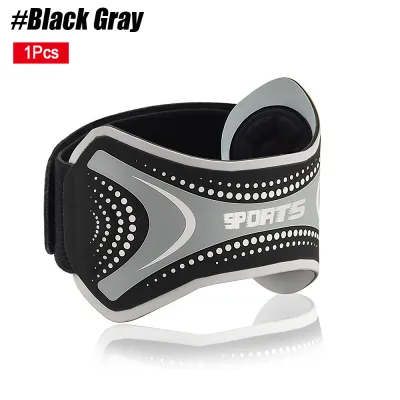
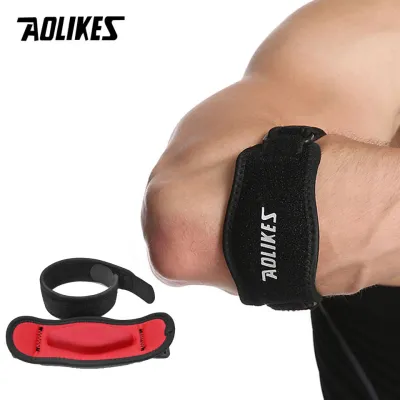
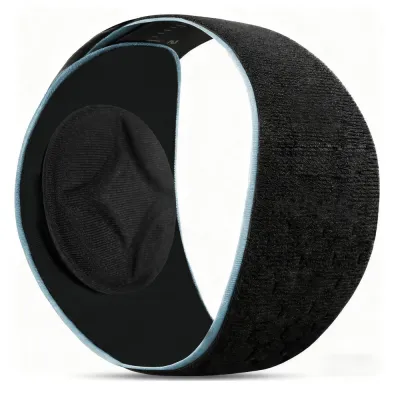
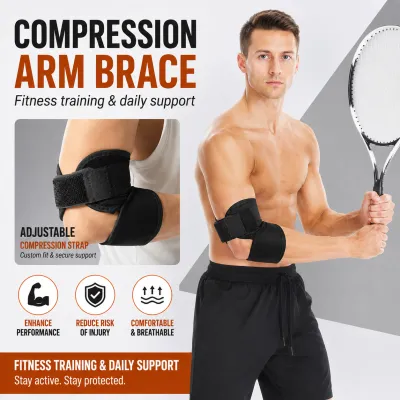
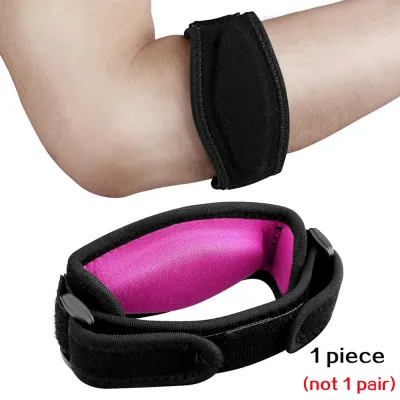
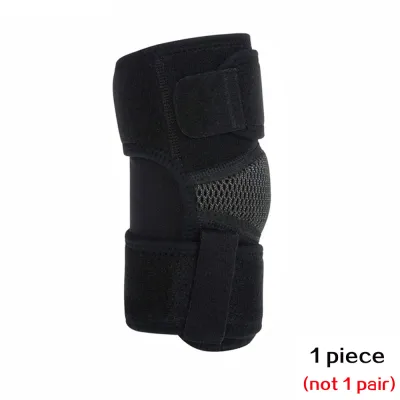
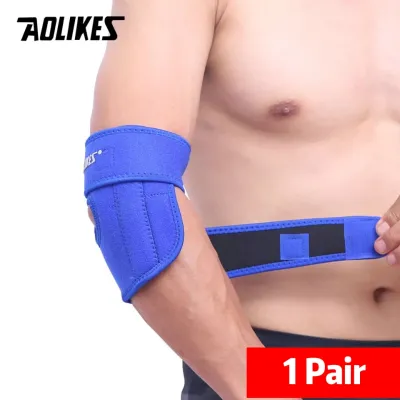
Prices are valid at publication and may change. Please refer to the product page for the latest price.
The primary functional distinction lies in the scope of support. A strap modifies localized mechanical stress during specific movements, whereas a brace offers generalized containment, warmth, and structural restriction. Understanding this difference prevents you from buying a bulky brace when you only need targeted relief, or a minimal strap when your entire joint requires stabilization.
Signs You Might Need an Elbow Strap
You might benefit from an elbow strap if your discomfort is highly localized and triggered by specific, repetitive hand or wrist movements. Common signs include a sharp or dull ache on the outer side of your elbow (often associated with tennis elbow) or the inner side (associated with golfer’s elbow) when you grip an object, twist a doorknob, or lift a cup. If pressing on a specific spot on your forearm muscle reproduces the discomfort, targeted pressure is typically the appropriate approach.

These symptoms frequently arise during activities that require repetitive wrist extension or flexion. Racquet sports, climbing, weightlifting, and even daily manual tasks like typing or painting are classic examples where an elbow strap can assist. The strap acts as a secondary anchor point, reducing the workload on the irritated tendon insertion during these specific motions.
However, elbow straps have clear limitations. They do not provide overall joint stability, meaning they will not prevent your elbow from hyperextending or twisting laterally. They also offer no structural alignment for the bones of the joint and do not retain thermal warmth, which some users prefer for general stiffness.
When a Full Elbow Brace Is the Better Choice
A full elbow brace is the more suitable option when your discomfort is diffuse, generalized, or accompanied by a feeling of joint instability. If your entire elbow joint feels weak, throbs after activity, or feels loose during movement, a strap will not provide sufficient support. A full brace offers the necessary surface area to compress the entire joint capsule, helping to manage swelling and provide reassuring physical feedback.
This comprehensive support is particularly valuable in high-impact scenarios or activities involving heavy, multi-joint loads. Contact sports, heavy powerlifting, and activities requiring hypermobility management generally demand the structural containment of a sleeve or a hinged brace. The full coverage helps protect the joint from external impacts and keeps the surrounding tissues warm and supported throughout your movement.
The trade-offs of a full brace center on comfort and mobility. Because they cover a larger surface area, full braces can feel bulky and significantly restrict your range of motion, which might hinder performance in sports requiring high agility. Additionally, they retain heat, which can lead to excessive sweat buildup and skin discomfort during extended use.
Self-Assessment Checklist: Matching Your Needs to the Right Support
To determine which support fits your current situation, evaluate your specific physical needs and environmental conditions using the following checklist:
- Identify the Pain Location: Is the discomfort concentrated on a single spot on the inner or outer forearm (choose a strap), or is it a deep, generalized ache throughout the entire joint (choose a brace)?
- Assess Mobility Needs: Does your activity require a completely free range of motion for quick arm extensions (choose a strap), or do you need physical restriction to prevent hyperextension (choose a brace)?
- Evaluate the Environment: In Singapore's hot and humid climate, heat retention is a major factor. If you sweat heavily or train in non-air-conditioned spaces, a lightweight, breathable elbow strap or a highly ventilated compression sleeve is preferable to a thick, neoprene full brace to avoid skin chafing.
- Check the Fit and Material: Ensure the support is adjustable. A strap with a hook-and-loop fastener allows you to fine-tune pressure, while a brace should offer breathable knit fabric or moisture-wicking properties to handle local humidity.
- Establish Stop Conditions: No over-the-counter support can replace professional medical advice or proper physical training. If you experience sudden swelling, severe pain, joint locking, or if your symptoms do not improve after a few weeks of rest and support use, stop the activity immediately and consult a qualified healthcare professional.
How to Ensure a Proper Fit and Safe Usage
To get the most out of an elbow strap, correct placement is essential. Position the strap approximately two to three centimeters below your elbow crease, directly over the muscle belly of your forearm, rather than on the joint itself. It should be snug enough to apply pressure when you grip, but not so tight that it causes your hand to throb or feel cold.
For full elbow braces, selecting the correct size based on the manufacturer’s measurement chart is critical to avoid circulation issues. When wearing a brace, perform a quick tension check: you should be able to slide one finger comfortably under the edges. If you experience skin pinching, numbness in your fingers, or a blue tint to your nails, the brace is too tight and must be loosened or resized immediately to prevent nerve compression.
Maintaining hygiene is vital, especially when exercising in humid conditions. Wash your elbow support regularly according to the manufacturer’s instructions to remove sweat, salt, and bacteria that can cause skin irritation. Always inspect your skin after removing the support; if you notice persistent redness, rashes, or chafing, allow your skin to heal completely before wearing the support again.
Frequently Asked Questions (FAQ)
Can I wear an elbow strap and a full brace at the same time?
Layering an elbow strap and a full brace is generally not recommended due to the high risk of over-compression and restricted blood circulation. Combining them can pinch nerves and restrict natural muscle expansion during movement. It is best to check the manufacturer’s guidelines for your specific gear and prioritize the single support method that matches your primary need.
How long should I wear an elbow support during a workout?
You should wear your elbow support only during the specific activities that aggravate your discomfort. Avoid keeping it on for extended periods of rest or throughout the entire day unless specifically instructed by a professional. Removing the support immediately after your workout restores normal blood flow, allows your muscles to work naturally, and lets your skin breathe to prevent sweat rash.
What should I do if my elbow pain worsens while wearing a strap or brace?
If your pain worsens, remove the support immediately and stop the activity. Warning signs such as numbness, tingling, a pins-and-needles sensation, or sharp, shooting pain indicate potential nerve compression or a more severe injury. These symptoms require a professional medical evaluation rather than continued self-management with retail supports.
Community discussion
Share your experience or ask a question. Comments are reviewed before publication.