
Direct Answer: Is There a Single "Best" Electric Shaker?
No single brand or model universally dominates the market for electric protein shakers. The optimal choice depends entirely on matching the physical design of the mixing mechanism and the specific insulation materials to your daily supplement routine and environment.
In Singapore’s warm, humid climate, a shaker that performs well in a temperature-controlled home might struggle to keep a shake cold during a long commute or an outdoor workout. You must evaluate individual product specifications rather than relying on broad brand reputation.
Finding the right bottle requires looking closely at how the motor drives the mixing process and whether the container uses genuine double-wall vacuum insulation. By verifying these physical attributes, you can select a model that keeps your drinks smooth and cold without relying on unverified marketing claims.
Products mentioned in this guide
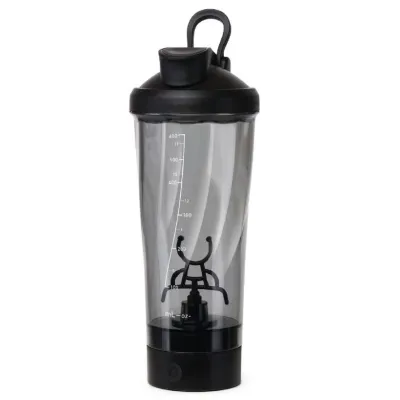
![[China Plug Without Adapter] Tronodor | Portable Electric Protein Shaker Cup](https://img.lazcdn.com/g/ff/kf/S459d0068d6d84ade9ff15f308fe4923cB.jpg_400x400q80.jpg_.webp)
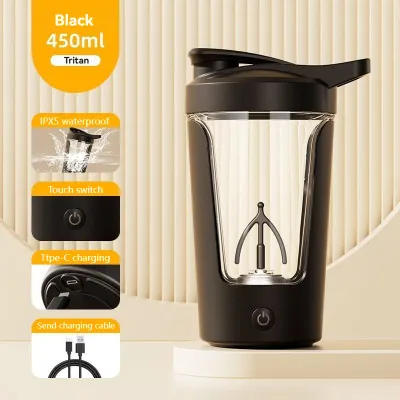
![[China Plug Without Adapter] Tronodor | Automatic Electric Protein Shaker Cup](https://img.lazcdn.com/g/ff/kf/S8c41e5947b634d51a5c52a88c8052037b.jpg_400x400q80.jpg_.webp)
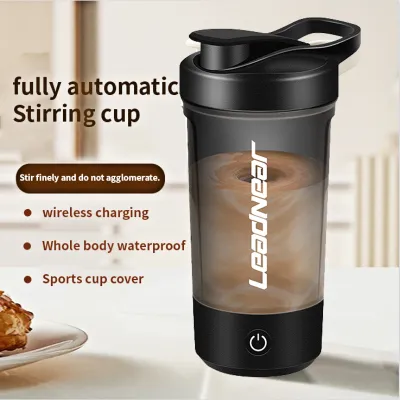
![[China Plug Without Adapter] leadnear | Automatic Electric Shaker Cup 500ml](https://img.lazcdn.com/g/ff/kf/S2e0233427152413fb3c03584938a1b40d.jpg_400x400q80.jpg_.webp)
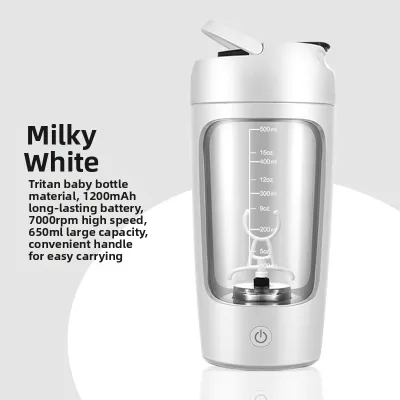
![[SG] 630ml USB Electric Portable Whey Protein Shaker bottle Fully Automatic Stirring Cup Rechargeable Gym Free Cocktail](https://img.lazcdn.com/g/p/28406d7486f0c853e86109a88bd2cdc2.jpg_400x400q80.jpg_.webp)
Prices are valid at publication and may change. Please refer to the product page for the latest price.
Key Dimensions for Evaluating Mixing Consistency
The core function of an electric shaker is to eliminate dry clumps and create a smooth texture. To evaluate how well a bottle will mix your supplements, you must first examine the design of the mixing element attached to the motor.

Magnetic stirrers utilize a small, detachable magnetic pill or disk at the bottom of the cup that spins when coupled with the motor base. This design creates a smooth vortex, operates quietly, and leaves the interior of the cup mostly free of complex parts, making it exceptionally easy to rinse clean.
Motorized whisk blades, which are typically fixed plastic or metal impellers, provide significantly higher mechanical shear. If you regularly consume dense mass gainers, thick meal replacements, or ultra-fine micronized powders, these high-torque blades are better suited to break up stubborn clumps.
You must also check the manufacturer’s stated maximum liquid capacity and recommended powder-to-liquid ratios. Overloading a small motor with too much powder or too little liquid increases viscosity, which can stall the motor or leave unmixed residue along the sides.
The internal geometry of the cup plays a critical role in fluid dynamics. Look for bottles with rounded interior bases rather than sharp 90-degree corners, as flat edges tend to trap dry powder where the liquid vortex cannot reach.
Finally, observe the speed settings offered by the motor unit. Models with variable speed controls allow you to adjust the agitation level based on the density of the supplement, preventing delicate proteins from over-foaming while ensuring heavier powders are fully suspended.
How to Verify Thermal Insulation Claims
Many electric shakers claim to keep drinks cold for hours, but physical construction is the only true indicator of thermal performance. Single-wall plastic or single-wall metal containers cannot prevent heat transfer and will sweat profusely in humid tropical conditions.
To help keep your pre-workout or protein shake cold, verify that the bottle features food-grade stainless steel with double-wall vacuum insulation. This construction creates a physical vacuum barrier between the inner and outer walls, stopping heat conduction and convection.
Be realistic when evaluating manufacturer-stated temperature retention hours, which are typically measured under controlled laboratory conditions. In daily use, factors like frequent opening, adding room-temperature water, and exposure to direct sunlight will significantly reduce actual cold retention.
The lid and sealing mechanism are often the weakest links in thermal retention. Inspect the thickness of the lid material and the quality of the silicone gaskets, as a poorly sealed lid allows heat to enter the container rapidly, regardless of how well the body is insulated.
A robust seal also prevents messy leaks when the motor is running or when the bottle is tossed into a gym bag. Look for deep, clean threading on the screw cap and a secure locking latch on the drinking spout to provide a reliable physical barrier.
Battery, Charging, and Waterproof Ratings
Because these bottles house electronic components, power management and water resistance are critical to long-term durability. You must choose between rechargeable lithium-ion batteries and replaceable alkaline batteries based on your lifestyle.
Rechargeable models, usually featuring USB-C charging ports, offer the convenience of modern charging standards and eliminate the ongoing cost of disposable batteries. However, you must verify that the internal battery capacity is sufficient to last through your typical weekly workout cycle.
Replaceable AAA or AA battery models offer the advantage of instant power restoration without waiting for a charge, making them useful for travel or outdoor training. The trade-off is the recurring cost and the environmental impact of battery disposal.
The Ingress Protection (IP) rating of the motor base determines how safely the unit can handle exposure to moisture. Look for an explicit IPX rating, such as IPX5 or IPX7, which indicates the level of protection against water splashes or temporary immersion during cleaning.
Without a verified waterproof rating, even minor splashes during rinsing can penetrate the housing, leading to short circuits, corrosion, or complete motor failure. Always treat unrated bases as highly vulnerable to water damage.
Automatic shut-off timers are an excellent safety feature to look for in the specifications. These timers automatically cut power to the motor after a set period, preventing battery drain, motor overheating, and accidental activation inside a packed gym bag.
Decision Framework: Matching Shaker Specs to Your Gym Routine
Selecting the right electric shaker requires a systematic comparison of your daily habits against the physical specifications of the bottle. Use the following guidelines to align your purchase with your specific training needs.
- For Light Supplements and Easy Cleaning: Choose a magnetic stirring model with a detachable motor base if your supplement regime consists primarily of thin whey isolates, pre-workouts, or BCAA powders. This setup provides quiet operation and allows for rapid, hassle-free cleaning between sessions.
- For Heavy Powders and Meal Replacements: Opt for a high-torque motorized whisk model if you regularly consume thick mass gainers, casein, or oat-infused shakes. The physical blades provide the necessary mechanical force to shear through dense mixtures that would stall a magnetic stirrer.
- For Long Commutes and Outdoor Workouts: Prioritize a double-wall vacuum-insulated stainless steel body with a secure, locking lid. This configuration helps keep your shake cold in warm environments and prevents condensation from dampening the contents of your gear bag.
- For Extreme Temperature Needs: If you require a bottle that can keep liquids hot for several hours, an electric shaker may not be the correct tool. The rapid pressure buildup from mixing hot liquids can be hazardous, and a standard, non-electric insulated flask is often a safer and more effective choice.
- For Local Maintenance and Longevity: Before finalizing your choice, verify the availability of replacement parts from online marketplaces or specialty sports retailers in Singapore. Being able to easily source replacement silicone seals, charging cables, or lid assemblies will significantly extend the lifespan of your investment.
Safe Cleaning and Maintenance for Motorized Bottles
Proper maintenance is essential to prevent bacterial growth and maintain long-term hygiene. Always begin by consulting the manufacturer’s specific disassembly instructions to avoid damaging the seals.
If your shaker features a detachable motor base, always separate it from the liquid chamber before introducing water. This simple step eliminates the risk of exposing the charging port or battery compartment to moisture during washing.
For models with integrated motors, pay close attention to the charging port cover. Verify that the silicone or rubber plug is firmly pressed into place before rinsing the exterior, and avoid submerging the base entirely unless the manufacturer explicitly states it is safe to do so.
To clean the interior, fill the chamber with warm water and a drop of mild dish soap, then run the motor for a few seconds to create a self-cleaning vortex. Rinse thoroughly with clean water, keeping the stream directed away from the electronic interfaces.
Stop using the bottle immediately and contact the manufacturer if you observe any warning signs of electrical or structural failure. These include swelling around the battery compartment, persistent burning odors, unusual grinding noises from the motor, or visible cracks in the waterproof seals.
Frequently Asked Questions (FAQ)
Can I put an electric protein shaker in the dishwasher?
Most electric protein shakers are not fully dishwasher safe due to the high temperatures and intense water exposure of a dishwasher cycle. The heat can warp plastic components, degrade silicone seals, and permanently damage the internal battery, motor, and charging circuitry.
You must check your specific user manual to determine if any parts are dishwasher safe. Typically, only the detachable upper liquid chamber and the lid—completely separated from the motorized base and any electronic elements—can be safely placed on the top rack of a dishwasher.
Do electric shakers work safely with hot liquids?
Mixing hot liquids in a sealed electric shaker can be highly dangerous due to rapid pressure buildup. When hot liquid is agitated by a motor inside a sealed container, the expanding air and steam create intense pressure that can cause the lid to blow off violently or spray hot liquid when opened.
To mix warm or hot beverages safely, you must verify the manufacturer’s maximum temperature limits and verify that the bottle is equipped with a dedicated pressure-release valve. Never run the motor with boiling liquids, and always open the drinking spout slowly to release any trapped pressure before consuming.
Community discussion
Share your experience or ask a question. Comments are reviewed before publication.