
Finding a reliable electric pump for pool floats in Singapore requires looking beyond basic marketing claims. With a tropical climate that invites year-round water recreation at beaches, condominiums, and public pools, a dependable pump is essential for inflating everything from giant lounge floats to children’s water toys. However, the local market is flooded with generic options that often fail after a few uses due to motor burnout, poor battery life, or incompatible valves. To make an informed decision, you must evaluate brands based on structural durability, electrical safety compliance, and power configurations that match your specific outdoor activities.
When planning a day out at East Coast Park or Sentosa, the last thing you want is a pump that fails halfway through inflating a large family float. A weak pump not only wastes valuable recreation time but can also overheat, posing a safety hazard. By understanding the technical specifications and build quality offered by reputable manufacturers, you can select a tool that performs consistently under local conditions. This guide outlines the essential criteria for evaluating electric pump brands, helping you build a reliable shortlist for your water recreation needs.
Core Criteria for Evaluating Electric Pump Brands
Evaluating the build materials of an electric pump is the first step in determining its long-term durability. High-quality brands construct their pump housings from Acrylonitrile Butadiene Styrene (ABS) plastic, which offers excellent impact resistance and thermal stability. This is particularly important in Singapore’s hot climate, where equipment is frequently exposed to direct sunlight on concrete pool decks or sandy beaches. Cheap, brittle plastics degrade quickly under UV exposure, leading to cracks and air leaks around the nozzle connections.
Products mentioned in this guide
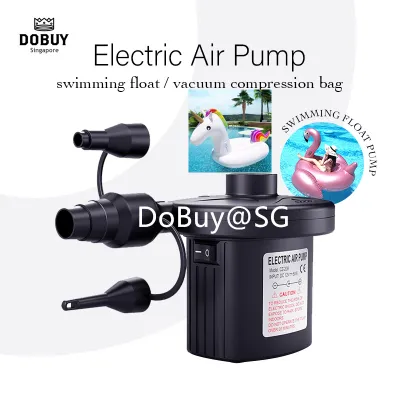
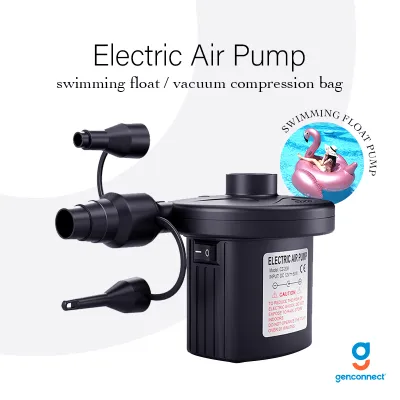
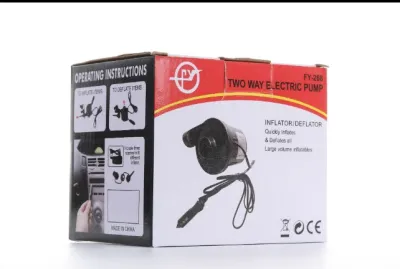
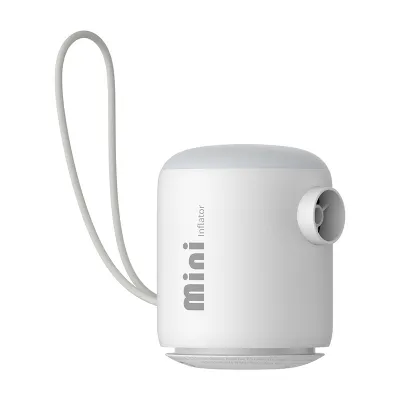
![[ SG Local Seller ] Electric Air Pump ★ Multi Functional for Air Bed ★ Air Sofa ★ Inflattable Swimming Float ★ Vacuum bag ❤ Inflation +Deflation T1109 [ By Kim Hyeon ]](https://img.lazcdn.com/g/p/b2073e02bfb1b9d57fceb7844b7425f2.jpg_400x400q80.jpg_.webp)
Prices are valid at publication and may change. Please refer to the product page for the latest price.
Electrical safety is another critical factor, especially for pumps that connect directly to mains power. When browsing brands, verify whether their AC adapters carry the local Safety Mark. This certification indicates that the electrical component has been tested and approved for safe use under local voltage standards, reducing the risk of short circuits or electrical fires. For rechargeable models, ensure the charging adapter or the internal battery management system complies with international safety standards to prevent overcharging.
A brand’s commitment to customer support and warranty coverage is a strong indicator of product reliability. Reputable manufacturers typically offer a warranty of at least one year and provide clear channels for customer service. Having access to a local distributor or a responsive online support team ensures that you can easily obtain assistance or replacements if a manufacturing defect arises. Avoid brands that offer no warranty or make it difficult to contact their service department, as these products are often designed for short-term use.
Power Options: Corded, Battery-Powered, and Car Adapter Models
Matching the pump’s power source to your typical usage environment is essential for convenience and efficiency. AC wall-powered pumps are the traditional choice for residential settings, drawing steady power from standard home outlets. These models offer continuous runtime without the risk of battery depletion, making them ideal if you prefer to inflate your floats at home or in a condominium function room before heading to the pool. However, their reliance on a mains outlet limits their portability for beach trips or public parks.

For maximum portability, battery-powered lithium-ion pumps are highly popular among outdoor enthusiasts. These cordless units allow you to inflate floats directly at the water’s edge, eliminating the need for long extension cords or nearby power sources. When evaluating cordless brands, look for those utilizing modern lithium-ion batteries, which offer better energy density and slower self-discharge rates than older battery chemistries. Keep in mind that battery capacity will naturally degrade over time, especially when exposed to high ambient temperatures, so choosing a brand with robust battery management is crucial.
If you frequently drive to coastal spots or campsites, a 12V DC car adapter pump offers an excellent balance of portability and continuous power. By plugging directly into your vehicle’s auxiliary power outlet, these pumps provide reliable inflation without the worry of a dying battery. They are particularly well-suited for inflating large, high-volume floats that would quickly drain a portable cordless pump. When choosing a 12V model, verify the length of the included power cable to ensure it can comfortably reach from your car to the ground where you plan to inflate your gear.
Nozzle Adapters and Valve Compatibility
A high-performing pump is of little use if it cannot establish a secure, airtight connection with your inflatables. Modern pool floats and water toys utilize several different valve designs, each requiring a specific nozzle shape. The most common is the classic pinch valve, found on smaller swim rings and beach balls, which requires a narrow, tapered nozzle to hold the internal safety flap open during inflation. Without the correct nozzle size, air will escape, prolonging the inflation process and straining the motor.
Larger recreational floats often feature Boston valves or screw-cap valves, which allow for rapid air intake and require wider, threaded adapters. For high-pressure inflatables like heavy-duty towables or inflatable paddleboards, specialized H3 valves are common, requiring a locking twist adapter to maintain a seal under pressure. Reliable pump brands include a multi-size adapter set that covers these common valve types. Look for brands that secure these adapters to the pump body or include a dedicated storage pouch to prevent them from getting lost during transport.
In addition to inflation, verify whether the pump supports a dedicated deflation function. Reversible airflow, achieved either through a secondary port or a switchable motor direction, is incredibly useful for packing up at the end of the day. Deflating a massive lounge float manually is time-consuming and rarely removes all the trapped air. A pump with a strong deflation capability pulls a vacuum on the float, allowing you to fold it flat so it fits easily into compact storage spaces in your home.
Inflation Performance and Pressure Management
To assess a pump’s efficiency, you must look at its airflow rate, which is typically measured in liters per minute (LPM). High-volume, low-pressure (HVLP) pumps are the standard for pool floats, as they move a large volume of air quickly at a low pressure. A pump with a high LPM rating can inflate a large family island float in a fraction of the time required by a basic model. If a brand does not specify the LPM rating, it may indicate a weaker motor that will struggle with larger inflatables.
It is important to distinguish between high-volume pumps and high-pressure pumps designed for bicycle tires or sports equipment. High-pressure pumps move very little air (low LPM) but at a high pressure (PSI), which can easily damage the seams of a vinyl pool float if used incorrectly. Conversely, using a low-pressure pump on an item that requires high pressure will cause the motor to stall and overheat. Some advanced pump brands feature built-in pressure gauges or automatic shut-off functions to prevent over-inflation and seam rupture.
During operation, pay close attention to the sound and temperature of the pump. A sudden change in the motor’s pitch or an excessively hot outer casing is a clear sign of mechanical or thermal strain. Reliable brands design their products with thermal overload protection, which automatically cuts power to the motor if it reaches a critical temperature. This safety feature prevents permanent damage to the internal windings and extends the overall lifespan of the device.
Building Your Shortlist: Pre-Purchase Verification Checklist
Before finalizing your purchase on any online marketplace, it is wise to run through a pre-purchase verification checklist. Start by cross-referencing the manufacturer’s advertised specifications with independent user feedback. Look for reviews that specifically mention the pump’s performance over several months of use, as initial impressions can sometimes mask long-term durability issues. Pay attention to comments regarding battery life consistency, nozzle fit, and how hot the unit gets during extended operation.
Verify the seller’s return policy and the availability of replacement parts before committing. A reputable seller should offer a clear return window in case the product arrives damaged or does not perform as advertised. Furthermore, check if the brand offers replacement nozzles or hoses for purchase separately. Because these small accessories are easily lost at the beach or pool, knowing you can buy replacements without purchasing an entirely new pump adds significant long-term value.
Finally, evaluate the price-to-performance ratio based on your anticipated usage frequency. If you only plan to inflate a few small pool toys for occasional family staycations, a basic, budget-friendly corded model is highly practical. However, if you frequently host pool gatherings, own large multi-person floats, or take regular trips to coastal parks, investing in a premium cordless pump with robust thermal management is a smarter choice. A higher initial investment in a durable pump will save you the hassle and cost of frequent replacements.
Safe Operation and Routine Maintenance
To ensure the longevity of your electric pump, always adhere to the manufacturer’s recommended continuous run times. Most portable electric pumps are designed to operate for a maximum of 10 to 15 minutes before requiring a cool-down period of equal length. Running the pump continuously beyond these limits can cause the motor to overheat, melting internal plastic components and leading to premature failure. If you have multiple large floats to inflate, plan your time to allow the pump to rest between items.
Protecting the pump from environmental hazards is crucial for maintaining its electrical and mechanical integrity. Although these devices are designed for water recreation accessories, very few electric pumps are fully waterproof. Keep the pump housing away from splashing water, wet sand, and high-humidity environments. Sand particles can easily enter the motor vents, causing mechanical friction and binding, while moisture can lead to internal corrosion and short circuits.
Proper storage and battery care are essential, particularly for cordless models during periods of inactivity. Before storing a battery-powered pump for the off-season, charge the battery to approximately 50% to 60% capacity rather than leaving it completely empty or fully charged. Store the unit in a cool, dry place away from direct sunlight, as extreme heat can accelerate battery degradation. Additionally, remember that while a properly inflated float provides buoyancy, it is not a substitute for swimming ability, water safety training, or active supervision when in the water.
Frequently Asked Questions (FAQ)
Can I use a standard mattress pump for heavy-duty pool floats?
Yes, standard air mattress pumps can generally be used for pool floats, as both applications require high-volume, low-pressure airflow. However, you must verify that the nozzle adapters fit securely. Heavy-duty pool floats made of thick PVC may require slightly more pressure to fully expand their seams than a standard indoor air bed. If the mattress pump lacks sufficient motor torque, it may run slowly, overheat, or fail to achieve the firm inflation needed for stability on the water.
What should I do if the pump motor gets hot during inflation?
If the pump motor becomes hot to the touch or begins to emit a warm plastic odor, stop operation immediately. Switch off the power source, disconnect the pump from the valve, and place it in a shaded, well-ventilated area to cool down for at least 15 to 20 minutes. Continuing to run a hot pump can trigger thermal overload, permanently damage the motor windings, or melt the plastic housing. Always ensure the air intake and exhaust vents are completely clear of obstructions during use.
Community discussion
Share your experience or ask a question. Comments are reviewed before publication.