
Transitioning from a traditional mouth-blown whistle to an electronic whistle is an increasingly common choice for football referees in Singapore. Whether officiating a fast-paced weekend social match on an artificial turf pitch or managing a youth tournament under the intense midday sun, the physical demands of refereeing require reliable, high-performing gear. An electronic whistle offers a hygienic, consistent, and strain-free alternative to traditional pealess models, allowing officials to focus entirely on positioning and match control. However, selecting the right device requires a clear understanding of acoustic performance, battery reliability, environmental durability, and local league compliance.
For many referees, the decision to switch is driven by the need for consistency. Traditional whistles depend heavily on lung capacity and physical exertion; if a referee is fatigued after a long sprint, the volume of the whistle can suffer. An electronic whistle eliminates this variable by delivering a uniform, high-decibel sound at the press of a button. This guide explores the essential factors to consider when choosing an electronic whistle, helping you build a reliable officiating toolkit that stands up to the unique demands of the local sporting landscape.
The Role of Electronic Whistles in Modern Officiating
The modern football pitch is a loud, dynamic environment where split-second decisions must be communicated instantly to players, coaches, and spectators. Traditional pealess whistles have long been the standard, but electronic whistles are carving out a significant role in modern officiating due to several practical advantages. One of the primary benefits is sound projection and consistency. In noisy environments—such as public stadiums, school sports days, or community pitches located near busy expressways—a whistle must be loud enough to cut through ambient noise. Because an electronic whistle relies on an internal speaker and battery power rather than human breath, it produces an identical, high-volume blast every single time, ensuring that play stops immediately when a foul is called.
Products mentioned in this guide
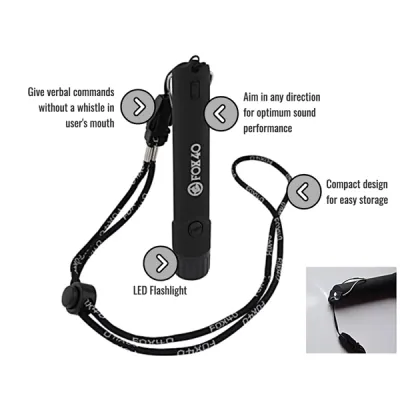
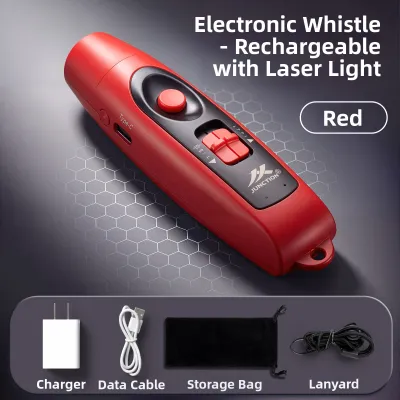
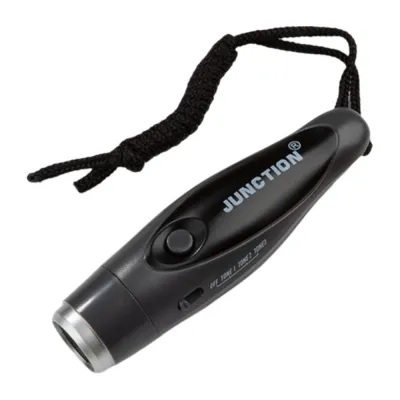
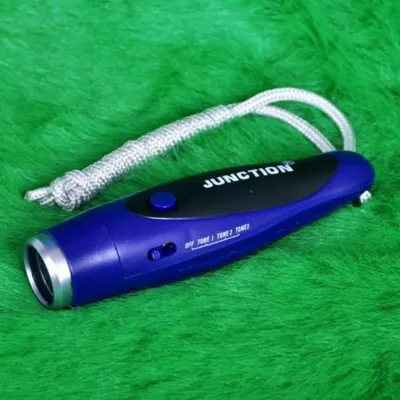
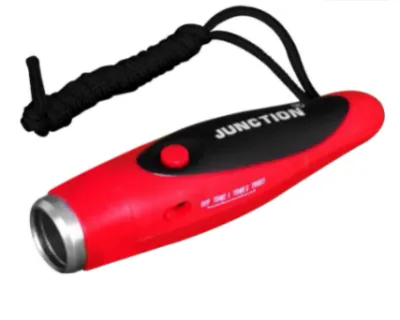
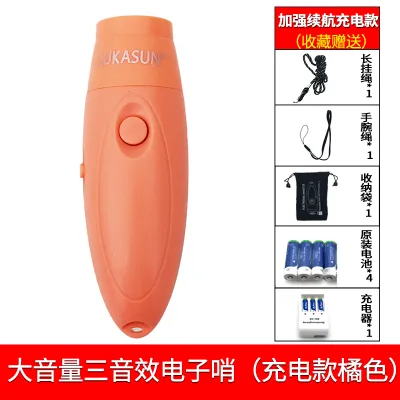

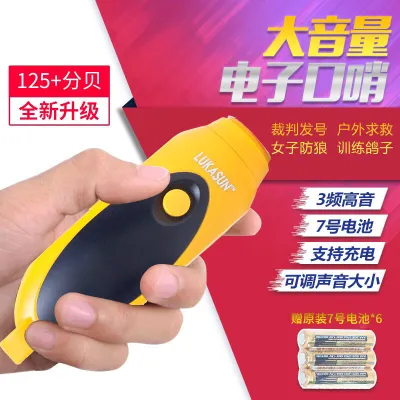
Prices are valid at publication and may change. Please refer to the product page for the latest price.
Another major advantage is the reduction of physical strain. Referees officiating multiple back-to-back matches during weekend tournaments often experience dry mouth, throat irritation, or jaw fatigue from constantly gripping a plastic or metal mouthpiece. This physical toll can affect concentration and overall performance. Handheld electronic whistles completely remove the need to keep a whistle in the mouth, allowing referees to breathe naturally, communicate verbally with players more easily, and run without the risk of accidentally swallowing or chipping a tooth on a traditional whistle during a sudden collision.
Hygiene is another compelling reason to consider an electronic alternative. In referee academies, school physical education departments, or multi-official crews where equipment is sometimes shared, traditional whistles present obvious sanitary challenges. Electronic whistles are operated entirely by hand, making them incredibly easy to sanitize and share among different officials without any oral contact. This makes them an excellent choice for training clinics and collaborative officiating environments where multiple users need to handle the same signaling device.
However, referees must also weigh these benefits against inherent limitations. The most significant risk is a reliance on battery power. Unlike a traditional whistle, which will always function as long as you have breath, an electronic whistle can fail if the battery drains mid-match or if the internal circuitry suffers a mechanical malfunction. Additionally, there is a slight tactile learning curve. Pressing a button requires a different physical reaction time compared to blowing into a mouthpiece, and referees must practice their timing to ensure there is no delay between observing an infraction and sounding the whistle.
Key Performance Features to Compare
When evaluating different electronic whistles, several technical specifications must be compared to ensure the device meets the rigorous demands of a football match. The first and most critical metric is the decibel (dB) output and sound frequency. To be effective on a standard 11-a-side football pitch, a whistle must be exceptionally loud. Referees should look for devices that offer a decibel rating of at least 120 dB. Furthermore, the frequency of the sound is vital; a high-pitched, sharp tone is necessary to cut through the low-frequency rumble of crowd chatter, shouting players, and ambient traffic. Many high-quality electronic whistles feature multi-tone selectors, allowing the user to choose between two or three distinct sounds. This feature is particularly useful when officiating in multi-pitch complexes, as it allows you to select a tone that does not mimic the whistle of a referee on an adjacent pitch.

The activation mechanism is another crucial design element. The placement and design of the button can make a significant difference in high-pressure situations. Referees should look for a prominent, textured button that can be easily located by touch without looking down. The button should offer clear tactile feedback, such as a distinct click, so the referee knows instantly that the device has been activated. The overall ergonomics of the device are also important; it must fit comfortably in the hand while running, gesturing to players, or holding yellow and red cards.
Power source options generally fall into two categories: rechargeable lithium-ion batteries and replaceable alkaline or button-cell batteries. Rechargeable models are highly convenient and environmentally friendly, often charging via standard USB ports. They are ideal for referees who officiate regularly and can establish a routine of charging their gear before every matchday. However, they require disciplined preparation. Replaceable battery models, on the other hand, allow referees to carry spare cells in their pocket or gear bag, offering a quick and easy solution if the power drains unexpectedly during a tournament. Referees should compare the expected runtime per charge or battery life to ensure the device can last through a full day of officiating.
Finally, the build materials and overall durability of the whistle must be assessed. Football refereeing is an active, high-movement role, and equipment drops are inevitable. The whistle casing should be constructed from high-impact ABS plastic or reinforced polycarbonate. A drop onto hard artificial turf, clay, or a concrete sideline should not crack the housing, dislodge the battery compartment, or damage the internal speaker.
Durability in Tropical Climates and Outdoor Pitches
Officiating outdoor football in Singapore’s tropical climate introduces specific environmental challenges that can quickly ruin poorly made electronic devices. High humidity, intense midday heat, and sudden, torrential downpours are common occurrences that referees must prepare for. Consequently, water and sweat resistance are non-negotiable features for any electronic whistle used locally. Referees should carefully check the Ingress Protection (IP) rating of any device before purchasing. An IP rating indicates how well the device is sealed against solids and liquids. For outdoor refereeing, a minimum rating of IPX4 is highly recommended, as it protects the device from splashing water from any direction, making it suitable for use during heavy rain. Devices with higher ratings, such as IPX5 or IPX6, offer even greater protection against water jets, ensuring the internal electronics remain dry even during severe tropical storms.
Heat tolerance is another critical factor. Leaving electronic equipment in direct sunlight on a hot pitch or inside a parked car can cause battery degradation, reduce overall runtime, or even warp plastic casings. Referees should select devices made from UV-resistant materials and avoid storing their gear in unventilated, high-heat environments. It is always best practice to keep the whistle in a shaded gear bag when not in use on the pitch.
Grip and handling are also heavily influenced by the local climate. When running in high humidity or heavy rain, a referee’s hands will inevitably become wet and slippery. An electronic whistle must feature a textured surface, rubberized side grips, or an ergonomic shape that fits securely in the palm. A slippery plastic device can easily fly out of a referee’s hand during an energetic signal, disrupting the flow of the game and potentially damaging the whistle. Many referees prefer models that come with integrated finger straps or wrist lanyards to ensure the device remains securely attached to their hand at all times.
Checking League Rules and Compliance Before You Buy
Before purchasing an electronic whistle, it is essential to verify whether the device is permitted in your specific officiating context. While electronic whistles are widely accepted in recreational, school, and amateur leagues, some official competitions may have strict guidelines regarding their use. Referees should always check the local football association regulations or the specific rules of the tournament organizer before stepping onto the pitch with an electronic device.
In grassroots and social leagues, electronic whistles are often highly welcomed because they promote hygiene and make officiating more accessible for older referees, school teachers, or individuals with respiratory conditions. However, in professional or highly competitive amateur tiers, match officials are often required to use traditional pealess whistles to maintain standardisation and ensure the sound matches player expectations. Some governing bodies may restrict electronic whistles to training sessions or specific youth development tournaments.
Acoustic safety is another compliance factor to keep in mind. Some leagues mandate that any electronic officiating aid must carry specific safety certifications to ensure the decibel level does not exceed safe exposure limits for players standing in close proximity. Referees should check the product specifications to ensure the device complies with local safety standards and does not pose a risk of hearing damage to players or other officials.
Regardless of the league rules, relying solely on an electronic device is a risk that no professional referee should take. Even the most reliable electronic whistle can suffer a sudden battery failure, mechanical glitch, or water damage mid-match. Therefore, carrying a traditional pealess whistle as a mandatory backup is an essential best practice. If your electronic whistle fails during a crucial moment in the game, you must be able to instantly switch to a traditional whistle to maintain control of the match without interruption.
Building Your Shortlist: A Pre-Purchase Checklist
To finalize your purchase decision and ensure you get the best value, it is helpful to use a structured evaluation framework. When building your shortlist of electronic whistles, start by verifying local warranty terms and the availability of replacement parts in Singapore. Purchasing from reputable local sporting goods stores or authorized distributors ensures that if the device malfunctions, you can easily obtain a replacement or repair without dealing with expensive international shipping. Additionally, check if replacement batteries or charging cables are readily available locally.
Next, assess the inclusion of essential accessories. A complete referee setup requires more than just the whistle itself. Look for packages that include adjustable lanyards, finger straps (which keep the whistle secured to the hand while running), and protective carrying cases. A good carrying case is particularly important, as it prevents accidental button presses inside your gear bag, which can drain the battery before you even arrive at the pitch.
Reviewing user feedback from other sports officials is also highly valuable. Referees who officiate in similar tropical conditions can provide practical insights into how a specific model holds up against heavy sweat, rain, and repeated drops over several months of use. Look for reviews that specifically mention long-term reliability and battery performance over time.
Finally, compare the total cost of ownership in S$. While a rechargeable model might have a higher upfront cost (often ranging from S$20 to S$60), it eliminates the ongoing expense of purchasing specialized button-cell batteries, which can add up quickly over a busy football season. Weigh the initial price against these long-term operating costs to determine which option offers the best value for your officiating schedule.
Frequently Asked Questions (FAQ)
Can an electronic whistle completely replace a traditional whistle during a match?
No, an electronic whistle should never completely replace a traditional whistle in your referee kit. While electronic models offer excellent consistency and hygiene benefits, they are still electronic devices subject to battery depletion, mechanical failure, or sudden water damage from heavy rain. Standard officiating best practices dictate that referees must always carry a traditional pealess whistle as a physical backup. This ensures that if your electronic device fails mid-game, you can instantly switch to a reliable backup and maintain control of the match without any disruption.
How do I clean and maintain an electronic whistle after a sweaty match?
To preserve hygiene and ensure the long-term functionality of your electronic whistle, proper post-match maintenance is essential. After a sweaty match, wipe down the exterior surfaces of the device with a non-corrosive disinfectant wipe or a damp cloth. Avoid submerging the whistle in water unless the manufacturer’s instructions explicitly state that the device has a high waterproof rating (such as IPX4 or higher). Be particularly careful around the speaker grille and battery compartment; do not allow moisture to pool in these areas. Always refer to the manufacturer’s guidelines for specific cleaning instructions to avoid damaging the internal circuitry.
Are electronic whistles allowed in all amateur and youth football leagues?
No, the allowance of electronic whistles varies significantly depending on the league, tournament organizer, and level of competition. While they are widely accepted in grassroots, youth, and recreational social leagues due to their hygiene benefits, professional and highly competitive amateur leagues may require traditional pealess whistles to maintain standardisation. Before officiating any match, it is highly recommended to consult the match commissioner, local referee committee, or tournament guidelines to confirm whether electronic officiating aids are permitted on the pitch.
Community discussion
Share your experience or ask a question. Comments are reviewed before publication.