
To fit an adjustable gym bench into a small HDB flat without cluttering your living space, you must prioritize a compact footprint, vertical foldability, and a manageable frame weight. The ideal bench for a high-density apartment is one that can be folded flat or stood upright in a closet or corner, yet remains stable enough to support your training load. Balancing these spatial constraints with structural safety is the key to building a functional home gym in a limited area.
Selecting fitness equipment for a compact home requires a shift in mindset from commercial gym standards. In a typical apartment, every square meter of floor space must serve multiple purposes throughout the day. A bench that cannot be easily moved or stored quickly becomes an obstacle, disrupting daily foot traffic and household chores. By focusing on specific design features, you can maintain a rigorous strength training routine without sacrificing the livability of your home.
Assessing Your HDB Space and Layout Constraints
Before browsing online marketplaces or visiting local fitness showrooms, you must accurately map the physical boundaries of your workout zone. HDB bedrooms and living rooms often feature tight corners, structural pillars, and built-in cabinetry that restrict where equipment can go. Start by measuring the exact floor area where you plan to perform your exercises, keeping in mind that you need space not just for the bench itself, but for your body and weights.
Products mentioned in this guide
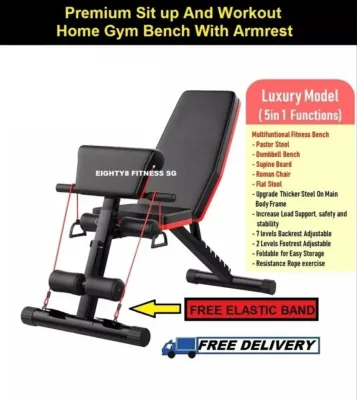
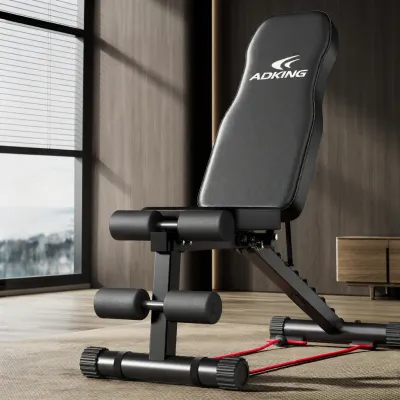

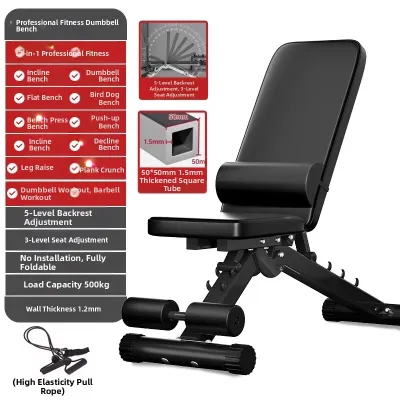
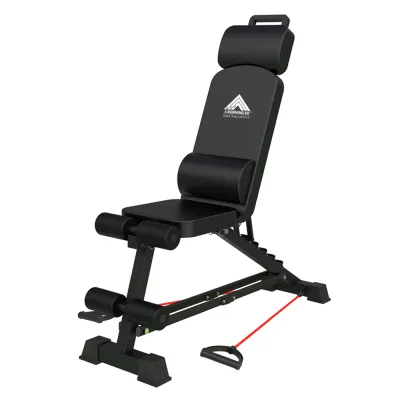
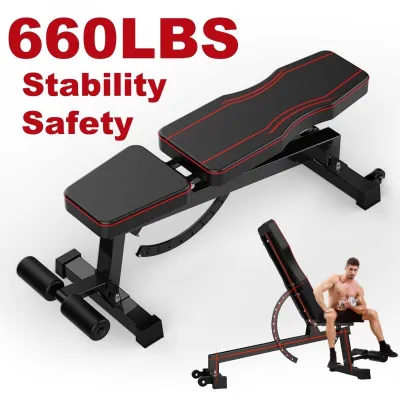
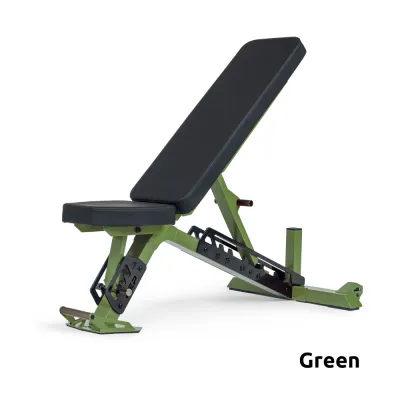
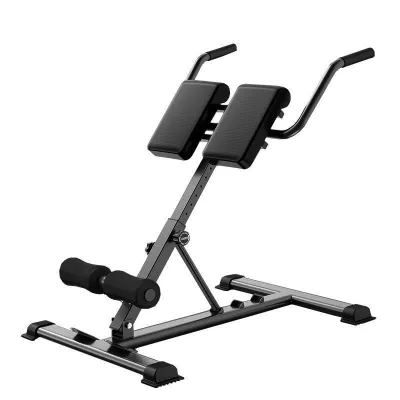
Prices are valid at publication and may change. Please refer to the product page for the latest price.
Clearance for movement is often overlooked during the planning phase. For example, when performing dumbbell chest presses or flyes, your arms will extend well beyond the sides of the bench. You must ensure there is at least one meter of clear space on either side of the bench to prevent your weights from striking walls, glass doors, or nearby furniture. Similarly, check the overhead clearance in your room, especially if you plan to perform seated shoulder presses, as low-hanging ceiling fans or light fixtures can pose a serious hazard.
Transporting the equipment into and around your home is another critical spatial consideration. Measure the width of your hallways, bedroom doors, and any tight turns near your household shelter or kitchen entrance. A heavy, non-folding bench can be incredibly difficult to maneuver through standard HDB doorways during delivery or when rearranging your layout. If your workout area is a multi-use zone, such as a shared living room or study, you must identify a dedicated storage spot—like a wardrobe gap or the space under a bed—and verify that the path to this spot is completely unobstructed.
Prioritizing Space-Saving Bench Designs
Maximizing a small workout area requires equipment designed specifically for tight quarters. Standard commercial benches are built for permanent placement on a spacious gym floor, whereas residential models must balance structural integrity with space-saving innovations. Evaluating how a bench folds and sits on the floor will help you find a model that integrates seamlessly into your home.

Foldability and Storage Mechanisms
The mechanism by which a bench folds determines how easily you can reclaim your living space after a workout. Flat-folding benches collapse into a low-profile shape that can slide horizontally under a bed frame or sofa. Alternatively, vertical-standing benches are designed to stand upright on their own feet or frame ends, utilizing vertical wall space in a corner or utility closet. If you plan to store the bench after every session, look for models equipped with built-in transport wheels on the base, which allow you to roll the equipment rather than lifting its entire weight.
When evaluating foldable designs, pay close attention to the locking mechanisms and hinges. High-quality folding benches utilize heavy-duty pull-pins, detent pins, or quick-release clamps to secure the frame in both its open and closed positions. Inspect these components to ensure they are easy to operate and do not require complex tools for daily setup. A folding mechanism that is tedious or difficult to use will eventually discourage you from putting the bench away, leading to a permanently cluttered room.
Footprint and Base Geometry
The geometry of the bench’s base directly influences both its stability and the amount of floor space it occupies during use. Benches typically feature either a T-base, a tripod design, or a standard four-legged rectangular base. A T-base or tripod design often provides excellent stability while minimizing the frame’s physical footprint, making it easier to position the bench close to walls or between other pieces of fitness gear.
The width of the rear stabilizer bar is another crucial dimension to verify. While a wider rear base offers superior lateral stability, it can also block pathways or prevent the bench from fitting into narrow alcoves. Measure your available floor width and compare it to the manufacturer’s base specifications. Additionally, ensure the base is fitted with thick, non-slip rubber end caps; these caps protect delicate HDB flooring materials like vinyl, laminate, or parquet from scratches and prevent the bench from sliding during high-intensity workouts.
Balancing Weight, Stability, and Safety
A common dilemma when choosing a home gym bench is balancing portability with structural safety. A lightweight bench is easy to lift and store, but it may feel unstable or wobble when you attempt heavy lifts. Conversely, a heavy, commercial-grade bench offers rock-solid stability but can be incredibly difficult to move around a small flat. Finding the right balance requires a careful look at weight capacities and frame construction.
To ensure your safety, always check the manufacturer’s maximum weight capacity, which must account for both your body weight and the heaviest weights you plan to lift. For example, if you weigh 80 kilograms and plan to press 40 kilograms of dumbbells, the bench must safely support at least 120 kilograms. Look for frames constructed from robust steel tubing with clean welds and minimal play in the joints. Frame rigidity is essential; a bench that twists or flexes under load can compromise your balance and lead to injury.
The physical weight of the bench itself also plays a role in preventing tipping. While a lighter frame is highly portable, it should still have enough mass to remain anchored to the floor during dynamic movements. If you are performing exercises where your center of gravity shifts, such as step-ups or single-arm rows, a bench that is too light can easily tip over. Look for models that strike a sensible middle ground, offering a sturdy steel frame that is manageable to lift but heavy enough to stay planted.
Evaluating Adjustability and Workout Versatility
An adjustable bench should offer a wide range of exercise options without requiring an excessively large frame. The adjustability mechanism must be smooth, secure, and easy to operate within a confined space. Ladder-style adjustment systems, where the backrest support drops into pre-cut slots, are generally faster and easier to adjust in tight spaces compared to pull-pin systems that require aligning holes in telescoping tubes.
Consider the specific angles you need for your training routine. A standard flat-incline-decline (FID) bench offers the greatest versatility, but the decline feature often requires a longer frame or additional leg rollers, which can increase the overall footprint. If you do not perform decline presses, a simple flat-incline bench may save valuable floor space. Ensure the backrest can adjust from a flat position up to a near-vertical 85 or 90 degrees for overhead pressing movements.
Another detail to inspect is the gap between the seat pad and the backrest when the bench is adjusted. A large gap can be uncomfortable and offer poor lower-back support during incline exercises. Look for designs that feature an adjustable seat pad that can tilt upward, which helps close the gap and prevents you from sliding forward when the backrest is inclined.
Common Sizing and Clearance Mistakes to Avoid
One of the most frequent mistakes home gym owners make is purchasing a bench based solely on its folded dimensions, only to find it unusable when fully assembled. Always verify the operational length of the bench when it is fully reclined into the flat or decline position. A bench that fits comfortably in a corner when folded may extend too far into a walkway or strike a wardrobe door when laid flat for bench presses.
Be cautious of multi-functional benches that accept bulky attachments, such as leg developers, preacher curl pads, or resistance band pegs. While these accessories promise a full-body workout, they significantly increase the physical length and height of the bench. In a small HDB room, these attachments can make the equipment incredibly awkward to store and may require you to constantly assemble and disassemble parts before and after every workout.
Finally, remember to account for the space required to access your weights. If you store your dumbbells on a floor rack or in a closet, you need enough clearance to walk over, pick up the weights safely, and sit down on the bench without tripping. Cramping your workout area too tightly increases the risk of dropping weights on your toes or damaging your home’s walls and flooring.
Frequently Asked Questions (FAQ)
Can I keep an adjustable gym bench permanently set up in a small bedroom? (FAQ)
Keeping a gym bench permanently unfolded is possible if your bedroom has at least a few square meters of unused floor space outside of the main walking paths. However, in a typical HDB bedroom, a permanently deployed bench can severely restrict access to wardrobes, make it difficult to open doors fully, and hinder routine cleaning like vacuuming or mopping. It can also block natural airflow from windows or air conditioning units, making the room feel smaller and more cramped. If you choose to leave it set up, ensure you have at least 60 centimeters of clearance around all sides for daily movement.
Do foldable adjustable benches wobble more than fixed commercial benches? (FAQ)
Foldable benches inherently have more moving parts, hinges, and joint connections than fully welded commercial benches, which can introduce a small amount of play or lateral movement. However, high-quality residential folding benches minimize this wobble by using precision-engineered joints, thicker locking pins, and reinforced stabilizer bars. To verify stability before buying, check the manufacturer’s specifications for joint tolerances and look for designs with wide base stabilizers. Avoid extremely cheap, lightweight folding models that use thin metal plates at the main pivot points, as these are much more prone to wobbling under load.
Community discussion
Share your experience or ask a question. Comments are reviewed before publication.