
Equipping your child with the right bicycle accessories is a highly effective way to ensure their safety, comfort, and compliance while cycling on Singapore’s Park Connector Network (PCN). These scenic, interconnected trails offer a fantastic environment for young riders to develop their cycling skills, but they are also shared spaces utilized by runners, pedestrians, and active mobility device users. Navigating these bustling paths safely requires a combination of physical protection, high-visibility gear, and strict adherence to local Active Mobility regulations.
To set your child up for a successful ride, you must focus on three core areas: protective gear that cushions impacts, visibility accessories that make them noticeable to others, and control components that keep them steady on their bikes. By systematically selecting and verifying each accessory, you can minimize the risk of accidents and ensure your family outings remain stress-free.
Understanding PCN Trail Safety and Local Regulations
Singapore’s Park Connector Network is governed by specific rules designed to keep all path users safe. Before setting off, parents must familiarize themselves with the latest Land Transport Authority (LTA) Active Mobility regulations. These rules mandate that all bicycles ridden on public paths must be equipped with functioning front white lights and rear red lights when riding during hours of darkness. Additionally, there are strict speed limits on shared paths—typically 15 km/h—which young riders must learn to respect to avoid collisions with faster cyclists or unpredictable pedestrians.
Products mentioned in this guide
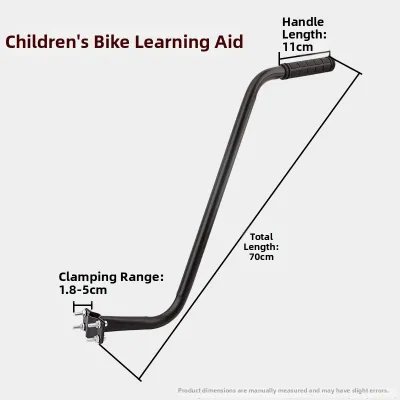
![[SG SELLER] READY STOCK ChildrenS Bicycle Auxiliary Push Handles Children Learn To Ride A Bicycle Safety Handrails / Guiding Practice Bikes Handlebars Black Color](https://img.lazcdn.com/g/p/6594f2674ea2ea17ac4de95dc5bbb0c0.jpg_400x400q80.jpg_.webp)


Prices are valid at publication and may change. Please refer to the product page for the latest price.
It is crucial to understand the difference between PCN shared paths and dedicated cycling tracks. Shared paths are marked with icons representing both pedestrians and cyclists, requiring riders to give way to those on foot. Dedicated cycling tracks, on the other hand, are reserved specifically for bicycles and personal mobility devices. Even on dedicated tracks, children must maintain a predictable line, avoid sudden swerves, and use audible signals when overtaking.
While equipping your child with the best accessories is essential, these items cannot replace active adult supervision and safe riding education. Children often lack the spatial awareness and hazard judgment of adults, making it vital for parents to ride alongside them, coach them on path etiquette, and teach them to anticipate potential dangers. Instruct your child to slow down at blind corners, keep to the left side of the path, and always stop before crossing roads or joining main paths.
Must-Have Protective Gear for Young Riders
Physical protection is the first line of defense against scrapes, bruises, and more serious injuries. When selecting protective gear, focus on proper fit, certification, and material quality rather than aesthetic appeal alone.

The most critical accessory is a properly fitted bicycle helmet. When purchasing a helmet, look for recognized safety certification labels inside the shell, such as CE EN 1078, CPSC, or AS/NZS 2063. To find the correct size, use a flexible measuring tape to measure your child’s head circumference about two centimeters above their eyebrows. The helmet should sit level on the head, covering the forehead, and the fit system—usually a rear dial—should be adjusted so the helmet does not wobble when the child shakes their head. The chin strap should form a snug ‘Y’ shape under each ear, leaving room for only one or two fingers between the strap and the chin.
Knee and elbow pads provide vital joint protection, especially for beginners, toddlers on balance bikes, or children transitioning to pedal bikes without training wheels. Look for pads featuring a hard plastic outer shell to slide along the pavement during a fall, paired with a soft, shock-absorbing foam backing. Because Singapore’s tropical climate can cause rapid heat buildup, verify that the pads use breathable mesh fabrics and adjustable hook-and-loop straps that allow for a secure fit without restricting blood circulation.
Cycling gloves are often overlooked but serve a dual purpose of improving grip and protecting hands during a fall. When children lose balance, their natural instinct is to put their hands out to break their fall, which can lead to painful skin abrasions. Look for gloves with padded palms—either gel or foam—and anti-slip silicone grips on the fingers. Ensure the gloves fit snugly without pinching the webbing between the fingers, and opt for half-finger designs to keep hands cool in warm weather.
Visibility and Lighting Accessories for Shared Paths
Being seen is just as important as seeing where you are going. On shared paths, where pedestrians may be distracted or walking dogs on long leashes, high-visibility accessories are indispensable.
A compliant lighting system is a legal requirement in Singapore during low-light conditions, but it is highly recommended to use them even during overcast days. The front light must emit a visible white beam, while the rear light must show a red light. When selecting lights, check for multiple brightness modes, including a flashing mode which is highly effective at catching the attention of other path users. Verify the manufacturer’s battery life labels to ensure the lights can last the duration of your planned ride, and choose mounts with robust rubber straps or brackets that remain stable on bumpy terrain.
Reflective gear acts as an excellent secondary visibility measure that requires no battery power. Consider adding reflective stickers to your child’s bicycle frame, wheel spokes, and pedals, which create a highly visible moving pattern when caught in the headlights of other path users. Reflective vests or high-visibility clothing in neon yellow, orange, or pink can also be worn over regular riding attire, significantly increasing the distance at which your child can be spotted from behind.
An audible warning device, such as a bicycle bell, is essential for polite communication on shared paths. The bell should produce a clear, resonant sound that can be heard from a reasonable distance without being overly harsh or startling. When installing the bell, position it close to the handlebar grip so your child can easily operate the lever with their thumb without releasing their grip on the handlebar. Practice with your child so they learn to ring the bell well in advance of overtaking pedestrians, giving people ample time to step aside safely.
Comfort and Control Accessories for Growing Kids
When a child is comfortable on their bicycle, they can focus more of their attention on steering, balancing, and watching for hazards. Simple additions to the bike can dramatically improve their overall control and stamina.
Staying hydrated is critical for maintaining focus and physical energy, particularly in Singapore’s humid climate. Install a lightweight bottle cage on the bicycle frame or handlebar stem, and pair it with a child-friendly water bottle. The bottle should feature a leak-proof valve that is easy for small hands to open and close with their teeth or a simple push-pull mechanism. Ensure the bottle size matches the cage securely so it does not bounce out when riding over tree roots or uneven pavement.
The contact points between your child and the bicycle—the grips and the pedals—directly influence steering and stability. Inspect the handlebar grips regularly to ensure they are soft, slip-resistant, and fitted with secure handlebar end plugs. These plugs are vital safety features that prevent the hollow metal ends of the handlebar from causing puncture injuries during a fall. Pedals should feature a textured, non-slip surface or small molded pins that keep your child’s shoes firmly in place, even when wet.
Mudguards are highly practical accessories for PCN trails, which often feature puddles or damp sections after sudden tropical downpours. Front and rear mudguards deflect water, mud, and small debris away from your child’s face, eyes, and clothing. This prevents sudden loss of vision from dirty splashes and keeps their clothes clean, ensuring they remain comfortable and focused on the path ahead.
How to Build Your Child's PCN Cycling Safety Checklist
To make safety a seamless part of your family cycling routine, establish a structured pre-ride checklist and prioritize your accessory purchases. Before every departure, perform a quick ‘ABC’ safety check with your child to ensure the bicycle is in roadworthy condition.
First, check the Air in the tires by squeezing them to ensure they are firm and properly inflated. Second, test the Brakes by squeezing the levers and pushing the bike forward; the wheels should lock instantly without the levers touching the handlebar grips. Third, inspect the Chain and drivetrain to ensure they are clean, lightly lubricated, and free of debris. Finally, verify that the helmet is securely adjusted and that all lights are fully charged and functioning.
When budgeting for accessories, prioritize legally mandatory and high-protection items first. Allocate your budget to a certified helmet, front and rear lights, and a clear-sounding bell. Once these essentials are secured, you can invest in comfort and control enhancements such as knee pads, gloves, mudguards, and hydration systems.
Knowing when to stop riding is just as important as knowing how to ride. Establish clear stop-conditions with your child: if they experience brake failure, hear unusual grinding noises, notice structural cracks in the frame or fork, or find that an accessory has become loose and cannot be tightened on the trail, they must stop riding immediately. In these situations, walk the bicycle safely to the side of the path and seek assistance from a professional bicycle shop to resolve the issue before resuming your ride.
Frequently Asked Questions (FAQ)
Do kids need a specific type of bell for PCN trails?
While there is no specific model mandated by local regulations, the Land Transport Authority expects all bicycles on public paths to have a functioning warning device. For children, a traditional spring-loaded striker bell or a rotary bell is ideal because they are easy to operate with small fingers. Avoid loud electronic horns or sirens, as these can startle pedestrians, leading to unpredictable movements that increase the risk of a collision. A polite, clear ‘ding-ding’ is the standard and most effective way to signal your presence on shared paths.
Can my child use a scooter helmet for cycling?
It depends entirely on the safety certifications listed inside the helmet. Many modern multi-sport helmets are certified for both cycling and scootering, but you must verify this by checking the safety labels (such as EN 1078). Traditional skate or scooter helmets often feature a thicker shell designed to withstand multiple minor impacts, whereas dedicated bicycle helmets are designed to deform and absorb a single major impact. Never allow your child to use a toy helmet or a helmet designed solely for non-impact sports, as they do not provide the necessary protection required for bicycle falls.
Community discussion
Share your experience or ask a question. Comments are reviewed before publication.