
Singapore’s Park Connector Network (PCN) spans hundreds of kilometers, linking scenic coastal routes, lush green corridors, and bustling residential hubs. Whether you are commuting to work, embarking on a weekend long-distance ride, or enjoying a leisurely evening spin, the PCN offers a safe and well-maintained environment for cyclists. However, because these paths are shared with pedestrians, runners, and other active mobility device users, riding safely and comfortably requires more than just a working bicycle. Equipping your bike with the right accessories is essential to ensure you comply with local path-sharing guidelines, stay visible in changing light conditions, and remain comfortable in Singapore’s tropical climate.
Selection Criteria for PCN Cycling Accessories
The PCN is a unique multi-use environment that demands specific gear choices. Unlike closed racing tracks or rugged mountain biking trails, these paths are shared spaces where speed limits apply and unexpected obstacles are common. Your accessory selection must prioritize clear communication, visibility, and adaptability to ensure a smooth journey for yourself and those around you.
Shared Path Etiquette and Visibility Requirements When navigating the PCN, you will frequently encounter families with young children, joggers wearing headphones, and slower-moving pedestrians. Your accessories must facilitate polite and effective communication. This means choosing warning devices that alert others of your presence from a safe distance without causing panic. Additionally, because the PCN transitions through various urban and natural landscapes, your lighting must make you highly visible to others without compromising their vision.
Products mentioned in this guide
Prices are valid at publication and may change. Please refer to the product page for the latest price.
Tropical Weather Considerations Singapore’s equatorial climate presents distinct challenges that directly impact your gear. High temperatures and intense humidity accelerate physical fatigue and cause heavy sweating, which can make handlebar grips slippery and uncomfortable. Furthermore, sudden tropical downpours can occur with little warning, turning dry paths into wet, puddle-filled tracks. Your accessories must be weather-resistant, rust-proof, and capable of protecting both you and your bicycle from water and road grime.
Weight and Mounting Compatibility Every accessory you add to your bicycle introduces extra weight and can alter its handling characteristics. Heavy items mounted high on the handlebars or seatpost can make the bike feel unstable, especially when navigating tight corners or making sudden stops on the PCN. It is crucial to choose lightweight accessories and mount them in positions that maintain the bike’s natural balance and center of gravity.
Essential Safety Accessories for Shared Paths
Safety on the PCN relies heavily on being prepared for sudden stops and low-light conditions. Equipping your bicycle with reliable safety gear helps protect you from unexpected incidents and ensures compliance with local path-sharing expectations.

Helmets: Fit, Ventilation, and Certification A properly fitted helmet is your primary line of defense. When riding in Singapore’s high heat and humidity, ventilation is just as important as impact protection. Look for helmets designed with deep internal cooling channels and multiple exhaust vents to allow heat to escape from your head. Before purchasing, verify that the helmet carries recognized safety certifications, such as CE EN 1078 or equivalent international standards, usually found on a sticker inside the helmet shell. Ensure the helmet features an adjustable dial-fit system at the back to secure it snugly against your head. A good fit means the helmet sits level on your forehead, about two finger-widths above your eyebrows, and the straps form a clean “V” shape under your ears.
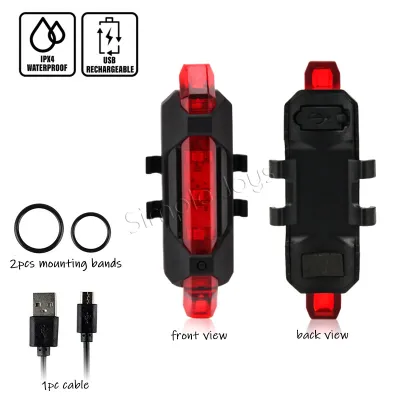
Lighting: Brightness and Beam Patterns Visibility is a critical safety factor, especially during early morning or late evening rides when portions of the PCN may not be fully illuminated by streetlights. Your front light should serve two purposes: helping you see the path ahead and helping others see you. Opt for a front light with adjustable brightness settings so you can dim the beam in well-lit urban areas and brighten it on darker coastal paths. Look for lights with a cut-off beam pattern, which directs light downward onto the ground rather than upward into the eyes of oncoming pedestrians and cyclists. Your rear light should be bright red and feature both steady and flashing modes to attract attention from behind, mounted high enough on your seatpost to remain unobstructed by your clothing or saddlebag.
Audible Signals: Bells vs. Electronic Horns Navigating a busy shared path requires a reliable way to signal your approach. A traditional mechanical bicycle bell is highly effective for PCN cycling. These bells produce a clear, high-pitched tone that pedestrians easily recognize as a bicycle without causing alarm. Electronic horns, while louder, can sometimes startle path users, leading to unpredictable movements. When choosing a bell, look for a compact design that mounts easily within thumb’s reach of your handlebar grips, allowing you to sound a warning without releasing your grip on the handlebars or brakes.
Comfort and Hydration Gear for Tropical Rides
Maintaining physical comfort and proper hydration is essential for enjoying long rides along the PCN, especially when facing Singapore’s intense midday heat.
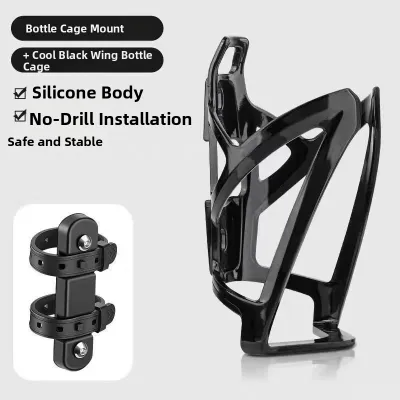
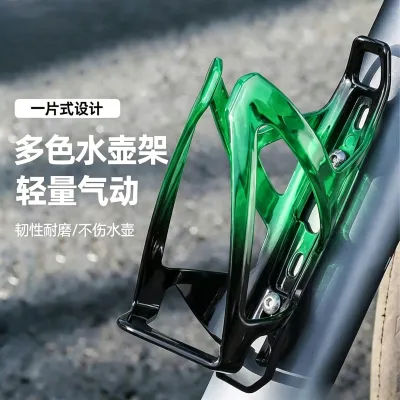
Hydration Systems: Cages, Bottles, and Packs Staying hydrated is paramount when cycling in Singapore’s tropical climate, where dehydration can set in rapidly. For short to medium rides along the PCN, a standard bottle cage mounted to your frame paired with an insulated water bottle is highly effective. Insulated bottles feature double-wall construction that helps keep your water cool for hours, providing refreshing relief during hot midday rides. For longer, multi-hour journeys where water replenishment points may be sparse, a lightweight hydration pack worn on your back can carry larger volumes of water. However, keep in mind that backpacks can trap heat against your back, so choose one with mesh shoulder straps and a ventilated back panel to maximize airflow.
Padded Gloves and Grips Long-distance riding on flat concrete PCN paths can place continuous pressure on your hands and wrists, leading to numbness or fatigue. Padded cycling gloves with gel or foam inserts help absorb road vibrations and distribute your weight more evenly across your palms. Additionally, gloves improve your grip on the handlebars when your hands become sweaty. Pair these with high-quality handlebar grips, such as lock-on rubber grips or ergonomic silicone foam grips, which prevent slipping and provide a secure hold even in wet weather.
Mudguards and Fenders Sudden rain showers are a common occurrence in Singapore. Even after the rain stops, PCN paths often remain wet and covered in puddles. Without mudguards, your rear tire will spray water, mud, and road grit directly onto your back, while your front tire splashes water onto your feet and drivetrain. Installing full-coverage mudguards provides the best protection, keeping you dry and clean. If your bicycle frame does not support full mudguards, lightweight clip-on fenders can be easily attached to your seatpost and front fork to deflect the worst of the spray.
On-the-Go Repair and Utility Add-ons
Being self-sufficient on the trail ensures that a minor mechanical issue does not turn into an exhausting walk home. Carrying a compact toolkit allows you to perform basic repairs quickly.
Puncture Repair Kits and Portable Pumps A flat tire can happen at any time, and being stranded far from a bike shop or transport hub is highly inconvenient. Carrying a basic puncture repair kit—consisting of tire levers, patches, and sandpaper—along with a spare inner tube is essential. To inflate your tire after a repair, you will need a portable pump. Verify whether your bicycle tubes use Presta (narrow) or Schrader (wide, car-style) valves, and choose a pump compatible with both. Manual mini-pumps are highly reliable and offer unlimited inflation, though they require physical effort. CO2 inflators provide instant inflation with minimal effort, making them convenient for quick trailside repairs, but they are single-use and require careful handling to avoid cold burns.
Multi-tools A compact cycling multi-tool is an invaluable asset for making quick adjustments on the go. Look for a tool that includes a range of hex keys (commonly 2mm to 8mm), a Torx T25 key, and both flathead and Phillips screwdrivers. These tools allow you to tighten loose handlebars, adjust your saddle height, or secure loose accessory mounts. Some advanced multi-tools also feature an integrated chain breaker, which can help you repair a broken chain and pedal home safely.
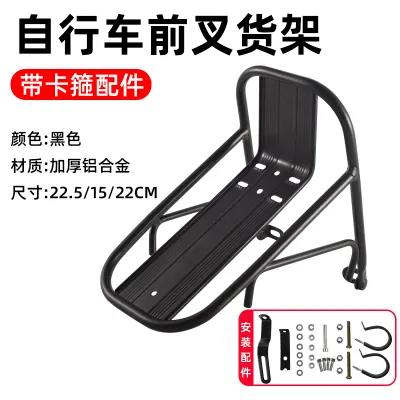
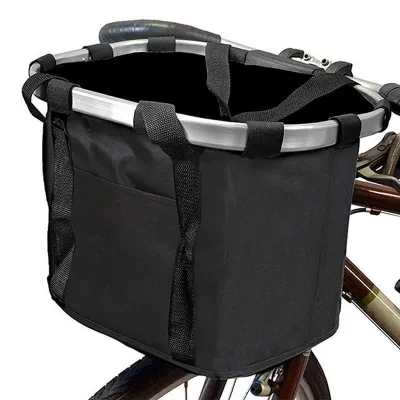
Storage Solutions To carry your repair tools, spare tubes, and personal items without the discomfort of a sweaty backpack, utilize dedicated bicycle bags. A small saddlebag mounts discreetly under your seat, providing just enough space for a multi-tool, patch kit, and spare tube. For larger items like a phone, wallet, or light jacket, a frame bag that fits within your bike’s front triangle or a top-tube bag offers easy access while keeping the weight centered. If you plan to carry groceries or heavier gear, installing a rear rack with detachable panniers distributes the load efficiently over the rear wheel.
Accessory Compatibility and Installation Checks
Before purchasing any accessories, it is essential to verify that they are compatible with your specific bicycle model to avoid installation issues or damage to your frame.
Frame Clearances and Mounting Eyelets Inspect your bicycle frame for dedicated threaded eyelets before buying mudguards, bottle cages, or rear racks. Many road and mountain bikes lack these mounting points, requiring you to look for strap-on or clip-on alternatives. Additionally, check the clearance between your tires and the frame or fork; tight clearances may limit the width of the mudguards you can install.
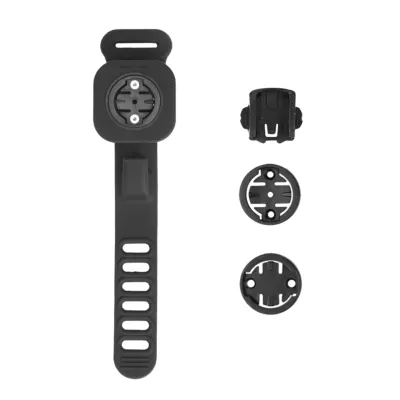
Handlebar and Seatpost Sizing Handlebars and seatposts come in various diameters. Standard handlebar clamp areas are typically 25.4mm, 31.8mm, or 35mm, while seatposts can range from 27.2mm to over 31.6mm. Measure these components or check your bicycle’s specifications before buying front lights, bells, or saddlebags to ensure the mounting brackets will fit securely without slipping or damaging the frame.
Weight Limits If you plan to install a rear rack for carrying heavy loads, check both the rack’s specified weight limit and your bicycle frame’s structural recommendations. Lightweight frames, particularly those made of carbon fiber, are not designed to carry heavy loads and can suffer structural damage if overloaded. Always distribute weight evenly and avoid exceeding the manufacturer’s guidelines to maintain safe handling on the PCN.
Frequently Asked Questions (FAQ)
Are bicycle bells legally required on the PCN?
Yes, under Singapore’s active mobility regulations, all cyclists riding on public paths, including the Park Connector Network, must have a functioning bell or warning device installed on their bicycles. Using a bell to alert other path users of your approach helps prevent collisions and ensures a safer environment for everyone.
What is the best way to secure my bike and accessories at PCN parks?
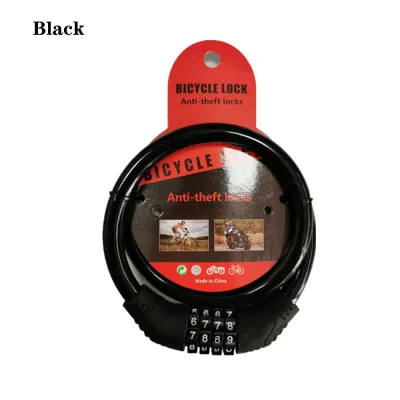
When stopping at PCN parks or amenities, secure your bicycle frame and rear wheel to a permanent fixture using a high-quality U-lock or heavy-duty cable lock. To prevent the theft of easily removable accessories, such as front and rear lights, cycling computers, and saddlebags, always detach them and carry them with you when leaving your bicycle unattended.
Community discussion
Share your experience or ask a question. Comments are reviewed before publication.