
Navigating Singapore’s Park Connector Network (PCN) requires a careful selection of bicycle accessories that balance personal safety, situational awareness, and path etiquette. Unlike dedicated road cycling or off-road trail riding, PCN cycling involves sharing narrow, paved paths with a diverse mix of pedestrians, runners, children, and pets. Choosing the right gear ensures you can communicate your presence politely, see and be seen under dense tree canopies, and monitor overtaking traffic safely without compromising your control of the bicycle.
Understanding PCN Safety: Selection Criteria for Shared Paths
The Park Connector Network spans hundreds of kilometers, linking parks and residential estates across Singapore. Because these paths are shared spaces, the dynamics of cycling here differ significantly from open roads. Cyclists must navigate around unpredictable movements from children, joggers wearing headphones, and pets on leashes. The speed limit on shared paths is set at 15 km/h to minimize collision risks, making high-speed aerodynamic gear unnecessary.
Instead, safety on the PCN relies on three core pillars: audible warning, visibility, and situational awareness. Audible warnings allow you to alert other path users of your approach from a polite distance. Visibility gear ensures you remain conspicuous in shaded areas, tunnels, and during low-light hours. Situational awareness tools help you monitor traffic coming from behind without losing focus on the path ahead.
Products mentioned in this guide
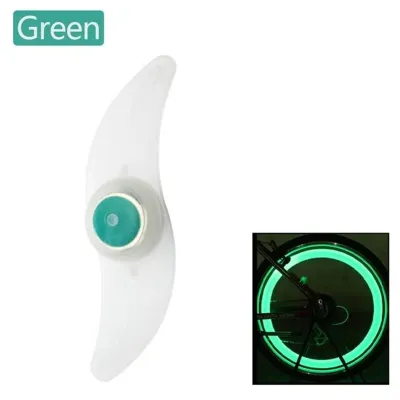
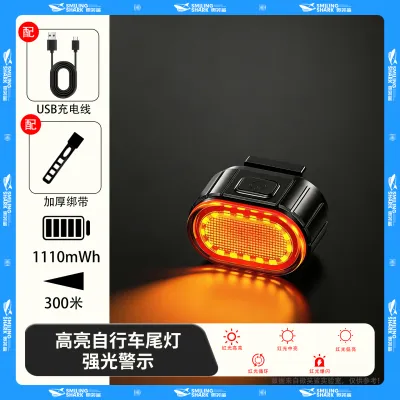
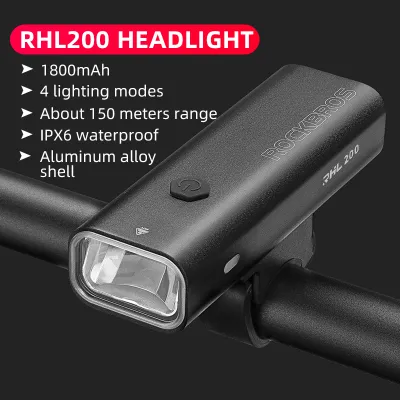
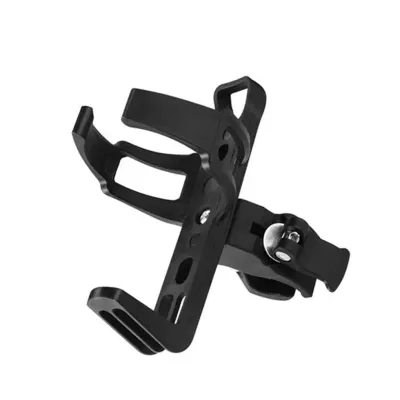
Prices are valid at publication and may change. Please refer to the product page for the latest price.
When selecting bicycle accessories for this environment, local conditions must guide your choices. Singapore’s tropical climate features high relative humidity, intense heat, and sudden torrential downpours. Accessories must be durable enough to resist moisture ingress and corrosion. Additionally, they must be non-intrusive; overly bright lights or aggressive horns can startle pedestrians, creating friction rather than safety.
Audible Warnings: Choosing Bells and Horns for Path Etiquette
Mechanical vs. Electronic Bells
Traditional mechanical bells remain the most reliable and socially accepted warning devices on shared paths. These spring-loaded bells produce a classic, clear metallic ring that pedestrians of all ages instantly recognize as a bicycle. They require no batteries, are highly resistant to the elements, and are typically made from brass, copper, or aluminum. A simple flick of the lever provides a friendly, non-threatening alert.

Electronic bells and horns offer alternative sound profiles, including electronic beeps, whistles, or simulated horn sounds. Many models allow you to adjust the volume to suit different environments. This flexibility can be useful if you regularly transition from quiet park paths to noisy roadside pavements where a mechanical ring might be drowned out by traffic.
For casual riders who stick primarily to the PCN, a mechanical brass bell is highly recommended due to its clear tone and universal recognition. Commuters who face mixed traffic conditions may prefer an electronic bell, provided they select a model with adjustable volume settings to avoid startling pedestrians in quiet park zones.
Selection Criteria and Limitations
Before purchasing an audible warning device, verify its mounting compatibility with your handlebars. Handlebar diameters vary, with flat-bar commuter and hybrid bikes typically measuring 22.2 mm at the grips, while drop-bar road bikes measure 31.8 mm near the stem. Ensure the mount fits securely without interfering with your brake levers, gear shifters, or phone mounts.
Keep in mind the practical limitations of each type. Electronic bells require diligent battery management, whether through regular USB charging or replacing button cells. Furthermore, excessively loud, motorcycle-style horns or compressed-air horns are highly inappropriate for shared paths. These devices emit deafening decibel levels that can cause panic, leading pedestrians to jump unpredictably into your path.
For optimal safety, position your bell lever where your thumb can reach it naturally while maintaining a full grip on the handlebar. You should be able to trigger the bell instantly in an emergency without having to shift your hand position or compromise your steering control.
Visibility Gear: Front and Rear Lights for Day and Night
Front Lights for Path Illumination and Presence
Front lights on the PCN serve a dual purpose: helping you see the path ahead and helping others see you. Unlike off-road trail lights that require powerful, focused spot beams to pierce complete darkness, PCN riding favors a wide flood beam. A wide beam illuminates the edges of the paved path, making it easier to spot low-hanging branches, wet leaves, or pedestrians stepping off the grass.
Many modern front lights feature a shaped “cut-off” beam, which directs light downward onto the ground rather than upward into the eyes of oncoming users. This is crucial on narrow shared paths where high-lumen, unshielded lights can temporarily blind oncoming cyclists and pedestrians. When riding under dense tree canopies or through underpasses, using a low-lumen steady mode or a gentle pulsing daytime running light (DRL) significantly improves your visibility.
Avoid using ultra-bright high-beam settings on shared paths. Keep your light output to a moderate level—typically between 100 and 300 lumens is sufficient for paved paths—and always angle the light casing slightly downward toward the ground.
Rear Lights for Approaching Traffic
Rear lights are critical for preventing rear-end collisions from faster cyclists, runners, or personal mobility device riders. On a shared path, a flashing mode is highly effective because the pulsing light catches the human eye much faster than a steady beam. Many rear lights offer smart features, such as built-in accelerometers that automatically brighten the light when you brake, signaling deceleration to those behind you.
When mounting a rear light, the seatpost is the most common location. However, if your bicycle features an aerodynamic, teardrop-shaped seatpost or a dropper post, verify that the light’s mounting bracket is compatible. Alternatively, look for lights that clip securely onto saddle rails, rear racks, or the back of your helmet.
To maximize safety at path intersections and crossings, select a rear light that offers side-visibility. Lights with curved lenses or side-facing LEDs project light in a wide arc, ensuring you are visible to traffic approaching from perpendicular angles.
Weather Resistance and Power Management
Singapore’s sudden tropical downpours demand high weather resistance from your electronics. When evaluating front and rear lights, check the manufacturer’s IP (Ingress Protection) ratings. Verify that the lights are rated at IPX4 (protection against splashing water) or higher, with IPX6 or IPX7 being ideal for riding through heavy rain storms. Ensure all rubber charging port covers are securely sealed before heading out.
Power management is another key consideration for regular riders. USB-C rechargeable lights are highly convenient and eliminate the waste of disposable batteries. Estimate your weekly riding duration and choose lights with runtimes that exceed your planned trips. Many lights feature low-battery indicators that drop into a low-power “get home” flash mode when the charge runs low, preventing you from being left in the dark.
Situational Awareness: Selecting Mirrors for Safe Overtaking
Handlebar-End vs. Helmet-Mounted Mirrors
Maintaining awareness of what is behind you is essential before making any lateral movements on a shared path. Handlebar-end mirrors mount directly into the hollow ends of flat handlebars. They provide a stable, wide-angle view of the path behind you and are highly effective for hybrid, folding, and commuter bikes. Their main drawback is that they widen your bike’s profile, making them susceptible to knocks when parking in crowded racks.
Helmet-mounted or glasses-mounted mirrors offer an alternative by clipping directly onto your helmet visor or eyewear frame. Because these mirrors move with your head, you can scan a wider area behind you simply by turning your head slightly. They keep your bicycle’s profile narrow and can be transferred easily between different bikes. However, they require a learning curve to adjust correctly and can slightly obstruct your forward peripheral vision.
Your choice should align with your bicycle type and riding habits. If you ride a flat-bar hybrid or folding bike and prefer a stable, car-like rearview mirror, a bar-end mirror is the most practical choice. If you ride a drop-bar road bike or prefer to keep your handlebars clear of accessories, a helmet-mounted mirror provides excellent flexibility.
Installation and Usage Limitations
When installing a bar-end mirror, ensure the expanding plug mechanism is tightened securely inside the handlebar. A loose mirror will vibrate excessively, especially when riding over brick-paved sections of the PCN, turning your rearview into a useless blur. Check the pivot ball joint regularly to ensure it remains stiff enough to hold its position against wind resistance and road bumps.
It is vital to understand the inherent limitations of any bicycle mirror. Mirrors reduce your blind spots but do not eliminate them. Before changing your line, overtaking a slower pedestrian, or turning across the path, you must always perform a physical shoulder check. A mirror should be used to monitor approaching traffic early, but it should never replace a direct look over your shoulder to confirm the path is clear.
Protective and Navigation Bicycle Accessories for Longer Routes
Helmets for Tropical Climates
While not legally mandated for adult cyclists on all shared paths, wearing a helmet is a fundamental safety practice. In Singapore’s hot and humid climate, heat retention is a major concern. Look for helmets designed with deep internal ventilation channels and multiple intake vents that actively draw air over your head as you ride. Lightweight helmets with moisture-wicking pads help manage sweat and prevent overheating.
For enhanced protection, consider helmets equipped with a rotational impact protection system, such as MIPS (Multi-directional Impact Protection System). These systems allow the helmet shell to rotate slightly around your head during an impact, redirecting harmful rotational forces away from your brain.
Remember that helmets are single-impact safety devices. If you are involved in a fall or drop your helmet heavily onto a hard surface, the internal expanded polystyrene (EPS) foam may compress to absorb the impact, rendering it ineffective for future protection. Always replace your helmet immediately after any significant impact, or every three to five years as recommended by manufacturers due to UV and sweat degradation.
Secure Phone Mounts for Navigation
Navigating the extensive PCN network often requires checking map applications on your smartphone. To do this safely, you need a highly secure phone mount. Avoid cheap, rigid plastic clamps that rely solely on friction. The high-frequency vibrations from riding over tactile paving, wooden boardwalks, and curb transitions can damage the delicate optical image stabilization (OIS) systems in modern smartphone cameras.
Instead, invest in high-quality mounting systems that feature vibration-dampening inserts and positive-locking mechanisms. Systems like Quad Lock, Peak Design, or magnetic-mechanical hybrids secure your phone firmly to the handlebar or stem cap. This keeps your hands free to steer and brake, allowing you to glance at navigation cues safely without holding your device.
Reflective Elements for Low-Light Conditions
Passive visibility accessories complement your active lights, providing an extra layer of protection during dawn, dusk, or night rides. Lightweight, highly breathable reflective sashes or elastic vests are ideal for tropical weather because they do not trap body heat like heavy polyester safety vests.
Reflective ankle bands are exceptionally effective because they create a moving reflection. As your legs pedal, the constant up-and-down motion of the reflective material catches the headlights of oncoming users and the attention of those behind you, instantly identifying you as a moving cyclist. Additionally, look for bicycle tires that feature reflective sidewall strips to enhance your side-profile visibility at crossings.
Quick Comparison of Essential PCN Safety Accessories
| Accessory Type | Primary PCN Benefit | Key Selection Feature | Main Limitation |
|---|---|---|---|
| Mechanical/Electronic Bells | Alerts pedestrians politely from a distance | Clear tone, handlebar clamp size | Electronic types require battery charging |
| Front Lights | Illuminates path edges and alerts oncoming users | Wide flood beam, cut-off lens, IPX6 rating | Can blind others if angled too high |
| Rear Lights | Prevents rear-end collisions from faster riders | Flashing modes, 180-degree side visibility | Aero seatposts require specific mounts |
| Bar-End/Helmet Mirrors | Monitors overtaking traffic without swerving | Stable mounting, adjustable ball joint | Does not eliminate the need for shoulder checks |
| Cycling Helmets | Protects head during falls or collisions | MIPS technology, deep ventilation channels | Must be replaced after any significant impact |
Frequently Asked Questions (FAQ)
Are bicycle bells legally required on PCNs?
Yes. Under Singapore’s active mobility laws, all bicycles ridden on public paths must be equipped with a functioning handbell. Beyond legal compliance, using a bell is a fundamental element of path etiquette, allowing you to alert pedestrians politely from a safe distance (ideally 10 to 15 meters away) before overtaking.
Do I need to use front and rear lights during daytime rides?
While Singapore law specifically mandates the use of front and rear lights from dusk to dawn (between 7:00 PM and 7:00 AM), using them during the day is highly recommended. Many PCN routes wind through heavily shaded park areas, dense tree canopies, and dark underpasses beneath major roads where ambient light drops significantly, making daytime running lights a valuable safety asset.
Can I use a loud motorcycle-style horn on shared paths?
No, using excessively loud, compressed-air, or motorcycle-style horns on shared PCN paths is highly discouraged and unsafe. These devices emit sudden, deafening noises that startle pedestrians, children, and pets. Instead of stepping aside, startled path users are likely to panic, freeze, or swerve unpredictably directly into your path, increasing the risk of a collision.
Community discussion
Share your experience or ask a question. Comments are reviewed before publication.