
Selecting the right bicycle backpack for riding along Singapore’s Park Connector Network (PCN) requires balancing comfort, stability, and weather resistance. Unlike standard daypacks, a dedicated cycling backpack is engineered to accommodate a forward-leaning riding posture, manage intense tropical humidity, and keep your gear secure over varied terrain. By focusing on key features like specialized back-panel ventilation, ergonomic harness systems, and integrated weatherproofing, you can ensure your daily commute or weekend leisure ride remains comfortable and hassle-free.
Assessing Your Current Bag: Regular vs. Cycling-Specific Backpacks
Before investing in a new bicycle backpack, it is highly beneficial to evaluate the performance of your current everyday bag on a short test ride. Load your usual gear into your standard backpack and head out for a quick spin around your neighborhood or a nearby PCN entry point. Pay close attention to how the bag shifts when you transition from standing to a seated pedaling position.
One of the most common issues with standard backpacks is shoulder strap slippage. Without a dedicated chest or sternum strap, the shoulder straps naturally tend to slide outward toward your upper arms as you reach forward to grip the handlebars. This constant movement forces you to repeatedly shrug your shoulders or manually adjust the straps, which distracts from your steering and compromises your safety on busy shared paths.
Products mentioned in this guide
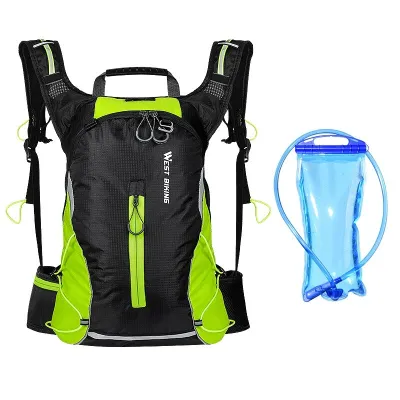
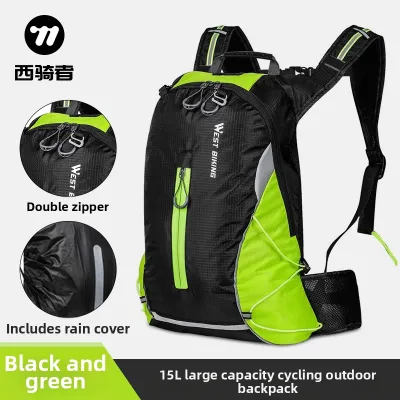
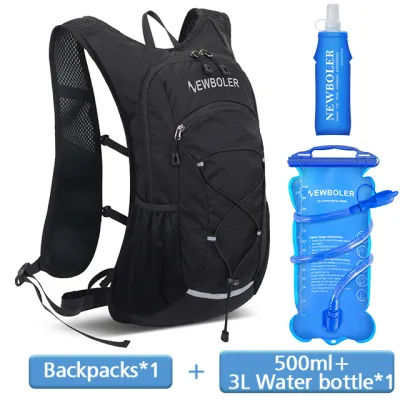
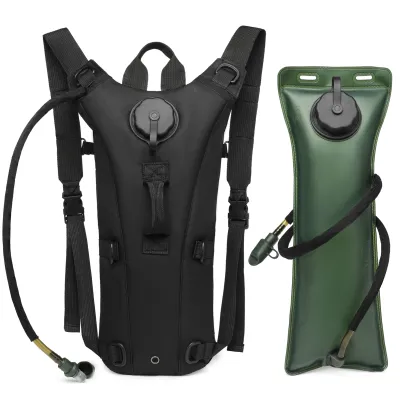
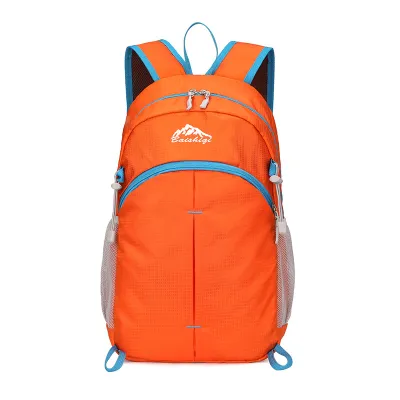
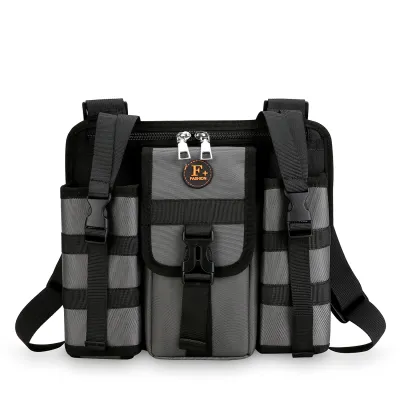
Prices are valid at publication and may change. Please refer to the product page for the latest price.
Another critical area to evaluate is back panel sweat accumulation and fabric friction. Standard canvas or heavy nylon school bags press flat against your spine, trapping heat and sweat with no path for airflow. Within a few kilometers of riding in a warm climate, this trapped moisture can cause uncomfortable chafing against your skin or clothing, while the rough fabric of a non-cycling bag can gradually pill or wear down delicate cycling jerseys.
Finally, check your current bag for missing external utility features that are essential for PCN riding. Standard backpacks rarely feature dedicated attachment points for safety lights, slots to slide in a heavy U-lock, or integrated mesh nets to secure your helmet when you stop at a cafe or food center. If you find yourself stuffing dirty locks inside your main compartment or struggling to mount a rear light securely, your current bag is likely falling short of your cycling needs.
Ventilation and Fit for Tropical Weather
Riding in a tropical climate means managing high humidity and constant perspiration, making back panel ventilation the single most important comfort factor. When shopping for a bicycle backpack, you will primarily choose between suspended mesh (often called trampoline) back panels and channeled foam-padded designs. Suspended mesh panels feature a tensioned mesh screen that keeps the main body of the pack several centimeters away from your back, allowing cross-breezes to flow freely and evaporate sweat.

In contrast, channeled foam-padded designs keep the backpack closer to your body’s natural center of gravity, which can feel more stable when carrying heavier loads. These panels utilize molded foam blocks with deep, recessed air channels designed to direct heat upward and outward. While they do not offer the same level of airflow as a suspended mesh system, they provide excellent load control and are highly suitable for fast-paced commuting where bag stability is paramount.
To prevent the backpack from bouncing or swaying as you pedal, look for a harness system that includes both an adjustable sternum strap and a waist belt. The sternum strap should be height-adjustable so you can position it comfortably across your chest without restricting your breathing. A wide, lightweight waist belt helps distribute the pack’s weight away from your shoulders and onto your hips, keeping the load centered even when you lean into tight corners on the PCN.
Pay close attention to the construction of the shoulder straps themselves, as they bear the initial weight of the pack. Opt for straps made from wide, perforated mesh that allows heat to escape rather than solid, heavily padded fabric. The edges of the straps should be soft and bound with smooth piping to prevent them from digging into your neck or shoulders when you are wearing lightweight casual wear or thin cycling jerseys.
Storage, Hydration, and PCN Essentials
The ideal capacity for a PCN bicycle backpack typically ranges from 10 to 25 liters, depending on whether you are planning quick fitness loops or full-day cross-island excursions. Within this volume, look for a smart compartment layout that separates your clean personal items from your dirty cycling gear. A dedicated, easy-access bottom or side pocket is perfect for storing a compact tire repair kit, spare inner tubes, a mini-pump, and a multi-tool, ensuring you can access them quickly without unpacking your entire bag.
Hydration compatibility is another essential feature to verify, especially for longer rides under the sun. Check if the backpack features an internal sleeve designed to hold a hydration bladder, complete with a secure hanging strap to prevent the bladder from bunching at the bottom. The pack should also have a dedicated exit port for the drinking tube and routing loops on the shoulder straps to keep the bite valve within easy reach while you ride.
If you prefer using standard water bottles, ensure the backpack has deep, elasticized side pockets. These pockets should be constructed from durable mesh or stretch-woven fabric and angled slightly forward, allowing you to reach back and retrieve your bottle without needing to dismount. Check that the elastic collar is tight enough to prevent bottles from launching out of the pockets when you ride over speed bumps or uneven wooden boardwalks along the park connectors.
For added versatility, look for backpacks that feature external storage solutions like expandable front stash pockets or integrated bungee cord systems. These features are incredibly convenient for quickly stowing a lightweight windbreaker or a damp towel without taking up valuable internal space. Some cycling-specific packs also include hidden mesh nets that clip to the exterior, providing a secure way to carry your helmet when you are walking around shopping malls or resting at a pit stop.
Weather Protection and Visibility
Sudden tropical downpours are a regular occurrence, making reliable weather protection a non-negotiable feature for any bicycle backpack. When evaluating a pack, check whether it includes a built-in, high-visibility rain cover stored in a dedicated zippered pocket at the base. These covers can be quickly pulled over the entire pack in seconds, providing an immediate barrier against heavy rain while also keeping road spray and mud off the main body of your bag.
Alternatively, you can look for backpacks constructed from highly water-resistant materials, such as TPU-coated nylon, featuring roll-top closures. Roll-top designs eliminate the need for traditional zippers, which are often the primary entry point for water during intense storms. By rolling the top collar down tightly and securing it with buckles, you create a highly reliable seal that keeps the interior dry even during prolonged exposure to heavy downpours.
Visibility is equally critical, particularly if your PCN rides extend into the early morning hours or past sunset. Ensure the backpack is equipped with prominent reflective elements, such as reflective piping, logos, or high-visibility panels that catch the headlights of passing vehicles or other path users. A dedicated, reinforced loop near the bottom of the pack is also essential for clipping on a bright, flashing LED safety light to maximize your visibility from behind.
If you plan to carry electronic devices like a laptop, tablet, or camera, verify that the backpack features a padded, water-resistant internal sleeve. This sleeve should ideally be suspended slightly above the bottom panel of the bag, protecting your devices from impact when you set the bag down on hard ground. Additionally, check that any external zippers accessing these sensitive compartments are polyurethane-coated water-resistant zippers to prevent moisture from seeping through the zipper teeth.
Decision Checklist: Matching Features to Your Riding Style
To finalize your choice, match the backpack’s feature set to your primary riding style on the Park Connector Network. If you are a daily commuter using the PCN to travel to work, prioritize a bicycle backpack that emphasizes internal organization. Look for dedicated laptop sleeves, pen slots, and a structured, professional aesthetic that transitions seamlessly from the bike path to an office environment, while still offering basic back ventilation and a rain cover.
For leisure riders and families who enjoy casual weekend outings, comfort and easy access should be your top priorities. Focus on lightweight backpacks with highly breathable, suspended mesh back panels to keep you cool at slower speeds. Ensure the bag has plenty of external pockets for quick access to snacks, sunscreen, and wet wipes, along with a simple, comfortable harness system that does not feel overly restrictive.
If your focus is fitness, training, or long-distance endurance riding, look for a highly streamlined, low-profile bicycle backpack. These packs prioritize aerodynamics and minimal weight, often omitting heavy internal organizers in favor of a single main compartment and a dedicated hydration sleeve. A secure, body-hugging fit with wide, ventilated straps is essential here to prevent any unwanted movement or chafing during high-cadence pedaling sessions.
Frequently Asked Questions (FAQ)
Can I use a standard hiking backpack for PCN cycling?
While a hiking backpack can carry your gear, it is designed for an upright walking posture rather than a forward-leaning cycling position. Hiking packs often feature taller frames that can interfere with the back of your helmet when you look up to scan the path ahead. Additionally, their thick, heavily padded waist belts are designed to transfer weight to the hips while walking, but can restrict your hip movement and cause uncomfortable chafing against your thighs while pedaling.
How do I clean a cycling backpack after a sweaty ride?
To maintain the performance of technical fabrics and prevent unpleasant odors, always consult the manufacturer’s care label first. Generally, you should hand wash the backpack in cool water using a mild, non-detergent soap, paying close attention to sweat-saturated areas like the shoulder straps and back panel. Use a soft-bristled brush to gently scrub away salt buildup, rinse the bag thoroughly, and hang it to air dry completely in a well-ventilated, shaded area away from direct sunlight.
Community discussion
Share your experience or ask a question. Comments are reviewed before publication.