
Navigating Singapore’s Park Connector Network (PCN) offers a fantastic way to explore the island, from scenic coastal loops to lush green corridors. To ensure a smooth journey, selecting the right bike accessories is key to managing the unique tropical climate and shared-path dynamics. While any standard bicycle can get you moving, outfitting it with purposeful gear transforms your ride into a safer, more comfortable, and highly reliable experience.
The essential gear for local trails centers on two main priorities: shared-path safety and tropical climate adaptation. By focusing on visibility, polite communication, proper hydration, and quick-maintenance tools, you can confidently tackle long cross-island routes like the Round Island Route or the Rail Corridor.
Understanding the PCN Environment: What Your Gear Needs to Handle
Singapore’s Park Connector Network spans hundreds of kilometers of paved, well-maintained paths. However, unlike dedicated velodromes or open roads, these trails are shared spaces. You will constantly share the path with pedestrians, joggers, families with strollers, personal mobility device (PMD) users, and pets, requiring heightened situational awareness.
Products mentioned in this guide
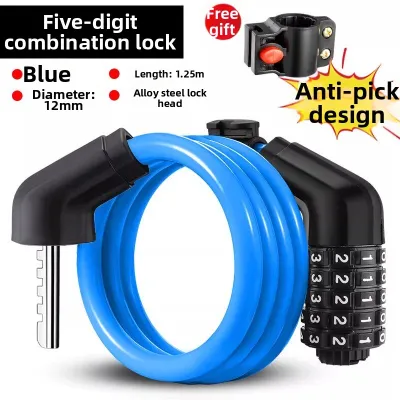
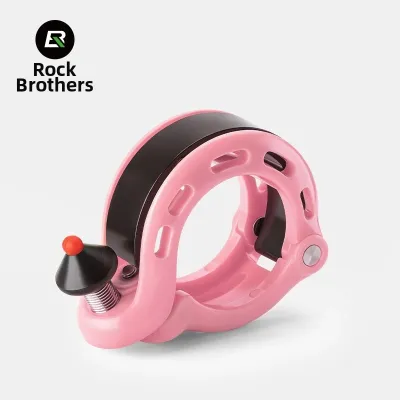
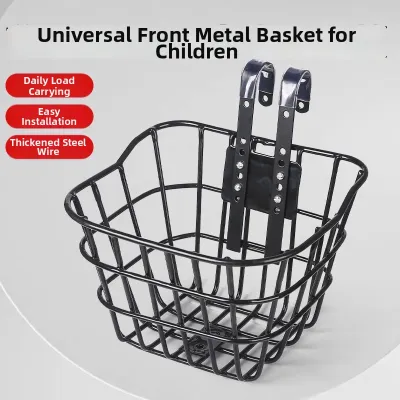
Prices are valid at publication and may change. Please refer to the product page for the latest price.
The physical environment also presents distinct challenges. Dense tree canopies along routes like the Ulu Pandan or Changi Airport Connector create sudden, dark pockets of low visibility, even on bright afternoons. Additionally, the equatorial climate brings intense heat, high humidity, and sudden, torrential downpours that can quickly flood low-lying path sections.
To ride comfortably here, your accessory selection must address these specific conditions. Your gear should focus on “shared-path safety” to protect vulnerable trail users and “tropical climate adaptation” to manage your physical stamina. The right setup ensures you remain visible, dry, and self-sufficient throughout your journey.
Safety and Visibility: Bike Accessories for Shared Paths and Low-Light Trails
Safety on shared pathways relies heavily on proactive communication and passive visibility. Because the PCN accommodates users moving at vastly different speeds, being seen and heard well in advance prevents sudden, dangerous maneuvers.

Lighting Systems (Front and Rear)
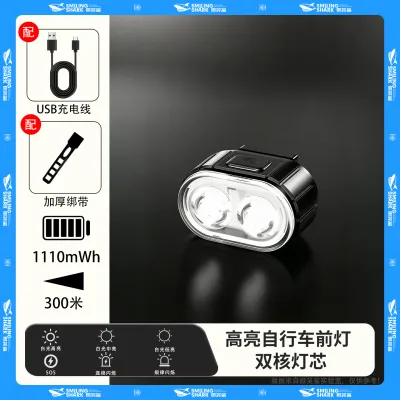
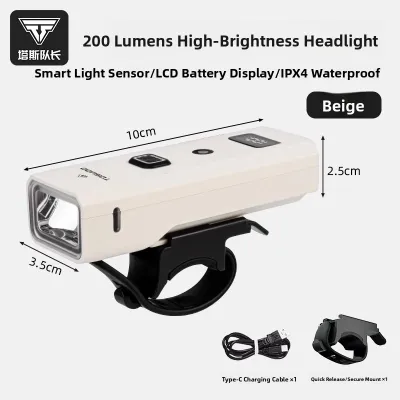
High-quality bicycle lights are indispensable for PCN riding, especially during early morning or late evening sessions when the trails are busiest. Your front light should feature an adjustable brightness setting or an anti-glare cut-off beam pattern. This design directs light downward onto the pavement rather than upward into the eyes of oncoming pedestrians and cyclists, preventing temporary blindness on narrow paths.
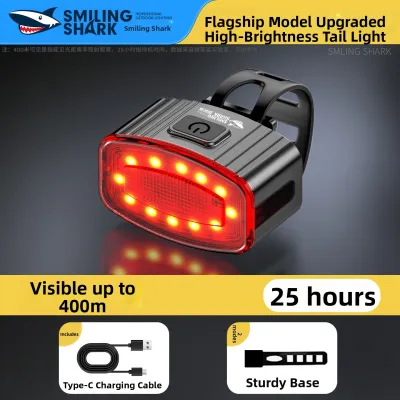
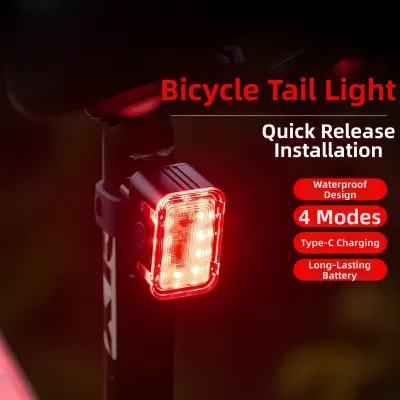
For the rear, a bright light with an optional flashing mode is highly effective. Flashing modes are particularly useful when navigating the numerous road crossings and traffic junctions that connect different park connector segments. These flashing patterns catch the attention of motorists from a distance, ensuring a safer transition from path to road.
Before purchasing, verify the manufacturer’s specified battery runtime to ensure the lights can last the entire duration of your planned ride. Look for USB-C rechargeable models for quick power top-ups, and check that the mounting brackets are compatible with your specific handlebar and seatpost diameters.
Audible Signals and Reflective Gear
Under Singapore’s Active Mobility Act, a working bell is a legal requirement for all bicycles. Beyond compliance, a bell is your primary tool for polite communication. Choose a bell that produces a clear, resonant, and pleasant tone—such as a brass or copper dome bell—rather than a harsh, aggressive sound that might startle pedestrians.
Passive visibility is equally critical during dawn, dusk, or night hours. Adding reflective accessories to your setup significantly enhances your safety profile. Consider lightweight ankle bands, which create a highly visible up-and-down motion as you pedal, or reflective wheel spoke clips that catch headlight beams at intersections.
If you regularly ride during low-light hours, wearing a lightweight high-visibility vest or choosing bags with integrated reflective piping is highly recommended. These simple additions ensure you stand out against dark backdrops without adding unnecessary weight to your ride.
Climate Adaptation: Staying Hydrated and Protected in Tropical Weather
Riding in Singapore’s tropical climate means managing high sweat rates and sudden weather shifts. Without proper preparation, heat exhaustion or a sudden downpour can quickly cut your ride short.
Hydration Systems
Maintaining hydration is the most critical factor for physical stamina on the PCN. Standard bottle cages mounted to the bicycle frame are the traditional choice, but they may not suit every bike type. For instance, many folding bikes—which are incredibly popular for local commuting—lack standard frame bosses, requiring alternative mounting solutions.
If your bike lacks frame mounts, consider saddle-rail bottle holders, handlebar-mounted stem pouches, or a lightweight hydration backpack. These options keep water easily accessible without interfering with your pedaling motion. Double-wall insulated stainless steel or specialized insulated plastic bottles are highly recommended to keep your water cool in 32°C heat.
When planning your route, always check your total water capacity against the distance. While major hubs like East Coast Park or Bishan-Ang Mo Kio Park feature public water coolers, more remote stretches of the Round Island Route may have long gaps between hydration points, making a dual-bottle setup necessary.
Weather Protection (Fenders and Sun/Rain Gear)
Singapore’s weather can shift from intense sunshine to a torrential downpour within minutes. To prevent road grime, mud, and water from spraying up onto your back and your bicycle’s drivetrain, installing quick-release mudguards or clip-on fenders is a practical upgrade. These lightweight accessories can be easily attached when wet weather threatens and removed on dry days.
For personal protection, carry a highly packable, lightweight rain jacket in your frame bag or jersey pocket. Ensure the jacket features breathable, moisture-wicking fabric; cheap, non-breathable plastics will trap heat and sweat, causing you to overheat rapidly in local humidity.
On sunny days, protect your skin and eyes with UV-blocking accessories. Cooling arm sleeves made of UPF 50+ fabric provide excellent sun protection while lowering skin temperature through evaporative cooling. A lightweight cycling cap worn under your helmet helps keep sweat out of your eyes and shields your vision from glare.
On-the-Go Maintenance and Security: Handling Breakdowns and Pit Stops
Self-sufficiency is vital when exploring long PCN loops. While the network is generally close to residential areas, a flat tire or a loose bolt miles away from a bike shop can leave you stranded.
Basic Repair and Inflation Kits
Every rider should carry a compact puncture repair kit and a multi-tool. Your basic kit should include tire levers, a spare inner tube that matches your tire size, or adhesive patches if you prefer on-the-spot tube repairs. For tubeless tire users, a tubeless plug kit is essential.
Before setting off, verify the valve compatibility of your portable hand pump or CO2 inflator. Ensure it matches either Presta (narrow) or Schrader (wide) valves, depending on your wheels. Carrying a pump that features a flexible hose attachment can also prevent damage to the valve stem during vigorous roadside pumping.
To keep your jersey pockets free and comfortable, store these maintenance essentials in a dedicated saddlebag, a frame-mounted triangle bag, or a tool keg that fits neatly into an extra bottle cage. This keeps your tools organized, dry, and permanently attached to your bicycle.
Locks for Rest Stops
One of the joys of PCN cycling is stopping for a break at a scenic viewpoint, a public restroom, or a trailside cafe. To secure your bicycle during these brief pit stops, a lightweight and portable lock is highly recommended. Cable locks or compact folding locks provide a practical balance between security and carrying weight.
These lightweight locks serve as an excellent visual deterrent against opportunistic theft while you grab a quick coffee or use the restroom. However, avoid carrying heavy, high-security U-locks unless you plan to leave your bike completely unattended for several hours. The significant weight penalty of a heavy lock can quickly exhaust you on long rides.
Always park your bicycle in designated parking areas or bike racks where available. Ensure your parked bike does not block the shared pathway, emergency access routes, or pedestrian walkways.
PCN Cycling Tips: Maximizing Comfort and Trail Etiquette
Equipping your bicycle with the right accessories is only half the equation; practicing proper trail etiquette ensures a safe and pleasant environment for everyone.
To beat the intense tropical heat and avoid heavy weekend crowds, plan your rides for early mornings (between 6:00 AM and 9:00 AM) or late afternoons (after 5:30 PM). These cooler windows make for a much more comfortable physical experience and offer beautiful sunrise or sunset views.
When riding on shared paths, always keep to the left unless overtaking. Proactively slow down when approaching pedestrians, especially children or elderly trail users whose movements may be unpredictable. Ring your bell gently from about 10 to 15 meters away to give them ample warning, and always offer a polite thank-you when passing.
Before embarking on long-distance journeys, check the National Parks Board (NParks) website or official notices for any temporary trail closures, diversion routes, or ongoing park maintenance. Staying informed prevents unexpected detours and ensures your planned route is fully accessible.
Frequently Asked Questions (FAQ)
Are helmets legally required for cycling on the PCN?
Under Singapore’s Active Mobility Act, wearing a helmet is not legally mandatory when cycling on footpaths or shared paths like the Park Connector Network (PCN). However, a helmet becomes strictly mandatory by law the moment you ride on a public road, which includes crossing certain road junctions or using on-road cycling lanes to connect different PCN trails. Regardless of the legal minimum, wearing a certified, well-fitted helmet is highly recommended for all rides to protect against head injuries in the event of an unexpected fall or collision.
What is the speed limit for bicycles on Park Connectors?
The maximum legal speed limit for bicycles and non-motorized personal mobility devices on Singapore’s Park Connector Network (PCN) and shared paths is 25 km/h. In contrast, the speed limit on pedestrian-only footpaths is much stricter at 10 km/h. Cyclists should monitor their speed using a GPS bicycle computer or a smartwatch, and must proactively reduce their speed in high-traffic zones, narrow path segments, or when approaching busy park facilities.
Community discussion
Share your experience or ask a question. Comments are reviewed before publication.