
Starting your journey as a cheerleader is an exciting milestone, but stepping onto the training mat for the first time can feel overwhelming if you are unsure of what gear is truly necessary. The sheer variety of specialized athletic wear, footwear, and safety accessories marketed to beginners often leads to costly, unnecessary purchases. To start safely and confidently, a beginner only needs a few essential items: a dedicated pair of cheer-specific shoes, flexible and breathable practice apparel, and a supportive high-impact sports bra. These foundational items ensure you can execute basic motions, jumps, and conditioning drills without restricting your range of motion or compromising your physical safety.
By focusing on these core essentials, you can avoid the common pitfall of over-purchasing gear before you understand your specific role on the team. This guide breaks down exactly what you need to acquire immediately, what you should verify with your coach, and what items you can safely skip during your first few months of training.
Why Every New Cheerleader Must Diagnose Their Training Stage
Before browsing online marketplaces or visiting local sporting goods stores, you must evaluate your current training phase. Cheerleading is a highly diverse sport that spans multiple disciplines, including dance-heavy sideline routines, high-energy halftime performances, and intense competitive stunting and tumbling. If you are entering a foundational program or a recreational club, your initial weeks will focus primarily on physical conditioning, learning basic arm motions, mastering jump techniques, and practicing simple dance sequences. These activities place specific demands on your body, requiring flexibility and basic foot support rather than specialized stunting equipment.
Products mentioned in this guide
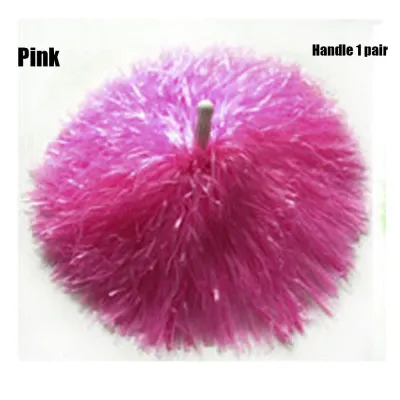
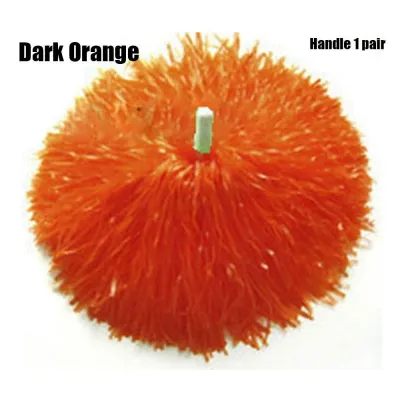
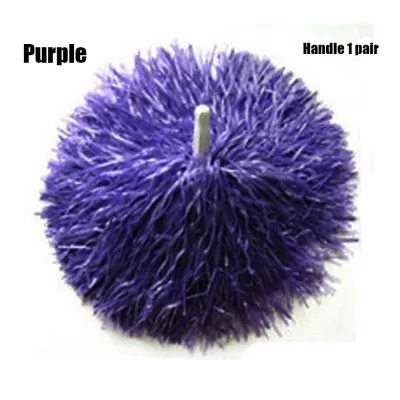
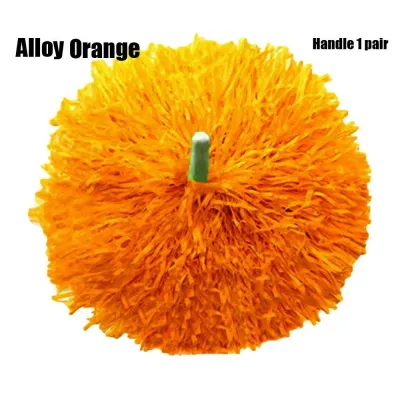
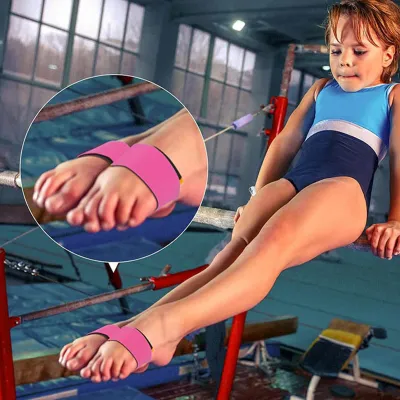
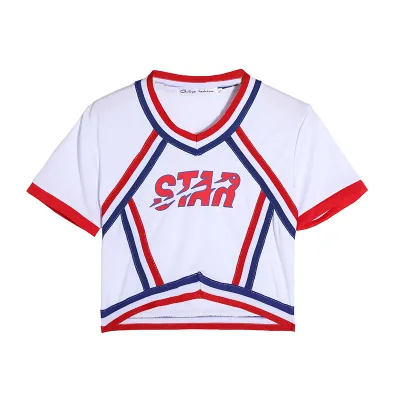
Prices are valid at publication and may change. Please refer to the product page for the latest price.
Conversely, if you are immediately joining a competitive squad that incorporates tumbling and stunting from day one, your gear requirements will shift toward high-grip footwear and joint support. However, even in advanced environments, beginners rarely perform high-impact stunts during their first few sessions, meaning complex protective gear is seldom needed right away. It is critical to check with your specific school, club, or coach before purchasing any apparel or footwear. Many teams enforce strict uniform codes, require specific brand alignments, or mandate particular color schemes for practice wear to foster team unity and ensure safety during group drills.
A reliable rule of thumb for any beginner is to buy gear exclusively for the current week’s practice requirements. Do not invest in specialized gear for end-of-year performances, advanced stunting roles, or high-level tumbling passes that you have not yet been cleared to perform by a certified coach.
The Non-Negotiable Basics: Footwear and Practice Apparel
Cheer Shoes vs. Standard Athletic Sneakers
Selecting the correct footwear is the single most important equipment decision a beginner will make. While it may be tempting to wear standard running shoes or general lifestyle sneakers to your first practice, these options lack the structural design required for the unique demands of cheerleading. Cheer-specific shoes are engineered with lightweight materials and thin, flexible soles that allow for maximum tactile feedback from the floor. This “floor feel” is crucial for maintaining balance during jumps, executing sharp pivots, and safely landing tumbling passes on spring floors or foam mats.

Standard athletic sneakers often feature thick, heavily cushioned heels designed solely for forward linear motion, which can easily cause ankle roll-overs during lateral movements. Furthermore, the outer soles of standard running shoes frequently lack the specialized gripping zones required for bases to hold flyers securely during stunts. When choosing a cheer shoe, you must distinguish between sideline shoes and performance or mat shoes. Sideline models typically offer more robust cushioning and thicker outsoles to protect the feet when performing on hard outdoor surfaces like running tracks or concrete plazas, with prices generally ranging from S$60 to S$110.
Performance or mat shoes are ultra-lightweight, often weighing under 150 grams, and feature highly flexible soles with strategic finger grooves designed to help bases grip the flyer’s foot during stunts. These specialized indoor shoes typically range from S$100 to S$180 and are optimized for indoor gym floors and spring mats. Before finalizing any shoe purchase, inspect the sole pattern to ensure it is explicitly labeled as non-marking. Most school sports halls and indoor training facilities in Singapore enforce strict rules against marking soles to protect their polished timber or synthetic court surfaces from scuffs and structural damage.
High-Mobility, Climate-Appropriate Practice Wear
Your practice clothing must facilitate an absolute, unrestricted range of motion while remaining securely in place during high-velocity movements. Standard loose-fitting cotton t-shirts and baggy shorts can pose safety hazards, as loose fabric can easily get caught in a teammate’s fingers during a stunt or obstruct your vision during a rotation. Opt for high-stretch, form-fitting fabrics such as spandex, nylon, or polyester blends that move naturally with your body. These synthetic materials offer superior moisture-wicking properties, pulling sweat away from your skin to keep you dry and comfortable during intense, high-output conditioning sessions.
In Singapore, the local climate presents a unique environmental challenge for athletes. While outdoor temperatures and humidity remain consistently high, most dedicated cheerleading practices and gym sessions take place in air-conditioned indoor sports halls or specialized gymnastics facilities. This contrast requires a smart, layered approach to your training wardrobe. Arrive at the facility wearing lightweight, breathable layers, such as a zip-up track jacket or a long-sleeve technical top over your practice camisole or sports bra, to keep your muscles warm during initial stretching and warm-up routines.
As the intensity of the practice increases and your core temperature rises, you can easily remove these outer layers to prevent overheating. Ensure your practice shorts feature a secure, wide elastic waistband that does not slip down, and consider wearing compression undershorts to maintain coverage and confidence during high kicks and jumps.
Safety and Support Gear: When to Actually Buy Them
Safety is paramount in any athletic pursuit, particularly in a discipline that combines gymnastics, acrobatics, and dance. However, acquiring protective gear should be a systematic, needs-based process rather than an impulsive pre-season shopping spree.
High-Impact Sports Bras This is a non-negotiable, day-one essential for any female athlete entering the sport. The rapid vertical acceleration and deceleration involved in jumps, tumbling, and basic stunting exert significant physical stress on the body, making a standard lifestyle or low-impact yoga bra entirely inadequate. When selecting a high-impact sports bra, perform a rigorous fit check: the underband must sit level around your ribcage without digging in, the shoulder straps should not slip or pinch, and there should be no breast tissue spilling over the cups or underarms. A high-quality sports bra should minimize bounce completely while allowing you to take deep, unrestricted breaths.
Wrist Guards and Knee Pads Unlike sports bras, specialized wrist supports and padded knee guards are not mandatory for beginners who are focusing on basic dance sequences, motion drills, and low-impact conditioning. Purchasing these items prematurely can restrict natural joint mobility and delay the development of intrinsic muscle strength. You should only consider purchasing wrist guards or knee pads when you meet specific trigger conditions. For instance, if your training advances to repetitive floor tumbling, if you experience persistent joint discomfort during weight-bearing exercises, or if you are assigned a “base” or “spotter” role where you must absorb the impact of landing flyers.
Always remember the fundamental safety boundary: protective gear is designed to support your body and reduce minor joint fatigue, but it can never replace proper physical technique, progressive skill training, and certified coach supervision. If you experience sharp or chronic pain, stop training immediately and consult a medical professional rather than relying on a brace to mask the symptoms.
What to Skip: Gear You Can Wait On
One of the most common mistakes new athletes make is purchasing a complete array of cheer accessories before their first official practice. This not only leads to unnecessary financial expenditure but often results in buying items that do not comply with team regulations.
Pom-poms While iconic, personal pom-poms are almost never required for individual practice. Cheer teams and school squads typically purchase matching, professional-grade pom-poms in bulk to ensure uniform color, size, and material across the entire performance group, distributing them only during dedicated routine rehearsals.
Competition Uniforms, Hair Bows, and Team Jackets These items are highly customized and are ordered collectively by the team management later in the competitive season. Buying generic bows or off-the-shelf uniforms beforehand is a waste of resources, as they will not match the precise pantone colors, logos, and embroidery designs selected for your specific squad.
Training Mats and Stunt Blocks Specialized equipment like folding tumbling mats, incline wedges, and wooden stunt blocks are capital-intensive items that professional training facilities provide. Beginners do not need to purchase these bulky items for home use, as practicing complex maneuvers unsupervised at home carries a high risk of injury. By delaying these purchases, you can save hundreds of Singapore dollars during your initial transition into the sport. Focus your budget entirely on high-quality footwear and durable, daily practice wear that will withstand the rigors of multiple weekly wash cycles.
How to Verify Fit and Mobility Before Your First Practice
Once you have assembled your basic practice wardrobe and footwear, you must verify that every item fits correctly and allows for safe, unrestricted movement before you step onto the gym floor. Conducting simple diagnostic checks at home will help you identify potential equipment failures or comfort issues before they disrupt your training.
The Mobility Test Put on your full practice outfit, including your selected sports bra, top, shorts, and socks. Perform a series of deep bodyweight squats to ensure your shorts do not pinch, ride up excessively, or expose undergarments. Next, raise your arms rapidly into a high-V motion to check if your top pulls up or restricts shoulder rotation. Finish with three consecutive vertical jumps to verify that your sports bra provides adequate support without shifting.
The Grip Test Put on your new cheer shoes and lace them securely, ensuring your heel does not slip out of the cup when you walk. Find a clean, smooth, non-carpeted indoor surface at home, such as tile or laminate flooring, and perform a series of basic forward lunges and lateral pivots. The soles should grip the surface firmly without sliding, and you should feel a stable, flat connection to the ground.
Safety Boundary If any piece of gear causes physical pain, chafes your skin, restricts your breathing, or slips out of place during these basic tests, stop using it immediately. Do not attempt to “break in” ill-fitting safety gear or footwear during a high-intensity practice. Instead, consult your coach or an experienced teammate for alternative specifications or sizing recommendations.
Frequently Asked Questions (FAQ)
Can I use running shoes for cheerleading practice?
No, running shoes are highly discouraged for cheerleading practice due to safety risks. Running shoes are engineered specifically for forward, linear motion and feature thick, cushioned, and often flared heels that elevate your center of gravity. This design makes them highly unstable during the rapid lateral movements, pivots, and jumps common in cheer routines, drastically increasing your risk of severe ankle sprains or rolls. Additionally, the bulky heels make it nearly impossible for a teammate to safely grip your feet during stunting exercises.
Do beginners need to buy their own cheer mats?
No, beginners do not need to purchase personal cheer mats. All sanctioned training facilities, school gyms, and cheer clubs in Singapore are equipped with professional-grade spring floors, foam mats, and safety landing zones that are regularly inspected for impact absorption. Attempting to practice advanced tumbling or stunting on a small home mat without professional spotting and coach supervision is highly dangerous and can lead to serious injury. If your coach recommends specific home-conditioning exercises, they will advise you on the exact specifications of any low-impact yoga or fitness mat required.
Community discussion
Share your experience or ask a question. Comments are reviewed before publication.