
Selecting the right poms accessories is a straightforward way to protect your gear, improve your grip, and ensure safety during complex choreography. While the pom-poms themselves are the focal point of any cheer routine, the auxiliary gear you use to carry, secure, and maintain them determines how long they last and how well they perform on the sidelines or the competition floor.
In cheerleading, accessories generally refer to items designed to enhance the safety, transport, or longevity of your poms rather than the performance props themselves. The top three must-have categories include safety tethers, ventilated carriers, and specialized maintenance tools. Investing in these items helps prevent mid-routine drops and keeps synthetic strands from looking crushed or matted.
The specific accessories you need will depend heavily on your role within the squad and your competition level. For example, flyers who transition quickly between stunts and dance sequences require quick-release safety tethers to prevent finger entanglement. Conversely, bases and ground-bound dancers might prioritize ergonomic grip wraps to handle heavy, high-density poms during long, sweat-inducing rehearsals.
Products mentioned in this guide
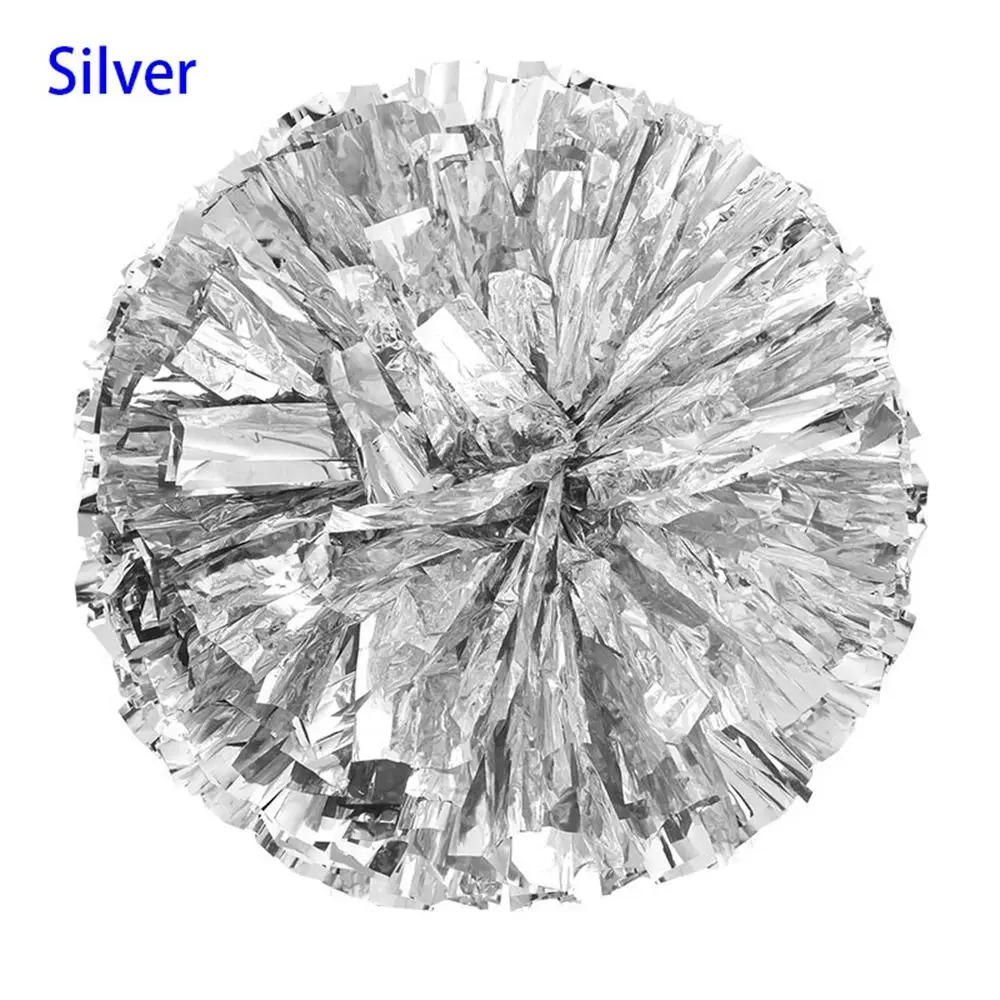
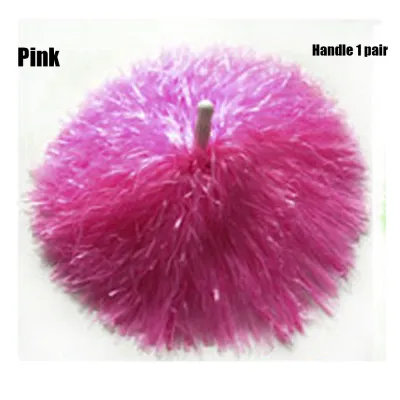
![[Limited-time offer] 1PC Plastic Double Hole Handle Metal Streamer Pompoms Cheerleading Pom Cheering Decorator Club Sport Supply](https://img.lazcdn.com/g/p/526ded4c76af4b7653eed48da3637c28.jpg_400x400q80.jpg_.webp)
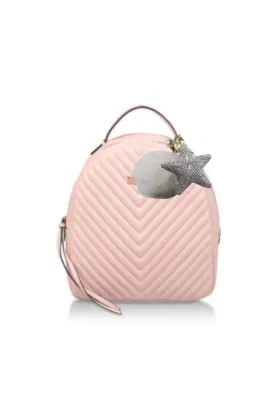
![[Lulyarmi] 30cm Game Sports Pom Poms Cheerleading Cheering Flower Vocal Dance Party Concert Decorator Come On Props Club Supply](https://img.lazcdn.com/g/p/b8710a073a3ce409e0d1d160ff91e5e3.jpg_400x400q80.jpg_.webp)
Prices are valid at publication and may change. Please refer to the product page for the latest price.
Performance and Safety Accessories
High-energy tosses, rapid arm movements, and complex stunt transitions require absolute control over your equipment. A dropped pom-pom is not just a visual deduction in a competition; it is a serious tripping hazard for tumbling athletes and bases. Equipping your gear with performance-focused safety accessories minimizes these risks and allows you to focus entirely on execution.
Wrist Straps and Tethers
Wrist straps and tethers secure the pom-poms directly to your arms, ensuring that they remain close even if your grip slips during a high-velocity movement. However, choosing the wrong type of tether can introduce safety hazards, making it crucial to understand the functional differences between breakaway and fixed models.
Breakaway tethers are engineered with a safety-release mechanism, such as a plastic snap-buckle or a calibrated hook-and-loop closure, that separates under sudden tension. This design is highly recommended for flyers and athletes performing stunts, as it prevents the wrist from being yanked or entangled if a pom-pom gets caught in a teammate’s uniform or shoe. Fixed tethers, which consist of a continuous elastic or nylon loop, are better suited for dance-heavy routines where the risk of entanglement is low and the primary goal is simply to prevent accidental drops.
When evaluating materials, look for neoprene or high-grade elastic. Neoprene is highly resistant to sweat, does not absorb moisture, and provides a cushioned barrier against the skin to prevent chafing during long, repetitive practices. Elastic bands offer more flexibility but can degrade quicker when exposed to sweat and humidity, requiring more frequent inspection.
Your purchasing decisions should be guided by three main criteria:
- Adjustability: The strap must fit snugly around your wrist without restricting circulation or sliding down your forearm.
- Quick-Release Mechanisms: The breakaway tension should be firm enough to hold the pom during normal arm swings but loose enough to release under sudden force.
- Handle Compatibility: Ensure the tether attachment method (such as a loop, clip, or screw-in eyelet) matches your specific pom handle type, whether it is a baton, block, or loop handle.
Ergonomic Handle Grips and Covers
Standard plastic handles on competitive pom-poms can become slippery and uncomfortable during intense practices. Ergonomic grip covers, specialized baton tape, and handle sleeves allow athletes to customize the thickness and texture of their handles to match their hand size and comfort preferences.
Moisture-wicking and anti-slip properties are essential features to look for in a grip cover. In warm training environments, sweat can quickly accumulate on plastic handles, leading to a compromised grip and hand fatigue. Wraps made from textured polyurethane or silicone-infused fabrics channel moisture away from the palm, ensuring a consistent, secure hold throughout the entire routine.
However, modifying your handles comes with practical limitations. Adding thick wraps or heavily cushioned sleeves increases the overall diameter of the handle, which can make it difficult for younger cheerleaders or athletes with smaller hands to maintain a secure grip. Always test handle modifications during low-risk, basic practices before committing to them on competition day to ensure they do not cause premature hand cramping.
Storage and Transport Solutions
How you transport your pom-poms between home, school, and competition venues directly impacts their lifespan. Shoving fluffy, synthetic poms into a standard, cramped gym bag is a common mistake that leads to bent strands, lost volume, and trapped moisture.

Standard gym bags lack the structural support needed to keep poms from being crushed by heavy shoes, water bottles, and uniforms. Furthermore, closed bags trap humidity and sweat, creating an ideal breeding ground for mold, mildew, and unpleasant odors that can permanently ruin the synthetic materials.
Ventilated Pom Carriers and Mesh Bags
Specialized pom carriers are designed to preserve the spherical shape of your gear while providing the continuous airflow necessary for proper drying. These carriers prevent the strands from settling into flat, creased shapes that are difficult to fluff back out.
Ventilation is the most critical feature of any dedicated carrier. Look for bags that incorporate heavy-duty mesh panels or breathable nylon fabrics, which allow damp poms to dry completely after intense, sweat-heavy training sessions. This airflow prevents the growth of bacteria and keeps the chemical coatings on metallic or holographic strands from degrading prematurely.
Structural features also play a major role in shape protection. High-quality carriers often feature rigid, circular bases or internal cylindrical sleeves that keep the poms upright and isolated from other gear. When shopping, consider the following selection criteria:
- Capacity: Choose between a single-pair carrier for individual use or a larger, multi-compartment team bag if you are responsible for transporting bulk gear.
- Hardware Durability: Look for thick, rust-resistant zippers that can withstand being pulled over highly resilient, springy pom strands.
- Carrying Comfort: Padded, adjustable shoulder straps or backpack-style straps help distribute weight evenly, which is especially helpful during long travel days.
Compartmentalized Gear Bags
If you prefer to carry all your cheerleading gear in a single bag, a highly structured, compartmentalized backpack or duffel bag is an excellent alternative to a standalone pom carrier. These bags feature dedicated, isolated pockets specifically sized to house your poms safely.
Keeping your poms in a separate compartment prevents them from coming into contact with sharp objects, rough velcro straps on cheer shoes, or metal zippers on uniforms. It also shields them from accidental makeup spills or leaking water bottles. Look for bags with water-resistant interior linings in the pom compartment to ensure that wet gear in adjacent pockets does not damp your dry poms.
Keep in mind that heavily loaded, multi-compartment bags can become quite heavy and bulky. To avoid physical strain and shoulder fatigue, prioritize bags with wide, padded shoulder straps, chest buckles, and ergonomic back panels that distribute the weight evenly across your torso.
Maintenance and Repair Tools
Regular, proactive maintenance is the key to keeping your poms looking vibrant, full, and uniform. Judges notice flat, tangled, or thinning poms, meaning that a small investment in maintenance tools can directly influence your team’s presentation score.
Fluffing and Detangling Tools
Over time, individual pom strands will inevitably cling together due to static electricity, sweat, and physical compression. Using the correct tools to separate these strands restores the pom’s original volume and bounce without causing structural damage.
Specialized pom combs and wide-tooth detangling rakes are designed specifically to glide through synthetic materials like polyethylene and metallized polyester. When fluffing, always start from the outer tips of the strands and work your way gently inward toward the handle to avoid pulling strands out of the core binding.
Never use fine-tooth plastic haircombs, standard wire bristle hairbrushes, or heated styling tools on your poms. Fine-tooth combs can easily shred the delicate edges of the strands, while wire brushes can scratch the shiny finish off metallic poms. Heated tools like hair straighteners or blow dryers will melt or permanently crease synthetic strands, rendering the pom completely unusable.
When choosing a detangling tool, look for smooth, rounded teeth made from anti-static materials to prevent generating static electricity during use. Portability is also key; a compact, lightweight comb that fits easily into your makeup kit or shoe bag is incredibly useful for quick, last-minute touch-ups right before you step onto the performance mat.
Replacement Strands and Adhesives
Even with meticulous care, poms will occasionally lose strands during high-impact routines. Keeping a basic repair kit on hand allows you to address thinning areas and handle failures quickly, preventing mid-season equipment emergencies.
To patch up a thinning pom, always source matching replacement strands directly from the original manufacturer. This ensures that the color, width, texture, and light-reflective properties of the new strands perfectly match the rest of your squad’s gear. Mixing different materials can result in an asymmetrical, patchy appearance under bright competition lighting.
When reattaching loose strands or securing a loose handle cover, use flexible, non-toxic adhesives that are safe for plastics. Specialized vinyl glues or heavy-duty craft adhesives remain pliable when dry, allowing the pom to retain its natural movement and bounce.
Avoid using harsh chemical glues, such as standard superglues or solvent-based industrial adhesives. These products can chemically react with synthetic plastic strands, causing them to melt, warp, or form rigid, sharp points. Furthermore, brittle glues can crack during routines, creating sharp edges that can scratch your hands or tear your uniform.
How to Choose the Right Accessories for Your Team
When purchasing accessories for an entire squad, team coordinators must balance individual athlete preferences with the need for visual uniformity and strict budget limits. A cohesive look on the sidelines builds team pride and presents a polished, professional image to judges and spectators alike.
Start by prioritizing safety and equipment protection over purely cosmetic add-ons. If your budget is limited, allocate your funds to high-quality safety tethers and ventilated storage bags first. These items directly prevent injuries and extend the lifespan of your primary equipment, saving the team money on replacement poms in the long run. Cosmetic accessories, like decorative handle charms or custom name tags, can be added later as individual purchases.
Before placing a bulk order, use this compatibility checklist to verify that your chosen accessories will work seamlessly with your existing gear:
- Handle Style: Ensure that wrist straps, grip wraps, and replacement parts are compatible with your specific handle design (e.g., baton, block, or loop handles).
- Pom Size: Verify that your ventilated carriers or gear bags have compartments large enough to accommodate the specific diameter and length of your poms without crushing them.
- Material Match: Double-check that any replacement strands or cleaning solutions are safe for your specific pom material, whether it is plastic, metallic, or holographic.
Finally, always consult local and national cheerleading rulebooks before introducing any new accessories to your competition gear. In Singapore, organizations like the Singapore National Cheerleading Association (SNCA) align their safety guidelines with international standards. These rules often restrict the use of hard plastic, metal clips, or non-breakaway tethers on the competition floor to prevent injuries during stunts and tumbling. Ensure all modified handles and wrist straps fully comply with these safety regulations before stepping onto the mat.
Frequently Asked Questions (FAQ)
Can I use regular sports bags for pom-poms?
While a regular sports bag is acceptable for short trips when your poms are completely dry, it is not recommended for long-term storage or damp transport. Standard gym bags lack the necessary ventilation, which traps moisture from sweat or rain and leads to mold, mildew, and unpleasant odors. Additionally, standard bags do not provide structural support, causing the pom strands to become crushed, bent, and matted under the weight of your other gear.
How often should I replace pom-pom wrist straps?
You should inspect and replace your wrist straps at the first sign of wear, rather than waiting for a specific calendar date. Check the straps regularly for elastic degradation, fraying seams, or a loss of tension in the breakaway mechanism. In humid climates like Singapore, sweat can break down elastic materials faster than normal, making frequent inspections essential to ensure the straps do not fail during a high-energy routine or stunt transition.
Are metallic poms harder to maintain than plastic ones?
Yes, metallic poms require more delicate care and maintenance than standard plastic ones. Metallic strands are made from thin, metallized polyester film, which is highly susceptible to creasing, crimping, and scratching if handled roughly. They require gentler, wide-tooth detangling tools and should never be subjected to rough pulling. Standard plastic poms are generally more resilient to physical wear, though they can still snap or crease if bent sharply or exposed to extreme temperatures.
Community discussion
Share your experience or ask a question. Comments are reviewed before publication.