
Starting your cricket journey is an exciting step, but walking into a sports depot can quickly become overwhelming. With shelves packed with specialized pads, multiple grades of willow, and high-tech training aids, it is easy to overspend. For a beginner, the absolute first purchases should focus on personal safety and hygiene rather than expensive playing equipment. Your initial shopping list must prioritize an abdominal guard (commonly known as a box), a reliable pair of batting gloves, and a functional kit bag or backpack to transport your gear. These essential cricket accessories protect you from painful injuries and establish a hygienic foundation before you ever need to buy a personal bat or specialized footwear. By focusing on these core items, you can safely learn the basics of the game using club-provided or shared equipment without draining your budget.
How to Prioritize Your Cricket Accessories Budget as a Beginner
When entering a sport like cricket, managing your initial expenses requires a structured decision-making framework. It is helpful to organize your purchases into three distinct tiers: safety, basic comfort, and convenience. Safety items are non-negotiable from day one because a standard cricket ball is hard, heavy, and capable of causing severe injury even at moderate speeds. Basic comfort accessories, such as sweat management tools and suitable grips, directly impact your ability to hold the bat and train for extended periods. Convenience items, including specialized bags and storage solutions, can be acquired once you are committed to regular practice sessions.
Investing in personal protection first is a matter of hygiene as well as safety. While cricket clubs and academies often provide shared gear like bats, pads, and helmets, sharing protective items that sit close to the skin—such as abdominal guards and batting gloves—is highly unhygienic and poses skin health risks, especially in tropical climates. Personal items ensure a proper, secure fit tailored to your body dimensions, which is critical for the protective materials to function as designed.
Products mentioned in this guide
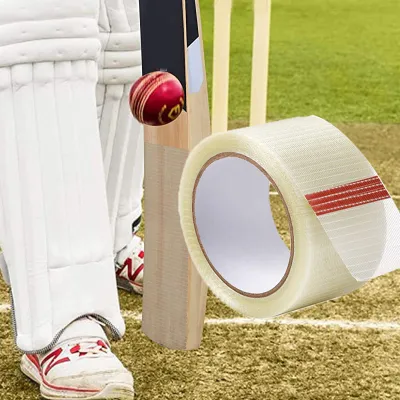
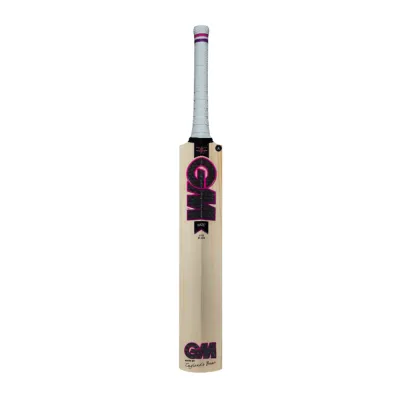
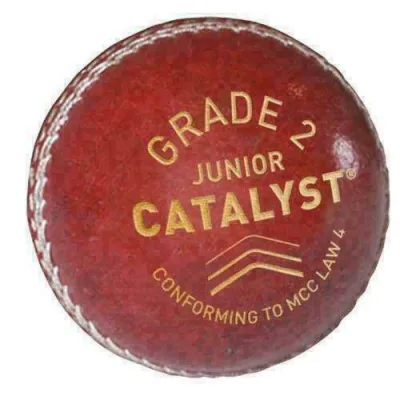
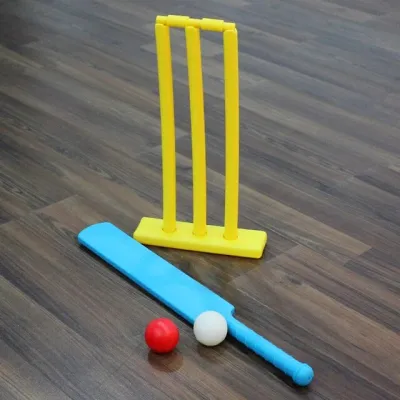
Prices are valid at publication and may change. Please refer to the product page for the latest price.
Conversely, you should delay purchasing high-end personal bats, specialized spiked footwear, or complex training gadgets. A beginner’s batting technique changes rapidly during the first few months of training. Buying an expensive bat too early often results in selecting the wrong weight, handle length, or sweet spot configuration. Similarly, specialized footwear is unnecessary until you transition from synthetic practice nets to turf wickets. Focus your initial budget on protecting your body and ensuring physical comfort, allowing your skills to dictate when it is time to upgrade to advanced gear.
The Essential Cricket Accessories Checklist for Beginners
To help you navigate your initial purchases, this checklist breaks down the essential cricket accessories by their primary function. Each category outlines specific selection criteria, material considerations, and safety checks to perform before making a purchase.

Non-Negotiable Safety and Protection Gear
The abdominal guard, or box, is the single most critical protective accessory for any player. This high-impact plastic or composite shield is designed to protect the pelvic region from direct ball impacts. When selecting an abdominal guard, prioritize anatomical fit over brand names. The guard must rest comfortably within a specialized jockstrap or compression shorts designed with a retaining pouch. Ensure there is no sharp pinching along the rubberized edges, as a poorly fitted guard can shift during movement and fail to protect you during an impact.
Batting gloves are equally vital, protecting your fingers and hands from painful pinches against the bat handle and direct impact from the ball. For beginners, gloves featuring split-finger designs offer better flexibility and a shorter break-in period compared to solid-block designs. Look for gloves with leather palms, which provide natural feel and durability, combined with synthetic mesh backings for ventilation. Ensure the padding on the lead hand—the hand facing the bowler—has adequate high-density foam inserts, particularly on the thumb and index fingers.
While clubs often provide helmets, owning a personal helmet guarantees both hygiene and a precise fit. When shopping for a cricket helmet, never assume that all retail options meet modern safety standards. You must physically inspect the helmet shell and packaging for recognized safety certification labels, such as the British Standard BS 7928:2013, which is the benchmark for cricket helmet safety. The helmet must fit snugly without wobbling when you shake your head, and the gap between the peak and the steel or titanium grille must be narrow enough to prevent a cricket ball from passing through. If a helmet sustains a high-velocity impact or shows visible cracks, replace it immediately, as its structural integrity has been compromised. Equipment cannot replace proper training and defensive judgment on the pitch.
Thigh pads serve as a secondary safety layer, protecting the quadriceps of your lead leg from bruising when facing faster bowling. Beginners should opt for a lightweight, single thigh pad with adjustable elastic straps. Ensure the pad covers the area from just above your knee to your hip joint. If you begin facing harder leather balls in match scenarios, consider a dual thigh guard system that protects both the inner and outer thighs without restricting your running stride.
Comfort and Climate-Specific Accessories
In tropical environments like Singapore, high humidity and elevated temperatures present unique challenges for cricket players. The moisture from sweat can easily compromise your grip on the bat, leading to slippage, poor shot control, and painful hand blisters. Managing this moisture is essential for both performance and equipment longevity.
Your connection to the bat depends entirely on the bat grip. For beginners, chevron-style rubber grips are highly recommended due to their deep, repeating patterns that channel moisture away from the hands. Octopus or matrix grips offer excellent cushioning but can wear down faster under heavy use. Regularly inspect your grip for signs of wear, such as a smooth, shiny texture, tearing at the top of the handle, or slippage during defensive strokes. Replacing a worn grip is a simple, cost-effective way to restore bat control.
To combat intense sweat, invest in high-quality sweatbands for your wrists. Wristbands catch sweat traveling down your arms before it reaches your batting gloves, keeping the leather palms dry and pliable. Additionally, thin, moisture-wicking inner gloves made of cotton or specialized synthetic fibers can be worn inside your batting gloves. These inners absorb hand sweat, protecting the expensive leather of your outer gloves from salt degradation and reducing the buildup of unpleasant odors.
Playing outdoors in Singapore also requires diligent sun protection. Apply a broad-spectrum, water-resistant sports sunscreen with an SPF rating of 50 or higher to all exposed skin before stepping onto the field. Reapply the sunscreen every two hours, especially during extended training sessions. Sunscreen formulated for sports is less likely to run into your eyes or make your hands greasy, ensuring your vision and grip remain clear.
Basic Gear Storage and Transport
As you accumulate accessories, you will need a reliable method to transport them to and from the training ground. While professional players use large, heavy wheelie bags, a beginner is much better served by a compact cricket backpack or a standard sports duffel bag. A backpack is easier to carry on public transport or when riding a bicycle, keeping your hands free and reducing strain on your shoulders.
When evaluating storage options, prioritize bags that feature a separate, ventilated shoe compartment. Keeping your dirty, damp footwear away from your clean protective gear and clothing is essential for basic hygiene. Furthermore, look for bags with dedicated mesh ventilation panels. In humid climates, storing damp gloves, sweatbands, or clothing in a completely sealed bag creates an ideal environment for mold, mildew, and bacteria to thrive, which rapidly degrades the materials and causes strong odors.
The durability of your bag depends heavily on its construction materials. Look for a base made from a heavy-duty, water-resistant polyester or nylon fabric, typically rated at 600 Denier (600D) or higher. A reinforced, water-resistant bottom panel protects your gear when the bag is placed on damp grass or wet concrete benches. Double-stitched seams and heavy-duty zippers are also critical indicators of a bag that can withstand the daily wear and tear of cricket training.
What to Skip: Avoid Overspending on Unnecessary Gear
It is easy to get caught up in the marketing of professional-grade cricket gear, but buying advanced equipment too early can actually hinder your skill development and strain your budget. One of the most common mistakes beginners make is purchasing a premium English willow bat. English willow is soft, highly responsive, and expensive, requiring meticulous preparation (knocking-in) and maintenance. For a beginner, a durable Kashmir willow bat or a basic wooden training bat is a far better choice. Kashmir willow is denser and tougher, making it highly resilient to mis-timed shots off the edge of the bat—a frequent occurrence when learning proper batting mechanics.
Another item to delay is professional-grade metal spike shoes. Spikes are designed specifically for turf pitches to prevent slipping during bowling or running. However, most beginners train on synthetic turf nets, concrete pitches, or indoor facilities where metal spikes are strictly prohibited because they damage the playing surface. Standard rubber-soled sports shoes, running shoes, or specialized turf shoes provide more than enough traction and cushioning for a beginner while offering greater versatility for other physical activities.
You should also bypass expensive electronic training aids, such as bat sensors, high-speed swing analyzers, or automatic ball-throwing machines. These tools provide complex data that is difficult to interpret without a solid foundation in cricket physics and technique. In the early stages of learning, your focus should be on developing hand-eye coordination, mastering basic footwork, and receiving direct feedback from a coach or experienced peer.
Finally, resist the temptation to buy accessories in bulk, such as multi-packs of rubber grips, specialized grip cones, or large boxes of leather balls. Your preferences for grip thickness, texture, and gear weight will evolve rapidly as you play more. Buying in bulk prematurely often leads to a storage closet filled with unused items that do not suit your developed playing style. Wait until you have established consistent habits and know exactly what specifications work best for your hand size and comfort.
Smart Shopping Tips for Buying Cricket Gear in Singapore
Shopping for cricket accessories in Singapore requires a strategic approach to ensure you get the best value, correct fit, and authentic products. Whenever possible, visit physical specialty sports stores rather than relying solely on online listings. This is especially critical for protective gear like helmets and batting gloves. Trying these items on in person allows you to test their fit, check for pressure points, and ensure your mobility is not restricted. A helmet that pinches or gloves that are too tight will distract you on the pitch and can compromise your safety.
Given Singapore’s tropical climate, pay close attention to the fabric specifications of any apparel or accessory you buy. Look for technical labels indicating moisture-wicking properties, quick-dry technology, and high breathability. Synthetic polyester blends and lightweight nylon are excellent choices for sweatbands, inner gloves, and kit bags because they dry quickly and do not retain moisture like heavy cotton fabrics.
To guarantee your safety, purchase critical protective items—especially helmets and abdominal guards—from official brand stores or well-established online sports retailers. The market often contains cheap, uncertified counterfeits that mimic the appearance of premium brands but lack the necessary impact-absorbing materials. Buying from reputable sources ensures that your safety gear has undergone rigorous testing and complies with international sports standards. When shopping online, verify the seller’s credentials and look for official distributor seals to protect yourself from substandard products. Always refer to the manufacturer’s care instructions to maintain the protective qualities of your gear over time.
Frequently Asked Questions (FAQ)
Do I need to buy my own cricket bat as a beginner?
No, you do not need to purchase a personal cricket bat immediately. Most cricket clubs, schools, and coaching academies provide shared bats for beginners to use during training sessions. Utilizing these shared resources allows you to practice different batting styles and experiment with various bat weights and sizes. Once you have developed a consistent batting stance, understand your preferred swing weight, and decide to commit to the sport long-term, you can make an informed investment in your own bat.
How often should I replace my bat grip and batting gloves?
You should replace your bat grip as soon as you notice visible wear, such as a smooth, slippery texture, surface tearing, or if the grip begins to slide up the handle during play. For batting gloves, inspect them regularly for compressed, hardened, or torn padding, particularly around the fingers and thumb joints. In Singapore’s humid climate, heavy sweat accelerates the breakdown of leather and foam materials. If your gloves remain stiff after drying or develop persistent, strong odors that do not dissipate, it is time to replace them to maintain hygiene and grip security.
Community discussion
Share your experience or ask a question. Comments are reviewed before publication.