
Starting your journey in cricket is an exciting venture, but walking into a sports specialty store can quickly become overwhelming. With shelves lined with bats, pads, helmets, and various specialized gear, knowing where to allocate your initial budget is a common challenge. For a beginner, the smartest approach is to prioritize personal, hygiene-sensitive, and fit-dependent accessories that ensure safety and basic comfort, while relying on clubs or schools for heavy, shared equipment. Investing in the right foundational accessories first allows you to play safely, perform comfortably, and avoid unnecessary expenses during your first season.
Defining "Accessories" vs. Core Equipment
Before purchasing any gear, it is essential to understand the distinction between core cricket equipment and personal accessories. Core equipment refers to the fundamental tools required to play the game, which includes cricket bats, leather or tennis balls, and wooden stumps. These items are often expensive, highly durable, and frequently provided by organizations. For beginners in Singapore, local clubs, schools, or community recreation groups almost always supply these core items for training sessions and matches. Purchasing a high-quality English willow bat or a set of heavy stumps is rarely necessary when you are just learning the basics of the stance and swing.
Personal accessories, on the other hand, are items worn or used directly by the player that impact safety, hygiene, and individual performance. This category includes batting gloves, leg pads, abdominal guards, specialized footwear, bat grips, and gear bags. Because these items must fit your body precisely to offer protection, and because they absorb significant sweat during play, sharing them is neither hygienic nor practical. Before spending money on any major equipment, contact your local Singaporean cricket club or school coordinator to clarify what gear is provided. This step ensures you only spend your budget on the personal accessories you truly need from day one.
Products mentioned in this guide
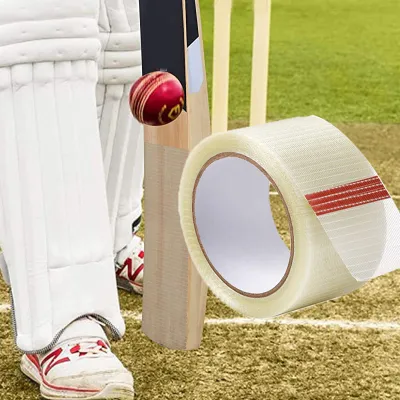
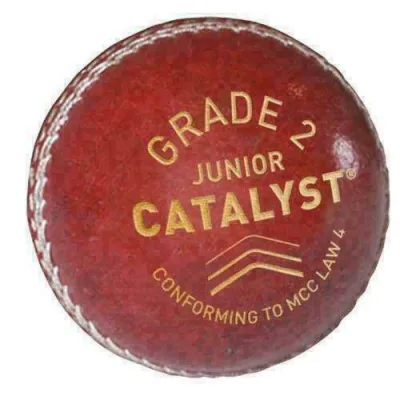
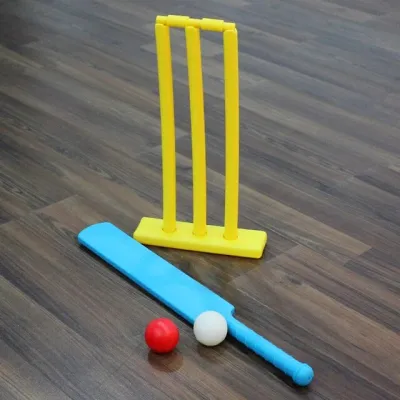
Prices are valid at publication and may change. Please refer to the product page for the latest price.
Top Priority: Non-Negotiable Protective Gear
When facing a hard cricket ball, safety must always be your primary concern. The impact of a standard cricket ball can cause severe injury if you are not properly protected. As a beginner, investing in high-quality personal protective accessories is non-negotiable.

Batting Gloves and Pads
Batting gloves and leg pads are your primary line of defense against the impact of a cricket ball. When selecting batting gloves, beginners should prioritize models featuring high-density foam padding across the fingers and back of the hand. In Singapore’s tropical, highly humid climate, sweat management is a critical factor for both comfort and grip control. Look for gloves with breathable mesh side panels and high-quality leather palms, which allow air circulation and maintain a secure hold on the bat handle even when your hands are damp.
Selecting batting pads requires a careful balance of protection and mobility. A proper pair of pads must feature a reinforced knee roll to protect the joint, high-density foam or cane inserts along the front shin area, and wide, adjustable velcro straps. The straps must secure the pads firmly without restricting blood flow or preventing your knees from bending naturally when running between wickets. Ill-fitting pads that are too loose or too large will inevitably slip during active play. This slippage is not merely annoying; it creates a serious safety hazard by exposing your shins and knees to direct ball impacts.
To prevent this risk, always verify the manufacturer’s sizing chart before purchasing. To find your correct size, use a flexible measuring tape to measure the distance from the exact middle of your kneecap down to the top of your foot where it meets your ankle. This measurement corresponds directly to the pad sizes listed by reputable cricket brands. Avoid guessing your size, as a pad that is even slightly too long will restrict your movement and impair your batting stance.
Abdominal Guards and Thigh Protectors
Often referred to simply as “the box,” the abdominal guard is arguably the most critical piece of protective gear for any player facing a hard cricket ball. Beginners must pair a high-impact plastic or composite abdominal guard with a dedicated jockstrap or comfortable, moisture-wicking compression shorts that feature a built-in pocket. This pocket keeps the guard securely in place; using loose underwear can cause the guard to shift during movement, completely defeating its protective purpose and risking severe injury.
Thigh guards are another essential accessory that beginners frequently overlook. Placed on the lead thigh (the leg facing the bowler), this lightweight guard prevents painful deep-tissue bruising from deliveries that bounce unexpectedly. For comprehensive protection, dual thigh straps or integrated inner-and-outer thigh pads offer the best coverage without adding excessive bulk to your lower body.
A critical safety boundary applies to all protective gear: every item must meet recognized international sports safety standards. Before buying, check the packaging or product labels for official certification marks (such as the CE or UKCA mark for impact protection). Avoid unbranded, cheap, or uncertified protective items, as they may crack or fail under the force of a fast-moving ball. Remember that while certified protective gear dramatically mitigates the risk of injury, it does not replace proper coaching, physical conditioning, and defensive batting techniques. Always inspect your gear for cracks or worn straps before every session.
Performance and Comfort Essentials
Once safety is secured, your next focus should be on accessories that enhance basic movement, stability, and equipment handling without requiring professional-level investments.
Cricket Shoes and Footwear
Footwear is the foundation of your movement on the field, and choosing the wrong type can lead to severe slips or joint injuries. For beginners in Singapore, rubber-soled cricket shoes (often called turf shoes or rubber studs) are the most practical and versatile choice. Most school fields, public parks, and community cricket nets in Singapore utilize synthetic turf, matting, or hard concrete pitches. Rubber soles provide excellent traction on these hard, dry surfaces while cushioning your feet against the impact of running on unforgiving ground.
Metal or plastic spikes are specialized shoes designed exclusively for natural, damp turf pitches to prevent slipping on wet grass. Beginners should hold off on purchasing spiked shoes until they transition to playing regularly on dedicated grass outfields, as spikes are highly uncomfortable and potentially hazardous to wear on concrete or synthetic matting. Wearing metal spikes on a concrete practice net can damage the surface and cause you to lose balance, increasing the risk of ankle rolls.
It is highly recommended to avoid using standard running shoes for cricket training or matches. Running shoes are engineered primarily for linear, forward motion and feature highly flexible uppers that lack lateral ankle support. Cricket requires constant side-to-side pivoting, sudden stops, and rapid lateral acceleration. The lack of lateral stability in running shoes significantly increases your risk of painful ankle sprains and knee strain when fielding or running between wickets.
Bat Grips and Grip Cones
Maintaining precise control over your bat is impossible without a high-quality rubber grip. Over time, heat, friction, and hand sweat cause rubber grips to wear down, lose their texture, and become slippery. A worn grip allows the bat to twist in your hands upon impact, reducing control and transferring painful vibrations up your arms. Beginners should purchase a couple of extra rubber bat grips and a plastic grip cone from the start. A grip cone is an inexpensive tool that makes stretching and sliding a tight new rubber sleeve onto a bat handle incredibly simple, saving you significant time and frustration.
When selecting a replacement grip, consider the thickness that best suits your hand size. Players with smaller hands generally prefer a single, thin classic grip for maximum feel, while those with larger hands or those seeking extra shock absorption may opt to overlay two grips. Always consult the bat manufacturer’s care instructions before applying any heavy adhesives, specialized tapes, or permanent modifications to the handle. Keeping the grip clean and dry ensures a relaxed, confident hold on the bat, which is vital for developing proper stroke play.
Gear Transport and Maintenance
As your collection of personal accessories grows, you will need a practical way to transport and protect your investment. Beginners are faced with a choice between traditional duffel kit bags and wheeled kit bags. For those starting out, a durable duffel bag with backpack-style shoulder straps is highly recommended. Duffels are lighter, easier to carry on public transport in Singapore, and take up less storage space at home. Look for a duffel that features a dedicated, ventilated shoe compartment at the bottom. This compartment keeps muddy or dusty cricket shoes completely separate from your clean batting gloves, pads, and clothing.
Maintaining your gear is particularly challenging in Singapore’s high-humidity tropical climate. Sweat-soaked batting gloves and damp pads left inside a zipped kit bag will quickly develop mold, mildew, and unpleasant bacterial odors. To prevent this, always air out your protective gear in a well-ventilated, shaded indoor area immediately after every training session or match. Placing reusable moisture-absorbing packets, such as silica gel sachets, inside your gloves and pads while they are stored helps draw out residual dampness and extends the lifespan of the materials.
For wooden bats, basic maintenance items like linseed oil and a wooden knocking-in mallet are useful for preserving the wood’s fibers. However, before applying any oils, polishes, or performing physical adjustments like knocking-in on a wooden bat, always check the applied product’s label and the treated item’s manufacturer instructions. If instructions conflict, the item is unidentified, or the use is not covered, stop and consult the manufacturer or a qualified professional. Applying too much oil can waterlog the wood, while improper knocking-in can crack the face, both of which can instantly void the manufacturer’s warranty.
What to Skip or Borrow in Your First Season
One of the most common beginner mistakes is buying every piece of cricket gear available before confirming a long-term commitment to the sport. To keep your initial costs low, hold off on purchasing a personal cricket helmet. If you are starting with soft-ball cricket or slow-paced training sessions, a helmet is often not required. When you do transition to facing hard-ball fast bowling, most local clubs and schools supply hygienic, certified shared helmets for their members to use. You can safely rely on these shared options during your first season, provided you verify that they are clean, fit your head securely, and show no signs of structural damage.
Similarly, you should skip purchasing specialized “cricket whites” (the traditional all-white trousers and shirts) and expensive training aids like personal bowling targets, heavy batting cages, or solo-rebounders. For your first few months, standard, comfortable sports t-shirts and athletic track pants are perfectly acceptable for training. Only invest in official club whites once you are registered for a competitive league that mandates them.
If you are interested in trying out the specialized role of a wicketkeeper, resist the urge to buy your own keeping pads and gloves. Wicketkeeping gear is highly specialized, expensive, and requires a very specific fit to protect the hands and shins from close-range impacts. Borrow the club’s shared wicketkeeping gear for your first few matches. This allows you to decide if you genuinely enjoy the position before making a substantial financial commitment to gear you might only use occasionally.
Buying Guide: Fitting and Sizing for Beginners
Ensuring your protective accessories fit perfectly is not just a matter of comfort; it is a fundamental safety requirement. To measure for batting pads, use a standard measuring tape to find the distance from the center of your kneecap to the top of your foot. For batting gloves, measure from the base of your wrist to the tip of your longest finger. When purchasing abdominal guards, select a size that covers the pelvic area completely without pinching your thighs or shifting when you jog.
While online shopping is convenient, it is strongly recommended that beginners visit local sports retailers in Singapore to try on protective gear in person. Trying on pads and gloves in-store allows you to walk around, bend your knees, and mimic a batting stance to ensure the straps do not chafe and the knee rolls align perfectly with your joints. If a pad is too long, the top section will push against your thighs when you bend your knees, severely limiting your running speed and mobility.
Always remember that sizing standards can vary significantly between different cricket brands. A “Medium” pad from one manufacturer may fit like a “Large” from another. Never rely on generic size labels; instead, always refer to the specific brand’s detailed measurement charts. Taking the time to verify these measurements ensures your gear provides maximum protection and allows you to focus entirely on developing your cricket skills.
Frequently Asked Questions (FAQ)
Do I need a helmet as a beginner?
If you are a beginner playing soft-ball cricket (using tennis or windballs) or facing only slow, gentle underarm bowling, you do not immediately need to purchase a personal helmet. However, a certified cricket helmet becomes strictly mandatory the moment you transition to training or playing with a hard leather cricket ball, especially when facing fast bowling. Always check the specific safety rules of your local Singaporean club or school league, as many have strict safety mandates. If you do purchase a helmet, ensure it meets current, recognized safety standards (such as BS7928:2013), and avoid second-hand helmets, as their internal protective foam can degrade over time or suffer invisible structural damage from previous impacts.
Can I use regular running shoes for cricket?
You should strongly avoid using regular running shoes for playing cricket. Running shoes are designed almost exclusively for forward, linear motion and lack the reinforced lateral support required for the multidirectional movements in cricket. When fielding, bowling, or running between wickets, you must perform sudden side-to-side sprints, sharp turns, and rapid pivots. The soft, flexible mesh and high-cushioned soles of running shoes do not stabilize your ankles during these lateral movements, which significantly increases the risk of painful ankle sprains, slips, and joint strain. Investing in dedicated rubber-soled cricket shoes is a much safer choice that provides the necessary grip and lateral stability for the sport.
Community discussion
Share your experience or ask a question. Comments are reviewed before publication.