
When preparing for your very first snorkeling excursion—whether you are planning to explore the shallow reefs around Singapore’s Southern Islands, such as Sisters’ Islands Marine Park, or heading on a weekend getaway to regional tropical destinations like Pulau Tioman, Redang, or the Riau Islands—it is natural to focus on primary equipment. Most beginners spend their time selecting the perfect mask, snorkel, and fins. While this core gear is undoubtedly essential, it is often the small, easily overlooked dive accessories that ultimately determine whether your day in the water is a comfortable success or a frustrating, painful ordeal.
In the warm, humid climate of Southeast Asia, tropical marine environments present specific challenges that primary gear alone cannot always resolve. Intense sun exposure, high water salinity, and shallow reef systems mean that minor gear discomforts can quickly escalate. A mask that constantly fogs up will completely block your view of the coral; a stiff fin pocket can rub your heel raw within minutes; and a standard silicone strap can painfully tangle and pull your hair, creating unnecessary stress in the water.
By integrating a few practical, high-impact small accessories into your starter kit, you can proactively solve these common beginner pain points. This guide focuses on these essential add-ons and the most reliable brands to help you build an accessible, budget-friendly setup. Our goal is to ensure you stay safe, comfortable, and fully focused on the vibrant marine life around you, rather than constantly adjusting ill-fitting equipment.
Products mentioned in this guide
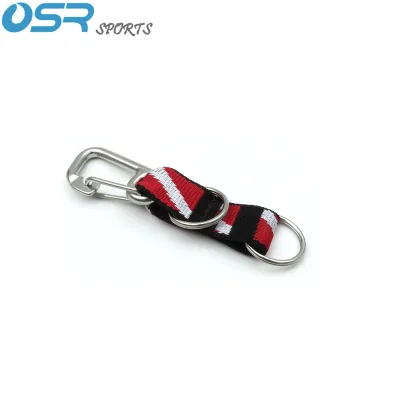
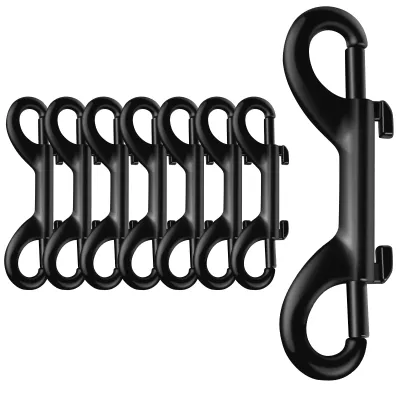
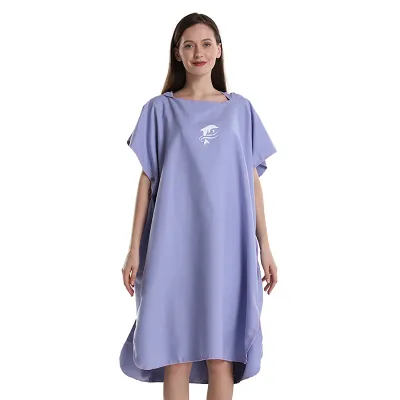
Prices are valid at publication and may change. Please refer to the product page for the latest price.
What to Look for in Beginner-Friendly Dive Accessories
Before purchasing any add-ons for your snorkeling kit, it is important to understand the key criteria that make gear suitable for a beginner. Selecting the wrong accessories can lead to unnecessary expenses or, worse, equipment failure while you are in the water. Keep the following four pillars in mind when evaluating your options:
Material Safety & Comfort Always prioritize high-quality, hypoallergenic materials. For wearable accessories, look for liquid-injection silicone (LSR) rather than cheap plasticized polyvinyl chloride (PVC). High-grade silicone remains soft and flexible, conforming gently to your skin without causing allergic reactions or red pressure marks. For fabric accessories like socks or strap covers, double-lined neoprene offers excellent stretch and prevents chafing. When choosing chemical accessories such as defoggers, look for biodegradable, non-toxic, and reef-safe formulations to protect both your eyes and the delicate marine ecosystems you are visiting.
Ease of Use As a beginner, your focus should be on learning basic water skills, not struggling with complicated gear adjustments. Avoid accessories designed for technical scuba diving, which often require complex rigging, heavy-duty clips, or specialized knowledge. Instead, opt for intuitive designs, such as simple roll-top dry bags that seal with a quick fold and buckle, or slide-on neoprene strap covers that require zero adjustment once in place.
Portability and Packability Because snorkeling often involves travel to regional islands, your accessories should be lightweight and highly packable. Heavy or bulky items add unnecessary weight to your baggage and can be cumbersome to carry on small transfer boats, kayaks, or during beach walks. Look for accessories that can be easily folded, rolled, or tucked into small pockets of your main gear bag.
Durability vs. Cost While it is tempting to buy the cheapest unbranded items available on online marketplaces, low-grade water sports gear is highly prone to rapid degradation under the intense tropical sun and salty water. A broken strap or a leaking waterproof pouch can quickly ruin an expensive trip. A smarter approach is to target mid-range items from established diving brands or high-value starter gear from reputable sports retailers. This ensures a baseline of safety, reliable performance, and durability over multiple trips without requiring a massive financial investment.
Essential Dive Accessories Every Beginner Should Pack
Building your starter kit does not require buying every gadget on the market. Instead, focus on a few highly effective items designed to address the most common physical discomforts and practical challenges faced by new snorkelers.

Anti-Fog Drops and Mask Defoggers
There is nothing more frustrating than having your view of a sea turtle blocked by a thick layer of condensation inside your mask. During the manufacturing process, a thin film of silicone oil (a mold release agent) deposits on the glass lenses of new masks. When the warm, moist air from your face meets the cooler sea water outside, this film causes rapid fogging. While the traditional method of using saliva can assist in a pinch, it rarely lasts for an entire snorkeling session and is highly dependent on hydration levels.
To solve this, invest in a dedicated commercial mask defogger. These concentrated formulas create a microscopic, hydrophilic barrier on the glass that prevents water droplets from clinging to the surface. It is vital to select products that are explicitly labeled as both eye-safe and reef-safe. Some popular, highly regarded options include Gear Aid (formerly McNett) Sea Gold or Sea Quick, and Stream2Sea Reef Friendly Mask Defogger.
Always check the manufacturer’s application instructions before use. Many concentrated drops require you to apply a small amount, rub it across the dry lens, and then rinse the mask thoroughly in fresh or salt water before putting it on. Never use harsh household detergents, abrasive toothpastes on plastic lenses, or chemical glass cleaners, as these can permanently damage your gear, irritate your eyes, and release harmful toxins into the ocean.
Neoprene Socks and Reef-Safe Water Shoes
Foot protection is critical when transitioning between dry land and the water, as well as during active swimming. Beginners often face two distinct challenges: painful blisters caused by the constant rubbing of full-foot rubber fins, and the risk of cutting their feet on sharp rocks or dead coral during beach entries.
To address fin rub, thin neoprene socks (typically 1mm to 2mm thick) are highly recommended. These socks act as a soft friction barrier between your skin and the rubber pocket of your fins, ensuring comfort during long swimming sessions. For shore excursions and rocky beach entries, sturdy water shoes with vulcanized rubber soles are more appropriate. Brands like Cressi, Mares, and Seac offer excellent low-profile neoprene socks and protective water shoes designed specifically for warm-water use.
When purchasing, ensure a very snug fit. If your socks or shoes are too loose, sand and small pebbles will wash inside, acting like sandpaper against your skin and causing severe chafing. Additionally, keep in mind that standard water shoes do not provide absolute puncture-proof protection against long-spined sea urchins, which are common in regional shallow waters. Always shuffle your feet slowly when walking in shallow sandy areas to avoid stepping directly on hidden marine life, and never step on or touch living coral reefs.
Comfort Mask Straps and Silicone Covers
Standard silicone mask straps are highly functional, but they are notorious for catching, pulling, and tangling long hair. This makes putting on and removing your mask a painful chore, which can cause anxiety for beginners who are already adjusting to breathing through a snorkel. If a beginner tries to adjust a tangled mask in deep water, they might swallow water or panic, creating a serious safety hazard.
A simple and highly effective solution is a neoprene comfort mask strap cover. This is a soft, padded sleeve that slides directly over your existing silicone strap. It distributes the tension of the strap more evenly across the back of your head, eliminates hair pulling, and adds a small amount of positive buoyancy to your mask, making it less likely to sink if dropped. Alternatively, you can replace the entire silicone strap with a full fabric comfort strap. Excellent options are available from Cressi, Subea, and various local dive shops.
Before buying, check that the width of the cover or replacement strap is compatible with your mask’s side buckles. When adjusting your mask, remember that it should rest gently against your face; the water pressure will naturally create a seal. Overtightening the strap in an attempt to prevent leaks will only distort the silicone skirt, causing more leaks and painful mask squeeze.
Dry Bags and Floating Waterproof Pouches
Protecting your personal items from water, sand, and salt spray is a major logistical challenge on any snorkeling trip. Whether you are on a speed boat, a kayak, or sitting on a sandy beach, your dry clothes, towels, phones, and wallets are constantly exposed to the elements.
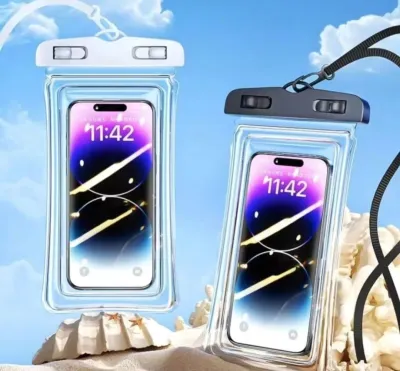
A roll-top dry bag is an essential piece of utility gear. Usually constructed from heavy-duty, waterproof PVC or polyurethane-coated nylon, these bags seal out water when the top is rolled down tightly at least three times and buckled. For in-water use, a floating waterproof phone pouch with a secure snap-lock or dual-zipper seal allows you to keep your phone close by and capture casual photos near the surface. Reliable brands for dry storage include Sea to Summit, Cressi, and Overboard.
Remember that no dry bag or phone pouch is entirely foolproof. Before trusting any waterproof pouch with your expensive electronics, always perform a simple “tissue test” at home: place a dry piece of paper tissue inside the pouch, seal it completely, submerge it in a basin of water for ten minutes, and check for any signs of moisture. Additionally, be aware that capacitive touchscreens do not function well underwater due to the conductivity of the water; you will generally need to use your phone’s physical volume buttons to snap photos while submerged.
Replacement Snorkel Mouthpieces
Hygiene and jaw comfort are often overlooked by beginners, particularly those who rely on rental gear. Standard mouthpieces on rental snorkels or budget-tier equipment are frequently made of stiff, low-grade plastics that require constant jaw pressure to hold in place, leading to rapid jaw fatigue, headaches, and an increased risk of water inhalation.
Carrying your own high-quality replacement mouthpiece is an excellent hygienic practice if you plan to rent gear. It also allows you to upgrade a budget snorkel with a much softer, medical-grade liquid silicone mouthpiece. Look for orthodontic designs that feature pre-molded bite tabs. These conform naturally to your bite pattern, allowing you to keep the snorkel securely in your mouth with minimal jaw effort. Mares, Scubapro, and Cressi offer highly comfortable, standard-sized replacement mouthpieces.
Before purchasing, verify the attachment mechanism of your snorkel barrel. Most standard snorkels secure the mouthpiece using a small plastic zip-tie or a specialized plastic clip. If you are replacing the mouthpiece yourself, ensure you have a compatible zip-tie on hand and use caution when cutting away the excess plastic strip to avoid slicing into the soft silicone of your new mouthpiece.
Best Brands for Starter Snorkeling Accessories
When shopping for starter dive accessories in Singapore, choosing established brands ensures that the materials used are safe, durable, and designed specifically for marine environments.
Cressi and Mares These legendary Italian brands have decades of heritage in manufacturing professional diving and snorkeling equipment. They offer an extensive range of high-quality, reliable small accessories alongside their high-end scuba gear. Their products are widely distributed across local Singaporean dive shops—particularly around the Beach Road area and specialized water sports retailers. Cressi and Mares represent excellent mid-range choices that offer a perfect balance of safety, comfort, and long-term durability.
Subea (Decathlon) Subea is the dedicated diving and snorkeling brand of Decathlon, and it is widely considered the most accessible and budget-friendly option for absolute beginners in Singapore. With several massive physical experience stores located across the island (including Kallang, Joo Koon, and Bedok), Subea makes it exceptionally easy to physically try on gear, feel the flexibility of the silicone, and consult with in-store sports advisors. Their generous return and exchange policies provide peace of mind for first-time buyers who are unsure about sizing.
Gear Aid Unlike brands that focus on wearable gear, Gear Aid (formerly McNett) specializes almost exclusively in maintenance, cleaning, protective coatings, and repair kits. Their anti-fog solutions, specialized gear washes, and silicone lubricants are industry standards. If you want to keep your starter gear performing optimally and extend its lifespan, Gear Aid products are essential additions to your maintenance kit.
Purchasing Advice for Singapore Residents To ensure you are getting genuine, high-quality products, always purchase your dive accessories from authorized local dealers, official brand stores on major online marketplaces, or reputable physical outdoor retailers. Avoid buying extremely cheap, unbranded silicone or plastic accessories from unverified online sellers. These low-cost imitations often use industrial-grade plastics that can leach harmful chemicals, cause severe skin irritation, or degrade rapidly when exposed to the intense tropical UV rays of Singapore.
Quick Comparison: Top Brands for Beginner Dive Gear
To help you quickly identify which brand best aligns with your specific needs and budget, refer to the summary table below:
| Brand | Best For | Price Tier | Key Strength |
|---|---|---|---|
| Subea (Decathlon) | Absolute beginners on a budget | Budget | High accessibility, physical stores in Singapore, easy returns |
| Cressi | All-round comfort and reliable fit | Mid-Range | Premium Italian design, excellent hypoallergenic silicone |
| Mares | Durable foot protection and mouthpieces | Mid-Range | Robust build quality, ergonomic orthodontic designs |
| Gear Aid | Mask maintenance and anti-fog care | Budget to Mid-Range | Specialized formulas, highly effective reef-safe options |
| Sea to Summit | Lightweight, packable dry storage | Mid-Range to Premium | Highly packable, exceptionally durable waterproof fabrics |
Note: Please verify current stock, sizing, and warranty terms with your local Singapore retailers or official brand distributors before purchasing, as product availability and regional warranty policies may fluctuate.
Frequently Asked Questions (FAQ)
Can I use regular sunscreen or soap as a mask defogger?
No, you should strictly avoid using regular sunscreen, body soaps, or household dishwashing liquids as mask defoggers. These products contain harsh surfactants, artificial fragrances, and active chemical ingredients that can cause severe eye irritation, burning, and redness when trapped inside a sealed mask. Furthermore, washing these chemicals directly into the sea contributes to marine pollution and can damage delicate coral reefs. To protect both your eyes and the underwater environment, always use certified reef-safe, biodegradable commercial defoggers, or opt for a highly diluted, tear-free baby shampoo mixture, which is much gentler on the eyes and significantly less harmful to marine life.
Are thick neoprene socks too hot for snorkeling in Singapore?
Yes, thick thermal neoprene socks (such as those 3mm to 5mm thick designed for cold-water diving) are entirely unnecessary and highly uncomfortable for snorkeling in the warm tropical waters around Singapore and Malaysia, where water temperatures typically hover between 28°C and 30°C. Wearing thick thermal gear in this climate can lead to overheating and restricted foot movement. Instead, opt for thin (1mm to 2mm) neoprene socks or lightweight lycra dive skins. These provide the necessary protection against fin friction and blisters without adding unwanted insulation or bulk.
Community discussion
Share your experience or ask a question. Comments are reviewed before publication.