
To excel in dragon boating, a paddler needs a curated set of personal gear: a certified paddle, a high-mobility personal flotation device (PFD), non-slip water shoes, UV-protective apparel, and reliable dry storage. While dragon boat clubs provide the boat and basic safety gear, investing in personal accessories dragon boat training requires is crucial for safety, ergonomic comfort, and performance.
Dragon boating is an intense water sport conducted on open, dynamic water bodies. Before stepping into a boat, you must verify your swimming proficiency and understand your physical limits. No piece of equipment can replace formal water safety training, physical conditioning, or sound judgment. If weather conditions deteriorate—such as during lightning warnings common in tropical climates like Singapore—paddling must stop immediately, and teams must return to shore.
Quick Guide: Must-Have Gear Categories for Paddlers
Paddlers must navigate a unique environment where high-intensity physical exertion meets constant water exposure and intense sun. The essential gear categories can be divided into performance tools (paddles and grip accessories), safety equipment (PFDs), environmental protection (apparel and footwear), and utility gear (hydration and dry storage).
Products mentioned in this guide
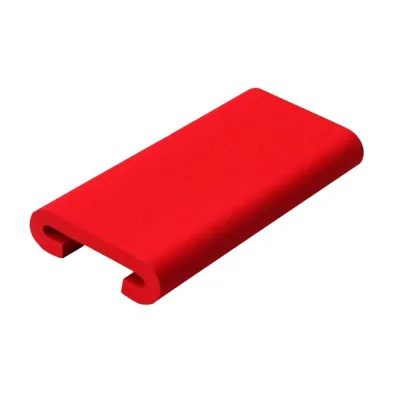
![[SG 🚚] Dragon Boat Seat Lightweight Thick Cushion Dragon Boat Premium Shockproof Durable Non-slip Rowing Seat Pad Competition](https://img.lazcdn.com/g/p/682af89435ed5b75e7bba965c8aee3da.jpg_400x400q80.jpg_.webp)
Prices are valid at publication and may change. Please refer to the product page for the latest price.
Selecting the right accessories requires balancing water conditions, team regulations, and personal ergonomics. For instance, paddling in the choppy saltwater of the East Coast Park coastline demands different grip and footwear considerations than training in the relatively calm, fresh waters of the Kallang Basin. Furthermore, governing bodies like the Singapore Dragon Boat Association (SDBA) or the International Dragon Boat Federation (IDBF) enforce strict rules regarding paddle dimensions and PFD certifications. Personalizing your gear ensures that your body is protected from repetitive strain injuries while maximizing your power output per stroke.
Selecting Paddles and Grip Accessories for Power and Control
The paddle is your primary connection to the water, translating muscular effort into forward propulsion. Choosing the right paddle and optimizing your grip can mean the difference between a powerful, clean stroke and chronic wrist or shoulder strain.

Paddle Sizing and Material Evaluation
Finding the correct paddle length is the first step toward an efficient stroke. Two primary methods are used: height-based sizing and torso-based sizing. Height-based sizing is a quick reference, but torso-based sizing is far more accurate because it accounts for your sitting height in the boat. To measure your torso length, sit upright on a flat chair and measure the distance from the seat to your collarbone. This measurement should closely match the shaft length (excluding the blade). A paddle that is too long forces your shoulder into an unnaturally high, vulnerable position at the catch, while a paddle that is too short limits your blade submersion, reducing your leverage and power.
Materials play a decisive role in weight, stiffness, and fatigue management. Carbon fiber is the gold standard for competitive racers; it is exceptionally lightweight (often under 400 grams) and highly stiff, ensuring that almost no energy is lost during the stroke. However, carbon fiber is brittle and can crack upon hard impact with the boat’s gunwale. Fiberglass offers a durable, slightly more flexible alternative that absorbs some shock, making it gentler on the joints of intermediate paddlers, though it is heavier than carbon fiber. Wood remains a traditional choice, favored for its natural flex and aesthetic appeal, but it requires regular maintenance to prevent water logging and is significantly heavier, which can accelerate fatigue during long endurance sessions.
Before purchasing, always verify the regulations of your specific league or race organizer. The IDBF publishes strict specifications (such as the IDBF PS 202a standard) regarding blade surface area, shaft curvature, and material composition. Using a non-compliant paddle can lead to disqualification on race day.
Grips, Tape, and Blister Prevention
The interface between your hands and the paddle determines your control over the blade angle. Paddle grips generally fall into two categories: T-grips and palm (or ergonomic) grips. T-grips feature a distinct crossbar that allows your top hand to wrap securely around the top, providing maximum leverage and precise control over the blade’s angle of entry. Palm grips are contoured to fit the natural curve of your hand, distributing pressure more evenly to reduce wrist strain over long distances.
Because dragon boating involves thousands of repetitive strokes in wet conditions, blisters and slippage are common challenges. Applying athletic tape, specialized self-amalgamating silicone paddle tape, or textured grip sleeves to the shaft can dramatically improve your hold. Unlike standard tape, silicone tape adheres only to itself, leaving no sticky residue on your paddle shaft when removed. It provides a rubbery, high-friction surface that remains effective even when drenched in sweat or saltwater.
When setting up your grip, evaluate the shaft diameter relative to your hand size. A shaft that is too thick forces your forearm muscles to overwork to maintain a grip, leading to rapid fatigue and conditions like tendonitis. Conversely, a shaft that is too thin can cause hand cramping. Ensure you can comfortably wrap your fingers around the shaft with a slight overlap.
Safety First: Choosing the Right Personal Flotation Device (PFD)
Safety must always take precedence over performance. A personal flotation device is a non-negotiable accessory for dragon boaters, particularly during early morning training sessions when visibility is low, or when navigating busy, choppy waterways. Even strong swimmers can become incapacitated during a capsize or collision, making a reliable PFD a life-saving necessity.
When selecting a PFD for dragon boating, standard bulky life jackets designed for recreational boating are highly unsuitable. Look for specialized, low-profile, high-cut designs. These PFDs feature large armholes and narrow chest panels that do not restrict shoulder rotation, arm extension, or your forward-leaning paddling range of motion. The foam should be concentrated around the midsection and lower back, leaving the upper torso free to twist and lean.
Compliance with local maritime authorities is mandatory. In Singapore, the Maritime and Port Authority (MPA) and local race organizers require PFDs to meet specific buoyancy standards (such as ISO 12402-5 or USCG Type III approvals). Always check the inner label of the PFD for these certification stamps before purchasing.
Paddlers generally choose between standard foam PFDs and inflatable belt packs. Foam PFDs provide inherent buoyancy, meaning they require no manual activation and will keep you afloat instantly upon entering the water. They are highly reliable and require minimal maintenance beyond a fresh-water rinse. Inflatable belt packs, which sit around the waist and inflate via a CO2 cartridge when a cord is pulled, offer maximum upper-body freedom. However, they require active deployment, regular inspection of the inflation mechanism, and are often prohibited by race organizers or local safety rules for non-swimmers or high-risk training sessions. Verify the specific rules of your training venue and team before opting for an inflatable model.
Apparel and Footwear for Wet and Sunny Conditions
The tropical climate of Singapore presents dual challenges: intense UV radiation and constant wetness from paddle splashes and humidity. Your clothing and footwear choices must keep you cool, dry, and secure on the boat.
Sun Protection and Moisture-Wicking Tops
Paddling on open water exposes you to direct sunlight as well as UV rays reflected off the water’s surface. To protect your skin from severe sunburn and long-term UV damage, wear UPF 50+ rated long-sleeve rash guards or technical synthetic shirts. These garments are designed to block over 98% of harmful radiation while actively wicking moisture away from your skin to facilitate evaporative cooling.
Cotton garments must be strictly avoided. Cotton acts like a sponge, absorbing water from splashes and sweat without releasing it. A wet cotton shirt becomes heavy, clings to your body, restricts movement, and can cause severe chafing. In cooler, windy conditions—such as early morning sessions during the monsoon season—wet cotton can rapidly lower your core body temperature, leading to chills.
For optimal comfort, practice layering. Wear a lightweight, moisture-wicking base layer underneath your team’s uniform jersey. This allows you to adapt to changing temperatures as the morning mist burns off into intense midday heat.
Water Shoes and Anti-Slip Footwear
The floor of a dragon boat—whether constructed of traditional wood or modern fiberglass—becomes incredibly slippery when wet. Footwear is essential not only for maintaining your footing during boarding and disembarking but also for locking your feet into the boat’s foot braces to transfer power from your legs through your torso and into your stroke.
When evaluating water shoes, look for three critical features: drainage ports, non-marking rubber outsoles, and secure heel straps. Drainage ports allow water that splashes into the shoe to exit immediately, preventing the heavy, sloshing sensation of water-logged footwear. Non-marking rubber outsoles feature specialized tread patterns (often with siping, or tiny cuts in the rubber) that grip wet surfaces without leaving scuff marks on the boat. Secure heel straps or full-slip-on designs ensure the shoe remains firmly on your foot, even if you have to swim.
Bare feet, standard socks, and flip-flops are highly unsafe. Bare feet offer zero traction and leave your toes vulnerable to painful impacts against the boat’s internal ribs or foot braces. Flip-flops slip off easily and provide no stability, while standard socks retain water and slide on wet fiberglass. Always check the fit of your water shoes while they are wet; a shoe that fits perfectly dry may stretch and slip when wet, leading to painful friction blisters. For training in cooler climates or during rainy seasons, pairing your water shoes with thin neoprene socks can provide additional thermal insulation and blister protection.
Hydration, Nutrition, and Dry Storage Solutions
A typical dragon boat training session can last anywhere from 90 minutes to three hours, demanding continuous hydration and energy replenishment. Managing your personal items and nutrition on a wet boat requires specialized storage solutions.
Dehydration rapidly degrades physical performance and decision-making. Because you cannot easily stop paddling to unscrew a bottle, your hydration system must be easily accessible. Insulated stainless steel water bottles keep your water cool despite the tropical heat. To prevent your bottle from rolling around the bottom of the boat or falling overboard during a roll, secure it using a heavy-duty carabiner clipped to the boat’s internal structure, or use a specialized suction-cup bottle holder designed for marine environments.
Protecting your electronics, car keys, and dry clothing requires a high-quality waterproof dry bag. For personal use on a dragon boat, a capacity of 5 liters to 10 liters is ideal. This size is large enough to hold your essentials without taking up valuable legroom in the narrow cockpit. When choosing a dry bag, inspect the seams; they should be fully welded or taped rather than stitched. To seal a roll-top dry bag correctly, tightly fold the stiffened collar down at least three to four times before fastening the buckle. This creates a watertight seal that can withstand brief submersion.
For long endurance training blocks, quick-access nutrition is vital to prevent bonking. Small, waterproof zippered pouches or floating hard cases can be clipped to your PFD or tucked into a secure pocket. These keep energy gels, electrolyte tablets, or small snacks dry and within arm’s reach, allowing you to refuel quickly during short water breaks without risking your snacks getting soaked by bilge water.
Training vs. Racing: How to Adjust Your Gear Setup
Your accessory configuration should adapt depending on whether you are grinding through a grueling weekend training session or lining up at the start gate on race day.
During daily training, prioritize durability, comfort, and comprehensive environmental protection. Because you will be on the water for extended periods, carrying a larger dry bag with extra hydration, sunblock, and nutrition is sensible. Some paddlers choose to train with slightly heavier paddles—such as fiberglass or wood—to build upper-body strength and endurance, saving their premium lightweight gear for competition.
On race day, the objective shifts to maximizing speed, minimizing weight, and ensuring strict compliance with event regulations. Strip your gear down to the absolute essentials. Swap out heavier training gear for an ultra-lightweight carbon fiber paddle to maximize stroke rate and reduce fatigue over multiple heats. Ensure your PFD is as low-profile as possible to minimize aerodynamic drag and weight when wet. All personal items should be left on land; carry only the hydration you need for the immediate race. Finally, double-check that all your gear—especially your paddle and PFD—passes the official race-day safety inspections to avoid last-minute disqualifications.
| Dimension | Training Setup | Racing Setup |
|---|---|---|
| Weight | Moderate; focus on durability and strength building | Minimalist; ultra-lightweight carbon fiber components |
| Durability | High; built to withstand daily wear and tear | Optimized for performance; requires careful handling |
| Comfort | Maximum; prioritized for long hours on the water | High; streamlined to prevent chafing during high-intensity bursts |
| Compliance | Flexible; subject to club safety guidelines | Strict; must meet exact IDBF and local race safety standards |
| Hydration/Nutrition | Comprehensive; large capacity for extended sessions | Minimal; limited to immediate pre-race and post-race needs |
Frequently Asked Questions (FAQ)
Do I need to buy my own dragon boat paddle?
Most dragon boat clubs and teams provide basic, generic wooden or plastic paddles for beginners and casual paddlers. This allows newcomers to learn the basic technique without an upfront financial commitment. However, as you transition to intermediate or competitive paddling, investing in your own paddle is highly recommended. A personal paddle is sized precisely to your torso, features your preferred grip style, and offers a consistent weight that helps build muscle memory. Before purchasing, consult your team coach to ensure the paddle you choose aligns with the team’s technical style and meets the regulatory standards of your racing league.
Can I wear sunglasses while dragon boating?
Yes, wearing sunglasses is highly recommended to protect your eyes from intense UV rays and water glare. However, standard fashion sunglasses are at high risk of slipping off and sinking during a vigorous stroke, a sudden turn, or a capsize. To prevent losing your eyewear, choose polarized sports sunglasses that reduce glare on the water surface, and always pair them with a floating neoprene strap or a secure silicone retention cord. This ensures that if your glasses do fall off, they will remain afloat and easily retrievable.
What is the best way to clean and store dragon boat gear?
Proper maintenance is essential to prolong the lifespan of your paddling accessories. After every session, thoroughly rinse all your gear—especially your PFD, water shoes, paddle, and dry bag—with clean, fresh water to remove salt, chlorine, sweat, and silt. Allow your gear to air-dry completely in a well-ventilated, shaded area. Avoid leaving your PFD or carbon fiber paddle in direct, intense sunlight for extended periods when not in use, as UV radiation can degrade synthetic fabrics and weaken composite materials. Store your paddle in a padded paddle bag and keep all gear in a cool, dry place away from extreme heat.
Community discussion
Share your experience or ask a question. Comments are reviewed before publication.