
Building a complete strength training setup at home requires a strategic balance between your fitness goals, available space, and structural environment. For many men, the ultimate home gym centers on a versatile combination of dumbbells and barbells. This equipment forms the foundation of progressive overload, allowing you to perform compound movements that build dense muscle mass, increase bone density, and improve functional strength.
However, selecting the wrong gear can lead to cluttered living spaces, damaged flooring, and noise complaints from neighbors. To make an informed investment, you must evaluate key factors such as weight mechanisms, material durability, and spatial requirements before purchasing your equipment.
How to Choose Dumbbells and Barbells for Your Home Space
Selecting free weights for residential use is fundamentally different from training in a commercial gym. In residential environments, particularly in multi-story buildings or compact apartments, space optimization, floor protection, and noise control are critical decision dimensions.
Products mentioned in this guide
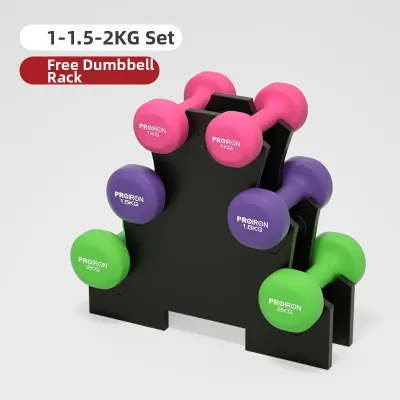
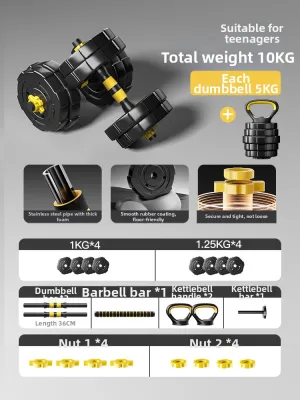
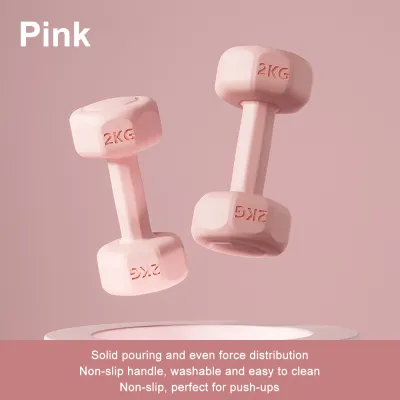
Prices are valid at publication and may change. Please refer to the product page for the latest price.
Spatial Footprint and Storage
Your first decision is determining how much physical space you can permanently dedicate to your gym equipment. A full rack of fixed dumbbells requires substantial wall space, whereas a single pair of adjustable dumbbells fits neatly into a closet or corner. For barbells, you must measure not only the bar itself but also the lateral clearance required to load and unload weight plates safely. A standard 7-foot barbell requires at least 3 meters of clear horizontal space to prevent the ends from striking walls or furniture during loading.
Floor Protection and Impact Mitigation
Dropping heavy metal weights on unprotected residential flooring can crack ceramic tiles, dent vinyl, or warp hardwood. Even concrete subfloors can suffer structural degradation over time from repeated impacts. To prevent costly property damage, prioritize dumbbells and weight plates coated in protective materials. High-density rubber or polyurethane (PU) coatings act as a buffer, absorbing impact energy and protecting both the equipment and your subfloor. Additionally, you should install professional-grade, high-density rubber gym mats that are at least 15 mm to 20 mm thick in your lifting area.
Noise Control in Shared Environments
The metallic clang of cast iron weights can easily travel through structural walls and floors, causing noise disturbances. Rubber-coated plates and dumbbells drastically dampen this sound, making them essential for early-morning or late-night workouts. If you plan to perform heavy compound lifts like deadlifts, using bumper plates—which are made of high-density vulcanized rubber—will further reduce noise and vibration.
Structural Load Limits
Before purchasing heavy barbell setups, power racks, or hundreds of kilograms of weight plates, you must verify your home’s structural floor load limits. This is especially important in high-rise apartments or older residential buildings. Standard residential floors are typically engineered to support specific distributed weight limits (often around 150 kg to 240 kg per square meter). Keep in mind that this limit must accommodate the combined weight of the equipment rack, the loaded barbell, the utility bench, and your own body weight. If you are planning a heavy powerlifting setup, consult your building management or a structural engineer to ensure your floor can safely bear the concentrated load.
Best Adjustable Dumbbells for Space-Saving Workouts
For men training in compact spaces, adjustable dumbbells are the most efficient option. These systems pack an entire rack of weights into the footprint of a single pair, making them the ideal choice for multi-purpose rooms.

Dial-Adjustable vs. Selector-Pin Mechanisms
Adjustable dumbbells generally use one of two primary adjustment mechanisms:
- Dial-Adjustable Systems: These models feature rotating dials on each end of the dumbbell handle. By turning the dial to your desired weight, the internal locking mechanism selects the corresponding plates and leaves the rest in the storage cradle. This system is incredibly fast and user-friendly, allowing you to transition between exercises in seconds.
- Selector-Pin Systems: These utilize a magnetic or mechanical pin that slides into the side of the weight stack, similar to selectorized gym machines. These systems are highly durable and often feature a more traditional, block-like shape that some lifters find more stable during heavy presses.
Selecting the Right Weight Range
Your choice of weight capacity should reflect your current strength levels and future progression goals.
- Beginner to Intermediate (2 kg to 24 kg per dumbbell): This range is highly versatile for isolation movements, high-intensity interval training (HIIT), and upper-body exercises like lateral raises, bicep curls, and shoulder presses.
- Intermediate to Advanced (4 kg to 40 kg+ per dumbbell): If you prioritize heavy compound lifts such as dumbbell bench presses, goblet squats, and heavy rows, investing in a heavier set is essential to ensure long-term progressive overload.
Mechanical Trade-offs and Safety Precautions
While adjustable dumbbells offer unmatched space efficiency, they have distinct mechanical limitations. Because they rely on intricate internal gears, selector pins, and interlocking plates, they are significantly more fragile than solid metal dumbbells. Dropping an adjustable dumbbell can crack the plastic dials, bend the selector pins, or damage the locking plates, which can cause plates to slip off during an exercise—posing a severe safety risk. Always check the manufacturer’s warranty terms, as many brands explicitly void coverage for damage caused by dropping the weights. Inspect the locking mechanism before every set to ensure all plates are securely engaged.
Ergonomics and Footprint
When shopping for adjustable dumbbells, pay close attention to the handle grip texture and materials. A knurled steel handle provides a more secure, slip-resistant grip during sweaty workouts compared to smooth plastic handles. Additionally, consider the physical length of the dumbbell; some adjustable models remain at their maximum length even when set to lighter weights, which can feel bulky or awkward during exercises like hammer curls or overhead presses.
Top Fixed Dumbbells for Heavy Lifting and Quick Transitions
If you have a dedicated garage gym, spare room, or landed property with ample space, fixed dumbbells offer a robust, commercial-grade lifting experience that is virtually indestructible.
Hexagonal Design for Safety and Versatility
When choosing fixed dumbbells, hexagonal-headed designs are superior to traditional round dumbbells for home use. The flat edges of hex dumbbells prevent them from rolling across the floor, reducing the risk of injury or damage to nearby walls. Furthermore, the flat hexagonal faces provide a stable base for floor-based exercises, allowing you to safely perform movements like renegade rows, dumbbell push-ups, and floor presses without the weights shifting under your hands.
Material Comparison: Rubber vs. Polyurethane (PU)
Fixed dumbbells are typically coated in either rubber or polyurethane, each offering distinct performance characteristics:
- Standard Rubber: This is a budget-friendly option that provides excellent shock absorption. However, brand-new rubber dumbbells often emit a strong, pungent chemical odor that can linger in small, unventilated rooms for weeks. Over time, cheaper rubber can also degrade, become sticky, or leave black marks on your floors.
- Premium Polyurethane (PU): PU is a highly durable, synthetic material that is completely odorless, making it ideal for indoor home gyms. It is highly resistant to tearing, sweat, and UV damage, and it will not scuff your walls or floors. While PU dumbbells command a higher price point, their longevity and clean aesthetic make them a superior long-term investment.
Smart Purchasing Strategies
Buying a complete run of fixed dumbbells from 2 kg to 30 kg is incredibly expensive and requires a massive storage rack. A more practical and budget-conscious approach is to purchase a tiered set of three core pairs:
- Light Pair (e.g., 5 kg to 7.5 kg): Used for lateral raises, rear delt flyes, and rotator cuff warm-ups.
- Medium Pair (e.g., 12.5 kg to 15 kg): Used for overhead presses, bicep curls, and single-arm rows.
- Heavy Pair (e.g., 22.5 kg to 25 kg+): Used for flat bench presses, goblet squats, and Romanian deadlifts.
As your strength increases, you can strategically purchase individual heavier pairs to expand your set without overspending upfront.
Which Barbells Do You Actually Need for a Home Gym?
While dumbbells are excellent for unilateral training and hypertrophy, a barbell is unmatched for loading heavy, bilateral compound movements. Depending on your training style and space constraints, different barbell designs serve distinct purposes.
Olympic Barbells for Heavy Compound Lifts
The standard 20 kg, 7-foot (2.2-meter) Olympic barbell is the gold standard for foundational strength training, including back squats, bench presses, overhead presses, and deadlifts.
When choosing a multipurpose Olympic bar, look for the following specifications:
- Shaft Diameter: A diameter of 28 mm to 29 mm is ideal for general strength training, providing a comfortable grip and the right amount of stiffness (whip) under heavy loads.
- Knurling Pattern: Knurling is the cross-hatched pattern etched into the steel shaft to improve grip. For home use, a moderate, dual-mark knurling is preferred. Avoid ultra-aggressive powerlifting knurling unless you regularly lift heavy without chalk, as aggressive knurling can tear your hands during high-volume training. Additionally, consider whether you want center knurling; it helps keep the bar secure on your back during squats but can scratch your collarbones during clean-and-presses.
- Sleeve Rotation: The sleeves (the ends where weight plates are loaded) must rotate smoothly to reduce rotational torque on your wrists and elbows. Bushing sleeves use bronze or composite sleeves for a smooth, controlled spin, which is ideal for powerlifting and general strength work. Bearing sleeves utilize needle bearings for rapid, frictionless rotation, which is essential for Olympic weightlifting movements like cleans, snatches, and jerks.
Safety Check: Operating a standard Olympic barbell safely requires a sturdy power rack or squat stand equipped with adjustable safety spotter arms. Never attempt heavy squats or bench presses alone without properly adjusted safety arms in place to catch the bar in the event of a failed repetition.
Hex Trap Bars for Joint-Friendly Deadlifts
For men prioritizing joint longevity and lower back safety, the hex trap bar is an exceptional alternative to a straight barbell for deadlifting.
- Biomechanical Advantages: The hexagonal design allows you to step inside the frame, aligning the weight directly with your body's center of gravity rather than in front of it. This biomechanical shift significantly reduces shear force on the lumbar spine and allows for a more upright torso position, making it a safer option for lifters with a history of lower back issues.
- Versatility: Beyond deadlifts, a trap bar is excellent for performing heavy shrugs, overhead presses, and farmer's walks.
- Design Considerations: Look for open-back trap bar designs. The open frame allows for a wider range of motion, makes it easier to step in and out, and simplifies the process of loading and unloading plates. Ensure you have a clear walking path of at least 3 meters if you plan to perform farmer's walks safely.
Short Bars and Curl Bars for Compact Spaces
If your workout room cannot accommodate a full-sized 7-foot Olympic bar, you do not have to abandon barbell training entirely. Highly effective, space-saving alternatives exist:
- Shorty Barbells: These are typically 5-foot or 6-foot variants of the Olympic bar. They feature shorter sleeves to reduce overall length while maintaining a standard-width shaft, allowing them to fit on standard squat racks. The main trade-off is reduced plate capacity, meaning you may need to use thinner, machined steel plates rather than bulky rubber bumper plates to load heavy weights.
- EZ Curl Bars: Featuring an angled, W-shaped shaft, the EZ curl bar is designed specifically for targeted arm training, such as bicep curls and tricep extensions. The angled grips place your wrists in a semi-supinated (angled) position, which drastically reduces strain on the wrists, forearms, and elbows compared to a straight bar. EZ curl bars are compact, require no rack, and can be easily stored under a bed.
Compare Home Gym Free Weight Setups
To help you determine the best configuration for your home, review this comparison of free weight setups tailored to different living spaces, budgets, and training goals.
| Setup Type | Recommended Equipment | Ideal Space | Best For |
|---|---|---|---|
| Space-Saver Setup | Adjustable dumbbells (2-24 kg) + EZ curl bar | Bedroom, small utility room, or living room corner | General fitness, high-intensity interval training (HIIT), and upper-body hypertrophy |
| Heavy Lifter Setup | Tiered fixed hex dumbbells + 7ft Olympic bar + Trap bar + Power rack | Dedicated spare room, garage, or landed property basement | Powerlifting, heavy strength training, maximum equipment durability, and joint-friendly deadlifts |
| Hybrid Setup | Adjustable dumbbells (up to 40 kg) + 6ft short barbell + Squat stands | Medium living spaces, shared study, or multi-purpose rooms | Balanced strength training, compound movements, and space efficiency without a massive footprint |
Selecting the right setup depends on your primary training focus. If your goal is general fitness and muscle maintenance with minimal clutter, the Space-Saver Setup offers the most practical path. For those dedicated to serious strength progression and powerlifting who have the physical space to support it, the Heavy Lifter Setup provides commercial-grade performance. The Hybrid Setup strikes an excellent middle ground, offering the heavy compound capacity of a barbell alongside the space-saving convenience of adjustable dumbbells.
Frequently Asked Questions (FAQ)
How much weight should I start with for dumbbells and barbells?
Your starting weight should be determined by your current strength levels and the specific movement patterns you are performing, rather than arbitrary numbers. For isolation exercises like lateral raises or bicep curls, select a starting dumbbell weight that allows you to perform 10 to 12 repetitions with proper form, leaving 2 to 3 repetitions in reserve (Rating of Perceived Exertion, or RPE, of 7 to 8). For compound barbell lifts like squats, deadlifts, and bench presses, always start with an empty barbell (typically 20 kg) to master the movement mechanics and ensure your joints are properly warmed up. Gradually add weight plates in small increments (e.g., 2.5 kg to 5 kg per side) only after you can execute your target sets and reps with perfect technique.
Do I need a lifting platform or mats for my home gym?
If you plan to perform heavy deadlifts, clean-and-presses, or use heavy dumbbells, high-density floor protection is mandatory to prevent structural damage to your home. Standard interlocking foam tiles are too soft and will compress completely under heavy loads, offering virtually no protection for the underlying concrete or tile. Instead, install heavy-duty, high-density vulcanized rubber mats that are at least 15 mm thick. If you are training in an apartment or HDB flat, consider building or purchasing a multi-layer lifting platform that combines a thick plywood core with rubber top mats. This setup distributes the weight across a larger surface area, protecting your subfloor and significantly dampening the low-frequency vibrations that travel through the building’s structure.
Can I build muscle effectively using only adjustable dumbbells?
Yes, you can build significant muscle mass using only adjustable dumbbells. Muscle hypertrophy is driven by mechanical tension, metabolic stress, and progressive overload—stimuli that do not require a barbell to achieve. Dumbbells offer several unique advantages for muscle building, including a greater range of motion at the bottom of pressing movements and the ability to perform unilateral (single-sided) exercises. Unilateral movements, such as Bulgarian split squats, single-arm dumbbell rows, and single-arm shoulder presses, are highly effective for correcting strength imbalances, improving core stability, and maximizing muscle fiber recruitment. To continue progressing with dumbbells, focus on increasing reps, slowing down your eccentric (lowering) phase, adding pause repetitions, and utilizing drop sets to increase time under tension.
Community discussion
Share your experience or ask a question. Comments are reviewed before publication.