
Navigating Singapore’s Park Connector Network (PCN) on an electric bicycle (e-bike) offers an efficient, scenic, and eco-friendly way to complete your daily commute. However, transitioning from recreational riding to a daily utility commute requires equipping your power-assisted bicycle (PAB) with the right accessories. The ideal setup must balance safety, legal compliance, and extreme weather resilience to handle the unique demands of Singapore’s climate and shared pathways.
To ensure a seamless daily journey, essential e-bike accessories must address three core areas: visibility and safety on shared paths, protection against sudden tropical downpours, and secure storage for personal belongings. Rather than treating these add-ons as optional luxuries, viewing them as critical components of your daily transit system will help prevent mechanical failures, keep you compliant with local regulations, and protect your physical well-being.
Key Selection Criteria for PCN Commuting Accessories
The Park Connector Network is a unique infrastructure asset, but commuting on it presents distinct operational challenges. Unlike dedicated expressways or quiet residential streets, the PCN is a shared space where e-bike riders interact closely with pedestrians, runners, pets, and manual cyclists. Consequently, any accessory you add to your e-bike must respect this shared dynamic, prioritizing low-impact integration and clear communication.
Products mentioned in this guide
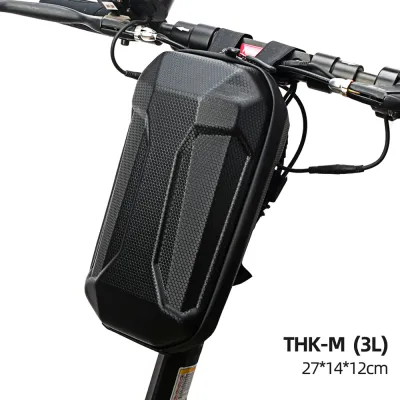
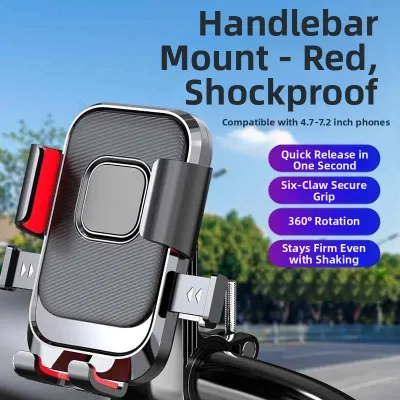
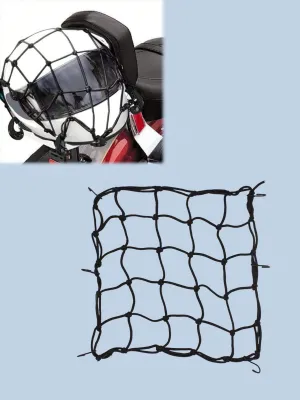
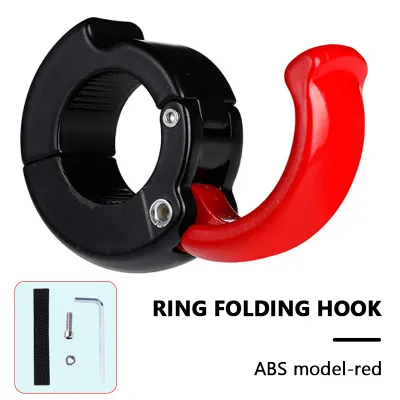
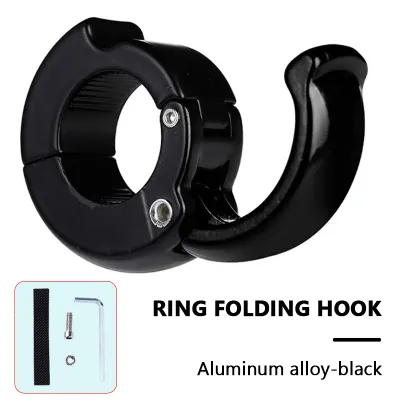
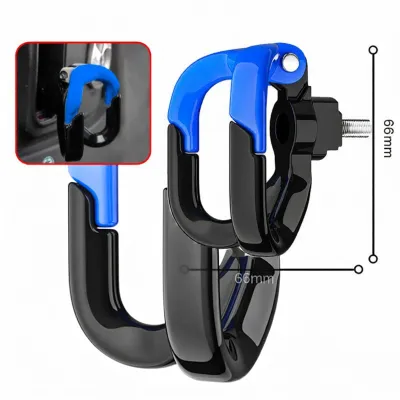
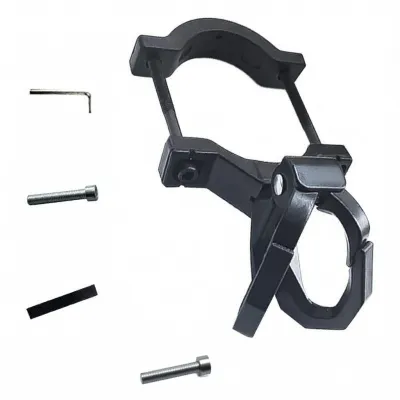
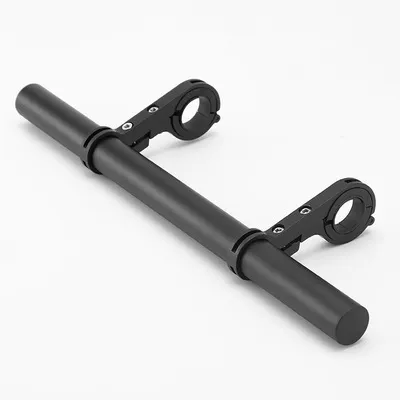
Prices are valid at publication and may change. Please refer to the product page for the latest price.
Singapore’s tropical climate introduces severe environmental stressors that can rapidly degrade substandard gear. High relative humidity, intense UV exposure, and frequent, heavy rainfall require accessories built to withstand constant moisture and heat. When selecting components, prioritize materials known for corrosion resistance, such as anodized aluminum, stainless steel, and UV-stabilized polymers. Low-grade steel hardware will quickly rust in this coastal environment, leading to seized bolts and structural failures.
Your selection process should rest on three distinct pillars: regulatory compliance, weather resilience, and practical utility. In Singapore, active mobility devices are subject to strict oversight by the Land Transport Authority (LTA). Any accessory you install must not alter the e-bike’s legal status, exceed width limits, or interfere with mandatory safety features. Additionally, because a daily commute cannot be postponed for weather, every storage or protective accessory must offer reliable water protection.
Finally, compatibility is the ultimate gatekeeper. Before purchasing any accessory, verify its fitment against your specific e-bike model. Check frame clearance for fenders, handlebar diameter for mounts, and the electrical specifications of your e-bike’s battery if you plan to install integrated lights. Forcing incompatible accessories onto your frame can compromise the structural integrity of your ride or void your manufacturer’s warranty.
Safety and Visibility Essentials
Operating an e-bike at sustained speeds of up to 25 km/h on shared paths demands a proactive approach to safety. Because you share the PCN with vulnerable path users, your ability to see, be seen, and communicate your presence is paramount. Investing in high-quality safety gear is the most effective way to mitigate risks and ensure a predictable, stress-free commute.

Protective Helmets
While standard bicycle helmets offer basic protection, the sustained speeds and increased mass of an e-bike make a robust, specialized helmet highly advisable for daily commuters. When evaluating helmets, look for models that provide extended coverage around the temples and the back of the head. Some manufacturers design helmets specifically for e-bike riders, incorporating thicker impact-absorbing liners to handle higher-energy impacts.
In Singapore’s hot and humid climate, thermal comfort is a critical safety factor. A helmet with poor ventilation will cause rapid heat buildup, leading to discomfort, heavy sweating, and potential distraction. Prioritize designs featuring deep internal channeling and large intake vents that maximize airflow at typical commuting speeds. Moisture-wicking, antimicrobial inner pads are also beneficial, as they can be removed and washed regularly to prevent odor and bacteria buildup.
Visibility features integrated directly into the helmet can significantly enhance your safety profile. Many commuter-focused helmets feature built-in rear LED lights or highly reflective decals positioned at the rider’s highest point, making them visible over the roofs of parked cars and past other trail obstacles. Before purchasing, verify that the helmet carries recognized safety certification labels, and adjust the retention system to achieve a snug, level fit that does not tilt forward or backward.
Illumination and Audible Signals
Effective lighting on the PCN serves a dual purpose: it illuminates your path through unlit, tree-covered sections of the network and alerts oncoming path users to your approach. Your front light should feature an adjustable brightness setting and a shaped beam pattern. Unlike off-road trail lights that throw a wide, round beam, a commuter-specific light directs its output downward onto the path, preventing blinding glare from striking the eyes of oncoming pedestrians or cyclists.
Your rear light must be highly visible even in bright daylight or heavy rain. Opt for a light with multiple modes, including a steady beam and a low-frequency pulse, which can help other trail users judge your distance more accurately. If you choose rechargeable lights, look for high IP (Ingress Protection) ratings to ensure they remain functional during sudden downpours.
Audible signaling is essential for polite communication on shared paths. A clear, resonant mechanical bell is generally the most effective and socially accepted tool for alerting pedestrians. Avoid excessively loud, aggressive air horns, which can startle path users and cause unpredictable movements. A friendly ring from a distance of 10 to 15 meters gives pedestrians ample time to step aside safely. Always verify current LTA guidelines regarding mandatory lighting and reflector configurations to ensure your setup remains fully compliant.
Weatherproofing and Cargo Solutions
Singapore’s weather is notoriously unpredictable, with sudden monsoonal downpours capable of soaking a commuter within minutes. Protecting your work attire, electronic devices, and the e-bike’s sensitive electrical connections requires specialized weatherproofing and cargo solutions designed for heavy rain.
Fenders and Drivetrain Guards
Full-coverage fenders are indispensable for the daily PCN commuter. Without them, even a brief shower will turn the wet path surface into a continuous spray of dirty water, oil, and grit directed straight onto your back, shoes, and e-bike frame. Look for fenders that wrap deeply around both the front and rear wheels, complete with flexible mudflaps at the bottom edges to catch low-angle spray.
When choosing fenders, compare bolt-on models with quick-release clip-on options. Bolt-on fenders offer superior stability, eliminate rattling, and are much harder to steal when your e-bike is parked in public spaces. However, they require dedicated eyelets on your frame and fork. Always measure your tire width and frame clearance before purchasing to ensure the fenders will not rub against the rotating tires.
Additionally, a chain guard or an enclosed drivetrain cover is highly beneficial. These guards prevent your trousers from catching on the chain or getting stained with grease. They also shield the chain and sprockets from road grit thrown up by the front tire, reducing drivetrain wear and minimizing the frequency of cleaning and lubrication needed to keep your e-bike running smoothly.
Waterproof Storage Options
Carrying a laptop, clean clothes, and daily essentials requires a reliable, secure storage system that does not compromise your e-bike’s handling. Rear-mounted panniers that clip onto a sturdy rack are generally superior to heavy backpacks, as they lower your center of gravity and keep your back ventilated. Front handlebar bags are useful for small, quick-access items, but overloading them can negatively affect your steering response.
For Singapore’s intense rain, water-resistant fabrics are rarely sufficient. You should seek out fully waterproof storage solutions constructed from heavy-duty, welded-seam materials such as polyurethane-coated nylon or tarpaulin. Look for roll-top closures, which provide a reliable physical barrier against driving rain. If you must use water-resistant bags, ensure they come with a dedicated, high-visibility rain cover that fits snugly over the entire bag.
A quick-release mounting system is a highly practical feature for daily commuters. Systems that allow you to detach your panniers with a single upward pull make it easy to transition from the bike rack to your office or an MRT station. Before loading your bags, check the maximum weight capacity of your e-bike’s rear rack and ensure the load is distributed evenly on both sides to maintain stable handling.
Reliable Security for Shared Paths and Transit Hubs
E-bikes represent a significant financial investment, making them attractive targets for opportunistic theft, especially when parked at transit interchanges, shopping centers, or PCN entry points. Securing your e-bike requires a multi-layered locking strategy and high-quality hardware designed to resist common cutting and leverage tools.
When selecting a lock, understand the trade-offs between security, weight, and portability. Heavy-duty U-locks constructed from hardened steel are the gold standard for security, resisting hand tools and requiring power tools to defeat. However, they are rigid and can be challenging to fit around thick structural pillars. Folding locks offer a practical compromise, providing excellent flexibility to lock around wider objects while folding down into a compact frame-mounted holster.
Heavy chain locks provide high security and flexibility but add significant weight to your commute. Under no circumstances should you rely solely on lightweight cable locks. These can be severed silently in seconds with basic hand-held wire cutters and should only be used as a secondary security measure to secure low-value accessories or wheels.
For maximum security, always employ a robust locking technique: pass your primary U-lock through the rear wheel rim inside the rear triangle, securing both the wheel and the frame to a solid, anchored metal structure. If your e-bike features quick-release components, such as the front wheel or seatpost, secure them with a secondary cable lock or replace the quick-release skewers with locking security bolts. Finally, if your e-bike has a removable battery, always take it with you or ensure it is locked with a high-security integrated frame lock, as the battery is often the most valuable individual component of the vehicle.
Daily Comfort and Navigation Upgrades
A daily commute should be comfortable and efficient, allowing you to arrive at your destination refreshed rather than fatigued. Simple ergonomic upgrades and navigation aids can dramatically improve the quality of your daily ride along the PCN.
A sturdy, vibration-resistant phone mount is essential if you rely on navigation apps to plan your route through complex PCN junctions. Look for mounts featuring a mechanical locking clamp that grips all four corners of your device. Given Singapore’s intense sunlight and sudden rain, a mount with an integrated sunshade or a quick-release waterproof phone pouch can prevent your device from overheating or suffering water damage during your ride.
Staying hydrated is critical in Singapore’s year-round tropical heat. Install an insulated bottle cage on your frame to keep your water cool during long rides. If your e-bike frame lacks mounting eyelets, look for universal strap-on bottle cage adapters or compact frame bags designed to hold hydration bladders.
To reduce physical fatigue over varied terrain, consider upgrading to a suspension seatpost and ergonomic gel grips. A suspension seatpost dampens the shocks from uneven PCN expansion joints, tree root bumps, and curb transitions, protecting your lower back. Ergonomic grips provide a wider platform for your palms, distributing pressure evenly and preventing hand numbness on longer rides. When installing these upgrades, ensure they do not interfere with your access to the e-bike’s brake levers, throttle, display, or control buttons.
Accessory Category Comparison
To help you prioritize your purchases, the following table summarizes the key accessory categories, their primary benefits for PCN commuting, the critical specifications you must verify before buying, and their basic maintenance requirements.
| Accessory Category | Primary Benefit for PCN Commuting | Key Spec to Verify | Maintenance Requirement |
|---|---|---|---|
| Helmets | Protects against head injuries at sustained commuting speeds. | Safety certification label, fitment size, ventilation ports. | Wipe clean with mild soap; inspect for cracks after any impact. |
| Lighting | Ensures visibility in low-light conditions and unlit path sections. | Lumens, beam pattern (non-blinding), IP water-resistance rating. | Recharge regularly; clean lens covers to maintain light output. |
| Fenders | Prevents dirty water and road grit from spraying the rider and bike. | Tire width compatibility, frame clearance, mounting eyelets. | Check mounting bolts for tightness; clear accumulated mud. |
| Waterproof Bags | Protects laptops and daily gear from heavy tropical rain. | Waterproof rating (IPX6 or welded seams), rack weight limit. | Dry thoroughly after wet rides; clean zippers to prevent sticking. |
| U-Locks | Provides high-level security at transit hubs and public racks. | Shackle thickness, lock cylinder type, weight/portability. | Lubricate keyway periodically; wipe off grit and moisture. |
Frequently Asked Questions (FAQ)
What are the legal requirements for e-bike accessories in Singapore?
In Singapore, the Land Transport Authority (LTA) regulates the use of Power-Assisted Bicycles (PABs) strictly. Legally, your e-bike must be registered, seal-certified, and fitted with a rear license plate. Regarding accessories, you must have a functioning front white light and a rear red light or red reflector for riding during hours of darkness. A working bell or warning device is also mandatory to alert other path users. Any accessory you add must not exceed the maximum allowable width of the bicycle (typically 70 cm) or interfere with the speed limiter or electrical safety systems. Always consult the official LTA website or an authorized inspection center for the most up-to-date regulations.
How should I maintain my e-bike accessories in a tropical climate?
Singapore’s high humidity and salt-laden air accelerate corrosion and mold growth. To protect your investment, wipe down your accessories with a dry cloth after riding in the rain. Wash fabric items like helmet pads and bag straps regularly to prevent sweat-induced mold and odors. Apply a dry-weather or wet-weather lubricant to the moving parts of your locks and folding mechanisms to prevent them from seizing. Finally, avoid leaving removable electronics, such as lights and phone mounts, exposed to direct sunlight for extended periods when parked, as UV radiation can degrade plastics and weaken mounting brackets over time.
Community discussion
Share your experience or ask a question. Comments are reviewed before publication.