
To ride safely, legally, and comfortably on Singapore’s Park Connector Network (PCN), equipping your e-bike with the right accessories is essential. The PCN is a unique, highly integrated network of shared paths where cyclists, runners, and pedestrians coexist. Navigating this bustling environment, especially under Singapore’s unpredictable tropical weather, requires a thoughtful selection of gear.
The most critical accessory categories for any PCN rider include visibility equipment, weather protection, robust security solutions, and emergency repair tools. Because e-bikes travel at higher average speeds and carry more weight than traditional bicycles, your gear choices must be durable enough to handle increased vibration and structural stress.
By focusing on compatibility, local regulations, and practical usability, you can build an accessory setup that enhances your daily commute or weekend leisure rides. The following sections break down the essential gear categories, helping you make informed decisions for your specific riding habits.
Products mentioned in this guide
Prices are valid at publication and may change. Please refer to the product page for the latest price.
Safety and Visibility Gear for Shared Paths
Navigating the PCN safely requires a proactive approach to visibility and communication. Because these paths are shared with pedestrians of all ages, as well as other active mobility users, being seen and heard is your first line of defense. This is particularly true during early morning commutes, late evening rides, or sudden tropical downpours when visibility drops dramatically.
Front and rear lighting systems are non-negotiable for night riding and highly recommended for daytime safety. When selecting a front light, look for a model that offers a clear, focused beam pattern with a distinct cut-off line. This design directs light downward onto the pavement rather than upward into the eyes of oncoming trail users. A light output of 300 to 600 lumens is generally sufficient for well-lit PCN routes, while unlit stretches may require up to 1000 lumens. For the rear, a bright red light with multiple modes—including a steady beam and a low-frequency pulse—helps trailing riders gauge your distance accurately.
Auditory signaling is another critical component of shared-path safety. A standard bicycle bell is required by local regulations to alert others of your approach. Choose a bell with a clear, resonant tone that can cut through ambient city noise without sounding startling or aggressive. Brass dome bells are highly favored for their pleasant, high-pitched ring that carries well over distance. Ensure the bell is mounted in a position where you can easily reach the trigger with your thumb without releasing your grip on the handlebar or brake lever.
Personal protection and situational awareness should also be prioritized. A high-quality helmet certified to international safety standards (such as EN 1078) is a fundamental requirement. Look for helmets with integrated reflective strips or rear LED mounts to elevate your profile on the road. Additionally, installing a low-profile handlebar-end mirror provides invaluable rearward visibility. This allows you to monitor overtaking cyclists or faster personal mobility devices without having to turn your head and risk losing your balance.
Before purchasing any safety gear, always verify the active Land Transport Authority (LTA) requirements for Power-Assisted Bicycles (PABs). Singapore has strict regulations regarding mandatory equipment, including the use of front white lights and rear red lights during hours of darkness. Keeping your safety gear compliant not only ensures your protection but also prevents costly fines and legal complications.
Weather Protection and Comfort Add-ons
Singapore’s tropical climate presents two main challenges: intense, direct sunlight and sudden, heavy downpours. Equipping your e-bike with appropriate weather protection ensures that both you and your electrical components remain safe and dry throughout your journey.

Fenders and mudguards are essential for keeping road spray, mud, and debris off your clothes and the e-bike’s frame. Because e-bikes travel at consistent speeds, they kick up significantly more water than traditional bicycles. Full-coverage fenders that wrap closely around the tires offer the best protection. When choosing fenders, measure your tire width and frame clearance carefully; there should be at least 10mm to 15mm of space between the tire tread and the inside of the fender to prevent trapped debris from locking the wheel.
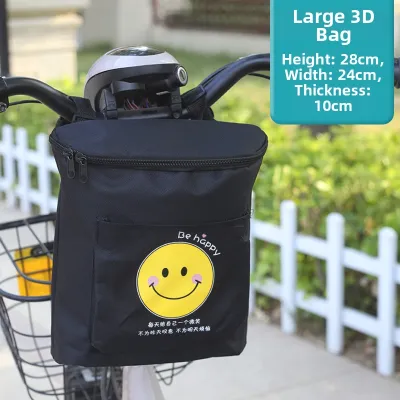
Waterproof storage is vital for protecting your personal belongings, electronics, and spare battery packs from water damage. Panniers, handlebar bags, and frame bags should feature a verified Ingress Protection (IP) rating, with IPX4 being the minimum for splash resistance and IPX6 or higher preferred for heavy rain. Look for bags constructed from TPU-coated nylon with welded seams and roll-top closures, as traditional zippers are prone to leaking under heavy downpours.
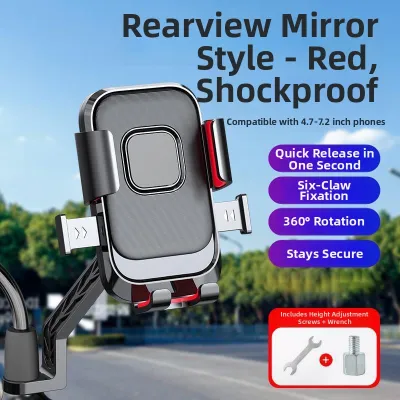
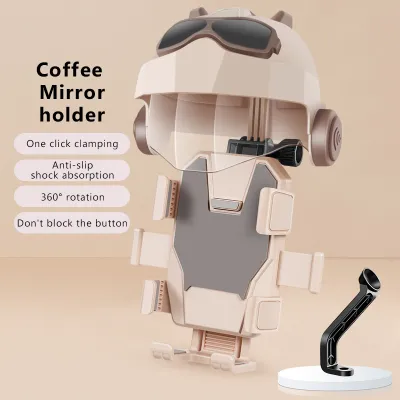
A reliable phone mount is indispensable for navigating the PCN or tracking your fitness metrics. However, e-bikes subject mounted electronics to high-frequency vibrations from the motor and road surface, which can damage sensitive smartphone camera stabilizers over time. Opt for a premium phone mount equipped with integrated vibration-dampening inserts. The mounting bracket should feature a mechanical locking mechanism, such as a screw-tight clamp, supplemented by a silicone web harness to prevent the phone from shaking loose on bumpy terrain.
Finally, integrating wearable weather gear with your e-bike setup enhances overall comfort. Keep a lightweight, highly breathable rain poncho or packable jacket stored in your frame bag at all times. For sunny days, consider using UV-blocking arm sleeves, a moisture-wicking skull cap under your helmet, and polarized sunglasses to reduce pavement glare. These small additions make long rides along the PCN significantly more enjoyable, regardless of the weather.
Security and Anti-Theft Solutions for Public Stops
Leaving your e-bike unattended at PCN rest stops, shopping malls, or transit hubs requires a robust security strategy. E-bikes are high-value targets, making high-quality locks and smart tracking devices essential investments for peace of mind.
When evaluating lock types, heavy-duty U-locks and folding locks made of hardened steel offer the most reliable defense against common theft tools like bolt cutters. Look for locks with a shackle thickness of at least 13mm and a dual-locking mechanism, which requires thieves to cut both sides of the shackle to remove the lock. While heavy-duty chain locks offer excellent flexibility for securing your bike to wide pillars or trees, they are often too heavy and cumbersome for daily commuting unless carried in a dedicated bag. Investing in a high-quality lock, typically ranging from S$50 to S$150, is a small price to pay for long-term security.
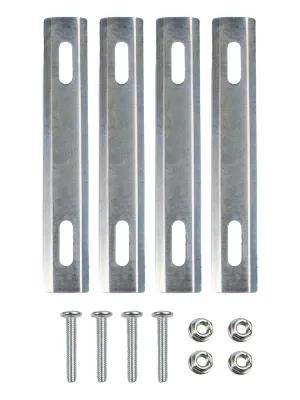
Transporting these heavy locks safely on your e-bike requires careful planning. Many manufacturers provide frame-mounting brackets with their locks. When installing these brackets, ensure they are positioned where they do not interfere with your pedaling motion, block access to a removable battery pack, or pinch any exposed brake or gear cables. If your frame lacks space, utilizing a sturdy rear rack with a dedicated pannier bag is an excellent alternative for carrying heavy security gear without compromising the bike’s balance.
A single lock is often insufficient to secure all parts of an e-bike. Implementing a secondary security layer, such as a flexible steel cable lock, allows you to secure quick-release front wheels, saddle rails, or even your helmet to the main frame. If your e-bike features a removable battery, always lock the battery casing using the manufacturer’s integrated key lock, or physically remove the battery and take it with you when parking in high-risk public areas.
For advanced security, consider installing a smart GPS tracker or a Bluetooth tracking tag. Hide the tracker in a highly discreet location, such as inside the motor housing, taillight assembly, or a specialized bracket beneath the water bottle cage. When choosing a tracker, weigh the benefits of real-time GPS tracking (which typically requires a monthly subscription fee) against the localized, community-based tracking offered by standard Bluetooth tags, which require no ongoing fees but rely on nearby smartphone networks.
Emergency Repair and Maintenance Tools
Being stranded on a remote stretch of the PCN with a mechanical or electrical issue can quickly ruin your ride. Carrying a compact, well-organized emergency toolkit allows you to perform basic roadside repairs and continue your journey safely.
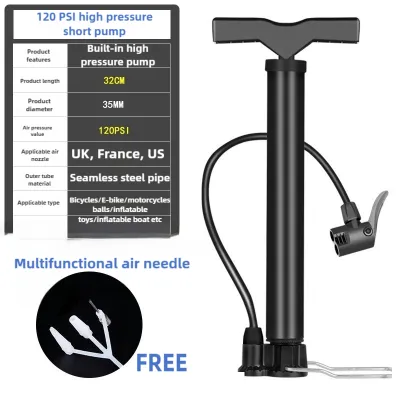
Flat tires are the most common roadside issue, and because e-bikes are significantly heavier than standard bicycles, pushing a flat bike home is highly impractical. Your tire repair kit should match your specific wheel setup. For tubeless tires, carry a tubeless plug kit and a CO2 inflator for rapid sealing and reinflation. For traditional inner tube setups, pack high-strength tire levers, a spare inner tube matching your exact tire dimensions, and a compact mini pump. Ensure you practice changing a tube at home first, as removing an e-bike wheel—especially one with a hub motor—can be complex.
A cycling-specific multi-tool is another indispensable item. Ensure your chosen multi-tool includes the exact hex key sizes (typically 3mm to 8mm) and Torx bits (such as T25) required to tighten loose bolts on your specific e-bike model. If your e-bike wheels are secured with traditional nuts rather than quick-release skewers, you must also carry a compact wrench (often 15mm) to facilitate wheel removal during a flat tire emergency.
Electrical contingencies require a slightly different set of tools than mechanical ones. Carry a few heavy-duty cable ties and a small roll of high-quality electrical tape in your kit. These simple items are incredibly useful for securing loose wiring harnesses, protecting exposed electrical connectors from sudden rain, or temporarily securing a loose display screen or throttle assembly after a minor fall.
To keep your tools organized, dry, and rattle-free, store them in a dedicated saddlebag, frame bag, or tool roll. Look for bags made from water-resistant materials with internal dividers or elastic loops. This prevents metal tools from rubbing against each other, eliminating annoying noises and protecting the tools from rust caused by sweat or rain.
How to Verify E-Bike Accessory Compatibility
Before purchasing any e-bike accessories, it is crucial to verify that they are fully compatible with your specific bike model. Incorrectly fitted gear can damage your frame, compromise your safety, or even void your manufacturer’s warranty.
Start by inspecting your e-bike’s frame and identifying the available mounting points. Many commuter-focused e-bikes come with pre-drilled, threaded eyelets on the seat stays and dropouts for mounting rear racks and full fenders. If your e-bike lacks these eyelets—common on folding or sportier models—you will need to look for specialized clip-on accessories or seatpost-mounted racks. Always check that these alternative mounting systems do not compress or scratch carbon fiber frames or interfere with the removal of a frame-integrated battery.
Electrical integration is another area where caution is required. While it may be tempting to wire high-draw accessories, such as powerful headlights or horn systems, directly into your e-bike’s main battery, doing so carries significant risks. Bypassing the battery management system (BMS) or splicing into the main wiring harness can cause electrical shorts, damage sensitive controller components, or even pose a fire hazard. Unless your e-bike features dedicated, manufacturer-approved accessory ports, it is highly recommended to use accessories powered by independent, USB-rechargeable batteries.
You must also consider the maximum system weight limit specified by your e-bike manufacturer. This limit represents the maximum safe load the frame, wheels, and brakes can support, including the weight of the bike itself, the rider, and all cargo. Adding heavy steel racks, massive locks, and loaded panniers can quickly push you close to this limit. Exceeding the recommended weight can severely degrade braking performance, accelerate component wear, and compromise the structural integrity of the frame.
Finally, be aware of the warranty implications of any modifications. Installing aftermarket accessories that alter the electrical system, motor controller, or structural components of the frame will almost certainly void your manufacturer’s warranty. Always consult your user manual or contact your local authorized distributor in Singapore before making any significant modifications to ensure your e-bike remains safe, legal, and fully covered under warranty.
Frequently Asked Questions (FAQ)
Are there specific e-bike accessory regulations enforced on the PCN?
Yes, riders must comply with active Land Transport Authority (LTA) regulations when operating a Power-Assisted Bicycle (PAB) on shared paths. Mandatory equipment includes a functional front white light, a rear red light, and an audible warning device like a bell. Additionally, any accessory or modification must not alter the e-bike’s compliance with LTA technical standards, such as the maximum motor power output or weight limits. Always refer to the official LTA website for the most current legal requirements.
Can I use my e-bike's main battery to power high-draw accessories like bright lights?
You should only power accessories from the main battery if your e-bike comes equipped with dedicated, manufacturer-approved accessory ports. Tapping directly into the wiring harness or bypassing the battery management system (BMS) poses significant electrical risks, including short circuits or battery damage, and will void your warranty. For most aftermarket accessories, choosing models with independent, USB-rechargeable batteries is the safest and most reliable option.
What is the best way to carry heavy U-locks on an e-bike without a rear rack?
If your e-bike lacks a rear rack, the most stable option is to use a dedicated frame mount that clamps onto the seat tube or down tube. Ensure the lock is positioned where it does not obstruct your pedaling motion or block access to a removable battery. Alternatively, you can use specialized handlebar holsters or carry the lock in a heavy-duty backpack or frame-triangle bag designed to distribute the weight evenly across the bike’s center of gravity.
Community discussion
Share your experience or ask a question. Comments are reviewed before publication.