
Storing a bicycle outdoors in Singapore presents a unique set of environmental challenges. The combination of intense equatorial sunlight, sudden tropical downpours, and year-round high humidity can rapidly degrade a bicycle’s components if it is left unprotected. A standard, low-grade plastic sheet is rarely sufficient to prevent rust, paint damage, and material fatigue.
To safeguard your investment, a high-quality bicycle cover must possess specific material and design characteristics. A truly effective cover requires a high waterproof rating with heat-sealed seams, robust UV-inhibiting fabric, and integrated ventilation to prevent moisture from trapping underneath. Whether you store your bike on an open HDB balcony, a condominium patio, or near a Park Connector Network (PCN) access point, understanding these technical features will help you select a cover that lasts.
Evaluating Waterproofing and Seam Construction for Heavy Rain
When shopping for a bicycle cover, it is vital to distinguish between “water-resistant” and “waterproof” labels. Water-resistant covers are designed to repel light drizzle or brief splashes, but they will quickly saturate and leak during Singapore’s intense monsoon downpours. For reliable outdoor storage, look for fabrics explicitly rated as fully waterproof.
Products mentioned in this guide
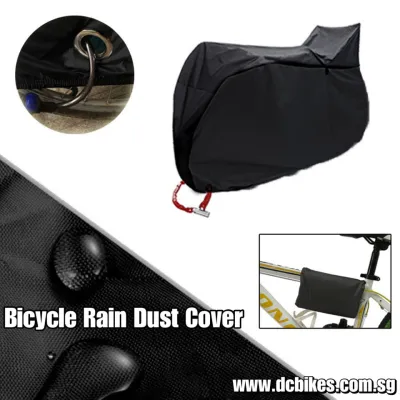
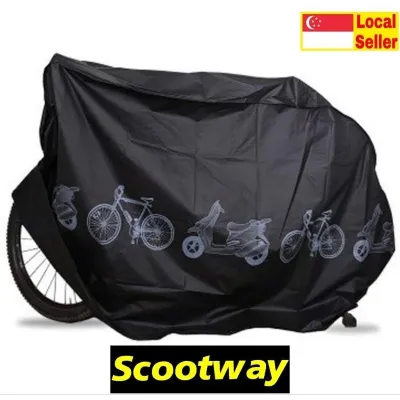
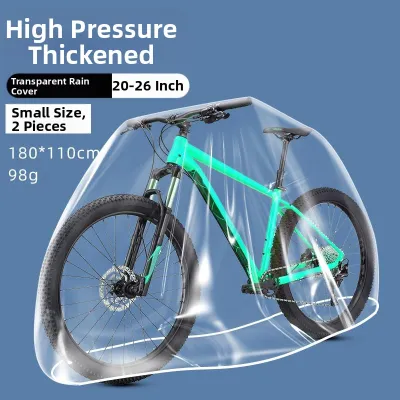
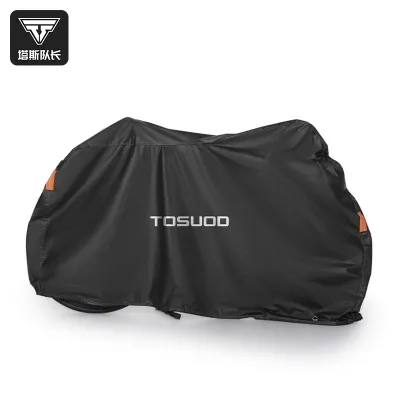
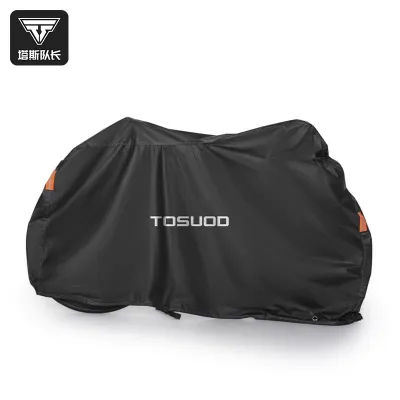
![[✅SG Ready Stock] Waterproof Cover Bike bicycle Motorbike Motorcycle Protective Cover E-scooter Rain Weather Resistant](https://img.lazcdn.com/g/p/1658cdb6891923aca9f5789bdf368231.jpg_400x400q80.jpg_.webp)
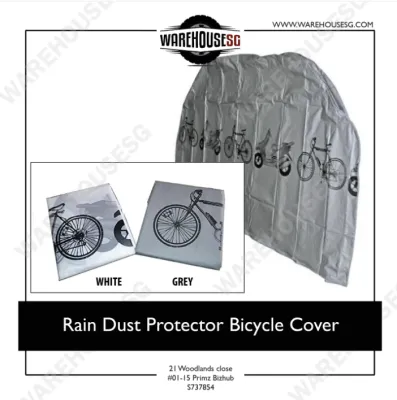
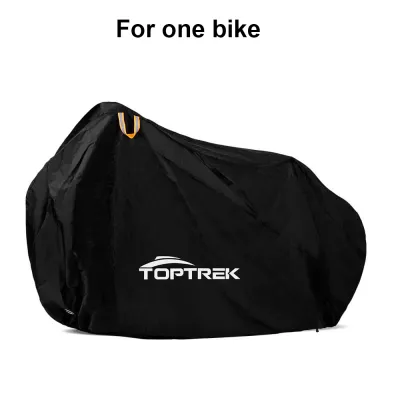
Prices are valid at publication and may change. Please refer to the product page for the latest price.
To verify a cover’s waterproof capability, check the manufacturer specifications for a hydrostatic head (HH) rating. This rating, measured in millimeters, indicates the amount of water pressure the fabric can withstand before moisture penetrates. For tropical storm protection, a rating of 2,000mm or higher is recommended. Additionally, ensure the inner layer of the fabric features a polyurethane (PU) or polyvinyl chloride (PVC) coating, which serves as a durable physical barrier against heavy rain.
Even the most waterproof fabric will fail if the construction is poor. Standard stitched seams create thousands of tiny needle holes along the joints of the cover. Under the weight of sustained rainfall, water will inevitably seep through these punctures and drip directly onto your bike. To prevent this, prioritize covers with heat-taped or sealed seams, where a waterproof tape is thermally bonded over the stitching to lock out moisture completely.
Water pooling on top of a flat or saggy cover will eventually degrade the waterproof coating over time. To avoid this issue, select a cover designed with a contoured, sloped top. This shape ensures that when the cover is draped over the handlebars and saddle, it creates a natural slope that encourages heavy rainwater to slide off immediately rather than pooling in the center.
Selecting UV-Resistant Materials to Prevent Sun Damage
Continuous exposure to intense equatorial UV radiation is highly destructive to synthetic fabrics. Untreated covers left in direct sunlight will rapidly degrade, causing the material to become brittle, fade, and tear under the slightest tension. UV damage also breaks down the internal waterproof coatings, rendering the cover useless within a few months.

To prevent premature wear, look for covers manufactured from inherently UV-stable fabrics or treated with specialized UV inhibitors. High-denier Oxford cloth (such as 210D, 300D, or 420D) is highly recommended for outdoor use. The “denier” rating refers to the thickness of the individual threads; a higher denier indicates a thicker, more durable weave that offers superior resistance to both UV degradation and physical tears.
Direct sunlight also causes significant thermal buildup underneath a dark cover. This trapped heat can dry out suspension seals, degrade bearing grease, and warp plastic components. For electric bicycle owners, excessive heat is a major safety concern, as high temperatures can accelerate the degradation of sensitive e-bike batteries. Always consult your e-bike manufacturer’s guidelines regarding outdoor storage and temperature limits.
To mitigate thermal buildup, choose a cover with a reflective silver outer coating or a lighter color profile. These reflective surfaces bounce solar radiation away from the bicycle, keeping the internal temperature significantly cooler. This simple material feature helps preserve your bike’s lubricants and sensitive electronic components over long periods of storage.
Ensuring Proper Ventilation to Combat High Humidity
Singapore’s relative humidity routinely hovers between 80% and 100%. If you wrap a bicycle in a completely sealed, non-breathable cover, you risk creating a destructive “greenhouse effect.” Ground moisture evaporates and rises, trapping warm, damp air inside the cover. As the temperature drops in the evening, this trapped moisture condenses into water droplets on the cold metal parts of your bike, leading to rusted chains, corroded gear cables, and moldy saddles.
To combat condensation, a high-quality cover must feature strategically placed air vents. These vents are typically located near the top of the cover, close to the handlebars, or along the side panels. To ensure they do not let rain in, the vents should be angled downward or protected by a structured fabric cowl that keeps water out while allowing hot air and moisture to escape.
For added protection, look for vents lined with fine mesh. This design maintains continuous airflow while preventing insects, lizards, and outdoor debris from entering and nesting inside your bicycle’s gear systems, brakes, or saddlebag. Mesh-lined vents offer a practical balance between breathability and pest exclusion.
Some premium bicycle covers also feature soft, moisture-wicking inner linings. These linings help absorb minor surface condensation and prevent the cover’s outer shell from rubbing directly against your bike’s frame. This reduces the risk of micro-scratches on your paintwork when the cover shifts in the wind.
Securing the Cover Against Strong Winds and Squalls
Sudden afternoon squalls and monsoon winds can easily transform a loose bicycle cover into a sail. If the cover is not securely fastened, strong gusts can blow it away entirely or catch the fabric with enough force to tip the bicycle over, potentially damaging the derailleur, handlebars, or frame. Secure fastening mechanisms are essential for any outdoor setup.
Look for a cover equipped with heavy-duty elasticated hems at the front and rear, which allow the fabric to wrap snugly around the bottom of the tires. Additionally, adjustable mid-section buckle straps that clip underneath the bicycle’s frame are crucial for anchoring the cover. Drawstrings at the ends can provide an extra layer of adjustment to customize the fit to your specific bike.
A snug, contoured fit dramatically reduces the amount of loose fabric that can flap in the wind. Excessive flapping not only creates annoying noise in residential areas, such as HDB corridors or condominium balconies, but it also subjects the cover’s seams and fabric to rapid material fatigue. Secure straps keep the cover quiet and structurally stable.
Reinforced lock holes, or grommets, located near the front and rear wheels are another indispensable security feature. These heavy-duty eyelets allow you to pass a U-lock, chain, or cable lock through both the wheel and the cover. This serves a dual purpose: it secures your bicycle against opportunist theft while simultaneously anchoring the cover to the bike’s frame so it cannot be lifted or displaced by strong winds.
Avoid purchasing cheap covers that rely solely on basic elastic bands around the bottom hem. In Singapore’s hot and humid climate, low-grade elastic degrades and loses its tension within a few months. Once the elastic fails, the cover becomes loose, leaving your bike vulnerable to the elements and wind displacement.
Measuring for the Correct Size and Bike Profile
Using a cover that does not fit your bicycle properly compromises its protective qualities. A cover that is too small will leave the lower wheels, chain, and derailleurs exposed to rain and road splatter. Conversely, a cover that is too large will sag, drag on the ground, collect dirt, pool water, and catch the wind easily.
Before purchasing, measure your bicycle carefully. You will need three primary measurements: the overall length (from the outer edge of the front tire to the outer edge of the rear tire), the height (from the ground to the highest point of the handlebars or saddle), and the maximum width of your handlebars. Compare these measurements against the manufacturer’s sizing chart.
Different bicycle designs require specific cover profiles to ensure a proper fit:
- Mountain Bikes (MTBs): Feature wide handlebars (often between 720mm and 800mm) and high-volume tires, requiring a cover with a wider front section.
- Road Bikes: Have narrower drop handlebars but may have a taller saddle profile, requiring a sleeker, more vertically balanced cut.
- E-bikes and Commuter Bikes: Often feature bulky rear racks, front baskets, fenders, or mid-drive motors, which require a more generous, boxy cut to cover all components.
If you own a folding bike and store it in a compact space, such as an entryway or a small balcony, look for a dedicated folding bike cover. These are specifically tailored to fit the compact, rectangular shape of a folded bicycle, eliminating excess fabric clutter and keeping your storage area neat.
For households storing multiple bicycles side-by-side, specialized multi-bike covers are available. If you choose this option, ensure the cover features extra-wide dimensions, reinforced center seams, and multiple heavy-duty buckle straps. This ensures the larger surface area is properly secured against wind lift and heavy rain accumulation.
Maintaining Your Bicycle Cover for Long-Term Use
To preserve the waterproof and UV-resistant qualities of your bicycle cover, establish a routine maintenance schedule using safe, reversible steps. Clean the cover periodically by gently hosing off dirt, dust, and bird droppings with cool water. If necessary, use a soft sponge and a mild, highly diluted soap solution to clean stubborn spots.
Never wash your bicycle cover in a washing machine, and avoid using harsh chemical detergents, bleach, or high-pressure washers. High-pressure water streams and abrasive chemicals will strip away the delicate polyurethane waterproof backing and degrade the UV-resistant coatings on the outer fabric, rendering the cover ineffective.
Always allow the cover to dry completely in the shade before folding or storing it in its carry bag. Folding a damp cover traps moisture, which quickly leads to the growth of mold, mildew, and unpleasant odors. These spores can easily transfer back to your bicycle’s saddle, handlebar grips, and frame.
Periodically inspect the cover’s seams, straps, and inner coatings for signs of wear. Look for peeling, cracking, or flaking in the internal PU coating, as well as fraying along the stitched edges. Catching these issues early allows you to address them before they lead to water leaks.
If you notice that water is no longer beading on the surface of the cover but the fabric remains structurally sound, you can reapply a fabric-safe waterproofing spray. First, consult the manufacturer’s care instructions to ensure compatibility. If allowed, spray an even layer of the waterproofing treatment over the clean, dry exterior of the cover and let it cure fully in a well-ventilated, shaded area.
Frequently Asked Questions (FAQ)
Can I use a standard heavy-duty tarp instead of a dedicated bicycle cover?
While a standard heavy-duty tarp is highly waterproof and inexpensive, it is not a suitable substitute for a dedicated bicycle cover. Tarps lack a tailored, contoured fit, making them highly susceptible to catching the wind and flapping violently, which can scratch your bike’s paintwork and generate disruptive noise. Furthermore, tarps do not have built-in ventilation vents. Wrapping a bicycle tightly in a non-breathable tarp traps ground moisture and humidity underneath, creating a damp environment that accelerates rust and corrosion on your chain, cassette, and cables.
How often should I replace my outdoor bicycle cover?
The lifespan of an outdoor bicycle cover depends heavily on the quality of its materials and its daily exposure to direct sunlight and rain. In Singapore’s harsh tropical climate, a high-quality cover stored outdoors typically lasts between one to three years. You should inspect your cover regularly and replace it if you notice visible light passing through worn fabric, peeling or flaking inner coatings, stiff or brittle material that cracks when folded, or if water begins to saturate the fabric instead of beading and rolling off the surface.
Community discussion
Share your experience or ask a question. Comments are reviewed before publication.