
Starting your fishing journey does not require a massive financial investment or a tackle box overflowing with complex gear. To catch your first fish, you only need a few reliable, well-matched components that allow you to present bait or a lure effectively. By focusing on a simple, versatile setup, you can learn the fundamental skills of casting, hook-setting, and fish handling without the frustration of managing overcomplicated equipment.
Assess Your Fishing Environment Before Buying
Before spending any money on tackle, you must identify where you plan to fish most frequently. The physical environment dictates the specifications of your gear, and attempting to buy a single “do-it-all” setup often results in gear that is either too fragile for saltwater or too heavy and insensitive for freshwater. Selecting one primary environment to start with keeps your initial costs low and simplifies your learning curve.
In Singapore, beginner fishing environments generally fall into two categories: freshwater and saltwater. Freshwater spots include designated fishing zones at public reservoirs (such as Bedok Reservoir or Lower Peirce Reservoir) and commercial paid ponds. Saltwater environments include coastal jetties (such as Bedok Jetty or Labrador Park), beaches, and rocky shorelines.
Products mentioned in this guide
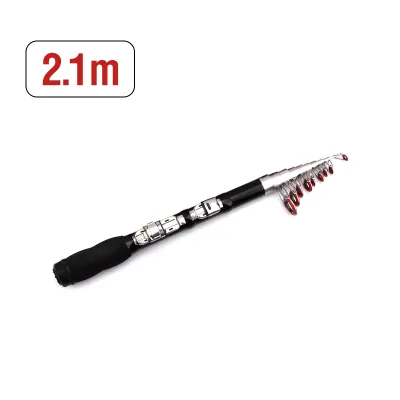
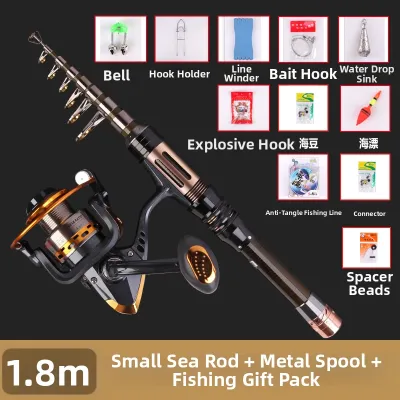
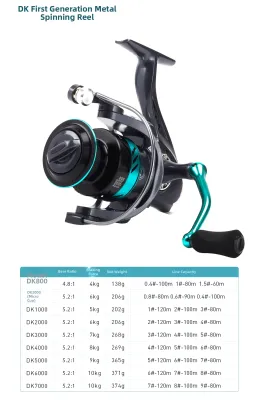
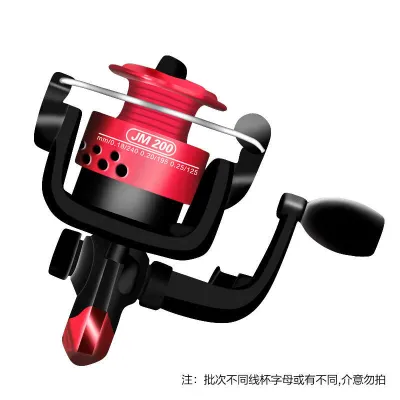
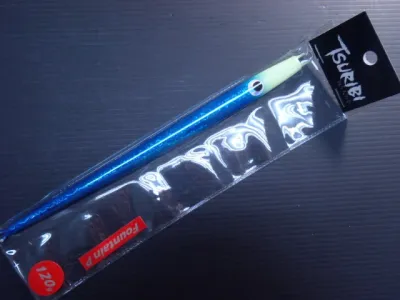
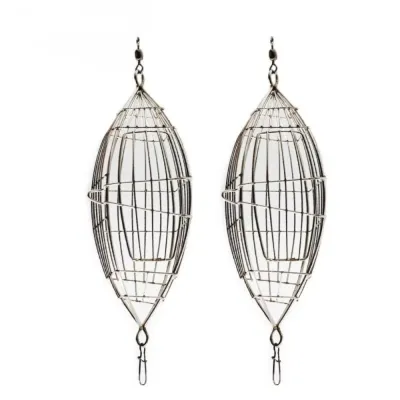
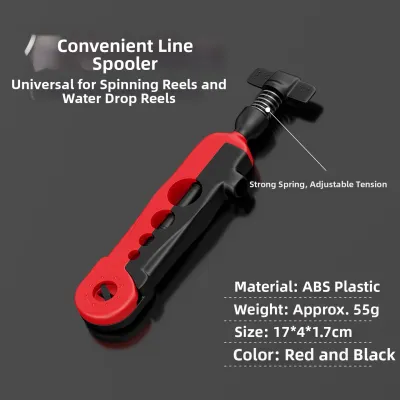
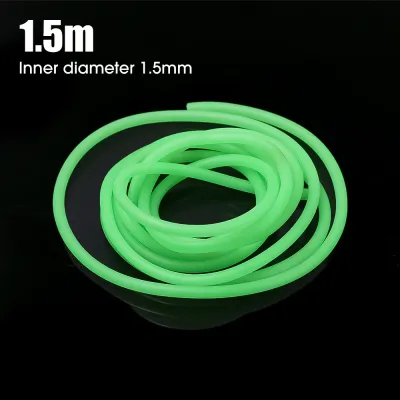
Prices are valid at publication and may change. Please refer to the product page for the latest price.
These environments demand different gear characteristics. Saltwater fishing exposes your equipment to highly corrosive salt and sand, requiring reels with better sealing or materials that resist rust. Additionally, coastal waters often feature stronger currents and tides, meaning you will need heavier sinkers to keep your bait in place, which in turn requires a stronger rod and line. Freshwater environments, by contrast, feature calmer waters where you can use lighter, more sensitive tackle to detect subtle bites from species like peacock bass or tilapia.
Casting distance is another critical variable. Fishing from a high coastal jetty or a sandy beach often requires a longer rod to cast your rig past the shallow shoreline or structure. Conversely, reservoir fishing or pond fishing typically involves shorter, more precise casts near overhanging vegetation or structure, where a long rod would be cumbersome and difficult to manage.
The Core Essentials: What You Actually Need
To get started, you only need three primary categories of gear: a rod and reel, your terminal tackle (line, hooks, and weights), and your bait or lures. Keeping this selection minimal allows you to focus on developing your casting technique and learning how to read the water.

Rod and Reel Combo
A spinning rod and reel combo is the absolute best starting point for any novice angler. Unlike baitcasting reels, which require precise thumb control to prevent catastrophic line tangles, spinning reels are highly intuitive, forgiving, and easy to cast. They perform exceptionally well with light baits and lures, which are common in beginner fishing scenarios.
For a versatile starter setup, look for a medium-light to medium power spinning rod that is between 6 and 7 feet (1.8 to 2.1 meters) in length. A medium power rod provides enough backbone to handle decent-sized coastal fish while remaining sensitive enough to feel smaller freshwater bites. Pair this with a 2500 to 3000 size spinning reel, which offers a balanced weight and sufficient line capacity for both reservoir and light coastal fishing.
Purchasing a pre-matched rod and reel combo is highly recommended. Manufacturers design these combos to ensure the rod’s flexing power matches the reel’s weight and drag capability perfectly. This balance makes casting smoother and reduces hand fatigue. Reliable starter combos generally range from S$40 to S$100, providing an affordable entry point without sacrificing build quality.
Line, Hooks, and Sinkers
Your terminal tackle connects you directly to the fish, and keeping this setup simple is key to avoiding tangles and rigging confusion. For your main line, monofilament line is the ideal choice for beginners. Monofilament is inexpensive, easy to tie knots with, and possesses a natural stretch that acts as a shock absorber when a fish makes a sudden run, preventing the hook from tearing out.
A 10-pound to 15-pound test monofilament line is highly versatile. It is thin enough to cast easily but strong enough to withstand rubs against rocks or jetty pilings. When rigging your line, learn one or two reliable knots, such as the Uni knot or the Palomar knot, which retain excellent strength and are easy to tie correctly under field conditions.
For hooks and weights, purchase a small, basic assortment rather than a massive kit. Standard J-hooks or circle hooks in sizes 4, 2, and 1/0 will cover almost all beginner target species. Circle hooks are particularly beneficial for beginners because their curved design naturally hooks the fish in the corner of the mouth as it swims away, eliminating the need for a perfectly timed, aggressive hook set. Pair these with a small pack of removable split shot sinkers, which can be easily pinched onto your line by hand to adjust your depth and casting weight.
Bait and Basic Lures
Natural bait is highly recommended for beginners because it relies on scent and natural movement to attract fish, making it incredibly effective even if your presentation technique is still developing. In Singapore, local tackle shops offer readily available live options, such as live prawns or earthworms, as well as frozen baits like sliced saradin (sardines) or squid. Live prawns are highly effective for coastal species like snapper and sea bass, while earthworms are excellent for reservoir species.
If you prefer the active style of lure fishing, resist the urge to buy expensive, multi-jointed hard baits. Instead, start with a few simple, highly effective soft plastic paddle tails (around 2 to 3 inches in length) paired with 1/8-ounce or 1/4-ounce jig heads. Alternatively, classic metal spoons are inexpensive, cast incredibly far, and produce a flashing action that triggers predatory fish automatically on a simple, steady retrieve.
Avoid purchasing massive tackle boxes filled with specialized lures before you understand how to work them. Losing an expensive S$20 hard lure to an underwater snag on your first outing is discouraging. Simple soft plastics and metal spoons cost a fraction of the price, catch just as many fish, and allow you to learn depth control and retrieval speeds with minimal financial risk.
Overhyped or Complex Gear You Can Skip
As a beginner, you will encounter marketing for highly specialized equipment. While these tools have their place for experienced anglers, they often hinder a novice’s progress by adding unnecessary complexity and cost.
First, avoid baitcasting reels entirely. While they are popular in fishing media, they have a steep learning curve. A fraction of a second of improper thumb braking during a cast results in a “bird’s nest” (a severe tangle inside the reel spool) that often requires cutting the line and re-spooling, ruining your time on the water. Stick to a spinning reel until your casting mechanics are second nature.
Second, skip electronic fish finders and castable sonars. These devices are expensive and unnecessary for bank, jetty, or reservoir fishing. Relying on electronics prevents you from developing the essential skill of reading the water. Instead, spend your time observing natural indicators: look for underwater structures, shade under overhanging trees, current seams where water slows down, and baitfish breaking the surface. These visual cues are free and teach you deep, long-term angling intuition.
Third, avoid ultra-expensive, high-modulus carbon-fiber rods. While these rods are incredibly lightweight and sensitive, they are also highly brittle. A beginner is much more likely to accidentally nick a rod against a concrete jetty, bend it past its safety limit (known as “high-sticking” when landing a fish), or pinch it in a car door. A budget-friendly fiberglass or composite rod is far more durable and forgiving of accidental impacts.
Finally, bypass specialized technique-specific gear, such as heavy jigging rods, micro-jigging setups, or fly fishing equipment. These systems are designed for highly specific target species and water depths. A versatile starter spinning setup allows you to experiment with bait fishing, float fishing, and light lure casting, giving you a broad foundation of experience before you decide to specialize.
Singapore-Specific Comfort and Compliance Additions
Fishing in Singapore’s tropical environment requires specific considerations for personal comfort, safety, and legal compliance. Equipping yourself with the right non-fishing essentials ensures your outing is safe and enjoyable.
The equatorial sun and high humidity can quickly lead to dehydration or severe sunburn. High-quality sun protection is non-negotiable. Wear long-sleeved UPF 50+ clothing, a wide-brimmed hat, and apply broad-spectrum sunscreen. Polarized sunglasses are also essential; they protect your eyes from intense water glare and cut through the surface reflection, allowing you to see underwater structures and fish movements clearly. Additionally, carry a strong insect repellent to protect against mosquitoes and sandflies, which are common near reservoirs and coastal mangroves.
Legal compliance is critical to avoid heavy fines. While coastal saltwater fishing is generally permitted in most public areas, freshwater reservoir fishing is strictly regulated by the Public Utilities Board (PUB). You must only fish within designated fishing zones, which are clearly marked at specific reservoirs. Furthermore, PUB regulations require the use of artificial baits and lures at reservoirs to maintain water quality; live bait is strictly prohibited in these freshwater bodies. Always verify the latest official guidelines and boundaries before heading out.
Safety and fish handling tools are also essential. Always carry a pair of long-nosed pliers to safely remove hooks from a fish’s mouth while keeping your fingers clear of sharp teeth or spines. A simple line cutter or multi-tool is necessary for rigging and cutting line safely. Finally, because tropical weather can change rapidly, always monitor local weather apps. If the national lightning warning systems activate or you hear thunder, stop fishing immediately and seek shelter; graphite and fiberglass fishing rods act as lightning rods and present a severe safety hazard during storms.
Signs It Is Time to Upgrade Your Starter Kit
Your starter kit is designed to help you master the basics, but as your skills develop, you will eventually reach the physical limits of your gear. Recognizing these signs helps you make informed upgrade decisions rather than buying gear prematurely.
The most common trigger for an upgrade is target species specialization. If you find yourself consistently targeting a specific species—such as fast-moving peacock bass in reservoirs or powerful barramundi in paid ponds—you will benefit from gear tailored to those fish. For example, peacock bass fishing often requires a faster reel gear ratio (6.2:1 or higher) to retrieve lures quickly, while targeting larger coastal fish requires a reel with a highly robust carbon-fiber drag system to handle long, powerful runs.
You may also notice physical limitations in your starter gear. If your reel’s drag system begins to stutter or slip under pressure, or if your rod lacks the sensitivity to detect very light, subtle bites on windy days, it is a clear sign that you have outgrown the entry-level components. Upgrading to a mid-range rod with higher-quality guides and a more sensitive blank will immediately improve your bite detection.
Finally, an upgrade is warranted when you develop a strong preference for a specific fishing style. If you transition from passive bait fishing to active, continuous lure casting, you will quickly appreciate a lighter, more ergonomic setup. A lighter rod and reel combination reduces fatigue during long casting sessions, allowing you to fish longer and more comfortably.
Frequently Asked Questions (FAQ)
Do I need a fishing permit for local reservoirs?
No individual paid license is required, but you must fish strictly within the designated fishing zones established by the Public Utilities Board (PUB). Additionally, you must comply with local reservoir rules, which strictly prohibit the use of live bait; only artificial lures are permitted in these freshwater zones to protect water quality.
Is a pre-spooled combo better than buying parts separately?
Yes, a pre-spooled, pre-matched combo is highly recommended for beginners. It ensures that the rod, reel, and line are perfectly balanced and compatible, eliminating the risk of buying mismatched components. This approach saves money, prevents setup errors, and allows you to start fishing immediately with confidence.
Community discussion
Share your experience or ask a question. Comments are reviewed before publication.