
Kayaking in Singapore offers an exceptional way to explore coastal mangroves, calm reservoirs, and scenic shorelines. However, launching your kayak for the first time requires more than just a boat and a paddle. To ensure a safe, comfortable, and legally compliant outing, a beginner must prioritize accessories that protect lives, secure gear, and prevent common on-water mishaps.
The absolute priority for any new paddler is safety, followed immediately by functional gear that keeps your equipment secure and dry. While it is tempting to purchase every gadget available, starting with a streamlined, high-priority kit prevents overspending and keeps your kayak light. Focusing on essential accessories first allows you to build confidence on the water without being distracted by unnecessary gear.
Before examining specific equipment, remember that accessories are secondary to personal preparation. No piece of gear can replace basic swimming proficiency, formal paddling instruction, or diligent weather monitoring. In a tropical climate, sudden afternoon squalls and intense tidal currents require sound judgment and a willingness to postpone a launch if conditions deteriorate.
Products mentioned in this guide
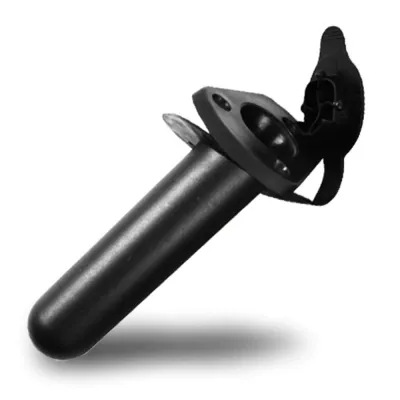
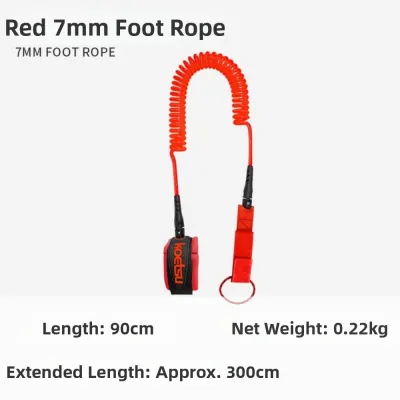
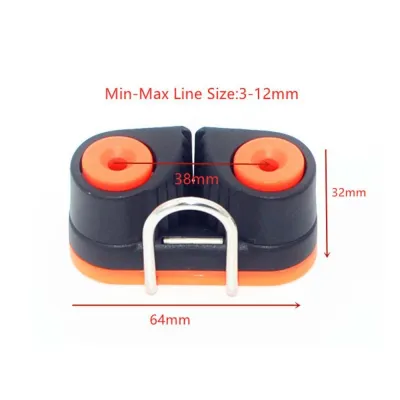
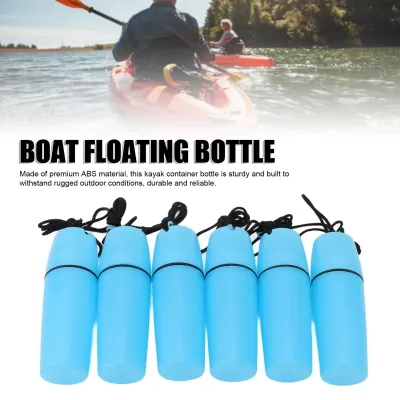
Prices are valid at publication and may change. Please refer to the product page for the latest price.
The Non-Negotiable Safety Essentials for First-Time Kayakers
Personal Flotation Device (PFD)
A kayak-specific PFD is the single most critical piece of equipment you will acquire. Unlike standard life jackets designed for passive floating on large boats, a paddling PFD is engineered for active upper-body movement. It features deep-cut armholes that prevent skin chafing during repetitive paddling strokes. The back profile is also unique, with foam buoyancy concentrated on the upper back to clear the high backrests of modern kayak seats. When selecting a PFD, focus on chest measurements and weight capacity rather than general clothing sizes. It must fit snugly enough that you cannot pull it up over your ears when lifted by the shoulder straps, and it must be worn securely at all times on the water. Inherent foam PFDs are highly recommended over inflatable models for beginners, as foam provides instant buoyancy without requiring manual inflation in a stressful capsize scenario.
Safety Whistle
Communication on open water is challenging because sound travels poorly over wind, waves, and the splash of paddles. A loud, pealess marine whistle is a mandatory safety item that should be semi-permanently tethered to your PFD’s shoulder strap or zipper. Pealess designs are essential because they do not contain moving parts, such as a cork pea, which can jam, freeze, or fail when clogged with saltwater, sand, or dried salt crystals. In an emergency, a series of short, sharp blasts can alert nearby vessels or rescue personnel when your voice cannot carry over the environment.
Navigation Light
If you plan to paddle during low-light hours—such as the cooler dawn or dusk periods popular in tropical climates—you must carry a waterproof, 360-degree white light. Under maritime guidelines, unpowered vessels like kayaks must display a white light to prevent collisions with larger, motorized craft in shared waterways. A suction-cup or pole-mounted LED light positioned behind your seat ensures you remain visible from all angles without ruining your forward night vision. This light should be rated for marine use and have a battery runtime that easily outlasts your planned paddling duration.
Safety Boundary
Having high-quality safety gear does not guarantee survival in extreme situations. Before launching, always check local weather apps for lightning warnings and wind advisories. In Singapore, the National Environment Agency (NEA) provides real-time updates on rain and lightning activity. If a lightning alert is active or if wind speeds exceed your paddling capability, stay off the water. Consider taking a basic certification course, such as the Singapore Canoe Federation (SCF) 1-Star Award, to learn self-recovery and peer-rescue techniques. Equipment is a supplement to, not a substitute for, sound judgment and training.
Functional Accessories to Keep Your Gear Secure and Dry
Paddle Leash

A dropped paddle can quickly drift out of reach due to wind or tidal currents, leaving you stranded without propulsion. A paddle leash—typically a flexible bungee or coiled polyurethane cord—anchors your paddle shaft to the kayak hull or your deck rigging. While highly useful for beginners, a leash must be positioned carefully so it does not wrap around your body or interfere with your stroke. Ensure the leash has a quick-release clip so you can detach it instantly if you capsize and need to wet-exit the kayak. Note that in fast-flowing water or surf zones, paddle leashes can present an entanglement hazard, so they are best reserved for calm, flatwater environments.
Bilge Pump and Sponge
Water will inevitably enter your kayak’s cockpit through paddle drips, waves, or an accidental capsize. A manual bilge pump is a high-volume hand pump designed to quickly eject gallons of water from a flooded sit-in cockpit. For sit-on-top kayaks, water usually drains through scupper holes, but a large marine sponge remains invaluable for soaking up the persistent puddles that pool under your seat and heels, preventing skin irritation and keeping your gear dry. Secure your bilge pump to your deck rigging with a small clip so it does not float away if your kayak rolls over.
Dry Bags
Standard backpacks and zip-top plastic bags cannot withstand immersion or heavy spray. A roll-top dry bag made from heavy-duty PVC or polyurethane-coated nylon is essential for protecting electronics, spare clothing, car keys, and first aid kits. To secure a dry bag, pack it tightly, purge excess air (or leave a small amount of air if you want the bag to float), roll the stiffened collar down at least three to four times, and buckle the clips securely. For high-value electronics, consider double-bagging or using a dedicated hard-shell waterproof case.
Deck Rigging and Bungees
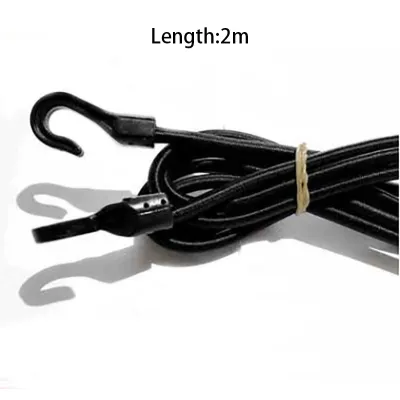
Many entry-level kayaks lack sufficient storage lines on the deck. Verifying that your kayak has secure, marine-grade bungee cords allows you to tuck items like your bilge pump, water bottle, or map within arm’s reach without cluttering the cockpit floor. If your kayak lacks these lines, you can retrofit them using nylon pad eyes and marine bungees, ensuring they are tensioned properly so items do not slide loose in choppy water. Avoid placing heavy items on the deck, as this can negatively affect the kayak’s stability.
Comfort and Navigation Upgrades for Longer Paddles
Sun and Weather Protection
Paddling in tropical climates exposes you to intense direct sunlight and highly reflective water surfaces. Polarized sunglasses are crucial because they filter out surface glare, allowing you to see submerged hazards like rocks, reefs, or shallow sandbars. Always secure your sunglasses with a floating retainer strap to prevent them from sinking if they slip off. Complement your eyewear with a wide-brimmed sun hat featuring a chin strap, and wear quick-drying, UPF 50+ long-sleeved shirts to prevent severe sunburn without needing constant sunscreen reapplication. Avoid cotton clothing, which holds water, stays wet, and loses its sun protection rating when damp.
Paddling Gloves or Pogies
Beginners often grip the paddle shaft too tightly, leading to painful friction blisters on the thumbs and palms within the first hour of paddling. Lightweight paddling gloves made of synthetic leather or thin neoprene protect these high-wear areas while improving your grip on wet shafts. Alternatively, pogies—sleeves that attach directly to the paddle shaft and cover your hands—provide wind protection while allowing your bare hands to maintain direct contact with the paddle. Gloves also provide protection against sharp barnacles or oyster shells if you need to launch or land on rocky shores.
Kayak Seat Cushion
Stock kayak seats, especially on budget-friendly or rental models, often lack sufficient padding, leading to lower back fatigue and numbness during extended sessions. An aftermarket, waterproof ergonomic seat cushion can dramatically improve comfort. Look for self-inflating or closed-cell foam pads designed specifically for marine environments. Avoid overly thick cushions, as raising your seating position too high can elevate your center of gravity and compromise the lateral stability of your kayak.
Basic Navigation Tools
Even in familiar coastal waters, fog, heavy rain, or disorientation can make navigation difficult. A simple, fluid-filled deck compass mounted to your kayak’s bow or deck lines provides a reliable heading that requires no battery power. If you prefer using smartphone-based GPS maps, invest in a dedicated, heavy-duty waterproof phone mount or a secure lanyard-equipped pouch. Never rely solely on electronic devices; always carry a physical compass and have a basic understanding of your route’s landmarks before launching.
Gear Beginners Can Skip or Rent Initially
High-End Paddles
While ultra-lightweight carbon fiber paddles are highly desirable for long-distance touring, they are expensive and fragile. Beginners are better off starting with a durable, mid-range paddle featuring an aluminum or fiberglass shaft and a reinforced nylon blade. These materials are highly impact-resistant, making them forgiving when you accidentally strike rocks, concrete launch ramps, or shallow sea beds during your initial learning phase. These entry-level paddles typically cost a fraction of the price of carbon alternatives.
Advanced Electronics
It is easy to get swept up in buying high-tech gadgets like GPS fish finders, marine VHF radios, or active sonar devices. For casual paddling in sheltered reservoirs or calm coastal bays, these devices are unnecessary expenses. A standard smartphone inside a reliable waterproof case is more than sufficient for emergency communication and basic navigation during your first year of paddling. Additionally, marine VHF radios require specific licensing to operate legally in many regions, making them impractical for casual beginners.
Custom Molded Spray Skirts
Spray skirts keep water out of sit-in kayak cockpits, but high-end neoprene models designed for whitewater or rolling can be difficult for beginners to detach during a wet exit. Unless you are paddling in heavy surf or cold weather, a basic, adjustable nylon spray skirt—or simply choosing not to use one in calm, flatwater conditions—is safer and more comfortable for learning the basics. This approach also prevents overheating in warm, tropical climates.
Specialized Roof Racks
Transporting a kayak can be a significant hurdle, leading many beginners to purchase expensive, vehicle-specific cradles or J-bars immediately. Before making this investment, consider temporary foam block carriers or utility straps, which are highly affordable and fit most standard vehicles. Alternatively, you can bypass transport challenges entirely by utilizing local rental facilities or kayak storage lockers located directly at popular paddling sites.
How to Verify Fit and Quality Before Buying in Singapore
In-Store PFD Fitting
When shopping for a PFD at specialty water sports stores, do not buy based on chest measurements alone. Put the PFD on, tighten all the straps starting from the waist up to the shoulders, and sit down on the floor or a stool to simulate your paddling position. Have a friend or store assistant pull up firmly on the shoulder straps; if the PFD slides up past your chin or restricts your breathing, try a different size or model. Ensure you perform this test wearing the actual clothing you plan to paddle in, as bulky shirts or rash guards can affect the fit.
Checking Safety Certifications
Ensure any buoyancy aid you purchase carries recognized international safety certifications, such as ISO 12402 or CE approvals. In Singapore, maritime safety guidelines emphasize the use of approved personal flotation devices. Avoid generic, unbranded “swimming vests” sold on online marketplaces, as they often lack the necessary buoyancy ratings, proper strap webbing, and structural stitching required to keep an adult afloat in open water.
Material and Seal Inspection
When evaluating dry bags, inspect the stiffness of the roll-top collar. A collar that is too soft will not seal tightly, while one that is too stiff may crack over time in high-humidity environments. Look for bags constructed from 500D (denier) or thicker PVC with high-frequency welded seams rather than stitched seams, as welded seams offer superior water resistance and durability against deck abrasion.
Local Retailer Consultation
Before finalizing your purchases, visit established local paddling shops or consult with certified instructors at popular paddling hubs like Kallang or Pasir Ris. Local experts can recommend specific materials—such as marine-grade stainless steel hardware or UV-stabilized plastics—that resist rapid degradation from intense tropical sun and high-salinity coastal waters. They can also advise on the best gear setups for local waterways and launch sites.
Frequently Asked Questions (FAQ)
Do I need a specific type of PFD for kayaking?
Yes, you should use a PFD designed specifically for kayaking rather than a standard boating life jacket. Kayaking PFDs feature cutaway armholes to allow a full, unrestricted range of motion during paddling strokes. They also have a high-back foam design that sits comfortably above the kayak’s seat backrest, preventing the jacket from riding up or pushing your torso forward while seated.
Can I use a regular backpack instead of a dry bag?
No, a regular backpack is not suitable for keeping gear dry on a kayak. Standard backpacks feature stitched seams and metal zippers that quickly rust and allow water to seep inside during splashes or a capsize. Purpose-built dry bags utilize waterproof fabrics, welded seams, and roll-top closures that create an airtight, watertight seal. This airtight seal also allows the bag to float, making it easier to retrieve if it falls overboard.
Are paddle leashes necessary for calm water?
Yes, paddle leashes are highly recommended even in calm, flat water. Unpredictable factors such as a sudden gust of wind, a passing boat’s wake, or a momentary distraction can cause you to drop your paddle. In open water, a light breeze can drift a paddle away faster than you can swim or hand-paddle your kayak to retrieve it. A simple leash acts as a low-cost insurance policy to keep you connected to your primary source of propulsion.
Community discussion
Share your experience or ask a question. Comments are reviewed before publication.