
Choosing the right gear when starting your kayaking journey can feel overwhelming, but focusing on safety and boat control will set you up for success. Beginners only need a few essential items to stay safe, dry, and comfortable during their first sessions on the water. Prioritizing these foundational tools prevents you from overspending on heavy, specialized gear that you may not actually need. By starting with the basics, you can build your skills on a clean, safe setup before deciding which upgrades fit your specific paddling style.
Non-Negotiable Safety Essentials You Must Have
Safety should always be your absolute priority on the water, and having the right gear is a legal and practical necessity. These non-negotiable items are designed to protect you in unexpected situations and should be on your kayak every single time you launch.
Personal Flotation Device (PFD)
A standard life jacket is often too bulky around the chest and arms, which restricts your paddling motion and causes painful chafing. A kayaking-specific PFD is cut much lower around the arms and neck to allow a full, comfortable range of motion. It also features a high-back flotation design that sits comfortably above the tall backrests found on most modern kayak seats. When selecting a PFD, always check for recognized maritime safety certifications and ensure a snug, adjustable fit. Before launching, adjust the shoulder and side straps so the vest does not slide up toward your chin when pulled upward from the shoulders.
Products mentioned in this guide
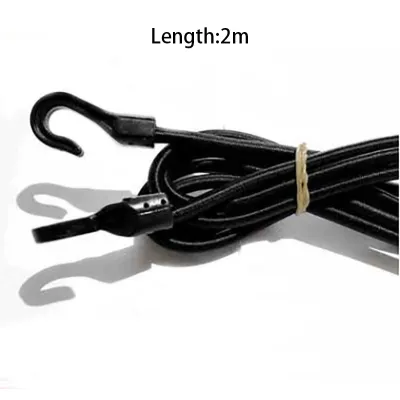
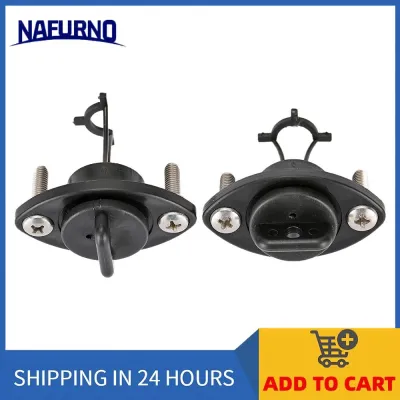
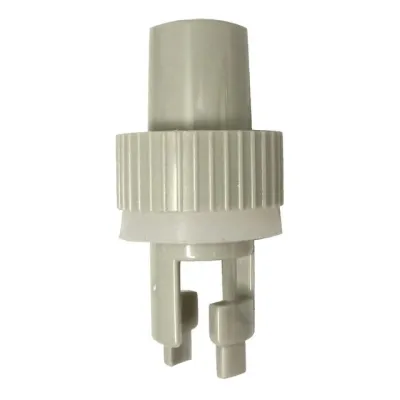
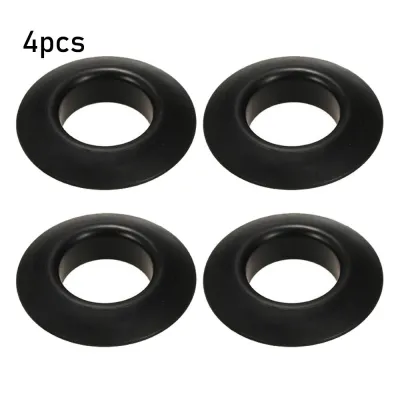
Prices are valid at publication and may change. Please refer to the product page for the latest price.
Audible Signaling Device
A marine-grade whistle is a simple, battery-free lifesaver that must be tethered directly to your PFD. In a capsizing emergency or when navigating busy channels near motorized vessels, your voice will easily be drowned out by wind, waves, and engine noise. A pealess plastic whistle works even when wet and can project a high-pitched sound over long distances. Ensure the whistle is easily reachable with one hand so you can signal for assistance without letting go of your kayak.
Visibility Aids
Kayaks sit exceptionally low in the water, making them virtually invisible to larger motorized boats, yachts, or jet skis. Wearing bright, high-visibility colors like neon orange, yellow, or pink significantly increases your chances of being spotted from a distance. If you plan to paddle during low-light conditions near dawn or dusk, apply marine-grade reflective tape to your paddle blades and secure a basic, waterproof white navigation light to your stern. This simple setup ensures you remain visible to other mariners and compliant with local water safety guidelines.
Core Accessories for Comfort and Boat Control
Once safety is secured, your focus should shift to accessories that directly impact how your kayak handles and how comfortable you remain during your session. These core items help you manage your boat efficiently and protect your gear from water damage.

The Right Paddle
Your paddle is your engine, and choosing the wrong size or material will quickly lead to shoulder strain and exhaustion. Beginners should select a paddle length based on their height and the width of their kayak; wider recreational kayaks generally require longer paddles to clear the sides comfortably. While basic aluminum-shaft paddles are durable and budget-friendly, they are heavy and transfer cold or heat easily. Upgrading to a fiberglass shaft with nylon blades reduces overall weight significantly, allowing you to paddle longer with less muscle fatigue.
Bilge Pump and Sponge
Water will inevitably find its way into your kayak, whether from paddle drips, waves, or sudden tropical downpours. A hand-operated bilge pump is a vital tool for quickly clearing out large amounts of water from a sit-inside cockpit without needing to land. Pair this with a large, highly absorbent marine sponge to soak up the remaining puddles and grit that collect in the footwells. Keeping your kayak dry not only improves comfort but also maintains the vessel’s stability and handling characteristics.
Dry Bags
A sudden tropical shower can develop rapidly, making a reliable waterproofing solution essential for your personal belongings. Standard backpacks or zip-top kitchen bags will not protect your electronics, car keys, or dry clothing from submersion or heavy rain. Invest in a dedicated roll-top dry bag made from heavy-duty PVC or polyurethane, ensuring you fold the top down at least three times before buckling it. Securing these bags to your kayak’s deck rigging prevents them from floating away if you happen to capsize.
Hydration Management
Paddling under the intense sun requires constant hydration to prevent heat exhaustion and muscle cramping. An insulated stainless steel water bottle keeps your water cold for hours, which is incredibly refreshing during long sessions in humid climates. Use a sturdy carabiner to clip the bottle’s lid directly to your kayak’s deck lines or seat straps so it does not slide out of reach or sink. Alternatively, a hands-free hydration bladder secured behind your seat allows you to drink easily without letting go of your paddle.
Diagnosing Your Needs: When to Upgrade Your Gear
As you gain experience, you will begin to notice specific physical signals or environmental challenges that indicate it is time to upgrade your setup. Instead of buying everything at once, use these diagnostic checks to guide your next purchases.
Seat Cushions and Back Support
- Signal to check: Pay close attention to how your body feels after 30 to 45 minutes on the water. If you experience lower back stiffness, tailbone pain, or a tingling sensation down your legs, your kayak's stock seat likely lacks adequate support.
- Action: Upgrade your setup with an aftermarket gel or closed-cell EVA foam seat cushion. These materials distribute your weight evenly and raise your hips slightly, which improves your paddling posture and prevents pressure points without absorbing water.
Sun Protection Gear
- Signal to check: If you find yourself dealing with frequent sunburns, severe eye strain from water glare, or rapid dehydration despite drinking plenty of water, your sun protection is insufficient.
- Action: Invest in UPF 50+ rated long-sleeve sun shirts and a wide-brimmed hat with a chin strap to block direct rays. Polarized sunglasses are essential for cutting through the surface glare, allowing you to see submerged hazards; always pair them with a floating eyewear retainer to prevent them from sinking if they slip off.
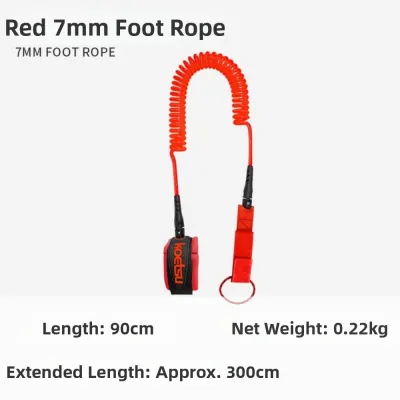
Paddle Leash
- Signal to check: If you frequently find yourself dropping your paddle to take photos, adjust gear, or tend to a minor issue, or if you plan to paddle in windy, open waters where a dropped paddle can quickly drift out of reach.
- Action: Attach a lightweight, coiled paddle leash between your paddle shaft and the kayak's deck lines. Always practice releasing the leash quickly, and avoid using them in fast-moving rivers or surf zones where the cord could pose an entanglement hazard during a wet exit.
Anchor Systems
- Signal to check: If you struggle to stay stationary while resting, taking photos, or trying to fish because the wind or tide constantly drifts your kayak away from your target spot.
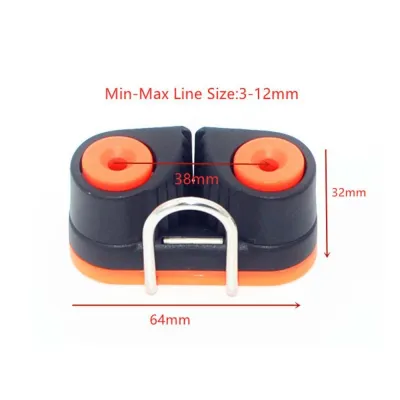
- Action: A small, 1.5-kilogram folding grapnel anchor paired with a quick-release cleat is highly effective for sandy or muddy bottoms.
- Safety boundary: Never deploy an anchor in strong currents, shipping lanes, or high-wind areas, as an anchored kayak can easily be pulled underwater and capsized by moving water.
Kayak Accessories Beginners Should Skip Initially
It is easy to get carried away by the vast array of kayaking gear available, but many advanced accessories are unnecessary for beginners. Skipping these items initially keeps your setup lightweight, less complicated, and focused on skill development.
High-End GPS or Fish Finders
It is easy to get lured in by sophisticated marine electronics, but beginners rarely need dedicated GPS units or sonar fish finders. Modern smartphones equipped with offline mapping apps can handle basic navigation perfectly well when secured in a heavy-duty, waterproof floating phone case. Save the hundreds of dollars that these electronics cost until you are certain you want to pursue advanced kayak fishing or long-distance coastal touring.
Kayak Carts and Wheels
While a trolley or cart makes transporting a heavy kayak over land much easier, it is an unnecessary expense if you launch close to your vehicle or paddle with a partner. Learning proper lifting techniques—using your legs and keeping the kayak close to your body—is a fundamental skill every paddler should master first. If you must transport the kayak alone over long distances, you can look into carts later, but starting out without one keeps your load lighter and your deck less cluttered.
Advanced Fishing Rigging
A heavily rigged kayak with multiple rod holders, gear tracks, and tackle crates looks impressive but can be a major hazard for a novice. A cluttered deck increases the risk of your paddle catching on gear, restricts your movement, and makes re-entering the kayak after a capsize incredibly difficult. Focus on mastering basic paddle strokes, torso rotation, and balance on a clean, uncluttered deck before adding specialized fishing hardware.
Rudder or Skeg Add-ons
Many beginners assume they need a rudder or an adjustable skeg to keep their kayak traveling in a straight line. However, most modern recreational kayaks are designed with hull shapes that track exceptionally well on calm waters without mechanical assistance. Investing in these add-ons early on often masks poor paddling habits; instead, focus on perfecting your sweep strokes and learning how to edge your kayak to control its direction.
Frequently Asked Questions (FAQ)
Can I use a regular life jacket instead of a kayaking PFD?
Standard life jackets are generally designed for passive floating and feature bulky foam panels around the chest and neck, which severely restrict your arm movement and cause painful chafing during repetitive paddling. A kayaking-specific PFD is cut much lower around the arms and neck to allow a full range of motion. It also features a high-back flotation design that sits comfortably above the tall backrests found on most modern kayak seats.
Do I need a spray skirt for a beginner sit-on-top kayak?
No, spray skirts are designed exclusively for sit-inside kayaks to prevent water from filling the cockpit. Sit-on-top kayaks feature a self-bailing design with scupper holes that allow any water entering the deck to drain out naturally. Because there is no cockpit to seal, a spray skirt cannot be used on a sit-on-top kayak, making these open-deck vessels a highly popular and user-friendly choice for beginners paddling in warm, tropical climates.
What is the best way to secure my phone while kayaking?
The most reliable method is to place your phone inside a certified waterproof, floating phone pouch equipped with a secure lanyard. Loop the lanyard around your PFD strap or clip it to the kayak’s deck rigging so that even if you drop the phone while taking a photo, it remains physically tethered to you or the boat. Avoid relying solely on standard water-resistant phone cases, as they do not offer flotation and will sink rapidly if dropped into deep water.
Community discussion
Share your experience or ask a question. Comments are reviewed before publication.