
Paddling in Singapore’s coastal waters offers a unique vantage point, blending the city’s futuristic skyline with tranquil mangrove forests and sandy island beaches. However, navigating the waters of the Singapore Strait, East Coast Park, or around Pulau Ubin presents distinct environmental and logistical challenges. The equatorial climate, combined with some of the busiest commercial shipping lanes in the world, means that selecting the right boating accessories is not just a matter of convenience—it is a critical safety decision. To ensure your paddling excursions remain safe, compliant, and comfortable, you must equip yourself with gear designed specifically to withstand intense tropical conditions and high-density marine traffic.
Why Singapore's Coastal Waters Demand Specialized Gear
Singapore’s marine environment is characterized by consistent equatorial heat, high ambient humidity, and rapid weather shifts. Unlike inland lakes or sheltered rivers, the coastal waters are subject to strong tidal currents, fluctuating sea states, and sudden tropical rainstorms. The local climate accelerates the wear and tear on marine equipment, as high levels of UV radiation and constant saltwater exposure can degrade substandard materials within a single season.
Additionally, the geographical layout of Singapore’s coastlines means that recreational paddlers often share the water with heavy commercial traffic. The Maritime and Port Authority of Singapore (MPA) manages thousands of vessel movements daily, ranging from massive container ships and bulk carriers to high-speed ferries and tugboats. This constant activity creates complex wake patterns and turbulent currents, particularly near harbor limits and shipping channels. A sudden Sumatra squall can also drop visibility to near zero within minutes, turning a calm afternoon into a highly challenging navigation scenario.
Products mentioned in this guide
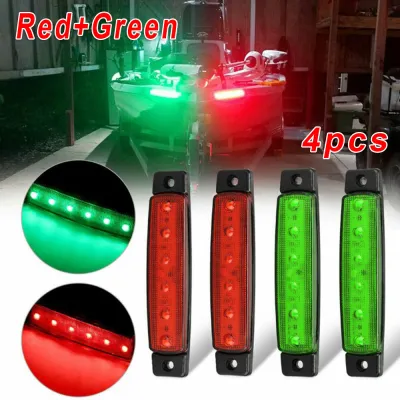
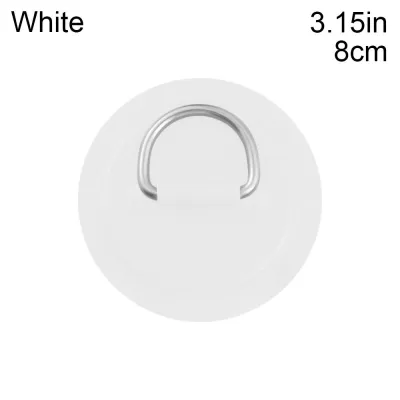
Prices are valid at publication and may change. Please refer to the product page for the latest price.
Because of these unique conditions, generic paddling gear is often insufficient. High humidity encourages mold growth on damp fabrics, while salt crystallization can quickly seize up standard metal zippers and buckles. To stay safe and protect your investment, you must prioritize specialized boating accessories that emphasize high visibility, corrosion resistance, and heat management. Distinguishing between essential safety gear and optional comfort upgrades allows you to prepare effectively for the specific demands of the Singaporean coastline.
Essential Safety Boating Accessories for Busy Coastal Waters
Navigating busy coastal waters requires a proactive approach to safety. The open sea offers no shelter from sudden weather changes, and the presence of large commercial vessels means you must take active steps to remain visible and secure at all times.

Personal Flotation Devices (PFDs)
A high-quality PFD is the single most important safety accessory you will wear on the water. In Singapore’s hot and humid climate, wearing a heavy, bulky life jacket can quickly lead to overheating and physical exhaustion. To stay comfortable while remaining safe, look for tropical-friendly, high-ventilation PFDs. These models typically feature mesh backs, open sides, and low-profile foam panels that allow body heat to escape while providing excellent mobility for paddling.
When choosing a PFD, verify that it meets recognized international safety standards, such as ISO 12402, or local maritime approvals. It is essential to check the Newton rating of the device; a 50N rating is generally suitable for competent swimmers in sheltered coastal waters, while a 100N rating offers higher buoyancy for rougher conditions. Always test the fit of your PFD before launching. Adjust the shoulder and side straps so the jacket fits snugly against your torso without riding up when you pull upward on the shoulder straps.
Leashes for Paddleboards
For stand-up paddleboarders, a leash is your primary connection to your board, which serves as your largest flotation device if you fall. However, the type of leash you use must match your specific paddling environment. Coiled leashes are ideal for calm, flat waters because they remain on the deck of the board, preventing them from dragging in the water or catching on debris. Straight leashes are better suited for areas with active surf or rolling waves, as they allow the board to drift a safe distance away from you during a fall, preventing impact.
When paddling in coastal areas with strong tidal currents, such as the Johor Strait or the waters surrounding the Southern Islands, a standard ankle leash can present a significant safety hazard. If your board becomes snagged on a mooring buoy, channel marker, or submerged structure, the force of the current can make it impossible to reach your ankle to release yourself. In these high-current environments, a quick-release waist belt leash is highly recommended. This accessory positions the release mechanism at your waist, allowing you to instantly detach from the board under tension with a single pull.
Visibility Gear
Because kayaks and paddleboards sit very low in the water, they are extremely difficult for larger motorized vessels to spot, especially against the glare of the afternoon sun or during a sudden tropical downpour. To ensure you remain visible to ferry captains and commercial boaters, equip your watercraft with a high-visibility safety flag. These flags are typically mounted on a flexible, lightweight whip pole at the stern of your kayak or the rear of your paddleboard, raising a bright orange or neon yellow flag well above eye level.
If you plan to paddle during low-light hours, such as dawn, dusk, or night, or if you get caught in a heavy rain squall, waterproof LED navigation lights are essential. A white, 360-degree constant or flashing light mounted to your deck or PFD helps other boaters identify your position from a distance. Ensure the light is rated for marine use and has a secure mounting mechanism to withstand rough chop.
Audible Signals
When wind, waves, and engine noise make vocal communication impossible, an audible signaling device is your primary tool for attracting attention in an emergency. You should always carry a marine-grade, pea-less whistle securely attached to your PFD. Pea-less designs are crucial for marine environments because they do not contain moving parts that can jam when exposed to dried salt crystals, sand, or water. In an emergency, a series of short, sharp blasts can alert nearby vessels or rescue personnel to your location, even when visual contact is lost.
Essential Sun Protection and Comfort Accessories
While safety gear protects you during an emergency, comfort accessories prevent the gradual onset of heat exhaustion, dehydration, and severe sunburn, which can quickly compromise your ability to paddle safely.
Sun Protection Apparel
The equatorial sun in Singapore is exceptionally intense, and the water’s surface reflects UV radiation, significantly increasing your exposure. Relying solely on sunscreen is often inadequate, as sweat and saltwater splashes can quickly wash it away. To protect your skin, verify that your long-sleeve rash guards and paddling shirts carry a certified UPF 50+ rating, which blocks the vast majority of harmful UV rays.
Complement your apparel with a wide-brimmed sun hat featuring a secure chin strap to prevent it from blowing away in sudden coastal gusts. Polarized sunglasses are also critical; they cut through the harsh surface glare, allowing you to see shallow reefs, submerged obstacles, and changing water depths more clearly. Always secure your eyewear with a floating retention strap to prevent losing them if you capsize or fall into the water.
Hydration Systems
Dehydration is a constant risk when paddling in high humidity, leading to muscle cramps, dizziness, and accelerated fatigue. Standard single-wall plastic or metal water bottles will heat up rapidly when exposed to direct sunlight, making the water unappealing and less effective at cooling your core temperature. To maintain proper hydration, opt for double-wall insulated stainless steel bottles or specialized hydration bladders housed in insulated sleeves.
These systems keep your water cool for hours, encouraging you to drink regularly. For longer coastal expeditions, plan to carry at least one to two liters of fresh water for every two hours of planned paddling. Regularly sipping water, even when you do not feel actively thirsty, is key to preventing heat-related illnesses.
Waterproof Storage
A sudden tropical squall can saturate your gear in seconds, potentially damaging expensive electronics or car keys. To protect your belongings, invest in high-quality dry bags with welded seams and robust roll-top seals rather than simple stitched fabrics. When packing, leave a small amount of air inside the bag before rolling the top down at least three times; this helps the bag float if it falls overboard.
For mobile phones, use a dedicated waterproof phone case with a verified IPX8 rating, which indicates protection against continuous submersion. Before heading out, always perform a quick touch-sensitivity check through the plastic casing to ensure you can operate your phone’s touchscreen to call for assistance or check local weather radar applications if weather conditions begin to deteriorate.
Optional Upgrades to Improve Your Tropical Paddling Experience
Once you have secured your safety and sun protection gear, you can consider several optional upgrades that enhance your overall paddling experience, making your time on the water more efficient and enjoyable.
Anchoring Systems
If you enjoy fishing, photography, or simply taking a break to watch the sunset near the Southern Islands, holding your position against Singapore’s tidal currents can be exhausting. A lightweight folding anchor (typically 0.7 to 1.5 kilograms) paired with an anchor trolley system allows you to secure your kayak or paddleboard without constantly paddling. Ensure your anchoring setup includes an easy-release mechanism or a quick-release cleat. If the anchor becomes snagged on a submerged structure or if a large wake threatens to capsize your craft, you must be able to jettison the anchor line instantly to maintain stability.
Coolers and Deck Bags
Keeping your snacks, lunch, and extra beverages cold makes a significant difference on a hot day. Insulated deck bags or soft-sided coolers designed specifically for kayaks and paddleboards feature low profiles to minimize wind resistance. They are equipped with heavy-duty bungee tie-downs or clips that secure directly to your craft’s deck rigging. This ensures your refreshments remain cold and secure even if your watercraft encounters rough chop or rolls over.
Paddle Upgrades
Many entry-level kayaks and paddleboards come with heavy aluminum or plastic paddles. Upgrading to a lighter carbon-fiber or fiberglass paddle significantly reduces joint fatigue and muscle strain over long distances. Additionally, ensure your paddle is fitted with rubber drip rings. These simple, inexpensive rings slide onto the shaft near the blades, redirecting water away from your hands and preventing it from dripping onto your lap or the deck of your board, keeping you drier and more comfortable.
Navigation and Mounts
For those who want to document their coastal adventures or navigate unfamiliar mangrove channels, specialized mounts are highly useful. Waterproof action camera mounts and marine-grade GPS holders can be suction-cupped or bolted to your deck. When purchasing any mounting hardware, verify that all metal components are made of marine-grade stainless steel, anodized aluminum, or high-durability polymers. Standard metals will corrode and rust within weeks of exposure to Singapore’s warm, salty coastal air.
Post-Paddle Maintenance: Protecting Gear from Salt and Humidity
The combination of high salinity, intense heat, and high humidity in Singapore creates a highly corrosive environment for outdoor gear. Proper post-paddle maintenance is essential to extend the lifespan of your boating accessories and ensure they function reliably when you need them most.
Rinsing Protocols
Immediately after returning to shore, thoroughly flush all your gear with clean, fresh water. Pay close attention to zippers, metal buckles, snaps, and moving joints on your PFD, dry bags, and safety lights. Saltwater leaves behind tiny salt crystals as it evaporates. Over time, these crystals act as an abrasive, tearing fabric fibers, jamming zipper teeth, and corroding metal components. A thorough freshwater rinse dissolves these crystals before they can cause permanent damage.
Drying and Storage
Once rinsed, hang your gear to air-dry in a shaded, well-ventilated area. High ambient humidity means that drying can take longer, making good airflow crucial to prevent the growth of mold, mildew, and unpleasant odors. Avoid the temptation to speed up the process by leaving your gear in direct, intense sunlight. Prolonged UV exposure degrades the specialized coatings on dry bags, weakens the stitching on PFD straps, and causes plastics to become brittle and prone to cracking. Never store your gear while it is still damp, especially in enclosed plastic containers or dark storage lockers, as this creates an ideal breeding ground for mold.
Hardware Inspection
Establish a routine of performing visual checks on your accessories before and after every trip. Inspect metal components for early signs of rust or oxidation. If you notice stiff zippers or sticky joints, apply a small amount of marine-grade, environmentally safe lubricant. This keeps moving parts operating smoothly and provides an extra barrier against saltwater corrosion. Regularly inspect the seams of your dry bags and the straps of your PFD for any signs of fraying or wear, replacing any compromised gear immediately to maintain safety standards.
Frequently Asked Questions (FAQ)
Do I need a license or specific safety gear to kayak in Singapore's coastal waters?
Currently, recreational paddlers do not require a formal license to operate non-motorized kayaks or paddleboards in Singapore’s coastal waters. However, you must comply with maritime safety expectations. The Maritime and Port Authority of Singapore (MPA) mandates that all boaters wear a suitable personal flotation device (PFD) at all times while on the water. Additionally, you must stay clear of designated shipping lanes, port limits, and restricted military zones, such as those near Changi or certain offshore islands. Always consult the latest MPA guidelines and notices to mariners before planning your route to ensure you do not inadvertently enter restricted territory.
Can I use standard freshwater dry bags for saltwater paddleboarding?
Yes, you can use standard freshwater dry bags for saltwater paddling, as the fundamental waterproofing mechanism—typically a roll-top closure with welded seams—remains the same. However, saltwater is far more abrasive and corrosive than freshwater. If you use freshwater dry bags, you must be exceptionally diligent about rinsing them with fresh water after every outing. Pay extra attention to the plastic buckles and any zipper tracks, as salt buildup will quickly degrade these components, leading to premature failure of the bag’s seal.
What is the best way to secure my paddleboard in sudden high winds?
If you are caught in sudden high winds, such as a tropical squall, your immediate priority is to stay connected to your board using your leash. Lower your center of gravity immediately by kneeling or lying prone on the board; this reduces your body’s wind resistance, making it easier to maintain control. Paddle steadily toward the nearest safe shore. While a lightweight anchor is a useful optional accessory for resting, you should never rely on it to hold your board in severe weather conditions that exceed your physical capabilities or the safe working load of your equipment.
Community discussion
Share your experience or ask a question. Comments are reviewed before publication.