
Choosing your first fishing storage setup can be overwhelming, but starting with Meiho gear offers a highly structured, durable, and modular foundation. For a beginner angler, the ideal starting point is a combination of a compact utility box for terminal tackle, a versatile insulated live bait bucket, and a protective rod carrier. These core items allow you to organize your gear efficiently, protect your rods during transport, and keep bait fresh without overcomplicating your setup. As your skills grow, the modular nature of this Japanese brand’s ecosystem ensures that your initial purchases will integrate seamlessly with larger storage systems rather than becoming obsolete.
Why Meiho Gear is a Practical Starting Point
Meiho has earned a global reputation among anglers for producing exceptionally robust, impact-resistant plastic storage solutions. For beginners, investing in high-quality gear from the outset prevents the frustration of cracked latches, warped lids, and spilled tackle. The brand utilizes premium polymers designed to withstand outdoor environments, UV exposure, and accidental drops on hard concrete banks or rocky shorelines. This structural integrity means your storage remains secure, keeping sharp hooks and heavy sinkers safely contained.
One of the most compelling reasons to choose this brand is its modular design philosophy. Instead of buying a static tackle box that you will eventually outgrow, you can select components that function as building blocks. Many of their mid-sized and larger boxes feature external slot systems designed to hold rod stands, cup holders, and side pockets. This customizability allows you to adapt your carrying setup to different locations and techniques without purchasing entirely new systems every season.
Products mentioned in this guide
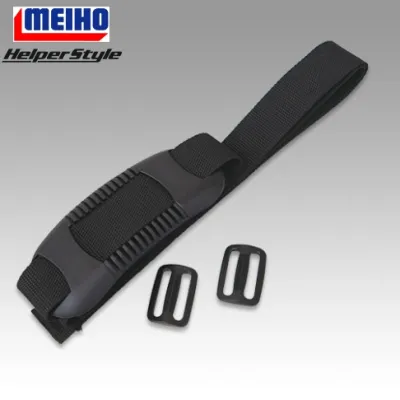
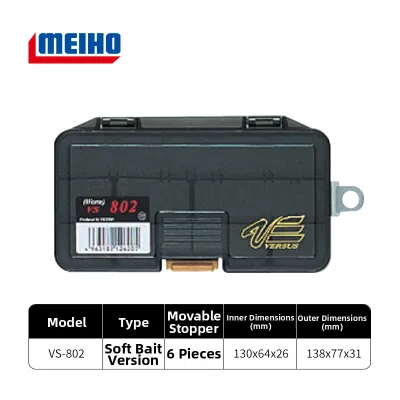
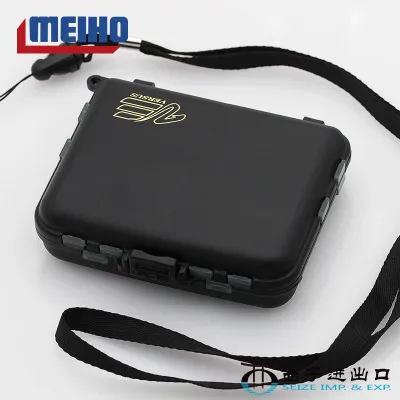
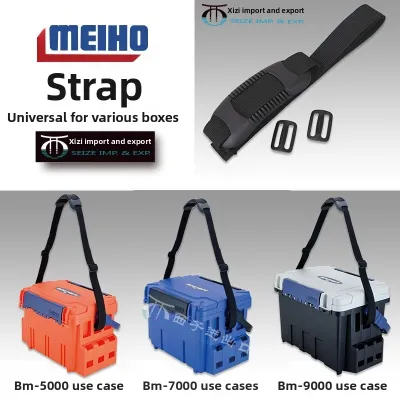
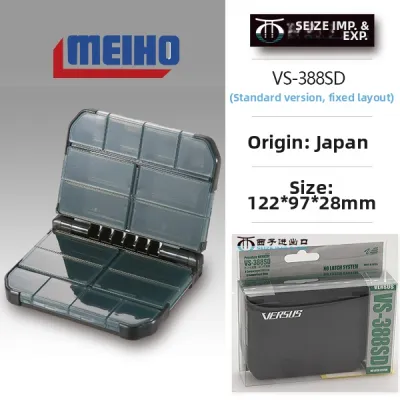
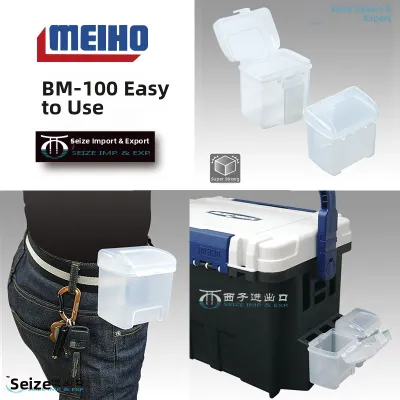
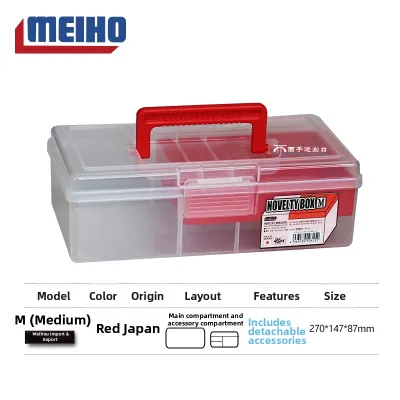
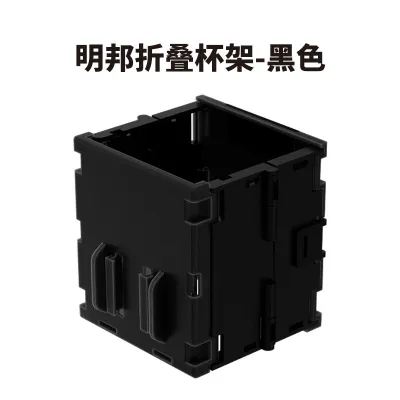
Prices are valid at publication and may change. Please refer to the product page for the latest price.
Furthermore, versatility is engineered into almost every design. Multi-functional tackle boxes often feature reinforced lids that allow them to double as stable seating during long waiting periods on the jetty. Inside, adjustable dividers let you customize compartment sizes down to the millimeter, preventing small items like swivels and snaps from mixing. The smooth, non-porous surfaces of the plastic make cleaning straightforward, requiring only a quick rinse to remove salt residue, fish slime, or bait oils.
How to Match Meiho Gear to Your Fishing Style
Before purchasing your first storage items, establishing a clear decision-making framework based on your specific fishing habits will prevent costly trial-and-error. Your choice should depend on where you fish, how you travel, what you need to carry, and the local climate.

Target Environment: The venue dictates the physical demands placed on your gear. If you plan to fish primarily from sandy beaches, concrete jetties, or rocky shorelines, you need rugged, stable gear that won’t tip over easily on uneven ground. Saltwater environments demand storage with highly corrosion-resistant components, as salt spray can rapidly degrade cheap metal hinges. Conversely, freshwater reservoir fishing often involves more walking, prioritizing lightweight, highly portable boxes that won’t weigh you down.
Transport Method: Navigating your commute is a critical factor, particularly in urban environments like Singapore. If you rely on public transit such as the MRT or buses to reach coastal spots like Bedok Jetty or Changi, carrying bulky, heavy tackle boxes is highly impractical. Minimalist, shoulder-slung carriers or compact backpack-friendly utility boxes are essential for keeping your hands free and respecting transit space. If you commute by car, you have the luxury of choosing larger, heavier modular systems that can remain organized in your trunk.
Storage Requirements: Assess your current gear collection honestly. Beginners often make the mistake of buying massive tackle boxes, only to find them mostly empty, which causes light tackle to rattle around and tangle. Start by assessing whether you need minimalist storage for a small selection of soft plastics and jig heads, or if you require deeper compartments for sinkers, floats, and multi-jointed lures. A modular approach allows you to buy small, specialized cases that can later slide into a larger container.
Climate Considerations: High humidity and intense tropical heat present unique challenges for tackle and bait storage. Extreme heat can warp low-grade plastics and cause soft plastic lures to melt or stick together. Furthermore, keeping live bait like prawns or small fish fresh in tropical temperatures requires reliable insulation. Choosing UV-resistant materials and well-insulated buckets is vital for preventing gear degradation and ensuring your bait remains active throughout the day.
Essential Meiho Tackle Storage for Beginners
Organizing your hooks, weights, and lures systematically is crucial for a successful day on the water. Meiho offers a wide range of tackle storage options, but beginners should focus on finding a balance between immediate capacity and future expandability.
Compact Utility Boxes for Light Setups
For those starting with light shore fishing or lure casting, compact utility boxes—such as the classic F-Series style designs—are the most practical entry point. These slim, single- or double-layer boxes are designed to slip easily into a small sling bag or even a deep pocket. They feature highly customizable layouts with removable dividers, allowing you to create snug compartments that prevent delicate lures from knocking against each other.
Clear, high-transparency lids are a major advantage of these smaller boxes, enabling you to identify your tackle at a glance without opening the lid and exposing the contents to salt spray or rain. The latching mechanisms are engineered to be secure yet easy to operate with wet or cold hands, minimizing the risk of accidental spills.
Before committing to a specific utility box, always measure your longest lures, pre-tied rigs, or heaviest sinkers. Compare these measurements against the internal compartment dimensions provided by the manufacturer. Keep in mind that while these compact cases are excellent for day trips, they are not designed to hold bulky hard baits, large wire rigs, or spare reels.
Modular Systems for Expanding Collections
If you plan to explore multiple angling techniques—such as transitioning from light micro-jigging to bait fishing—a modular system offers the flexibility you need. These systems typically consist of a rugged outer box that houses multiple smaller, standardized utility trays. This setup allows you to organize your gear by technique; you can keep one tray dedicated to saltwater bait rigging and another filled with freshwater lures, swapping them out depending on your destination.
Many of these modular boxes feature integrated side slots that accept various clip-on accessories. You can attach rod holders, tool pouches, and parts cases directly to the exterior of the box, turning it into a centralized fishing station. This level of organization keeps your active gear off the ground and within arm’s reach.
The primary trade-off with these comprehensive systems is their physical weight and bulk. When loaded with lead sinkers, spare reels, and multiple tackle trays, a modular box can become heavy and awkward to carry over long distances. If your fishing style involves walking kilometers along a coastline or commuting via public transport, the physical effort required to carry a large modular box may outweigh its organizational benefits.
Choosing the Right Meiho Bait Coolers and Buckets
Using the correct bait storage ensures your bait remains in peak condition, which directly influences your catch rate. Beginners must choose between heavy-duty insulated options and highly portable, compact containers.
Insulated Live Bait Buckets for Versatility
Live bait, such as live prawns or small baitfish, is highly effective for coastal fishing, but keeping them alive requires proper temperature and oxygen management. Insulated live bait buckets, such as those modeled on the BM-Series designs, are highly versatile tools for beginners. These buckets feature thick insulated walls, secure inner lids to prevent water from splashing out during transport, and dedicated ports for routing aeration tubing from an external air pump.
These buckets easily serve a dual purpose. When you are not using live bait, they function as highly effective catch coolers or general-purpose beverage coolers. The integrated drainage plugs make emptying melted ice and cleaning the interior simple, while the robust carrying handles are designed to handle the weight of water and ice.
It is critical to understand that ice retention and temperature control are highly dependent on external factors. In tropical climates with ambient temperatures regularly exceeding 30 degrees Celsius, the insulation’s performance will vary based on how much ice you use, the initial temperature of the water, and how frequently you open the lid. To ensure your bait or catch remains cold, check the manufacturer’s specific insulation ratings and avoid leaving the bucket in direct sunlight.
Compact Containers for Short Trips
For short sessions or minimalist trips where you only need a small amount of bait, carrying a large insulated bucket is unnecessary. Compact, non-insulated or lightly insulated bait containers offer a highly portable alternative. These lightweight containers are designed for maximum mobility, often featuring integrated belt clips or comfortable shoulder straps that allow you to keep your bait close at hand while wading or walking the shoreline.
These smaller containers are ideal for holding live worms, a handful of baitfish, or pre-cut bait on ice. Their compact footprint makes them easy to pack into a larger bag, reducing the number of individual items you have to carry.
However, these compact containers have clear limitations regarding temperature control. In hot, humid conditions, non-insulated plastic containers heat up rapidly, which can quickly prove fatal to delicate live bait. To mitigate this risk, these containers should only be used for short excursions, or in conjunction with frequent water changes and active aeration to keep the water temperature within a safe range.
Protecting Your Gear: Meiho Rod Cases and Carriers
Transporting your rods safely is just as important as organizing your tackle. A broken rod tip can instantly ruin a planned fishing trip, making reliable protection a top priority.
Hard Shell Tubes for Maximum Protection
Fishing rods are highly specialized tools, and their delicate carbon fiber tips and ceramic guide inserts are highly vulnerable to impact damage during transit. Hard shell rod tubes provide the highest level of physical protection against crushing, bending, and accidental impacts. Whether you are packing your gear into a crowded car trunk or navigating busy public transit stations, a rigid tube ensures your rod arrives at the water intact.
These hard cases are particularly valuable for beginners who may not yet be accustomed to handling fragile multi-piece rods. A single drop or a bump against an MRT handrail can micro-fracture a rod blank, leading to a sudden failure when you hook a fish.
When choosing a hard shell tube, always measure the exact collapsed length of your longest rod section, especially if you use two-piece or telescopic rods. Ensure the internal length of the tube provides at least a few centimeters of clearance to accommodate protective cloth bags or foam padding at the tips.
Semi-Hard and Soft Bags for Multi-Rod Carrying
If you need to transport multiple rods along with reels, rod stands, and tackle trays, a semi-hard or padded soft rod bag offers a highly versatile solution. These carriers, such as the VSS-style bags, feature dedicated internal compartments and straps to keep multiple rods separated, preventing them from rubbing against each other and scratching the blanks or guides.
Many semi-hard bags include external pockets designed to hold long accessories like sand spikes, folding nets, or utility boxes. The inclusion of padded shoulder straps makes carrying multiple setups over long distances significantly more comfortable, distributing the weight evenly across your back.
The primary limitation of soft and semi-hard bags is their reduced resistance to heavy crushing forces. While they protect excellently against scratches, minor bumps, and rain, they will not prevent damage if a heavy object is dropped directly onto them or if they are squeezed tightly in a packed vehicle. When using these carriers, always handle them with care and avoid stacking heavy gear on top of them.
Building Your First Meiho Starter Kit by Scenario
To help you select the most appropriate combination of gear, consider how your transport method and target location interact. The following matrix maps common beginner scenarios to the recommended types of Meiho equipment.
| Fishing Scenario | Recommended Tackle Storage | Recommended Bait/Cooler Type | Recommended Rod Case |
|---|---|---|---|
| Light Shore Fishing (e.g., coastal jetties, boardwalks) | Compact utility boxes (F-Series style) with adjustable dividers for easy pocket carry. | Medium insulated live bait bucket with aeration ports for keeping prawns active. | Semi-hard padded bag with shoulder straps for carrying multiple rods and a folding net. |
| Boat or Kayak Fishing (limited deck space, high splash risk) | Stackable modular system with secure latching lids and integrated accessory slots. | Heavy-duty insulated cooler box with drainage plug, doubling as a stable seat. | Hard shell rigid tube to protect rods from being crushed in rod holders or deck storage. |
| Minimalist Public Transit (MRT/buses, high mobility) | Slim, double-sided utility cases that fit directly into a standard backpack. | Compact, belt-clipped bait container for short sessions or artificial lures only. | Rigid hard shell tube with adjustable shoulder strap for safe, hands-free commuting. |
When building your first fishing setup, remember that you do not need to purchase every accessory at once. Start by selecting the essential tackle storage and rod protection that matches your immediate commuting and fishing environment. As you spend more time on the water and refine your preferred techniques, you can easily expand your system by adding modular attachments and specialized cases, confident that your core gear will continue to serve you well.
Frequently Asked Questions (FAQ)
How do I clean and maintain my Meiho live bait cooler to prevent odors?
To keep your live bait cooler or bucket free from persistent odors and mold, establish a thorough cleaning routine after every fishing trip. Begin by emptying any remaining bait, water, or ice, then rinse the entire container inside and out with clean, fresh water to remove salt and organic debris. Wash the surfaces using a soft sponge and mild dish soap; avoid using harsh chemical cleaners, bleach, or highly abrasive scrubbers, as these can degrade the plastic, damage the insulation material, or leave chemical residues that are highly toxic to live bait on subsequent trips. Once washed, rinse thoroughly and allow the container to air dry completely in a well-ventilated, shaded area with the lid left wide open before storing it.
Can I use Meiho tackle boxes for saltwater fishing without rust issues?
While the high-grade plastic bodies, lids, and dividers of Meiho tackle boxes are completely rust-proof and highly resistant to saltwater degradation, any metal components—such as hinge pins, latch springs, or clasp hardware—can still be susceptible to corrosion over time. To prevent rust from forming, always rinse the entire tackle box with fresh water after every saltwater outing, ensuring you wash away any salt residue from the hinges and latches. Allow the box to dry completely in the shade before closing it. For long-term protection, especially if you fish frequently in marine environments, check the manufacturer’s care guidelines or apply a light, thin coat of marine-grade corrosion inhibitor to the metal hardware.
Community discussion
Share your experience or ask a question. Comments are reviewed before publication.