
Starting a Pilates journey from the comfort of home does not require a massive financial investment or a dedicated studio room filled with complex machinery. For beginners, the most effective path to building core strength, improving flexibility, and mastering alignment lies in a few carefully selected, high-yield pieces of equipment. By focusing on foundational props that offer versatility and safety, you can establish a highly rewarding practice without cluttering your living space.
The key to a successful home setup is prioritizing quality over quantity. Rather than purchasing every accessory available on online marketplaces, beginners should focus on tools that directly support the body during rolling movements and provide gentle, controllable resistance. This approach keeps your initial setup cost-effective, highly portable, and perfectly suited for compact living environments, such as typical apartments in Singapore where floor space must be utilized efficiently.
Core Pilates Equipment Categories for Beginners
To build a safe and structured home practice, it is essential to understand the distinction between Mat Pilates and apparatus-based systems. Mat Pilates forms the bedrock of the entire discipline, utilizing your own body weight against gravity to develop deep core stability, control, and body awareness. Apparatus-based Pilates, which relies on spring resistance and sliding carriages, offers excellent benefits but requires specialized instruction and significant space. For those just starting out, mastering the mat work first is highly recommended by fitness professionals, as it teaches the fundamental movement patterns necessary to progress safely.
Products mentioned in this guide
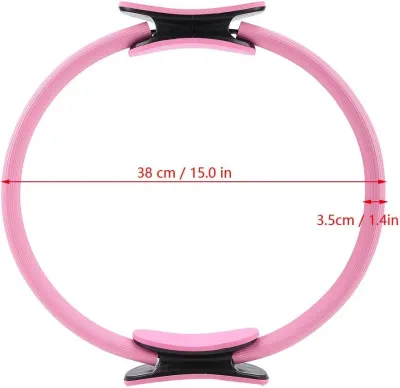
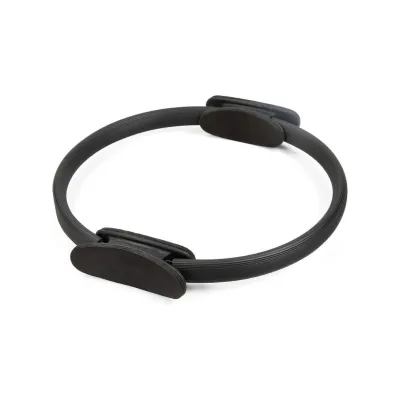
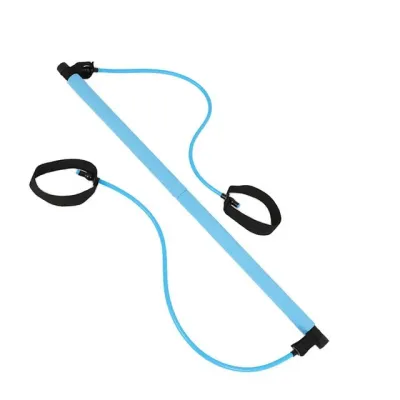
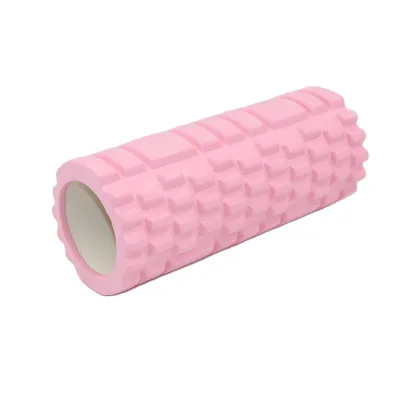
Prices are valid at publication and may change. Please refer to the product page for the latest price.
When selecting your starter gear, categorize items into immediate essentials and gradual additions. Your immediate essential is a dedicated, thick Pilates mat, which serves as your primary safety barrier against hard flooring. Gradual additions include small, low-impact resistance tools—such as resistance bands, a Pilates ring, and a small stability ball—that mimic some of the resistance patterns of larger machines without the high cost or spatial footprint.
Prioritizing your budget toward these foundational items ensures that your physical safety is never compromised. High-quality materials prevent slipping, cushion sensitive joints, and withstand repeated use over time. By allocating your funds to a few durable, well-manufactured items rather than a large bundle of cheap, low-grade accessories, you minimize the risk of equipment failure and create a more consistent, supportive training environment.
Choosing the Right Pilates Mat
The single most important decision in your home setup is selecting a proper Pilates mat. Many beginners make the mistake of using a standard yoga mat, only to find that their spine, knees, and hips ache after a session. Yoga mats are designed primarily for standing balance and grip, meaning they are typically thin—often between 3mm and 6mm. Pilates, however, involves a high volume of rolling, kneeling, and supine exercises where your entire body weight is articulated along the floor.

To protect your joints and spine during movements like the rolling like a ball or the open leg rocker, look for a mat with a thickness of at least 10mm to 15mm. This extra cushioning absorbs the impact on your spinous processes and pelvic bones, allowing you to focus on core engagement rather than bony discomfort. However, ensure the mat material is dense enough that you do not sink completely to the floor, as overly soft foam can compromise your stability during standing or kneeling balance work.
Material composition plays a critical role in both durability and safety. Common options include Nitrile Butadiene Rubber (NBR), Thermoplastic Elastomer (TPE), and polyurethane. NBR mats are highly cushioned and budget-friendly, though they can sometimes stretch under heavy lateral tension. TPE mats offer a lighter weight and excellent closed-cell hygiene properties, making them easy to wipe clean in humid climates. Polyurethane mats provide superior grip and durability but tend to be heavier and more expensive. Check the manufacturer’s label to verify that the mat features a non-slip textured bottom to prevent it from sliding across smooth parquet or tiled floors.
Finally, pay close attention to the dimensions of the mat. A standard mat may feel restrictive if you are taller or have a wider frame. Ensure the mat is long enough to support your head, spine, and tailbone simultaneously when lying flat, with additional clearance for your arms and legs during full-body extensions. Verifying these measurements beforehand prevents the frustration of constantly shifting your body to stay on the cushioned surface.
Adding Resistance: Bands, Rings, and Small Props
Once you are comfortable with basic bodyweight movements, incorporating small, versatile props can significantly enhance your home practice. Resistance bands are an exceptional starting point because they allow you to add progressive load to your movements without the risk of dropping heavy weights. When choosing bands, look for flat, latex or latex-free therapy bands. Beginners should start with a light-to-medium tension level, which allows you to maintain strict control over your form and alignment rather than straining against excessive resistance.
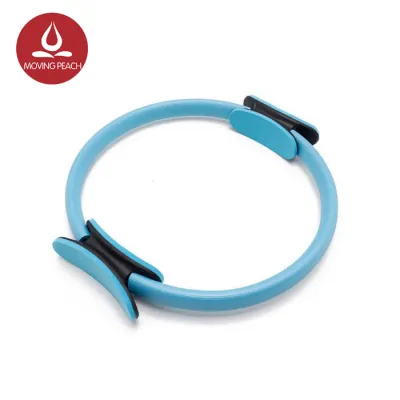
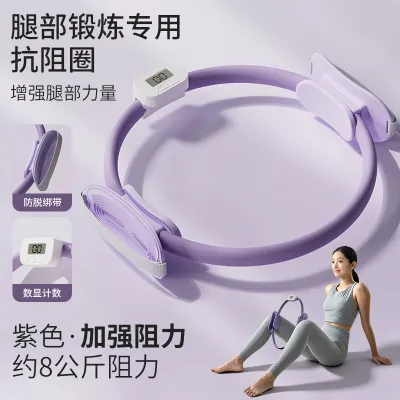
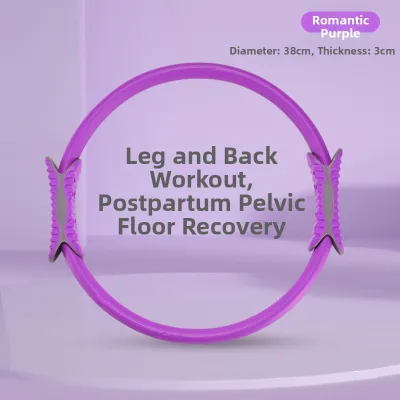
The Pilates ring, often referred to as the magic circle, is another classic tool that provides invaluable tactile feedback. Typically constructed from flexible metal or plastic with padded grips on both sides, the ring can be placed between your thighs, ankles, or hands. By gently squeezing the ring, you activate the deep stabilizing muscles of the inner thighs, pelvic floor, and shoulder girdle. This immediate physical feedback helps you identify whether your muscles are engaging symmetrically, making it an excellent tool for correcting alignment imbalances at home.
A small stability ball, usually between 15 to 25 centimeters in diameter, is a highly effective prop for targeting core activation. Placed under the lower back, pelvis, or between the knees, the ball introduces a mild element of instability that forces your deep abdominal muscles to work harder to maintain balance. It can also be used to support the neck or lower back during challenging abdominal series, making exercises more accessible for beginners who are still building foundational strength.
Before every session, it is vital to perform a quick safety check on all your props. Inspect resistance bands for any micro-tears, discoloration, or brittle spots, as these can lead to sudden snapping during use. If your bands feature handles or door anchors, verify that all stitching is intact and that any connection points are fully secure. Never anchor a band to an unstable piece of furniture or an unverified door frame; always consult the manufacturer’s instructions for approved anchoring methods to prevent rebound injuries.
What Beginners Can Skip (For Now)
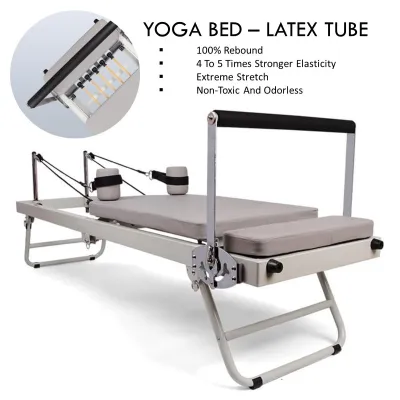
As you explore Pilates online or in studios, you will undoubtedly encounter large, impressive apparatus such as the Reformer, the Cadillac, and the Wunda Chair. While these machines are fantastic for progressive resistance and targeted rehabilitation, they are entirely unnecessary for a beginner starting a home practice. These large pieces of equipment require substantial financial investments—often running into thousands of Singapore dollars—and occupy a significant amount of permanent floor space that is simply not practical for most residential layouts.
Starting with bodyweight exercises and small props is not a compromise; it is actually the most effective way to build a resilient foundation. Without the mechanical assistance of springs and pulleys, your body must rely entirely on its own stabilizing muscles to control movement. This builds a deeper level of core strength and body awareness that translates directly to better posture and movement patterns in daily life.
You should only consider upgrading to larger home apparatus once you have established a consistent, long-term practice, mastered intermediate mat exercises, and received professional guidance on how to use these machines safely. Furthermore, ensure you have a dedicated, climate-controlled space that can accommodate the physical footprint and clearance requirements of a reformer, as well as the budget for regular maintenance of springs, ropes, and upholstery.
Setting Up Your Home Pilates Space
Creating a dedicated, safe environment for your home practice is just as important as the equipment you choose. Begin by calculating the physical clearance required for your movements. You should be able to lie flat on your mat and extend both your arms and legs fully in all directions without touching walls, furniture, or low-hanging light fixtures. A general rule of thumb is to allow for a clear zone of at least two meters by two and a half meters.
Next, assess the flooring in your designated practice area. Smooth surfaces like polished marble, ceramic tiles, or varnished parquet can cause even high-quality mats to slide if dust accumulates. Ensure the floor is clean and dry before laying down your mat. If you find your mat still shifts during dynamic movements, consider placing a thin, non-slip rug underlay beneath it, or opt for a mat specifically designed with a high-traction rubber base. If practicing on carpet, choose a denser, firmer mat to prevent the surface from feeling overly squishy and unstable.
Finally, plan an organized and accessible storage solution for your gear. Leaving mats rolled up tightly for extended periods can cause the edges to curl permanently, creating a tripping hazard during your workouts. If space permits, store your mat flat or loosely rolled, secured with a breathable strap. Keep your bands, rings, and stability balls in a dedicated basket or drawer away from direct sunlight and moisture, as prolonged exposure to heat and humidity can degrade synthetic rubbers and plastics, shortening their lifespan and compromising their safety.
Frequently Asked Questions (FAQ)
Can I use a standard yoga mat for Pilates?
Using a standard yoga mat for Pilates is generally not recommended because they do not provide sufficient cushioning. Yoga mats are typically thin (3mm to 6mm) to help you maintain balance during standing poses, whereas Pilates requires a thicker barrier (10mm to 15mm) to protect your spine, hips, and knees during rolling and kneeling exercises. A standard yoga mat can lead to discomfort or bruising along the spine during rolling movements.
How should I allocate my budget for a beginner Pilates setup?
When starting out, allocate the majority of your budget to a high-quality, durable Pilates mat, which typically ranges from S$40 to S$100 depending on the material and brand. A premium mat is a crucial investment for safety and joint protection. The remaining funds can be spent on low-cost, high-yield props like a resistance band (around S$10 to S$20) and a Pilates ring or small stability ball (around S$15 to S$30 each). This keeps your total initial investment highly affordable while providing a complete, versatile setup.
Do I need a Pilates reformer to see results at home?
No, you do not need a reformer to see significant results. Mat Pilates is highly effective on its own for building core strength, improving flexibility, and enhancing posture. In fact, many instructors emphasize that mastering mat exercises is more challenging because you must support and control your own body weight without the assistance of a machine’s springs. A reformer is an excellent addition later on, but a mat and small props are more than enough to achieve your fitness goals at home.
Community discussion
Share your experience or ask a question. Comments are reviewed before publication.