
Starting a new fitness journey often brings a wave of enthusiasm, closely followed by a confusing array of product recommendations. For those stepping into the world of Pilates, the sheer volume of specialized gear—from large, spring-loaded wooden apparatuses to small, colorful accessories—can make the entry barrier feel incredibly high. The good news is that you do not need to spend a fortune or turn your living space into a commercial fitness studio to begin practicing effectively.
At its core, the Pilates method is designed to cultivate deep core strength, spinal flexibility, and precise body control. Joseph Pilates originally developed his system of exercises using nothing more than a simple floor mat and the resistance of one’s own body weight. While specialized machines like Reformers and Cadillacs offer unique benefits, they are not prerequisites for learning the fundamentals. In fact, mastering the mat work first is widely considered by instructors to be the most effective way to build the body awareness and core stability required for more advanced training.
To determine what you actually need, start with a simple self-check of your immediate training goals. If you are following an online, mat-based video series at home, your equipment needs are virtually non-existent beyond a supportive surface. If you are preparing to attend your first in-person class at a local boutique studio, your primary requirements will shift toward personal hygiene and safety gear, such as specialized traction footwear. By aligning your purchases with your immediate training environment, you can avoid the common trap of buying unnecessary gear before you have even completed your first week of practice.
Products mentioned in this guide
![[SG 🚚] Stretcher Yoga Pilateselastic Band 8-Figure Arm Back Shoulder Exercise Yoga Stretching Fitness Band Home Fitness Equipment](https://img.lazcdn.com/g/p/910e75cfe6d7b9e06b4384685747669e.jpg_400x400q80.jpg_.webp)
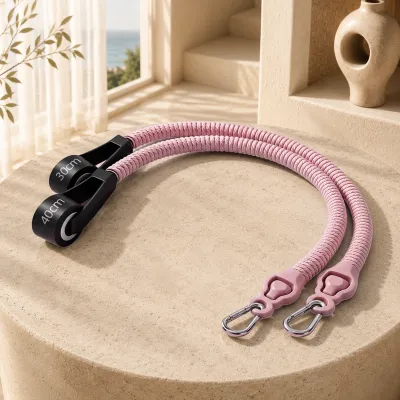
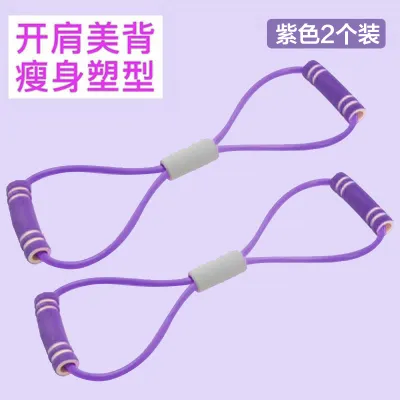
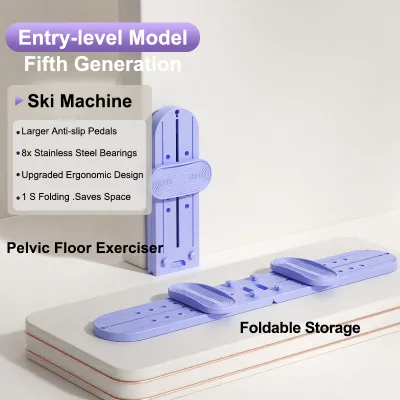
Prices are valid at publication and may change. Please refer to the product page for the latest price.
The Minimal Effective Setup: Day-One Essentials
Adopting a minimalist approach to your initial setup is the best way to ensure consistency without cluttering your home. In space-constrained living environments, such as apartments in Singapore, every square meter of floor space is highly valuable. A minimal effective setup focuses entirely on items that directly impact your physical safety, joint comfort, and hygiene during your sessions.
By restricting your initial purchases to the absolute essentials, you can invest in higher-quality items that last longer and perform better. A cheap, poorly made alternative often degrades quickly under regular use, leading to a frustrating experience and eventual replacement costs. For your first day of Pilates, you only need to focus on two key areas: a dedicated, supportive floor surface and appropriate, body-conforming apparel.
Choosing the Right Pilates Mat
Many beginners assume that any standard fitness or yoga mat will suffice for Pilates, but this is a common misconception that can lead to physical discomfort. Yoga mats are specifically engineered for standing balance and traction; they are typically thin (ranging from 3mm to 6mm) to keep your feet close to the stable floor. Pilates, however, involves a high volume of rolling, rocking, and spinal articulation exercises where your entire body weight is rolling along your vertebrae.
Performing exercises like “Rolling Like a Ball” or the “Open Leg Rocker” on a thin yoga mat can cause painful bruising along the spinous processes of your back. To protect your spine and joints, look for a dedicated Pilates mat that offers substantial cushioning. A thickness of 10mm to 15mm is generally recommended to provide adequate joint support and shock absorption during rolling movements.
When shopping for a mat, do not rely solely on the word “Pilates” in the product title, as marketing labels can be misleading. Instead, perform these physical and visual checks:
- Thickness Verification: Check the product specifications to confirm the mat is at least 10mm thick.
- Material Density: Press your thumb firmly into the mat's surface. A high-density mat (often made of closed-cell NBR or dense TPE foam) will resist the pressure and slowly rebound. If your thumb easily bottoms out to the hard floor, the foam is too soft and will not provide enough support during exercise.
- Surface Texture: Ensure the mat has a non-slip texture on both sides so it remains anchored to your floor, especially in humid climates where sweat can cause slippage.
Grip Socks and Functional Apparel
If you plan to transition from home workouts to a professional studio, or if you are practicing on a smooth wooden floor at home, a pair of specialized grip socks is highly recommended. These socks feature silicone or rubberized traction dots across the sole, preventing your feet from sliding during planks, lunges, and bridging exercises. Furthermore, most commercial Pilates studios enforce a strict hygiene policy that requires all participants to wear grip socks when using shared equipment.
Your choice of apparel also plays a direct role in the effectiveness of your practice. While loose, baggy sweatpants and oversized t-shirts are comfortable for lounging, they are counterproductive for Pilates. Baggy clothing drapes over your torso and limbs, completely obscuring the alignment of your pelvis, the flare of your rib cage, and the curvature of your spine.
To self-correct your form in a mirror—or to allow an instructor to provide accurate alignment cues—opt for form-fitting, highly stretchable activewear. Look for high-waisted leggings and fitted tops made from breathable, moisture-wicking fabrics. Ensure your clothing is entirely free of metal zippers, plastic buttons, or heavy drawstrings, as these components can press painfully into your skin during lying exercises and can easily tear the delicate vinyl upholstery of studio apparatus.
Optional Props: When to Add Resistance and Support
Once you have established a consistent routine and can perform basic mat exercises with proper form, you may want to introduce small, portable props. These items are not designed to replace your bodyweight training; rather, they serve as tools to either assist you in challenging movements or add targeted resistance to deepen your muscle engagement.

It is wise to treat these props as gradual upgrades rather than immediate purchases. Introducing too many variables on day one can distract you from mastering the fundamental breathing patterns and core activation techniques that make Pilates so effective.
Resistance Bands and Pilates Rings
Resistance bands and Pilates rings (often referred to as “magic circles”) are excellent, space-saving additions that can simulate some of the spring-based resistance found on professional studio reformers. Flat latex or TPE resistance bands are highly versatile; they can be looped around your feet to assist with the spinal roll-up, or held in your hands to add a light load to upper-body movements.
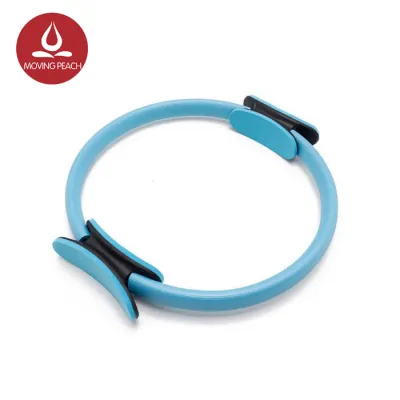
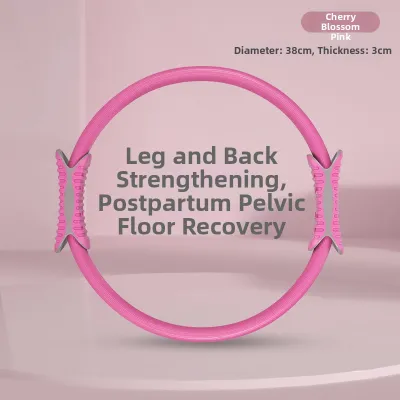
The Pilates ring is a flexible, composite ring with padded grips on opposite sides. It is primarily used to create isometric tension, helping you target hard-to-reach muscle groups. For example, placing the ring between your inner thighs during a bridge exercise forces the deep adductors and pelvic floor muscles to engage more intensely.
Before purchasing these items, consider this simple decision rule: only add resistance bands or a Pilates ring to your kit when you can perform the standard bodyweight version of an exercise with complete control and zero lower-back strain. If you struggle to maintain a stable, neutral pelvis during a simple leg lift, adding a resistance band will only cause your body to compensate by overworking your hip flexors or lower back.
Small Balls and Foam Rollers
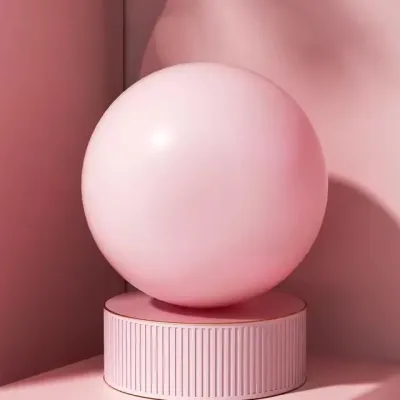
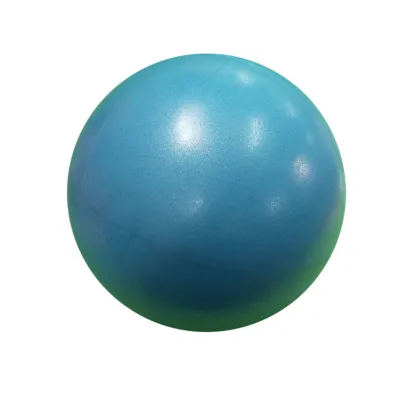
Small, inflatable exercise balls (typically 7 to 9 inches in diameter) are incredibly useful for providing sensory feedback and stability cues. When slightly deflated and placed under your lower back or sacrum, a small ball forces your deep stabilizing muscles to work harder to maintain balance. Placed between your knees, it serves as a gentle physical reminder to keep your legs aligned and engaged.
Foam rollers, on the other hand, serve a dual purpose in a beginner’s routine. They can be used as a balance-challenging prop during mat work, or as a recovery tool for post-session myofascial release. Rolling out tight calves, glutes, and upper back muscles after a challenging session can help alleviate muscle tension and improve overall mobility.
These items are highly affordable and take up very little storage space, making them excellent secondary purchases. However, they are strictly “nice-to-have” upgrades. If you are on a tight budget, you can easily replicate many of the stability cues provided by a small ball by using a tightly rolled bath towel or a firm throw pillow from your sofa.
What to Skip: Avoiding the Beginner Overspending Trap
One of the most expensive mistakes a beginner can make is purchasing large-scale Pilates apparatuses for home use. Pilates Reformers, Cadillacs, and Wunda Chairs are beautiful, highly effective machines, but they are completely unnecessary for a novice’s home setup. High-quality home reformers typically cost anywhere from S$1,500 to over S$8,000, require a massive amount of dedicated floor space, and are incredibly heavy to move.
More importantly, using these spring-loaded machines safely requires a deep understanding of Pilates mechanics and proper alignment. Attempting to use a reformer at home without professional, in-person supervision carries a genuine risk of injury, as improper spring settings or poor carriage control can strain your joints and muscles. Save the apparatus work for supervised studio sessions where a certified instructor can guide your movements and ensure your safety.
Additionally, you should avoid high-end “smart” fitness mirrors, expensive branded apparel, and pre-packaged “ultimate starter kits.” These kits often bundle a low-quality, thin mat with a variety of cheap plastic props that you may not use for months, if ever. It is far more cost-effective and environmentally friendly to purchase your gear individually, selecting only high-quality, durable items as your physical practice naturally demands them.
Progression Path: Signals It Is Time to Upgrade
As your strength, flexibility, and body awareness improve, your equipment needs will naturally evolve. Rather than upgrading on an arbitrary timeline, let your physical progress and observable feedback guide your next purchases. There are several clear signals that indicate you are ready to expand your setup:
- Persistent Joint Discomfort: If you find that your knees, hips, or spine still feel tender or bruised during rolling exercises despite using your current mat, it is a clear signal that your mat lacks the necessary density or thickness. Upgrading to a professional-grade, high-density Pilates mat should be your first step.
- Lack of Physical Challenge: If you can perform your entire mat routine with perfect form, a steady heart rate, and minimal muscle fatigue, your body has adapted to your body weight. This is the ideal time to introduce resistance bands or a Pilates ring to add a new layer of difficulty.
- Transitioning to Studio Classes: If you decide to take your practice to a local studio, investing in your own high-quality grip socks and a personal mat towel is a smart move for hygiene and personal comfort.
Once you have built a rock-solid foundation in mat Pilates over six months to a year of consistent practice, you might eventually consider at-home reformer alternatives, such as compact sliding boards or resistance-cable systems. However, always prioritize professional instruction and personal safety over home convenience. When in doubt, consult with a certified Pilates instructor to assess your form and determine which tools will best support your ongoing physical development.
Frequently Asked Questions (FAQ)
Can I use a standard yoga mat for Pilates?
While you can use a standard yoga mat in a pinch, it is generally not recommended for dedicated Pilates practice. Yoga mats are thin and designed primarily for standing traction, offering very little cushioning. Pilates involves many rolling and rocking exercises that require a thicker, denser mat (typically 10mm to 15mm) to protect your spine, hips, and knees from painful pressure against a hard floor.
Do I need to buy a Pilates reformer for home use?
No, you do not need to buy a reformer for home use. Reformers are highly expensive, require significant floor space, and present safety risks if used without professional training. Mat Pilates is the foundational standard of the method and is highly effective on its own. It is best to learn the fundamentals on a mat and leave reformer work for supervised studio sessions.
What specific features should I look for in Pilates clothing?
Look for form-fitting, highly stretchable, and breathable activewear that allows a full range of motion. Your clothing must be snug enough to allow you (or an instructor) to clearly observe your spinal alignment, pelvic tilt, and rib cage movement in a mirror. Ensure your apparel is completely free of hard zippers, buttons, or drawstrings that could cause discomfort during floor exercises.
Community discussion
Share your experience or ask a question. Comments are reviewed before publication.