
Prawning has grown into a highly popular recreational activity in Singapore, offering a unique blend of relaxation and excitement. Whether you are visiting a breezy outdoor pond in the rustic countryside or a modern, air-conditioned indoor facility in the heart of the city, the thrill of watching your float dip beneath the water surface is unmatched. For beginners, however, stepping into a prawning venue can feel slightly intimidating, especially when observing experienced anglers equipped with elaborate, customized tackle boxes. Fortunately, you do not need an expensive or overly complex setup to enjoy a successful first outing. By focusing on a few essential, highly sensitive accessories, you can maximize your catch rate while keeping your initial investment low.
Core Prawning Gear: The Non-Negotiables
Selecting the right rod is your first step toward a successful prawning session. Unlike standard fishing rods designed for long-distance casting, a dedicated prawning rod is remarkably short, typically measuring between 4 and 6 feet (approximately 1.2 to 1.8 meters). This compact length is specifically designed for the vertical drops required around concrete prawning ponds. When browsing options, look for a rod with an ultra-light or fast action, meaning the rod body remains stiff while the tip is incredibly flexible and sensitive. Because freshwater prawns nibble gently rather than striking aggressively, a highly sensitive tip is crucial for detecting the subtle vibrations of a prawn manipulating your bait.
The line and leader setup acts as your direct communication link to the underwater world. For beginners, a high-visibility monofilament or fluorocarbon line with a test strength of 2 to 4 pounds (lb) is highly recommended. High-visibility colors, such as bright yellow or neon orange, make it much easier to track your line’s movement in the dim, atmospheric lighting common to indoor prawning facilities. Your leader—the short segment of line connecting the main line to the hook—should have a slightly lower breaking strength than your main line. This deliberate design choice ensures that if your hook becomes snagged on the pond’s bottom grates or aerator pipes, only the cheap leader breaks, saving your expensive float and main line from being lost.
Products mentioned in this guide
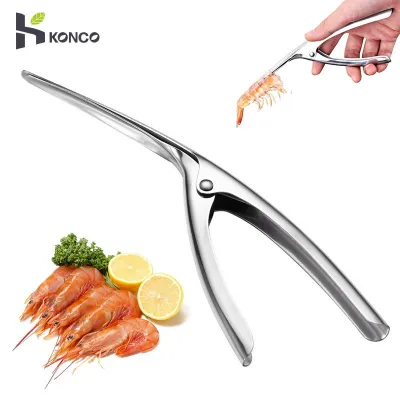
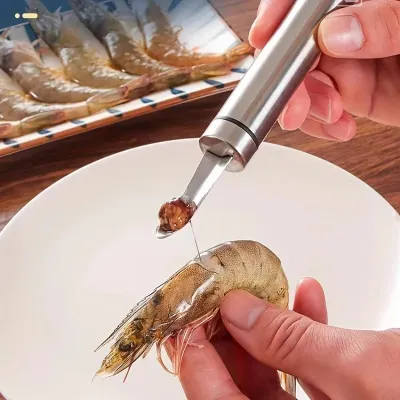
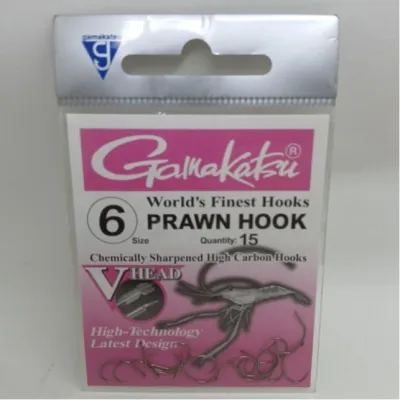
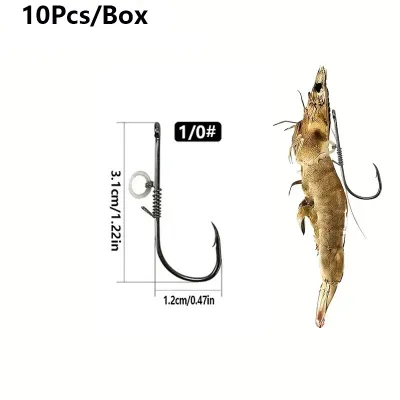
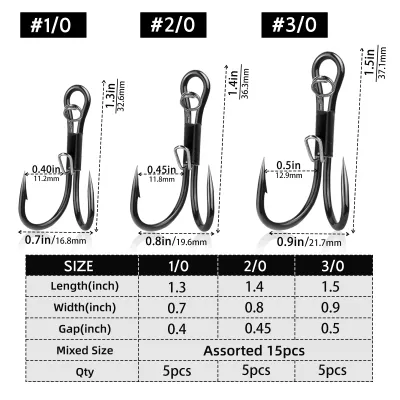
Prices are valid at publication and may change. Please refer to the product page for the latest price.
Hooks are the most critical point of contact with your catch, and choosing the correct size is vital. Prawning hooks are exceptionally small, fine-wired, and incredibly sharp to penetrate the tough, shell-like mouthparts of giant freshwater prawns. Beginners should look for hooks sized between #1 and #4 on standard prawning scales. Many modern venues mandate the use of barbless hooks, which are safer for beginners to handle and make unhooking your catch much easier. A hook that is too large will prevent the prawn from fully taking the bait, while a hook that is too small may fail to secure a solid hold, leading to lost catches as you lift them from the water.
To complete your basic rig, you will need a well-balanced float and sinker system. The float serves as your primary visual indicator, sitting on the water’s surface and dipping or sliding sideways when a prawn takes interest in your bait. Slim, elongated floats made of high-density foam or lightweight wood are ideal for beginners because they offer minimal resistance when a prawn pulls them down. To balance the float, small lead split shots or adhesive lead tape are wrapped around the line. Achieving perfect buoyancy—where only the very tip of the float is visible above the water—is essential, as it allows you to detect even the most delicate nudges without alerting the prawn to any unnatural resistance.
Bait and Attractants: What Works for Freshwater Prawns
While most commercial prawning facilities provide basic baits like raw chicken hearts or earthworms with your hourly rental, bringing your own selection can significantly improve your chances. Highly effective, beginner-friendly baits include preserved fish meat, small dried krill, and specialized prawning pastes. These baits are favored because they release a strong, oily scent trail in the water, which quickly draws freshwater prawns out of their hiding spots near the pond walls or aerator pipes. When preparing these baits, use a sharp pair of scissors to cut them into tiny, matchstick-sized pieces that fit perfectly onto your small hook.

Before introducing any external bait or scent attractants to the water, it is imperative to verify the specific rules of the venue you are visiting. Many prawning ponds in Singapore enforce strict regulations regarding what baits are permitted. These rules are in place to maintain water clarity, protect the filtration systems, and ensure the health of the prawn population. Chemical attractants, artificial food colorings, and certain live baits are frequently banned. Always consult the venue staff at the counter before your session to confirm your bait is compliant, as using prohibited substances can result in being asked to leave the premises.
Maintaining the freshness of your bait throughout your session is key to keeping the prawns interested. Prawns are highly sensitive scavengers and are far more likely to ignore spoiled, warm, or dried-out bait. To keep your bait in optimal condition, store it in a small, insulated pouch or a compact cooler bag equipped with a reusable ice pack. This is especially important if you are prawning at an outdoor pond during a humid afternoon. Only take out a few pieces of bait at a time, keeping the rest chilled and protected from the air to preserve its natural oils and scent profile.
Handling and Storage: Nets, Containers, and Aeration
Once you have successfully hooked a prawn and brought it to the surface, the landing process requires care to prevent the catch from escaping. Lifting a heavy giant freshwater prawn directly out of the water by the line puts immense stress on the hook hold, often causing the hook to tear through the prawn’s mouth. A small, short-handled landing net with a fine, knotless mesh is the perfect tool for this stage. Gently guide the prawn over the submerged net and lift it clear of the water. The fine mesh prevents the prawn’s long, delicate feelers and legs from becoming tangled, making the unhooking process much smoother.
After landing your catch, you need a secure container to hold the prawns during your session. A simple plastic bucket or a specialized mesh keepnet designed to hang inside the pond water works excellently. If you choose a bucket, it must have a secure, well-ventilated lid. Giant freshwater prawns are surprisingly athletic and can easily flick their powerful tails to jump out of an open bucket, leaving you searching the concrete floor for escaped catches. A secure lid also prevents water from splashing out as you move your container around the venue.
If you plan to transport your prawns home alive or want to keep them in peak condition during a long three-hour session, investing in a portable, battery-powered aerator is highly recommended. These compact devices clip easily onto the rim of your bucket and pump oxygen into the water through a flexible tube and air stone. Prawns consume oxygen rapidly in confined spaces, and without a constant supply, they will quickly perish, which compromises the quality of the meat. Verify the battery runtime of your aerator before heading out, and carry spare batteries to ensure continuous operation throughout your trip.
When handling giant freshwater prawns, safety should always be your priority. Prawns possess a sharp, pointed horn (rostrum) on their heads and powerful pinchers that can deliver a painful pinch. Always grip the prawn firmly from the back of its carapace, keeping your fingers clear of the pinchers, and use a pair of long-nose pliers if the hook is deeply embedded. Additionally, commercial prawning venues often have wet, slippery concrete floors around the ponds, so wearing non-slip footwear is a crucial safety measure to prevent accidental slips and falls.
Optional vs. Essential: Avoiding Unnecessary Purchases
As a beginner, it is easy to get swept up in the excitement and purchase every gadget available on the market. Accessories such as electronic bite alarms, specialized UV LED lights, and complex multi-tools are often marketed as must-haves, but they are entirely optional for those starting out. Electronic bite alarms are generally designed for larger fish and lack the sensitivity required for prawning, while standard overhead pond lighting is usually more than adequate for tracking your float. Keeping your setup simple allows you to focus on mastering the fundamental physical feedback of the rod and float.
Before buying any gear, remember that almost all commercial prawning venues offer basic rod rentals, floats, and standard bait included in their hourly rates. If you are planning a casual, one-off trip with friends, utilizing the venue’s rental equipment is the most sensible and budget-friendly approach. This allows you to experience the activity firsthand without any upfront financial commitment. Once you find yourself planning regular weekend trips, purchasing your own dedicated rod and tackle box becomes highly justified, as personal gear is typically lighter, more sensitive, and better maintained than rental options.
Upgrading to premium accessories becomes a logical step once you have mastered the basics and can consistently read float movements. Investing in a high-carbon rod, specialized Japanese-style floats, or custom-tied hook rigs offers tangible benefits in terms of weight reduction and hook-setting speed. These premium tools provide a more refined tactile feedback, allowing you to distinguish between a prawn merely touching the bait and one that has fully committed to the hook. However, these advantages only translate to a higher catch rate once you have developed the foundational skills of patience and timing.
Building Your First Prawning Kit on a Budget
Assembling your first prawning kit does not have to break the bank if you prioritize your spending on high-wear, high-impact items. Allocate a larger portion of your budget to high-quality, sharp hooks and a durable landing net, as these items directly affect your ability to secure and land your catch. Conversely, you can save money on the rod and storage container. A basic, reliable fiberglass rod costing between S$15 and S$30 is perfectly adequate for a beginner, and a standard household plastic bucket can easily be repurposed as a live-well with a few simple modifications.
When purchasing your gear, whether from physical tackle shops or online marketplaces, always verify the product specifications and return policies. Physical tackle shops offer the distinct advantage of allowing you to hold the rod, test its flex, and seek personalized advice from experienced staff. If you choose the convenience of online marketplaces, read customer reviews carefully to verify the durability of the items and ensure the seller offers a clear return policy in case of shipping damage. Look for complete starter bundles, which often include a rod, line, floats, and hooks at a discounted package price.
To help you prepare for your first outing, use the customizable checklist below to track your purchases and ensure you have packed all the essentials before leaving the house.
| Accessory | Priority | Purpose | Estimated Cost Range |
|---|---|---|---|
| Prawning Rod (4.5–5.5ft) | High | Detects bites and sets the hook | S$15 – S$35 |
| Monofilament Line (2-4lb) | High | Connects rod to hook with high visibility | S$5 – S$12 |
| Fine-Wire Hooks (Size #2-#4) | High | Secures the prawn safely | S$3 – S$8 per pack |
| Small Landing Net | Medium | Safely lands prawns at the pond edge | S$8 – S$15 |
| Keepnet or Bucket with Lid | Medium | Holds catch securely during session | S$5 – S$15 |
| Portable Aerator | Low | Keeps prawns alive for transport | S$10 – S$25 |
Frequently Asked Questions (FAQ)
Do I need a specialized prawning rod, or can I use a standard fishing rod?
While you can technically use an ultra-light fishing rod, a dedicated prawning rod is highly recommended for the best experience. Standard fishing rods are typically too long, making them awkward to handle around crowded concrete ponds, and they often lack the extremely soft, sensitive tip required to register the delicate nibbles of a prawn. A specialized prawning rod is engineered specifically for short-range, vertical drops, providing the precise tactile feedback needed to time your hook sets perfectly.
What size hook is best for catching giant freshwater prawns?
For giant freshwater prawns, hooks sized between #2 and #4 on standard prawning scales are generally the most effective. These sizes offer the perfect balance, being small enough for the prawn to grasp easily while remaining strong enough to penetrate their tough mouthparts. Always check the specific rules of your chosen venue before fishing, as some ponds mandate the use of barbless hooks to protect the prawns and simplify the unhooking process for beginners.
Community discussion
Share your experience or ask a question. Comments are reviewed before publication.